

Blog
Blog Column
-
Typhoon No. 30
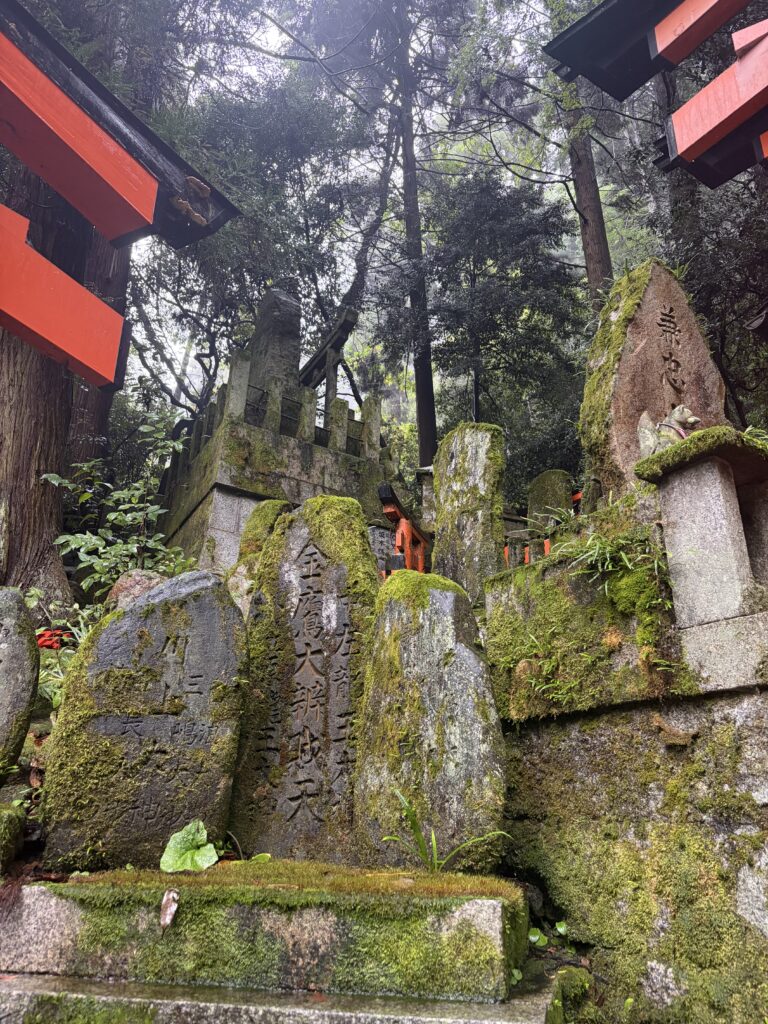
It was supposed to be a lovely weekend, but due to the effects of Typhoon No. 30, it had been raining in Kyoto since the morning. The rain was particularly heavy around 9 o’clock. To make matters worse, even though we are already in the latter half of October, Typhoon No. 31 has formed. Apparently, this is the first time in 32 years that 31 typhoons have formed. Although typhoons are forming at a far faster rate than usual, it is fortunate that not many of them are approaching Japan. As we often lead outdoor tours in Kyoto, rainy days…
- Column
-
Crowded Kyoto
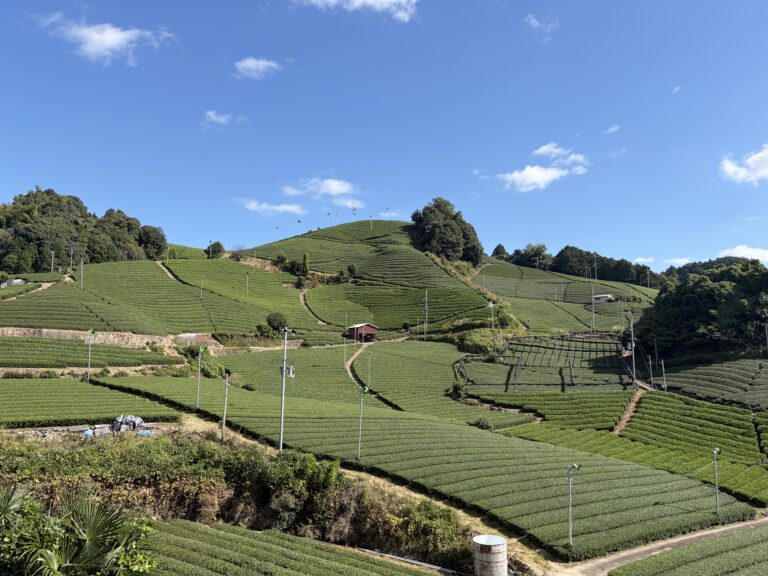
Since the start of October, there has been a sharp increase in the number of foreign tourists. Although Kyoto City has become cooler compared to last year, places such as Fushimi Inari, Arashiyama and Kiyomizu-dera are still teeming with people. Perhaps as a result of this situation, a recent trend among our clients has been to request guided tours of quiet, less crowded spots rather than the so-called ‘clichéd’ tourist attractions. More and more tourists feel that, having made the effort to visit Japan, they cannot experience the true essence of the country when surrounded by crowds of foreign visitors.…
- Column
-
Vacation Rental Accommodation under the Hotel Business Act
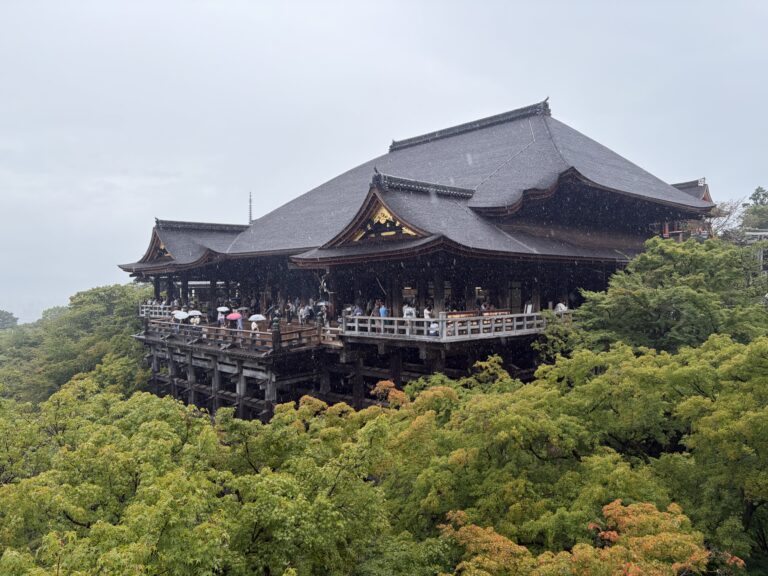
Kansai TV recently broadcast a programme about a loophole that allows people to open vacation rental accommodation (Minpaku) by registering as a hotel business. In Osaka, there was a ‘Special Zone Rental Vacation (Tokku Minpaku)’ scheme which, unlike the statutory vacation rental scheme—which typically imposes an annual operating limit of 180 days—allowed year-round operation. However, due to issues such as litter and noise, as well as the fact that vacation rental had been misused to facilitate the acquisition of residence visas, the scheme has now ceased accepting new applications. Consequently, the method of operating vacation rental as a ‘common lodging…
- Column
-
Regulations on Vacation Rental Accommodation in Kyoto City
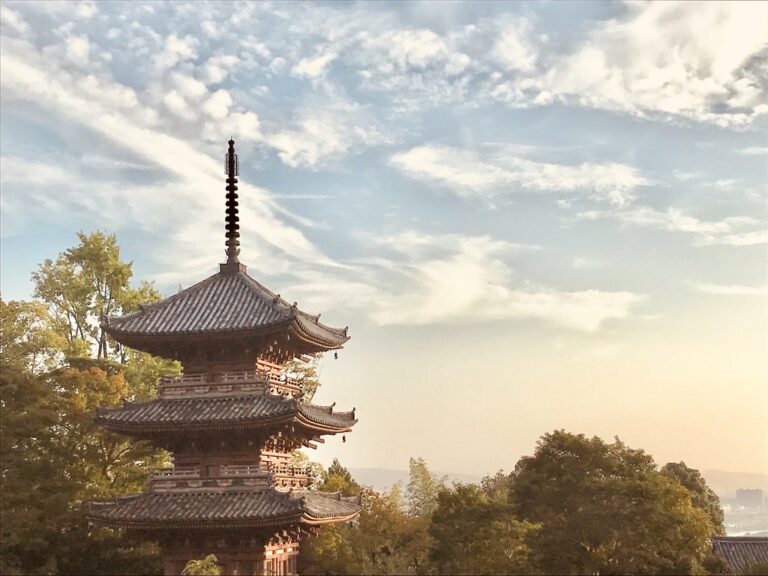
Kyoto City has finally begun taking steps to regulate vacation rental accommodation (minpaku in Japanese). A draft amendment to the by-laws, which would effectively ban new businesses from opening in residential-only and industrial zones, is expected to be debated in the city council next financial year. In addition, amendments are expected to be made requiring existing vacation rental providers and guesthouse such as ours to have staff permanently stationed either on the premises or in an adjacent building. The key difference between vacation rental and guesthouse lies in the licensing requirements. Whilst vacation rental requires only a notification, guesthouse is…
- Column
-

Dotonbori: Where the Japanese Have Disappeared
It is frequently reported in the media that the Japanese have disappeared from the so-called ‘Minami’ district—comprising Shinsaibashi, Dotonbori, Kuromon Market and Namba—the very places that epitomise Osaka. Even Dotonbori, the very symbol of ‘kuidaore’ (eating until you drop), is now lined with Chinese, Korean and Vietnamese shops and food stalls—apart from the flashy neon signs—and one hardly ever sees any locals walking around. Some of these are illegal street stalls operating on public roads, which has become a cause for concern. Guided tours in Osaka used to typically cover Kita, Minami and Shinsekai, but since the COVID-19 pandemic, I…
- Column
- Osaka
-
Natural Disasters
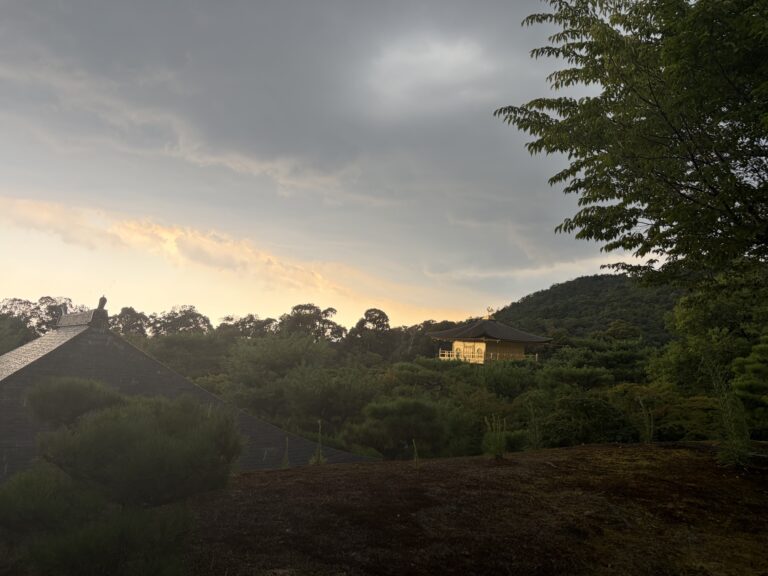
Whilst guiding a guest to Kinkaku-ji, we were suddenly caught in a torrential downpour. To make matters worse, there was incessant thunder and lightning. Lightning struck nearby, and everything before my eyes turned completely white. The alarm in a souvenir shop began to blare, which really panicked me. At the same time, as a guide, it made me think about how one should act during a disaster. After safely escorting my guests back to their hotel and settling down to relax at home, the major earthquake struck Kumamoto. Whilst the extent of the damage is not yet clear, I sincerely…
- Column
-
Kokushobi
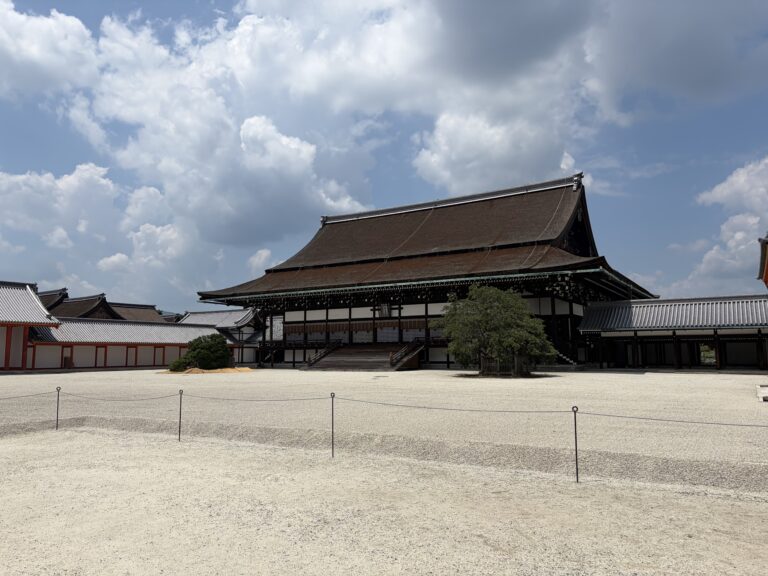
The Japan Weather Association has adopted the term ‘Kokushobi (Extreme Heat Day)’ this year, based on a questionnaire. A day is classified as Kokushobi when the maximum temperature exceeds 40 degrees. Today in Kyoto, the temperature has exceeded 38 degrees. Although it is not officially classified as a ‘Kokushobi’, the heat and humidity make it feel as though one is inside a steam sauna. Almost all those walking outside are foreign tourists. Yesterday, a sign warning of heatstroke was displayed at the Kyoto Imperial Palace, indicating the highest level of risk. There was no one in front of the Shishinden…
- Column
- Kyoto
-
Chaos at Kyoto Station
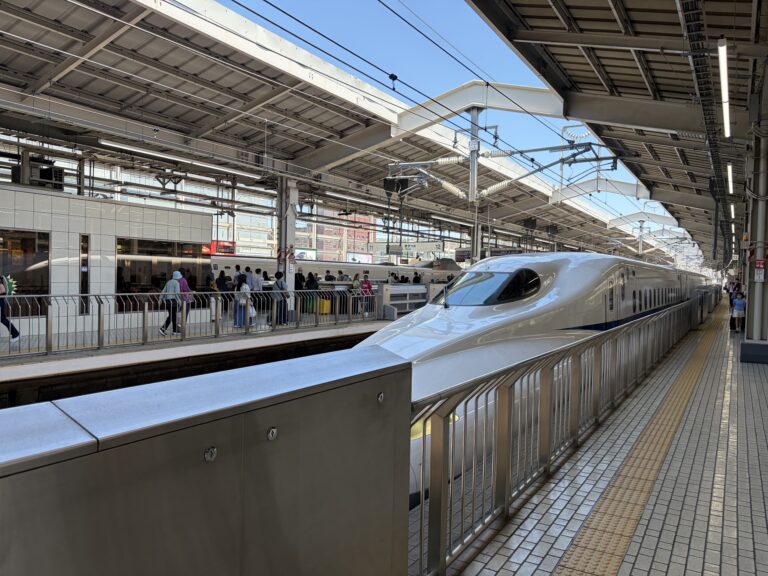
The crowds at Kyoto Station show no sign of abating. There is a constant stream of foreign tourists who, at the Shinkansen ticket gates, tap their smartphones without displaying a QR code, or attempt to pass through using their EX Reservation Details (EX利用票) only to be blocked. On top of that, there are long queues at the ticket machines. Today, I had to wait for nearly 20 minutes. Online bookings for the Tokaido, Sanyo and Kyushu Shinkansen lines can be made via smartphone. https://smart-ex.jp/en/index.php Recently, there has also been an increase in incidents involving large suitcases. There have been cases…
- Column
- Travel tips
-
Wild birds are drawn to dirty places
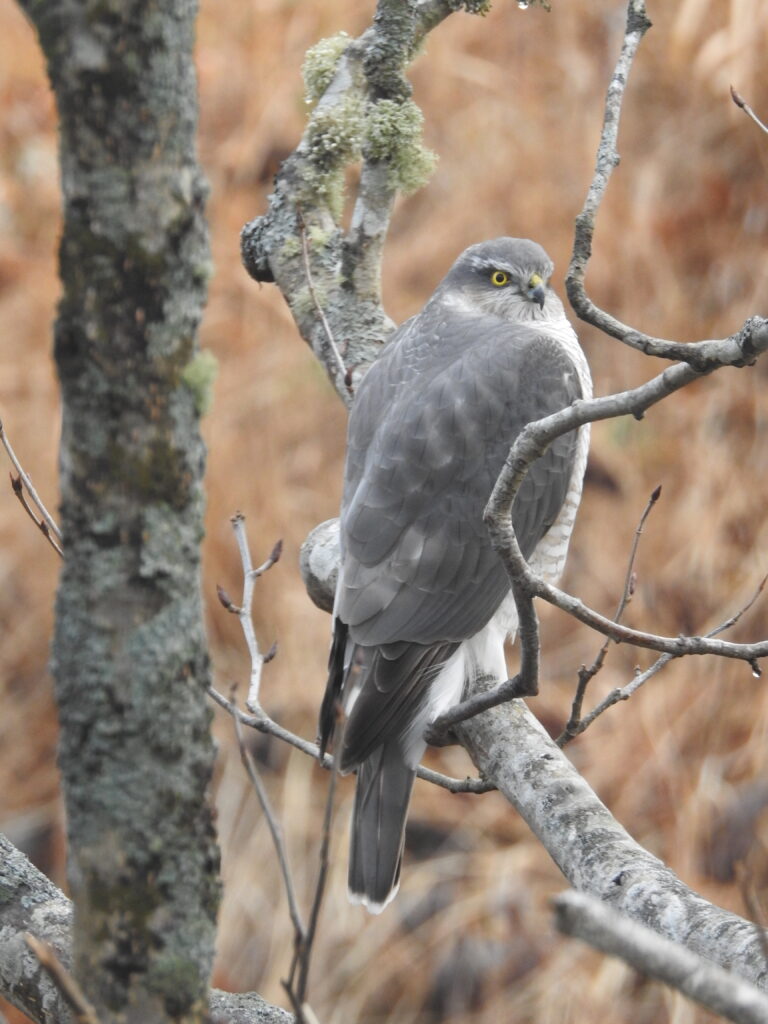
The source of the Hantavirus infection is rodents in South America, and there have been reports suggesting that the Dutch couple who died may have contracted the virus whilst taking part in a birdwatching tour in Ushuaia, southern Argentina. One of the places visited on that tour was a rubbish dump. Some of you may be surprised to hear that they went to such a place, but for us bird enthusiasts, it is perfectly natural. Rubbish dumps are teeming with insects and rats, attracting large numbers of small birds and birds of prey that prey on them. One of the…
- Birds
- Column
-

Chairman of the Neighbourhood Association
This year, I became chairman of the Higashi-Imadegawa Neighbourhood Association, where our guesthouse is located. My involvement with this neighbourhood association began ten years ago. When I purchased the property to open the guesthouse, I received a letter from the chairman at the time asking me ‘please do not operate a private accommodation business’. At that time, Kyoto was in turmoil over the issue of private accommodation which called minpaku in Japanese, and for local residents, the prospect of a complete stranger opening a guesthouse was nothing but a source of anxiety. I went to explain the situation immediately, and…
- Column
-

Disruptive Behaviour by Tour Guides
The cherry blossoms along the Kamogawa River, which had been in full bloom, are now beginning to fall in places due to the rain and wind. As this is the final weekend of the cherry blossom season, Kyoto Station is extremely crowded. In particular, visitors from overseas are so engrossed in taking photographs that they come close to colliding with the Shinkansen, and there are occasional instances of people failing to observe Japanese rules, which often causes problems. Unfortunately, there are people who behave in that way, even amongst us tour guides. Since the onset of the COVID-19 pandemic, many…
- Column
- notice
-

Pink Moon
Entrance ceremonies were held at many private universities across Kyoto, with students dressed in black suits striding confidently about. The Pink Moon seemed to be welcoming these fresh-faced students. It is not that the moon actually appears pink; rather, the name comes from the fact that it coincides with the season when moss phlox is in bloom. The weather in Kyoto is set to remain fine until tomorrow, but it is forecast to turn unsettled from Wednesday. The cherry blossoms will be at their peak until this weekend.
- Column