

Blog
Blog Birds
-
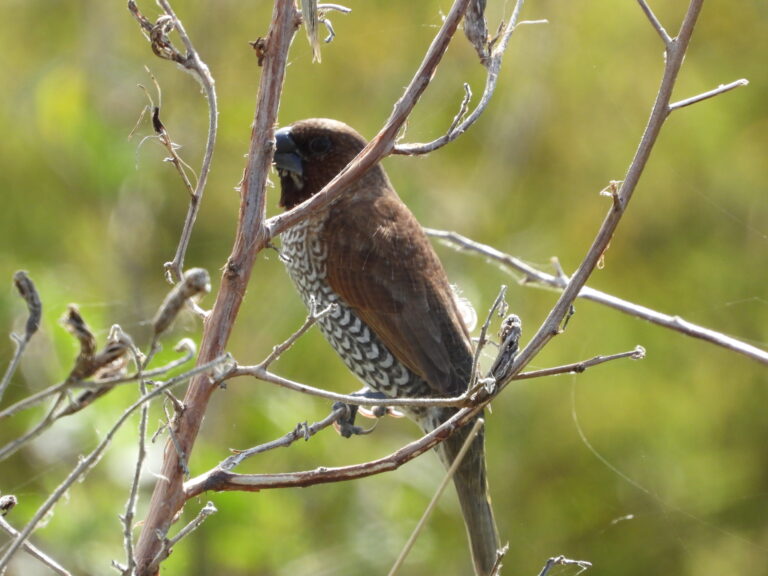
Scaly-breasted munia
The Scaly-breasted munia is widely distributed from southern China to Taiwan, Indonesia, India and other parts of South-East Asia. It is a small bird characterised by the wavy pattern on its belly. Whilst 11 subspecies are recognised, the species has been introduced to the United States and Australia, and individuals inhabiting the Nansei Islands, such as Ishigaki Island, are considered to be non-native species resulting from escaped pet birds. However, as the species is commonly found in Taiwan, the possibility that they may have migrated from there cannot be entirely ruled out. Determining which birds are native and which are…
- Birds
- Ishigaki Island
-
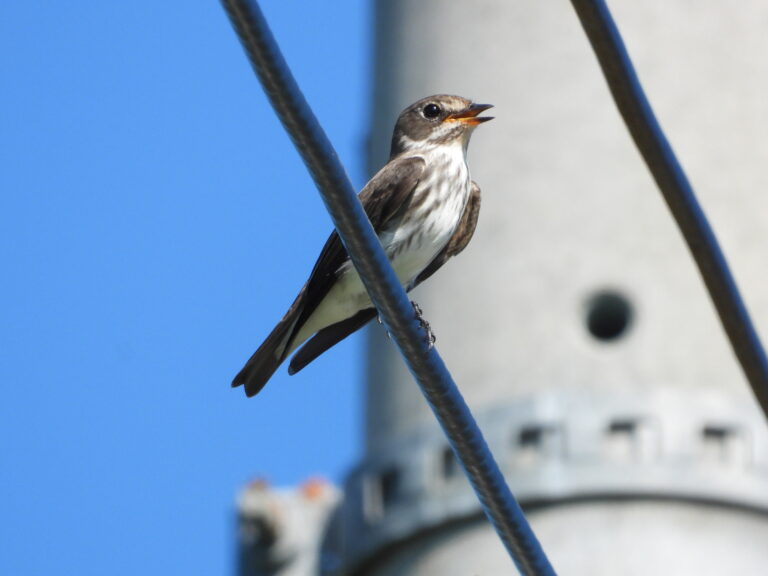
Grey-streaked flycatcher
Come autumn, it is common to spot small birds migrating even in city parks. A prime example of this is the Grey-streaked Flycatcher. From late September to early October, it can be observed at the Kyoto Imperial Palace. It breeds in northern regions such as Siberia and is a migratory bird that passes through Japan during the migration season. Although it also migrates in spring, it is overwhelmingly more commonly seen in autumn. It is characterised by vertical stripes running from its breast to its belly. Like other members of the flycatcher family, it takes off from tree branches, catches…
- Birds
- Ishigaki Island
-
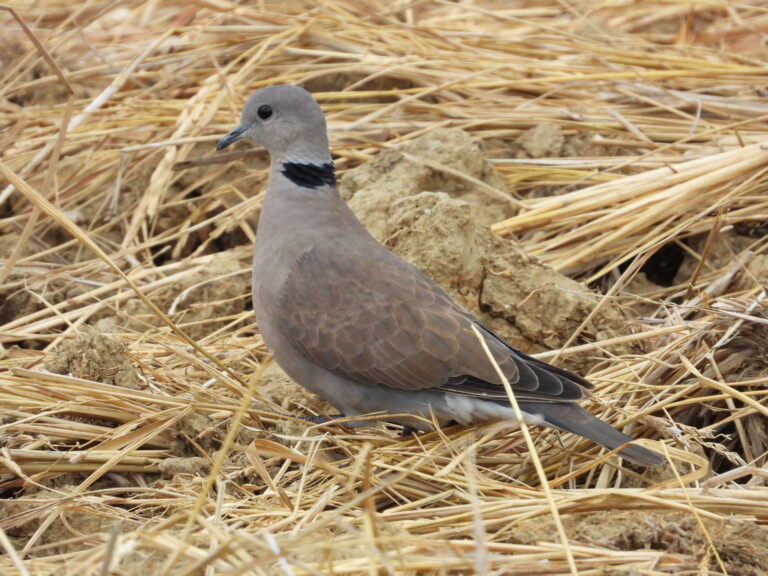
Red collared dove
Although rarely seen on Honshu, the Red collared dove is observed every year from autumn to spring in the Nansei Islands. It is much smaller than other pigeons commonly found in Japan—about the size of a starling—and is often seen mingling with flocks of Oriental turtle doves. The photograph shows a female. As the name suggests, the male has a reddish tinge to its back and belly, whilst the female is a dull, overall greyish-brown colour with no reddish hues. It is an extremely rare bird in Kyoto, with only a single record prior to the war, yet it is…
- Birds
- Ishigaki Island
-
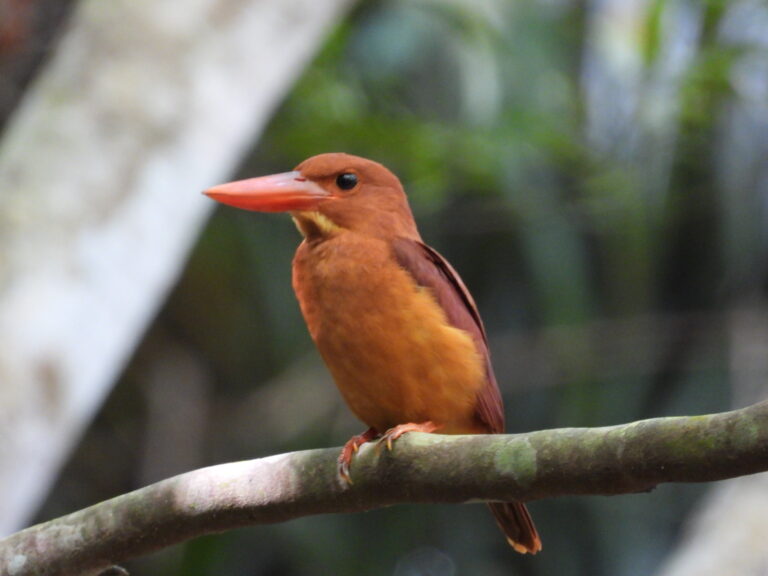
Ryukyu Ruddy Kingfisher still remaining
In late September on Ishigaki Island, the composition of migratory birds changes significantly from day to day. The Ryukyu Ruddy Kingfisher, a subspecies of the Ruddy Kingfisher, breeds in the Nansei Islands, including Ishigaki Island, and is said to disappear from sight by mid-August, but on this occasion I was lucky enough to spot one. As the base of its beak is blackish, it may be a juvenile born this year. Whilst they sing in a distinctive voice during the breeding season, they do not sing at this time of year, so one must search carefully among the branches in…
- Birds
- Ishigaki Island
-

italico
Even on Ishigaki Island, restaurants come and go at a rapid pace, and there are many establishments that have closed down whilst I’ve been away for a while. Amidst this, ‘italico’ has been a beloved Italian restaurant on Ishigaki Island for over 20 years. It is a popular spot that is often visited on tours led by Mr Kobayashi, the birdwatching guide. Dining on the terrace whilst gazing out over the cobalt-blue Sakieda Bay is a truly relaxing experience. What’s more, at 1,100 yen for a starter, a main course of pasta and a drink, it’s remarkably good value—hard to…
- Ishigaki Island
- restaurant
-
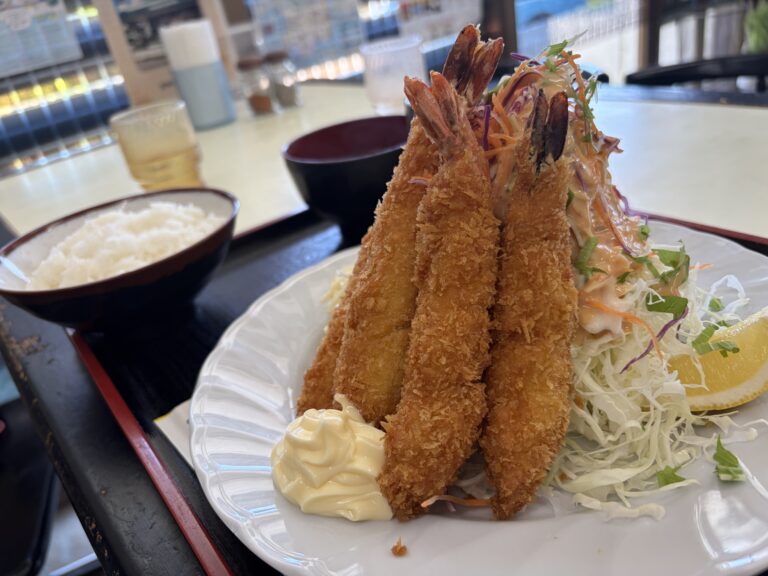
Shiraho Shokudō
About a 10-minute drive from Ishigaki Airport. Shiraho Shokudō has been a favourite with locals for many years. I finally managed to get in. The interior is exactly what you’d expect from a traditional neighbourhood eatery, but the menu offers a good variety, including Napolitan spaghetti and pork cutlet sandwiches. I ordered the deep-fried prawn set meal recommended by Mr Kobayashi, the birdwatching guide. The portion size was astonishing: four deep-fried prawns stood towering on the plate. It filled both my stomach and my heart, but it was a shame I was too full to have a shaved ice dessert.…
- Ishigaki Island
- restaurant
-
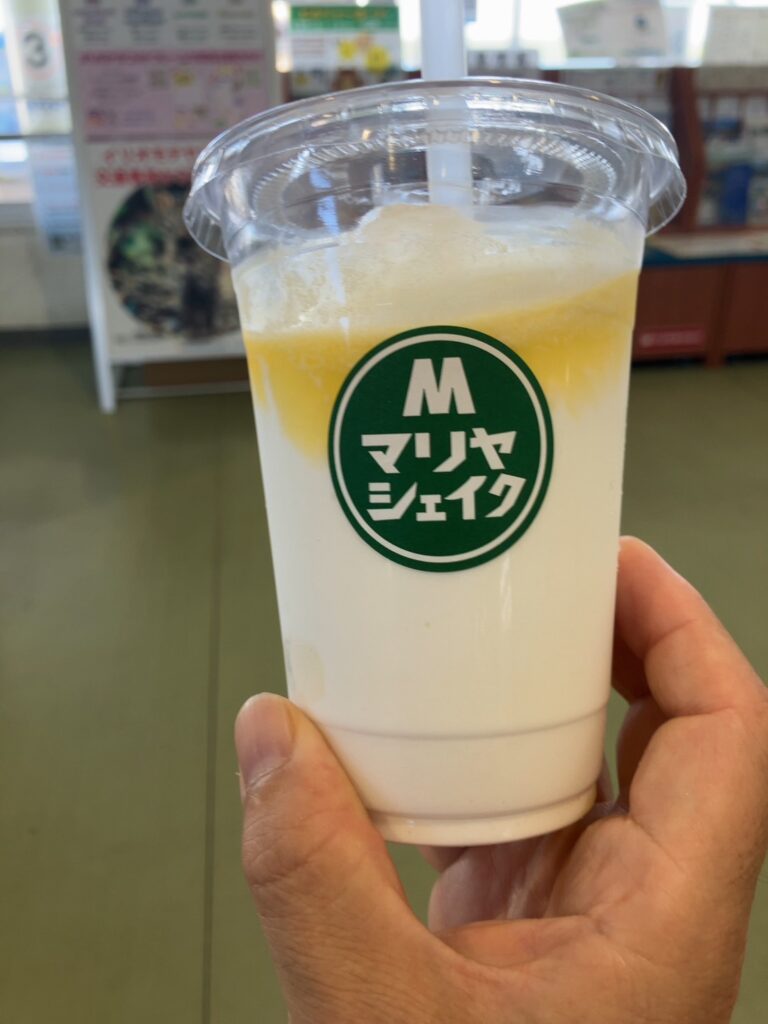
Mariya Shake
September on Ishigaki Island marks the peak of the migratory bird season. Whilst this coincides with typhoon season, bringing the risk of flight cancellations, it is a time that bird lovers simply cannot miss. Unlike a few years ago, foreign tourists can now be seen all over the place. Perhaps Ishigaki Island will eventually change in the same way as Miyako Island has. Whenever I visit Ishigaki Island, I always end up having a Mariya Shake. Produced by Mariya Dairy—which, alongside Yaeyama Genki Dairy, has long been a favourite among locals—this shake is made using fresh milk from the company’s…
- Ishigaki Island
- Japanese dessert
-
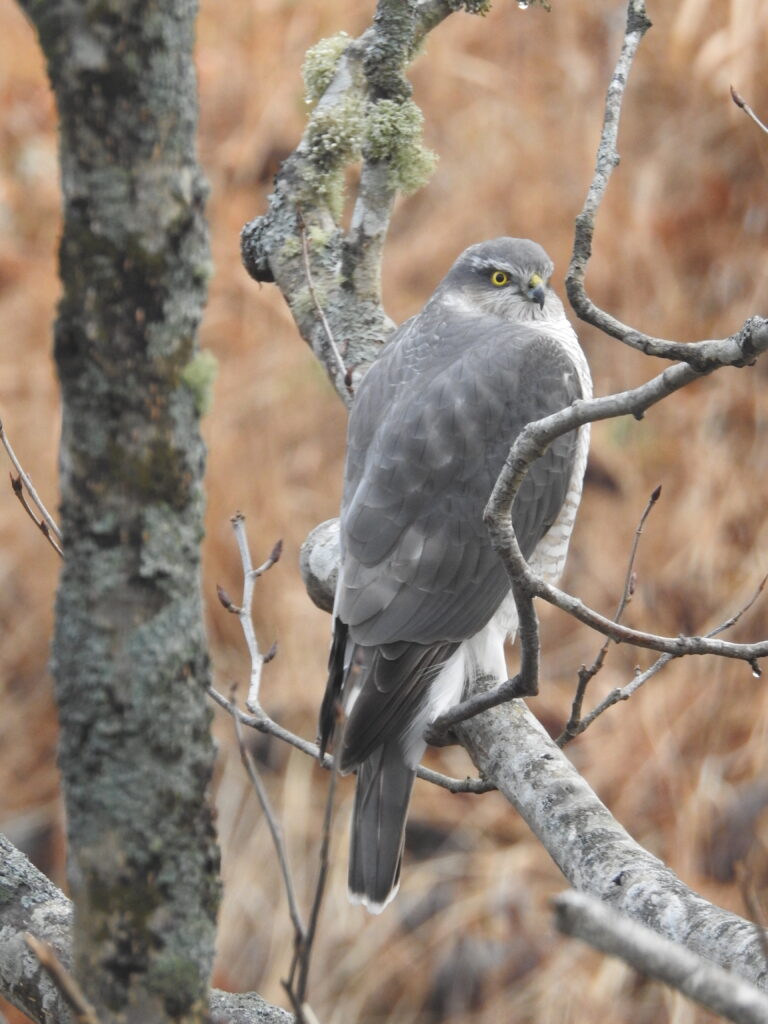
Wild birds are drawn to dirty places
The source of the Hantavirus infection is rodents in South America, and there have been reports suggesting that the Dutch couple who died may have contracted the virus whilst taking part in a birdwatching tour in Ushuaia, southern Argentina. One of the places visited on that tour was a rubbish dump. Some of you may be surprised to hear that they went to such a place, but for us bird enthusiasts, it is perfectly natural. Rubbish dumps are teeming with insects and rats, attracting large numbers of small birds and birds of prey that prey on them. One of the…
- Birds
- Column
-
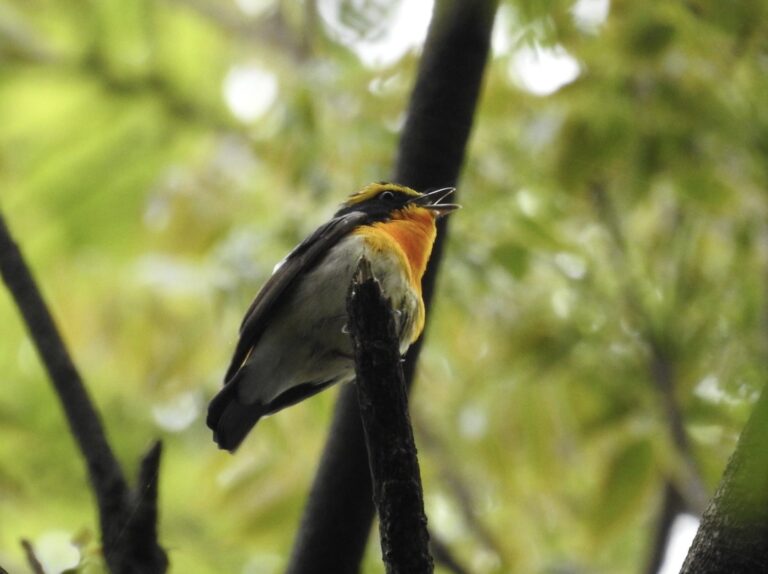
Narcissus flycatcher
At the Kyoto Imperial Palace, narcissus flycatcher can be heard singing here and there. Perhaps their migration has started a little early this year, as their song could be heard even in central Kyoto as early as the beginning of April. Although they only stop off at the Kyoto Imperial Palace during their migration, they can be observed there until mid-May. As they breed mainly in East Asia, including Japan, and winter in Southeast Asia, they are rarely seen in Europe and America, with only a few records from southern Alaska. The ‘narcissus’ in their English name, ‘narcissus flycatcher’, refers…
- Birds
- Kyoto
-
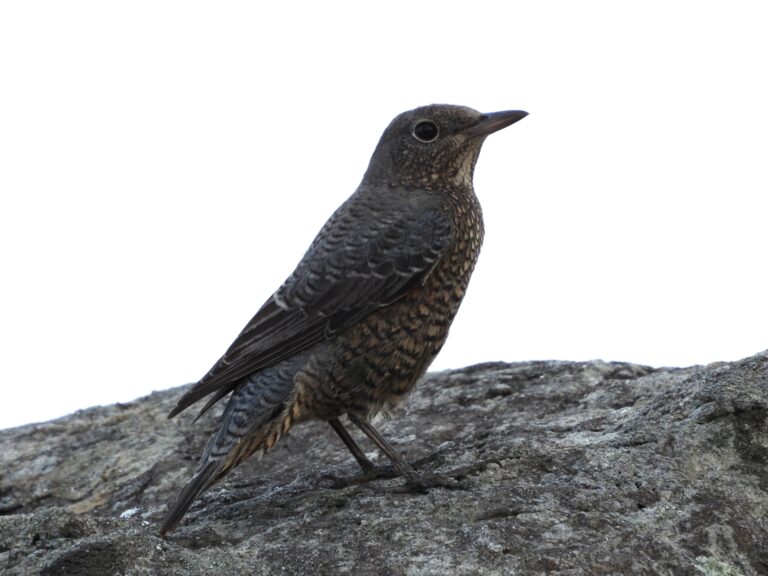
The Blue Rock Thrush heralding the arrival of spring
As the weather in Kyoto has begun to warm up, the complex melodies of the blue rock thrush—sounding something like ‘chee-chur-rur’—can now be heard at dawn and dusk. Although, as its name suggests, this bird naturally inhabits rocky shores, since the 2000s it has begun to breed in the urban areas of Kyoto City and has now become a common sight in the city. In Europe, they are commonly seen on rocky slopes and cliffs along the Mediterranean coast. Recently, however, they have made significant inroads into urban areas, reportedly nesting on high-rise buildings, construction sites and rooftops. That said,…
- Birds
- Kyoto
-
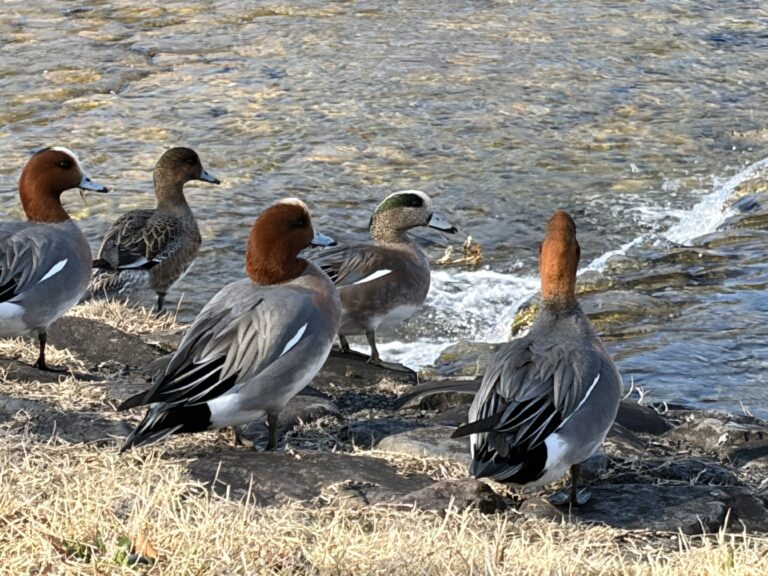
American Wigeon on the Kamo River
Having finished an early morning request for travel support, I was strolling along the Kamo River when I spotted a particularly striking cream-coloured head amidst the usual flock of Eurasian wigeons. It was an American Wigeon, which breeds in North America and winters in Mexico and northern South America. Japan lies outside its breeding range, so it was quite a rare bird when I was a child, but sightings have increased recently. Still, it remains unusual. Upon checking, I learned it has been wintering on the Kamogawa since last year. The beauty of the Kamogawa is that even rare birds…
- Birds
- Kyoto
-
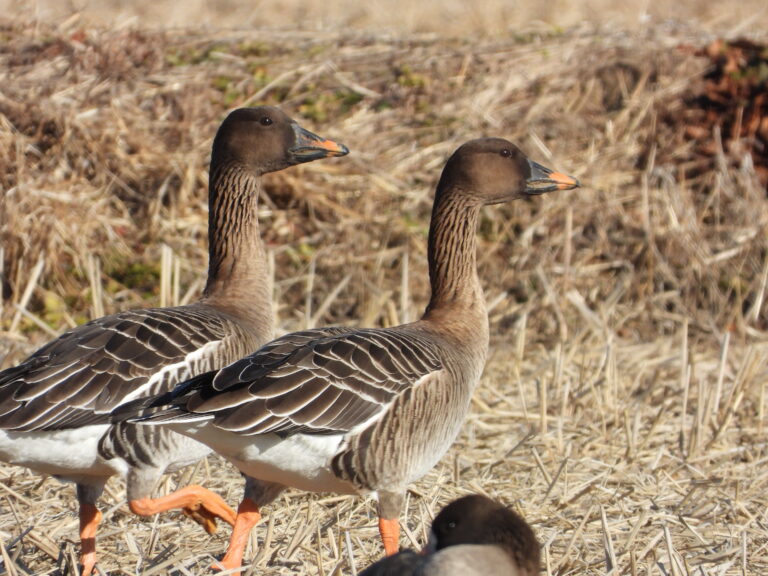
Taiga bean goose
The second most numerous goose to visit Japan after the Greater white-fronted goose. Both the subspecies Anser fabalis serrirostris and the larger subspecies Anser fabalis middendorffii overwinter in Japan, with the Anser fabalis middendorffii said to constitute 80% of the total. Both subspecies can be seen around Lake Izunuma. The individual in the photograph appears to be the subspecies Anser fabalis serrirostris, as it has a thicker, shorter bill and a shorter neck. Whilst not considered endangered globally, concerns exist in Japan regarding the adverse impact of development on its wintering grounds. Following its listing as an endangered species, a key…
- Birds
- Izunuma