

Blog
Blog Japanese dessert
-
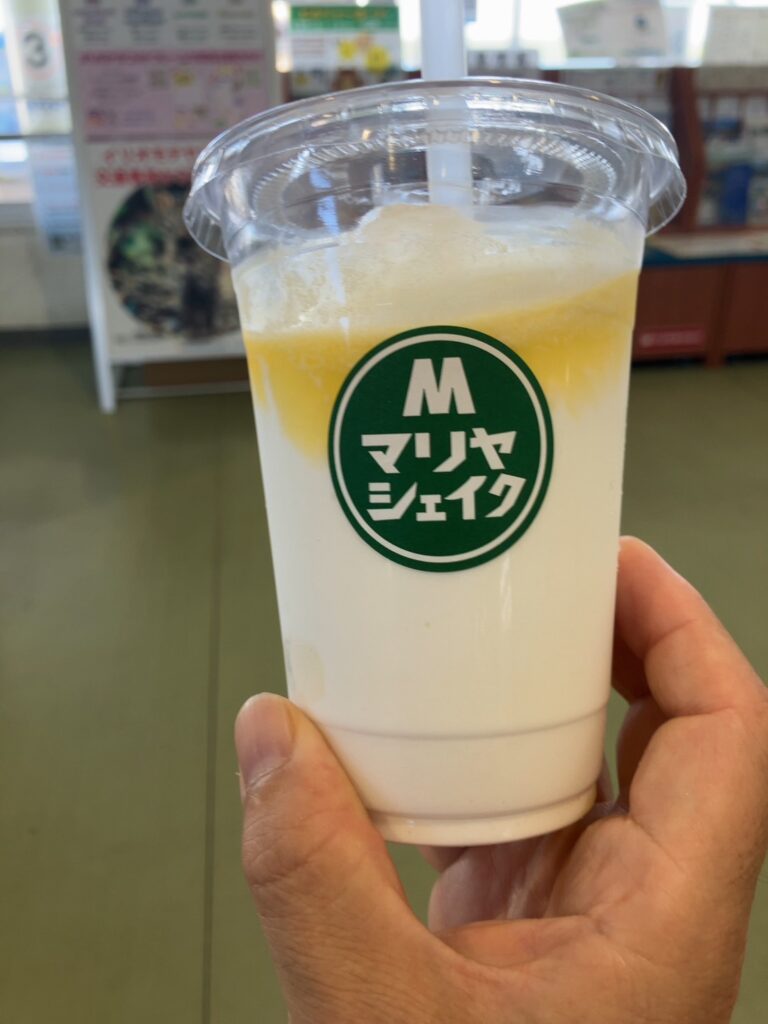
Mariya Shake
September on Ishigaki Island marks the peak of the migratory bird season. Whilst this coincides with typhoon season, bringing the risk of flight cancellations, it is a time that bird lovers simply cannot miss. Unlike a few years ago, foreign tourists can now be seen all over the place. Perhaps Ishigaki Island will eventually change in the same way as Miyako Island has. Whenever I visit Ishigaki Island, I always end up having a Mariya Shake. Produced by Mariya Dairy—which, alongside Yaeyama Genki Dairy, has long been a favourite among locals—this shake is made using fresh milk from the company’s…
- Ishigaki Island
- Japanese dessert
-
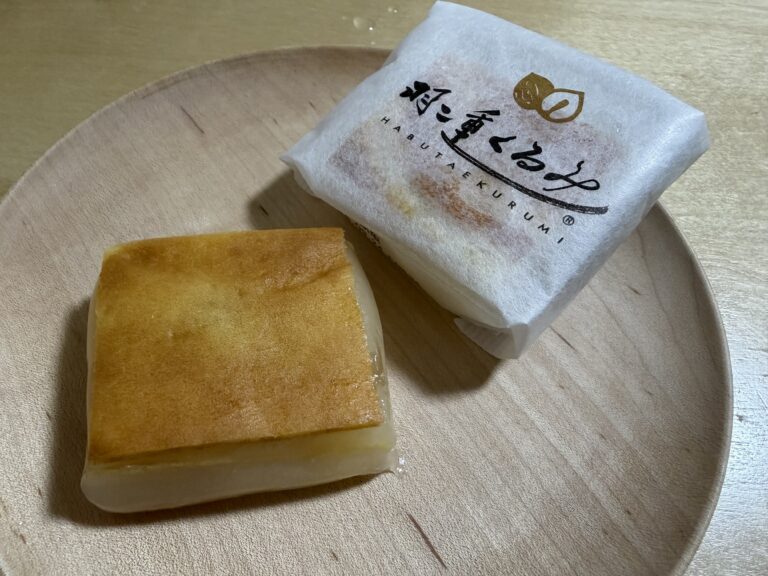
Habutae Kurumi
Habutae Mochi is one of Fukui’s most famous traditional sweets. Whilst it is a type of gyuhi—made from mochi flour mixed with sugar and starch syrup—Habutae Mochi is renowned for embodying the smooth texture of habutae silk, which is woven by interlacing warp and weft threads. It is said that Habutae Mochi was created in the early 20th century, when the production of Habutae silk flourished in Fukui. Whilst various traditional confectioners sell their own versions, the Habutae Kurumi from Kinkado Hayakawa has recently become particularly popular. This sweet features walnuts kneaded into the Habutae Mochi, which is then wrapped…
- Fukui
- Japanese dessert
-
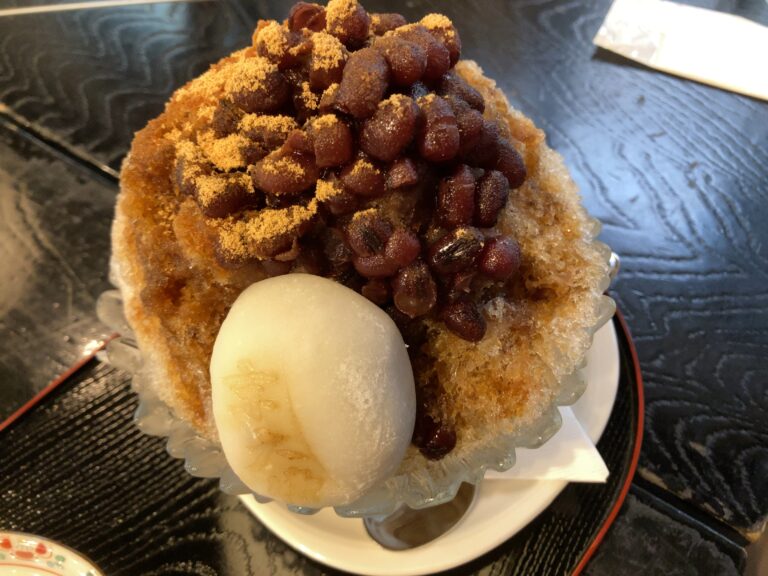
Kanshundō’s Daibutsu Mochi Shaved Ice
The Luośhàn Buddha of Kyoto was erected at Hōkō-ji Temple at the behest of Toyotomi Hideyoshi in the late 16th century, intended to surpass the Great Buddha of Tōdai-ji in grandeur. Although it was destroyed by repeated earthquakes and fires, ‘Daibutsu Mochi’ (Great Buddha rice cakes) were sold at its entrance. Kanshundō’s Daibutsu Mochi is a faithful reproduction of these rice cakes, made using the same traditional method as in those days. A distinctive feature is the ‘Kyō Daibutsu’ brand stamped onto each rice cake. The ‘Daibutsu Mochi Shaved Ice’—shaved ice topped with black sugar syrup, kinako (roasted soya bean flour)…
- Japanese dessert
- Kyoto
-
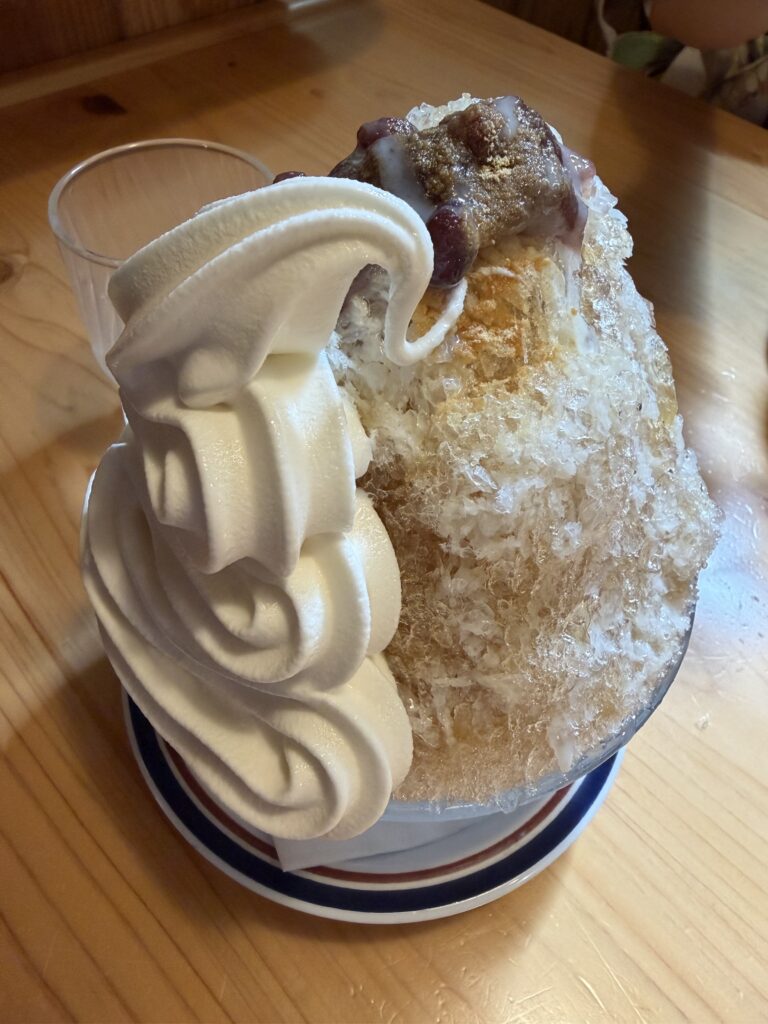
Komeda Coffee Shop’s Shaved Ice
Komeda Coffee Shop has now become a nationwide chain. It first opened in Kyoto in 2010. I used to pop down to the shop in front of Nijo Station quite often, as I could enjoy menu items I’d grown fond of back in my hometown of Gifu. Shaved ice is a summer staple at Komeda Coffee Shop. Whilst new menu items are announced every year, this year the ‘Kuro-mitsu Kinako Zenzai Ice’ is available as a limited-edition offering in the Western Japan region. This shaved ice combines the gentle sweetness of Hokkaido adzuki beans with a rich black sugar syrup…
- Japanese dessert
- Kyoto
-
Karafune-ya Coffee’s Shirokuma Shaved Ice
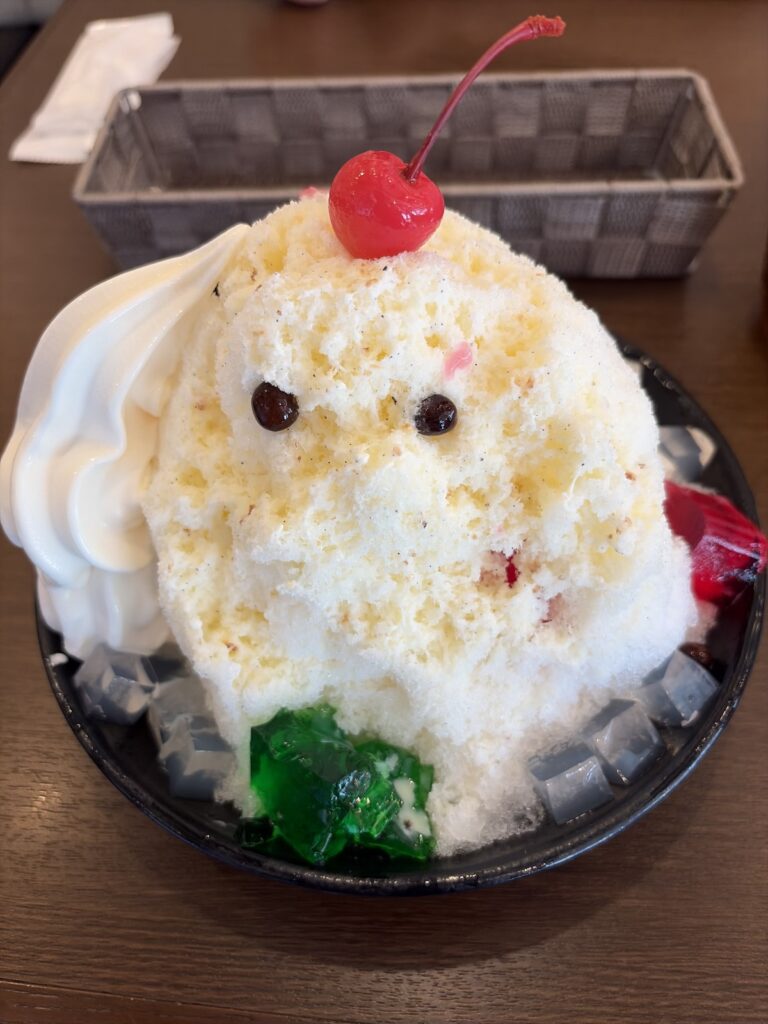
August is drawing to a close, yet the sweltering heat shows no sign of letting up. At times like this, when I eat shaved ice, I’m glad to be in Japan. With more and more shops taking pride in the quality of their ice and ingredients, shaved ice now costs around 2,000 yen. It’s gradually ceasing to be a casual treat, but at Karafune-ya Coffee, you can enjoy a generous portion for under 1,000 yen. This summer, they’ve introduced the ‘Shirokuma’ shaved ice. It’s a speciality from Kagoshima, featuring shaved ice generously drizzled with condensed milk and topped with fruit…
- Japanese dessert
- Kyoto
-
Ajari Mochi
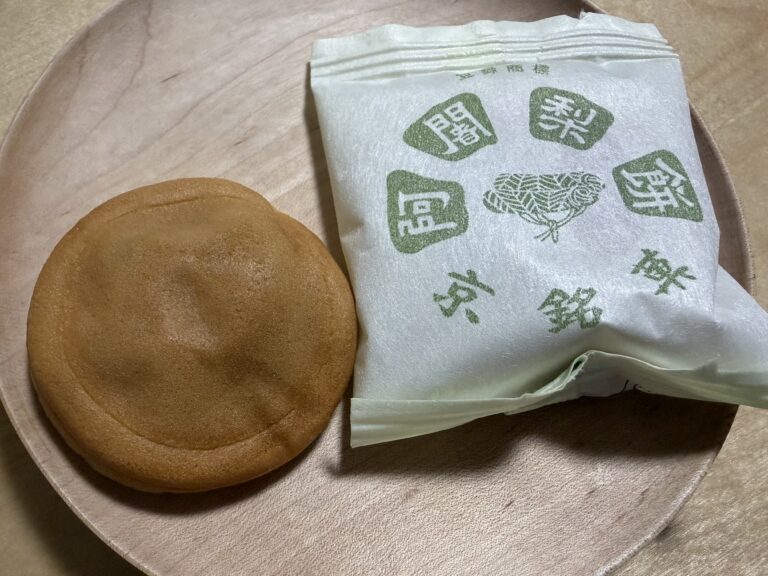
Ajari Mochi is not only a popular souvenir from Kyoto but also a much-loved sweet handed out during the Jizō Bon festival. It consists of Tamba Dainagon adzuki beans wrapped in mochi dough, offering a delightfully chewy texture. It is said that the second-generation proprietor of Mangetsu—a business founded in 1856—developed this sweet in 1922, hoping that people would be able to enjoy sweets made with sugar and eggs, which were expensive at the time, without hesitation. Today, it has become a gift that even the discerning people of Kyoto are delighted to receive. Although the best-before date is five…
- Japanese dessert
- Kyoto
-
Maple Leaf Tempura
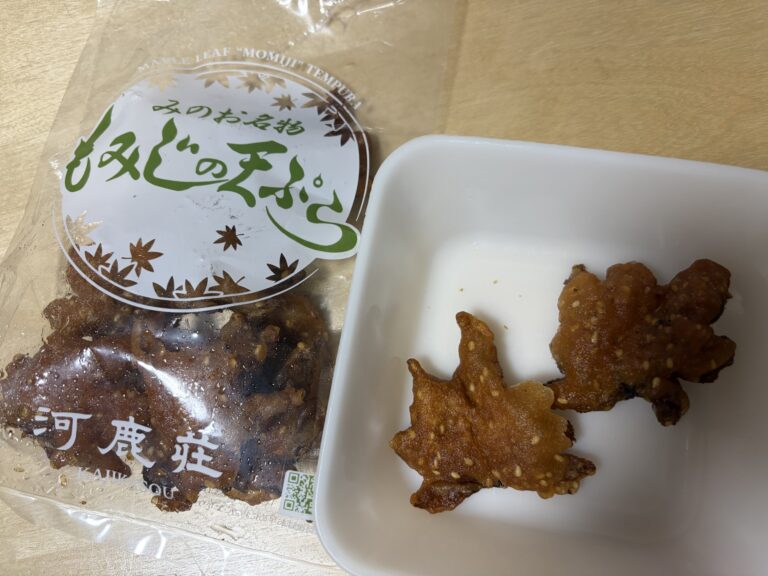
A speciality of Minoh, maple leaf tempura. It is said to have originated when En no Gyōja—the founder of Shugendō, who was active in the 7th and 8th centuries and about whom numerous legends remain—fried maple leaves in lamp oil and served them to visitors. It is made by salt-curing the edible ‘Ichigyō-ji maple’ leaves for a year to remove their astringency, coating them in a batter made from wheat flour mixed with sugar and white sesame seeds, and then deep-frying them in rapeseed oil. It has a subtle sweetness and a flavour reminiscent of karintō, a sweet and deep-fried…
- Japanese dessert
- Osaka
-
Wazuka Tea Café
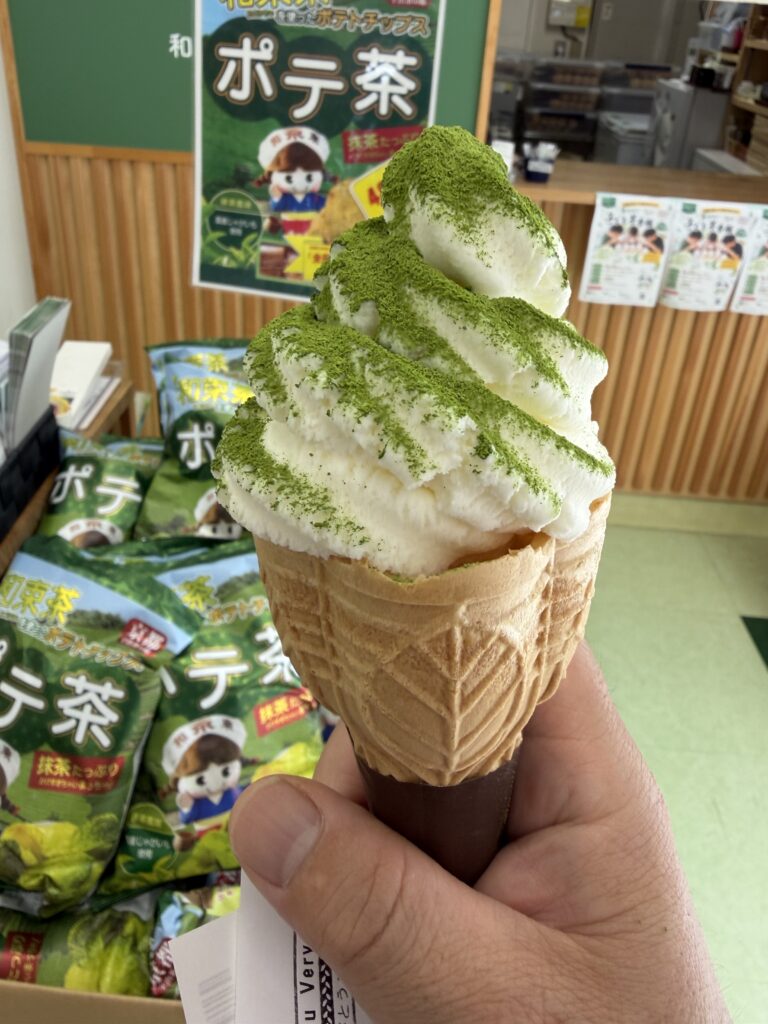
Half of the tea leaves produced in Kyoto come from Wazuka Town, which is said to have a history stretching back 800 years. The ‘Wazuka Tea Café’ is a direct sales outlet where you can purchase tea produced in Wazuka Town at great value. You can also sample the tea on request. My personal favourite here is the ‘Salted Milk Soft-serve’. The balance between sweetness and saltiness is exquisite. In the background of the photo is ‘Pote-cha’, Wazuka Town’s latest must-try treat. It consists of potato crisps sprinkled with matcha powder; you can try a sample, so do give it…
- Japanese dessert
- Kyoto
- Spot introduction
-
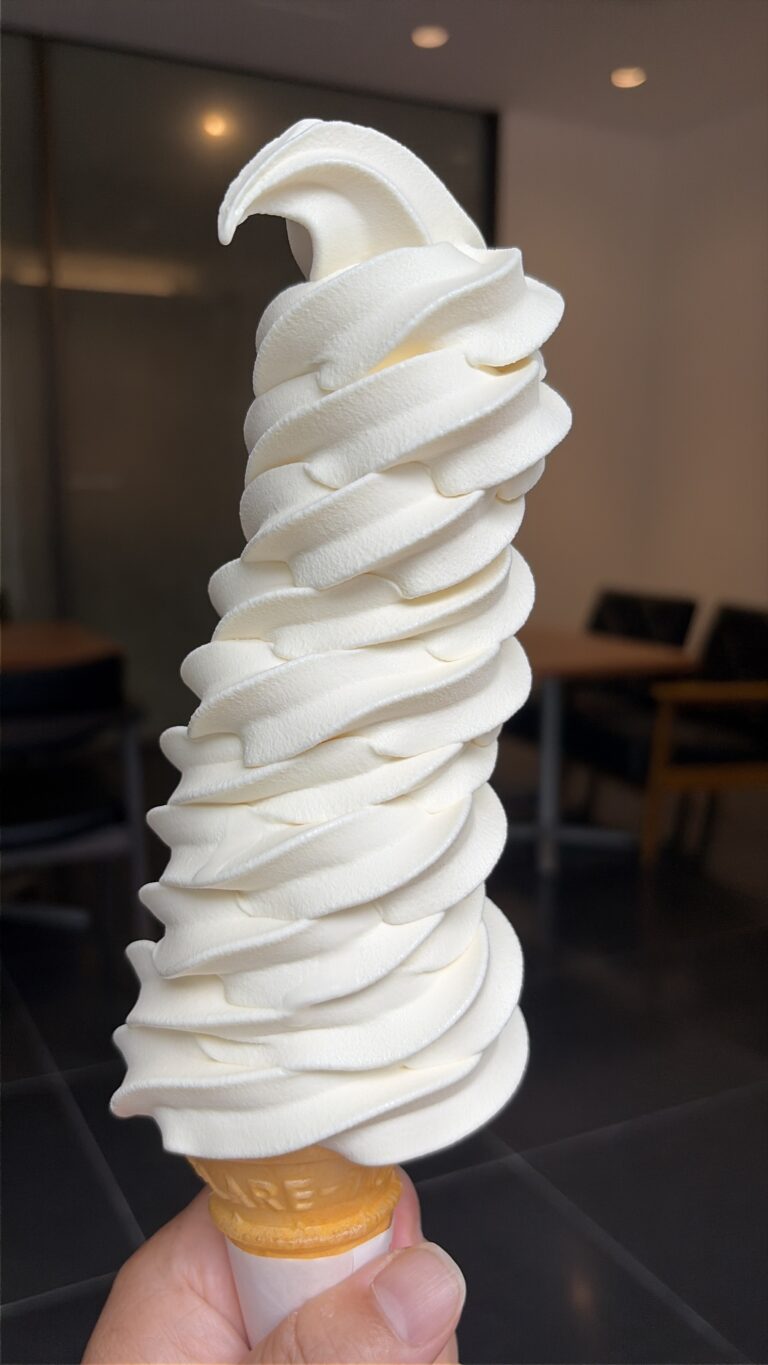
10-Tier Soft-Serve Ice Cream
You can visit the Takaoka Mikurumayama Kaikan just to use the café. The must-try here is the 10-tier soft-serve ice cream. It stands a full 30 cm tall, and if you don’t eat it quickly, your hands will end up sticky with melted ice cream. The price is a mere 300 yen. A standard-sized soft-serve costs 200 yen, but even that is about five tiers high—almost twice the size of those at other shops. A young boy eating a standard-sized soft-serve ice cream was staring at me with wide eyes, looking rather envious. You can also enjoy it at the…
- Japanese dessert
- Spot introduction
- Takaoka
-
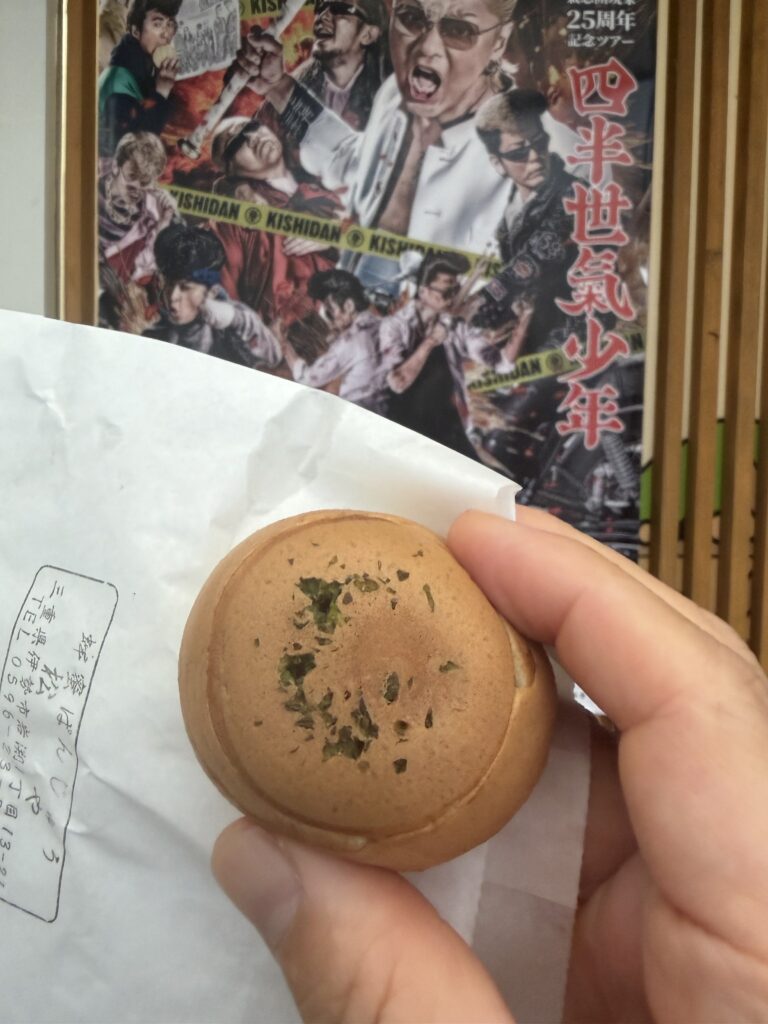
Panjū
‘Panjū’ is a sweet that, whilst well known in Ise, is not widely recognised across the rest of the country. It is made by pouring batter onto an iron griddle with indentations, similar to those used for takoyaki, filling the indentations with sweet bean paste, and then baking them. It is said that the name ‘Panjū’ comes from the fact that it is a manju baked like bread, or perhaps because it combines the words for ‘bread’ (pan in Japanese) and ‘manjū’. ‘Sōhonke Nanakoshi’, founded in 1901 and originally located in Jimbocho, Tokyo, is considered the birthplace of panjū. It…
- Japanese dessert
- Mie
- Spot introduction
-
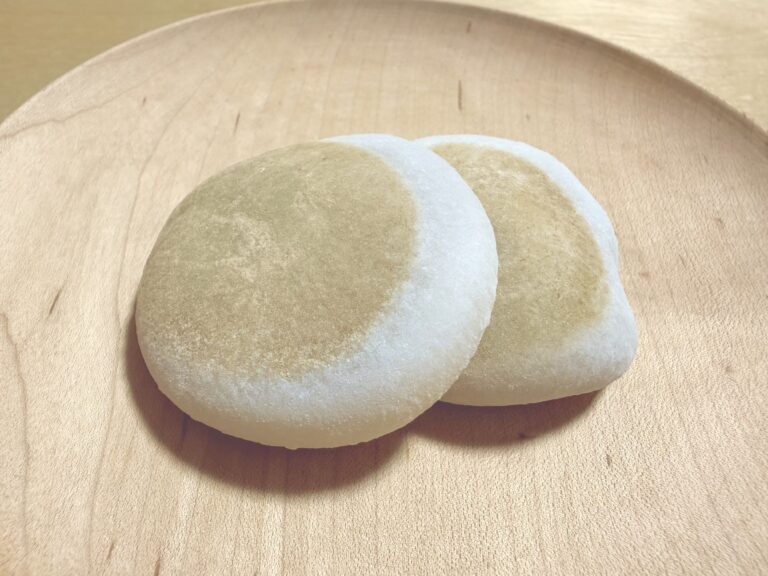
Taikō Shusse Mochi
Alongside Henba Mochi, Taikō Shusse Mochi is a popular sweet for pilgrims visiting Ise. Whilst it closely resembles Henba Mochi, Taikō Shusse Mochi is filled with coarse red bean paste and made from glutinous rice, giving it a firm texture. It has a wonderfully chewy texture and is personally my favourite type of mochi in Ise. The main shop is situated near the entrance to the Inner Shrine, with a bus stop right in front. As you can enjoy them fresh on the spot, I recommend popping in on your way back from your pilgrimage. The shop has a long…
- Japanese dessert
- Mie
- Spot introduction
-
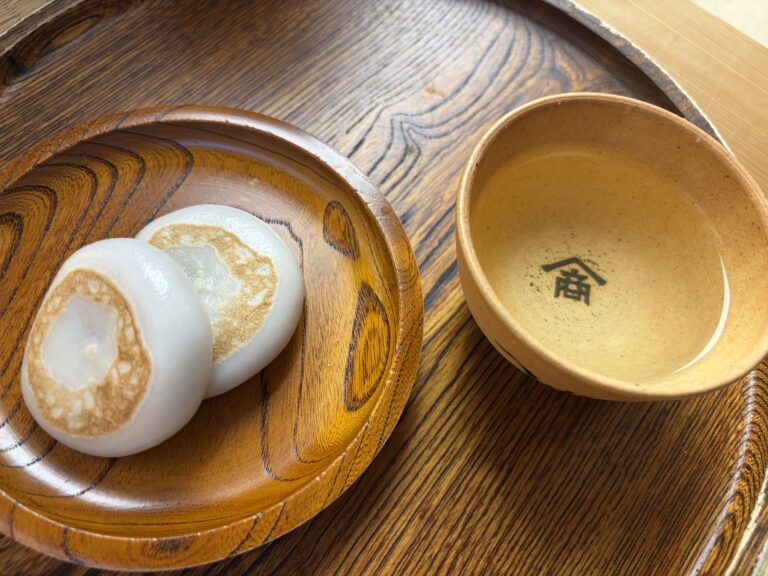
Henba Mochi
When visiting Ise, sweets are one of the highlights. Whilst Akafuku is by far the most popular, there are several other traditional sweets. One of these is ‘Henba Mochi’. The Miyagawa River marked the boundary of Ise Province. To cross it, travellers had to change to a boat and return their horses. It is said that the name derives from the fact that these rice cakes were eaten at this ‘Henba-sho’ (horse-returning station). It consists of mochi filled with smooth red bean paste and grilled on both sides; at the Oharaimachi branch, you can enjoy two pieces of mochi alongside…
- Japanese dessert
- Mie
- Spot introduction