

Blog
Blog Kyoto
-
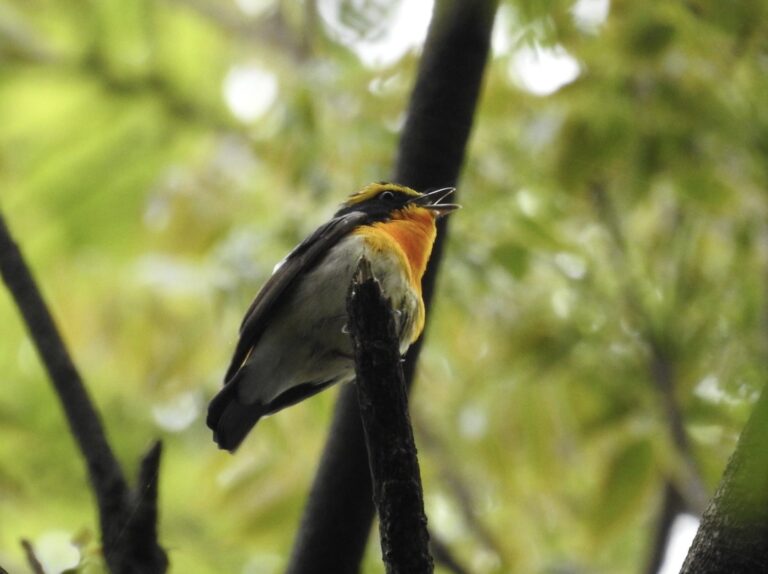
Narcissus flycatcher
At the Kyoto Imperial Palace, narcissus flycatcher can be heard singing here and there. Perhaps their migration has started a little early this year, as their song could be heard even in central Kyoto as early as the beginning of April. Although they only stop off at the Kyoto Imperial Palace during their migration, they can be observed there until mid-May. As they breed mainly in East Asia, including Japan, and winter in Southeast Asia, they are rarely seen in Europe and America, with only a few records from southern Alaska. The ‘narcissus’ in their English name, ‘narcissus flycatcher’, refers…
- Birds
- Kyoto
-
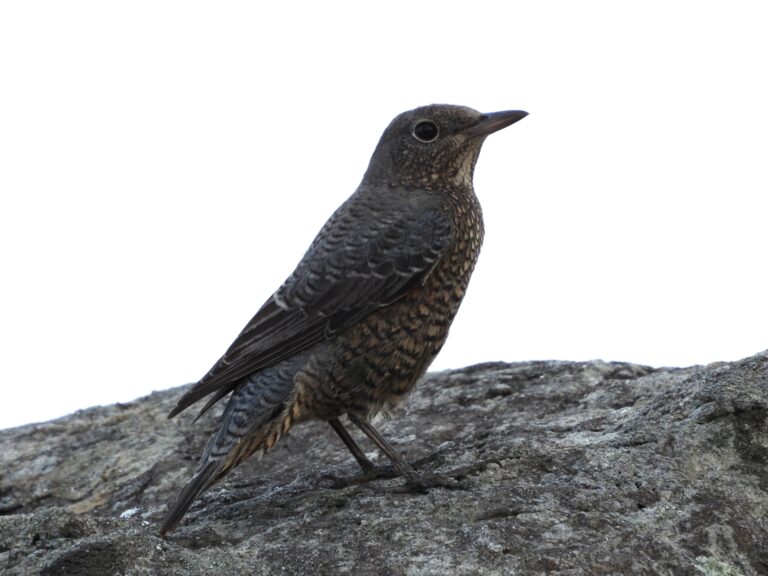
The Blue Rock Thrush heralding the arrival of spring
As the weather in Kyoto has begun to warm up, the complex melodies of the blue rock thrush—sounding something like ‘chee-chur-rur’—can now be heard at dawn and dusk. Although, as its name suggests, this bird naturally inhabits rocky shores, since the 2000s it has begun to breed in the urban areas of Kyoto City and has now become a common sight in the city. In Europe, they are commonly seen on rocky slopes and cliffs along the Mediterranean coast. Recently, however, they have made significant inroads into urban areas, reportedly nesting on high-rise buildings, construction sites and rooftops. That said,…
- Birds
- Kyoto
-
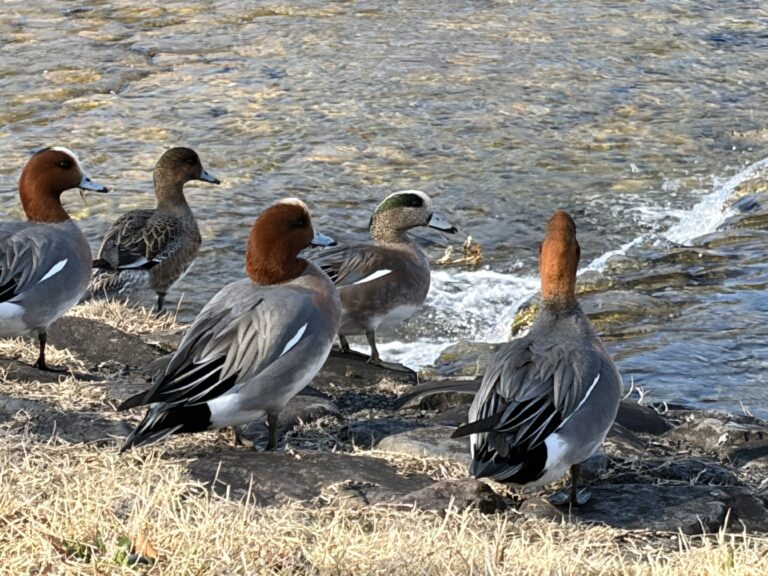
American Wigeon on the Kamo River
Having finished an early morning request for travel support, I was strolling along the Kamo River when I spotted a particularly striking cream-coloured head amidst the usual flock of Eurasian wigeons. It was an American Wigeon, which breeds in North America and winters in Mexico and northern South America. Japan lies outside its breeding range, so it was quite a rare bird when I was a child, but sightings have increased recently. Still, it remains unusual. Upon checking, I learned it has been wintering on the Kamogawa since last year. The beauty of the Kamogawa is that even rare birds…
- Birds
- Kyoto
-
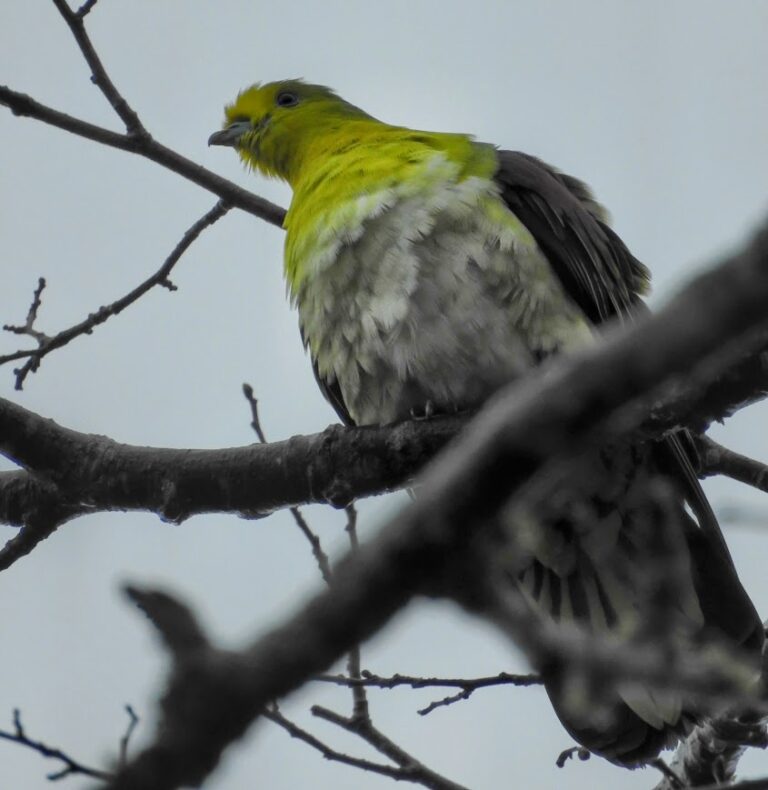
White-bellied green pigeon in the Kyoto Imperial Palace
Winter, along with spring, is the time when the Kyoto Imperial Palace is at its busiest with small birds. In particular, white-bellied green pigeon is the symbol of the Palace in winter. After raising their young in northern Japan and the mountains, they spend the winter in Kyoto City at the Imperial Palace and the Botanical Gardens. The bird is often found in trees and is difficult to spot, but you will notice its presence because of its oohs and aahs, a very eerie call. Different from such a voice, the bird, as its name suggests, has a beautiful olive colour…
- Birds
- Kyoto
-
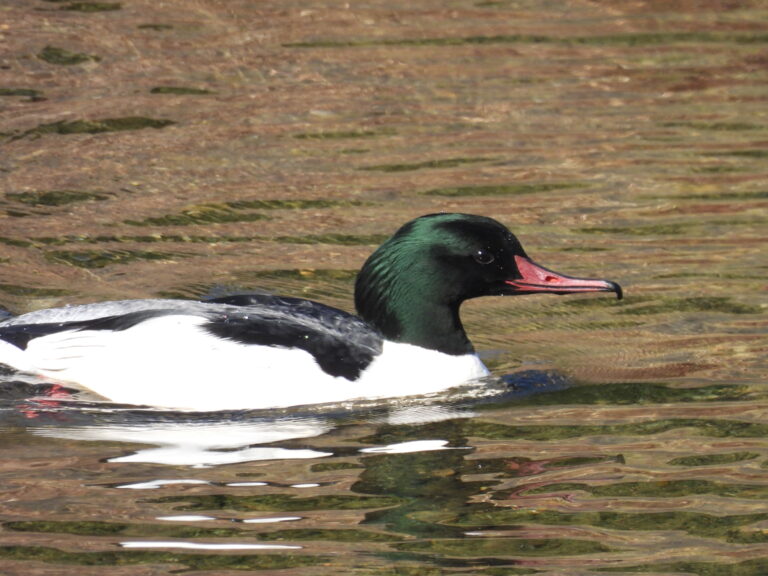
Goosander on the Kamogawa river
In January, the Kamogawa River is teeming with ducks. The most remarkable of these is the Goosander. These ducks are slimmer than common ducks such as mallards and teal, making them look one size bigger. The Goosander is called kawaaisa ‘川秋沙’ in Japanese and uses the autumn kanji ‘秋’. It flies to the Kamogawa River between October and November and returns north in early spring, although some individuals may remain until June. In the past, they were found mainly in large rivers, particularly those with strong currents, and were so few in number that they were included on Kyoto Prefecture's list of near-threatened…
- Birds
- Kyoto