

Blog
Blog Food
-
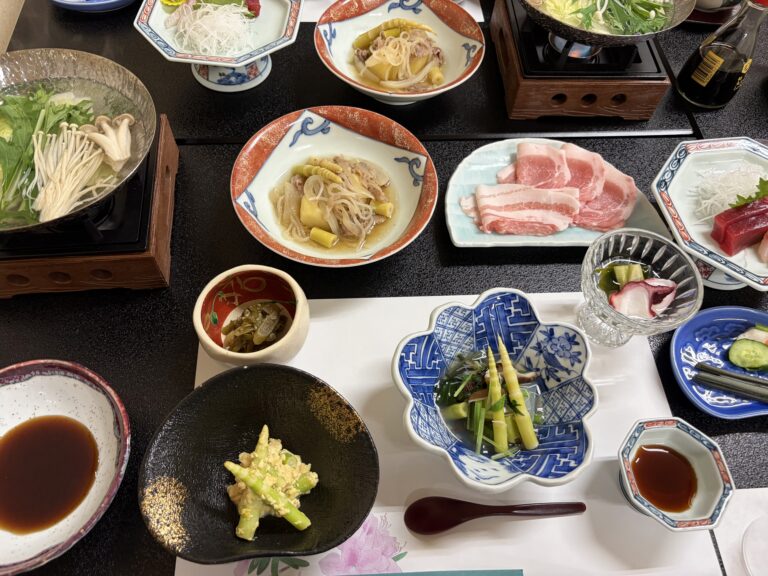
Nemagari Bamboo
In the Tohoku region and Shinshu, the term ‘bamboo shoots’ generally refers not to the commonly eaten Moso bamboo shoots, but to Kuril dwarf bamboo, commonly known as nemagari bamboo. It grows not in bamboo groves but in thickets of sasa (bamboo grass), and is currently in season from late May to mid-June. Whilst the tough parts need to be trimmed away, unlike Moso bamboo, there is no need to remove the bitterness, making it a mountain vegetable with a pleasant crunch. The downside is that nemagari bamboo is a favourite food of Asian black bears, so you are likely…
- Food
- Spot introduction
- Yamagata
-
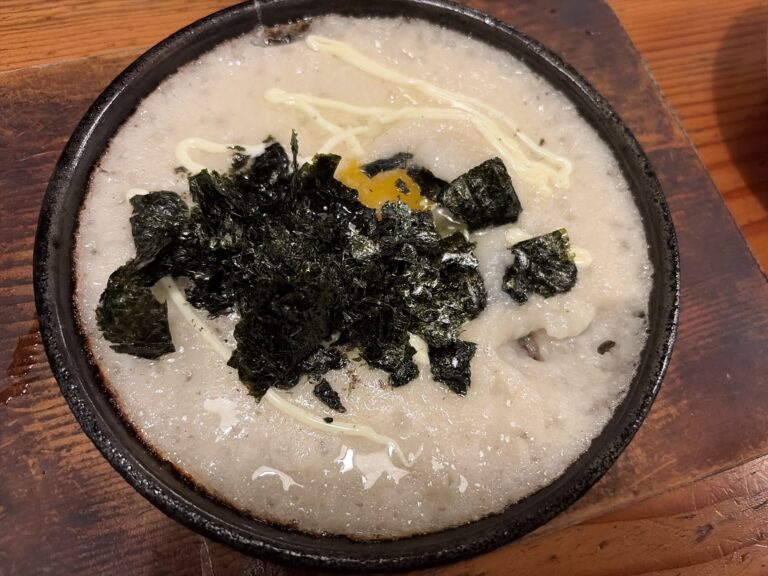
TORIKIZOKU
Japanese izakaya chain is a must-visit whenever we’re on a group tour with over 20 people. As it can accommodate large groups, we use it for both lunch and dinner, but naturally, eating at the same chain day after day does start to get a bit monotonous. Even at times like that, Torikizoku’s ‘Toriki Bansankai’ set menu is a real lifesaver. It offers two hours of all-you-can-drink and all-you-can-eat, and as orders are placed via tablet, even our international guests can enjoy ordering with ease. One item on the all-you-can-eat menu that often prompts the question ‘What on earth is…
- Food
-
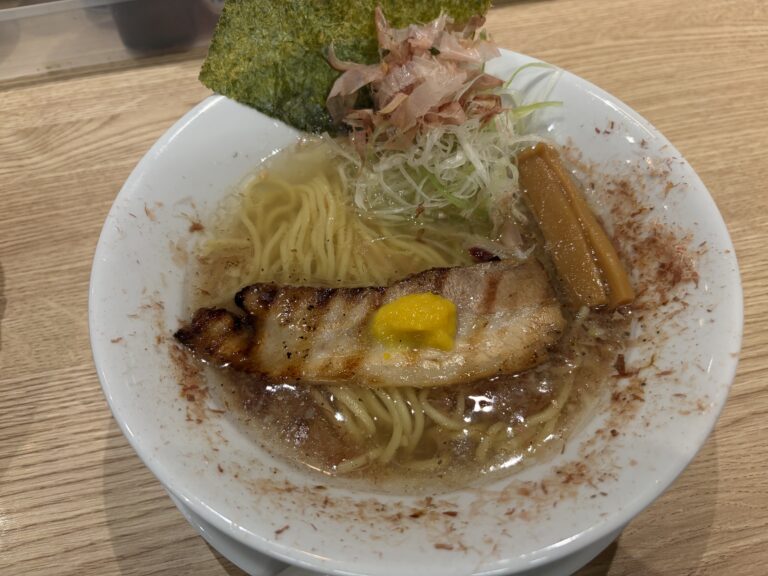
Yuzu Shio Ramen
I always crave ramen when I’m on a business trip to the regions. Few dishes divide opinion quite like ramen, yet it is also a dish that reflects the flavours deeply rooted in each local area. Located close to Kanazawa Station, Yuzuki is a real lifesaver when time is short. Inside the shop, cardboard boxes of yuzu from Tokushima and Ehime are stacked high, giving a real sense of their dedication to yuzu. The Yuzu Shio Ramen, made with a chicken and seafood-based broth enhanced with natural salt and yuzu, is refreshingly light—a bowl of ramen that doesn’t leave you…
- Food
- Hokuriku
- Spot introduction
-
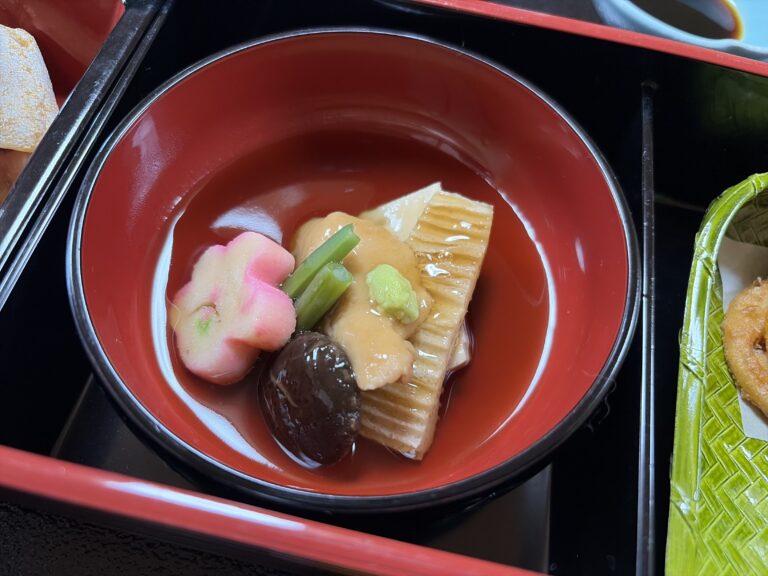
Jibuni
When it comes to Kanazawa’s signature local dish, Jibuni is the answer. It consists of duck or chicken, seasonal vegetables and sudare-fu (a type of wheat gluten noodle) simmered in a dashi broth and served with wasabi. As the meat is generously coated in wheat flour or potato starch, the dish develops a thick, creamy consistency, allowing it to be enjoyed whilst still piping hot. Whilst duck is the standard choice today, it seems that in the past, people would catch thrushes—a winter bird in Japan—grind them up with the bones still in, and shape the mixture into balls, much…
- Food
- Hokuriku
- Spot introduction
-
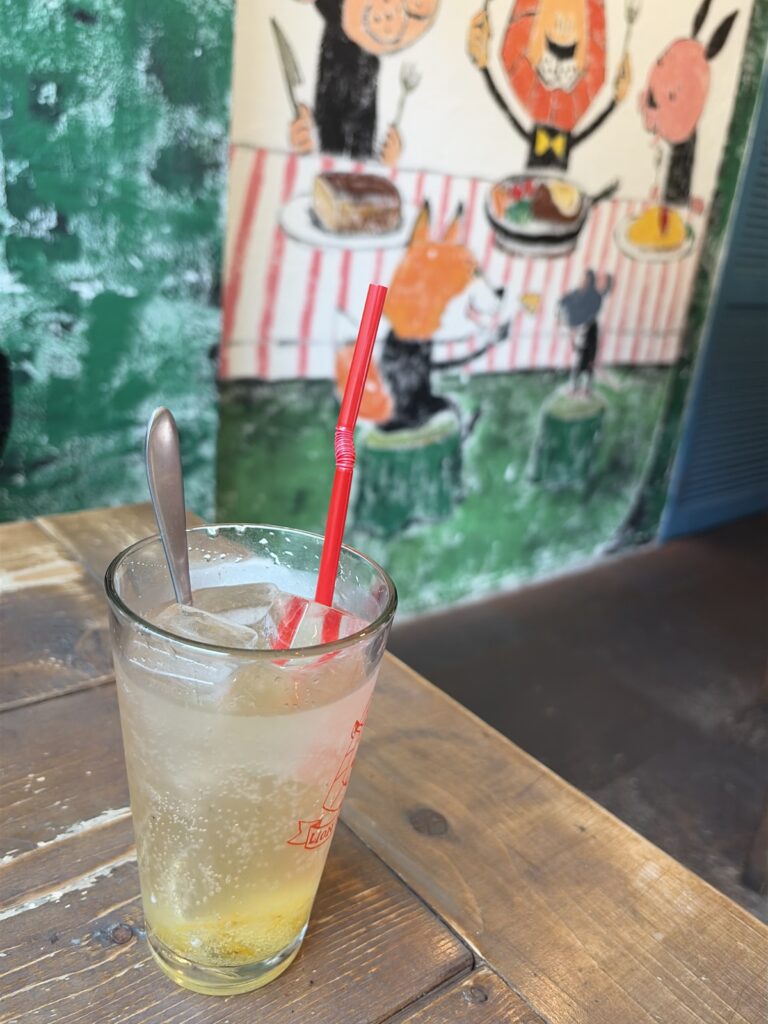
Lion Kitchen
The Demachi Masugata Shopping Arcade is a place we always visit when showing guests around our guesthouse. Lion Kitchen is located at the west entrance. Originally based in Osaka, they moved here five years ago. It’s a Western-style restaurant where the hamburg steak is a popular dish, but I also recommend popping in for a coffee. My personal favourite is the yuzu ginger ale. Yuzu is a typical Japanese citrus fruit, characterised by its tart flavour and pleasant aroma. It contains little juice, and the peel is mainly used to add fragrance to Japanese cuisine. The murals of animals, painted…
- Food
- Kyoto
- Spot introduction
-
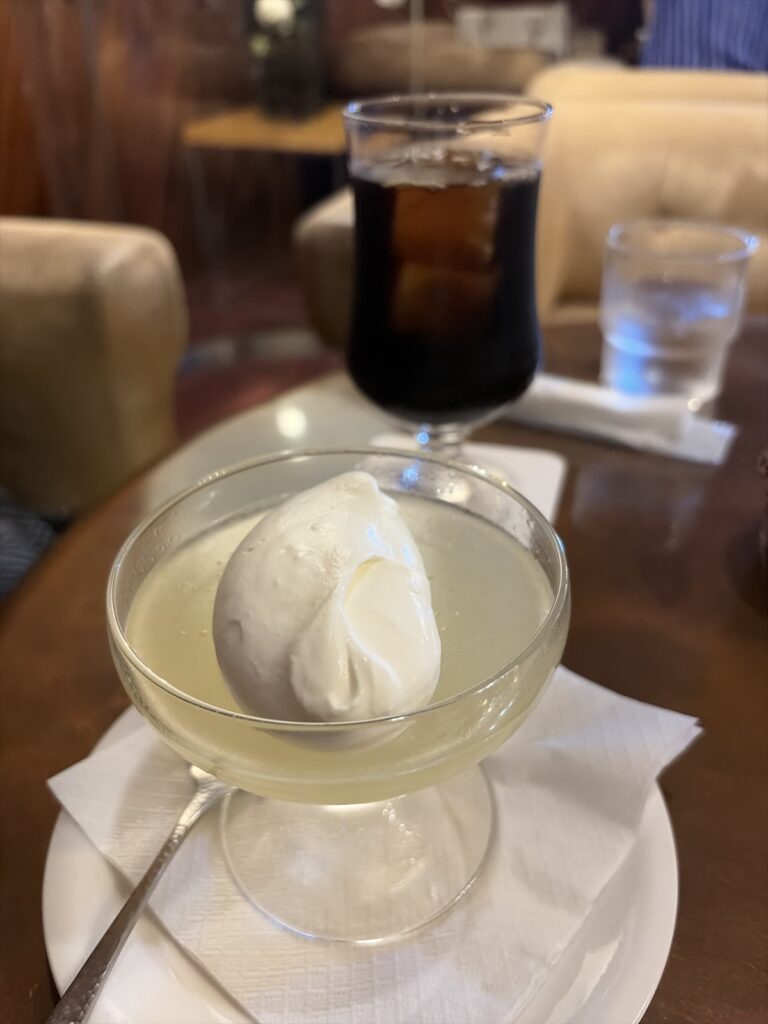
Gion-ishi Tea Room
Gion is a popular destination for guided tours. Although most of the alleys in Gion Kobu have been closed to visitors due to the poor behaviour of some tourists, the area remains bustling day and night. While cafés are all full, Gion Ishi Café offers a place to enjoy a leisurely cup of tea away from the hustle and bustle. Located on the second floor of a jewellery shop called Gion Ishi, it is a true hidden gem, as you must pass through the shop’s showroom to reach the café. The interior, designed to resemble a ship’s cabin, is well…
- Food
- Kyoto
- Spot introduction
-
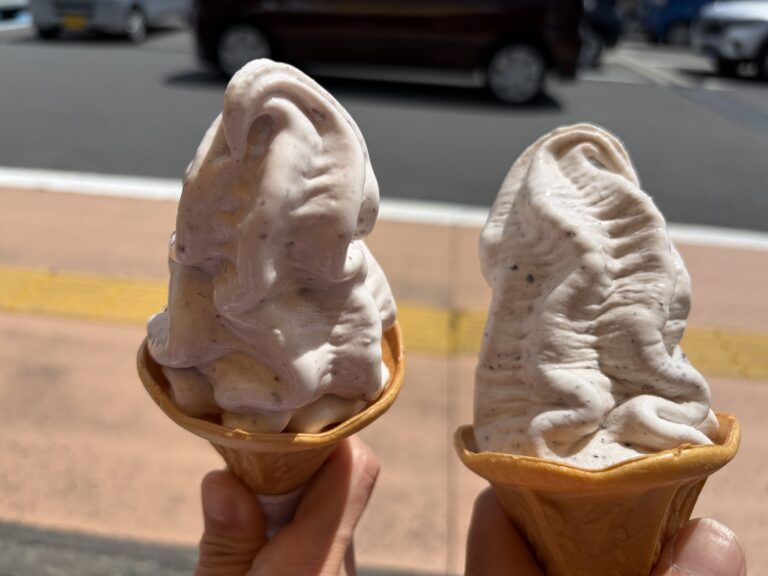
Michi no eki (Roadside Station) Woody Keihoku
When visiting the Miyama Thatched-Roof Village, a stop at Michi no eki Woody Keihoku is an absolute must. As it is about an hour’s drive from Kyoto, it is the perfect place to take a break. Michi no eki is a government-designated roadside station found along roads and highways in Japan. Like other Michi no eki, the premises are lined with locally grown seasonal vegetables, which are so popular that they often sell out before midday. You can also try Keihoku’s speciality: natto mochi, where salty natto is wrapped in mochi and coated in kinako. However, my personal recommendation is the local soft-serve ice cream.…
- Food
- Kyoto
- Spot introduction
-
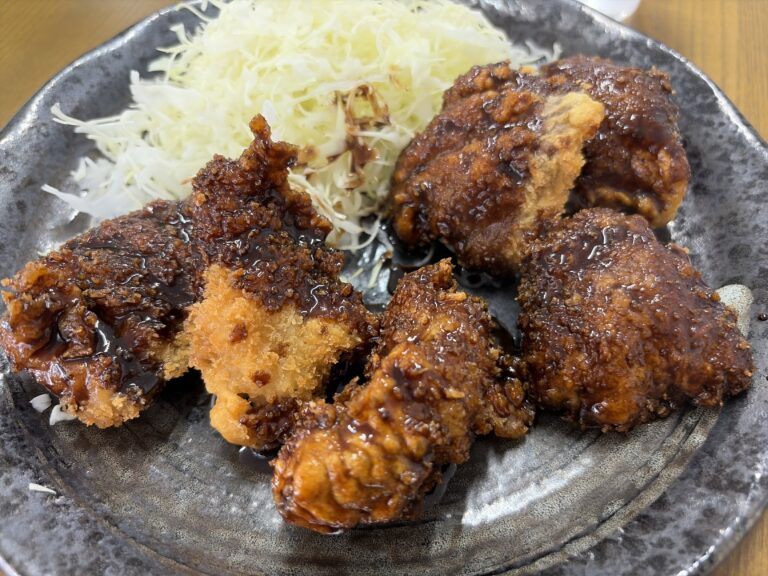
Tripe and Liver Tempura
What has struck me most since arriving in Kyoto is the tempura made from tripe (the first stomach of the cow) , called ‘mino’ in Japanese, and liver. Although it is called ‘tempura’, it is clearly a deep-fried dish coated in breadcrumbs. In the past, you could find this tripe and liver tempura almost everywhere, particularly in the Tanaka district, near our guesthouse. Today, it can only be found in a few restaurants in the Sōjin district, near Kyoto Station. One of these is ‘Satake’. Perhaps because it has moved to new premises and the place has become cleaner and…
- Food
- Kyoto
- Spot introduction
-
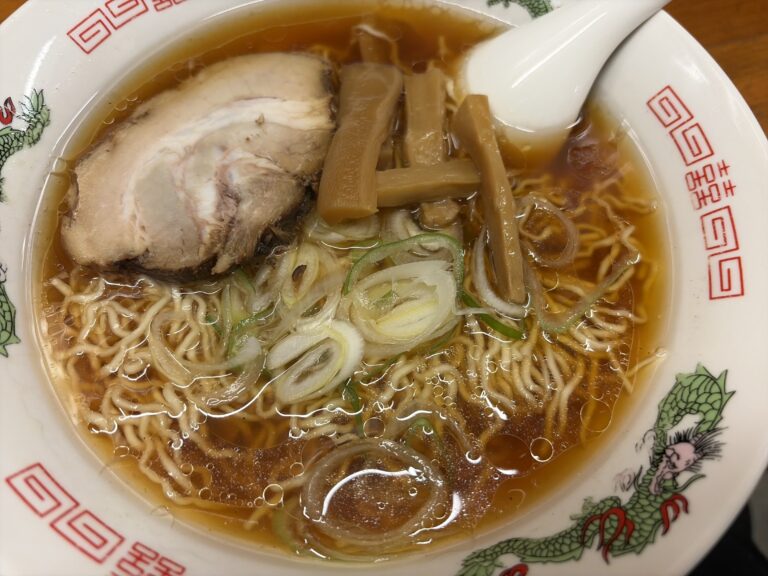
Takayama ramen
In Gifu City, where I’m from, there’s a Chinese ramen shop called Kotengu, which I often visited to round off a night out. This ‘Chinese ramen’ is what is now known as Takayama ramen. Whilst the name ‘Takayama ramen’ is now well established, it used to be called ‘Chinese ramen’. Because the soy sauce base and broth are simmered together in a large pot, the colour is quite dark, but the flavour is light and refreshing, and it goes very well with the thin, curly noodles. Nowadays, Takayama Ramen is as popular as Hida beef. I visited Ramen Fukuchan. It’s…
- Food
- Spot introduction
- Takayama
-
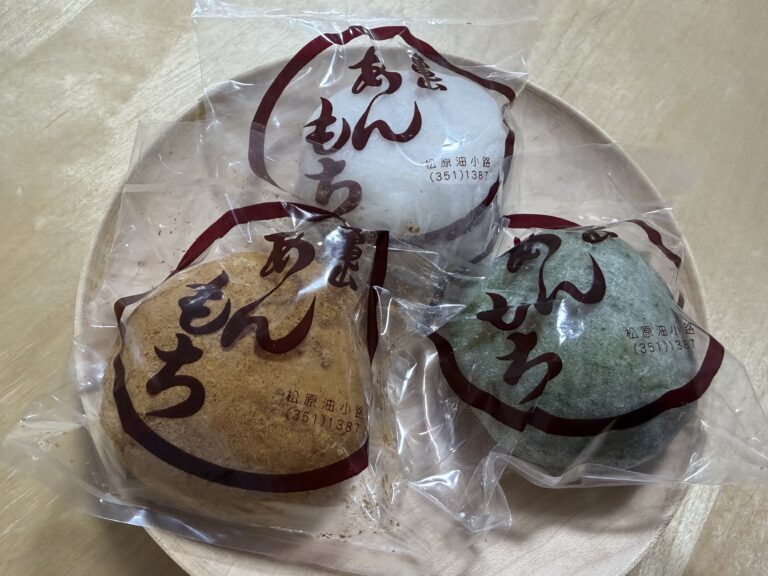
Kameyama: A Traditional Confectionery Shop
In Kyoto, there are small traditional confectionery shops known as ‘oman-ya-san’, which are beloved by locals as places to buy everyday sweets. Kameyama is situated on Gojo Street—where it is said the tragic warlords Yoshitsune and Benkei met in the 12th century—and is now located within the Matsubara Kyogoku Shopping Arcade. It is a shop recommended by Rakucho Nakaoka-ya, the makers of the ‘ojami’ zabuton cushions used at our guesthouse. It is said to have been in business for over 200 years. Their anmochi, filled with sweet red bean paste, has a gentle sweetness. It is a shop we highly…
- Food
- Kyoto
- Spot introduction
-
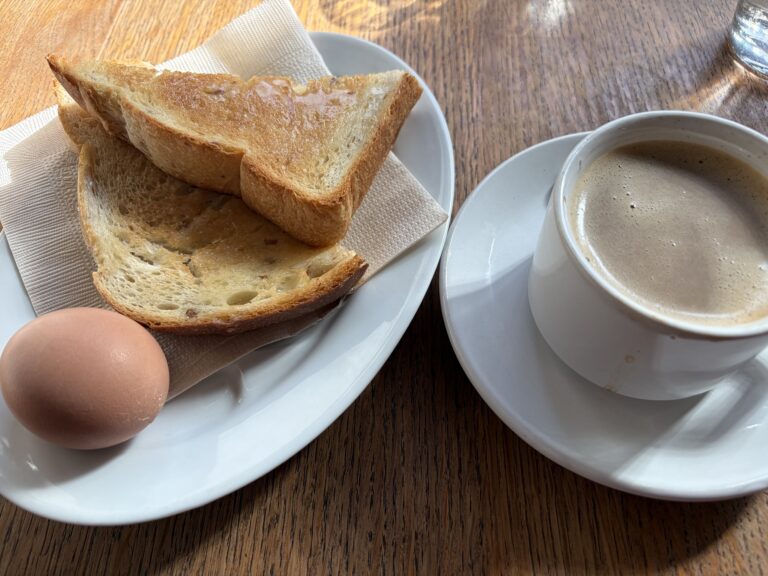
Japanese morning set service
My home prefecture of Gifu is the Mecca of the ‘morning set’ culture. A ‘morning set’ is a service available only in the mornings where, when you order a coffee, you receive not only toast but also a salad and a boiled egg at no extra charge or for a very small fee. The Tokai region has a thriving textile industry, and as the noise from the looms was so loud, business meetings used to be held in coffee shops. It is said that this tradition began when a certain coffee shop started serving boiled eggs and peanuts to its…
- Food
- Kyoto
- Spot introduction
-
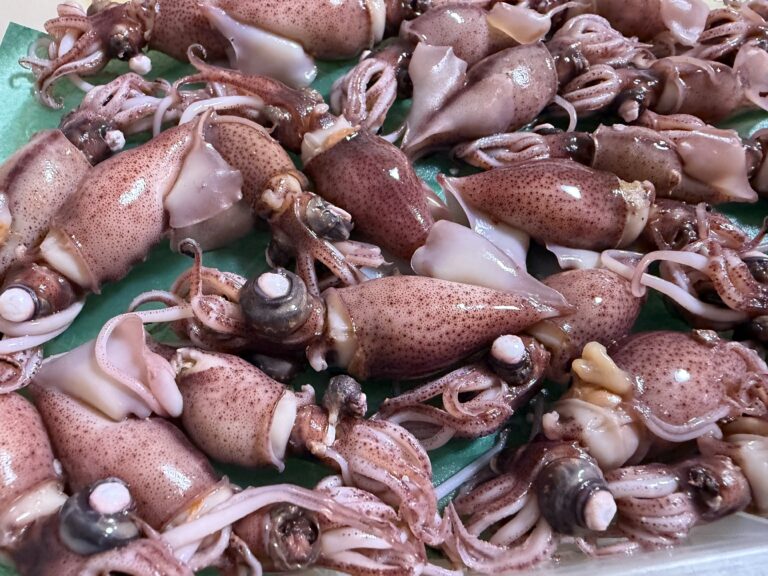
Firefly squid
The season for firefly squid has arrived. March to May is the peak season for firefly squid each year. Although catches were low at the start of the fishing season on 1st March, a bumper harvest is anticipated this year. One hundred years ago, a researcher studying fireflies named this beautifully luminous squid 'firefly squid' after observing it in Toyama Bay. Its scientific name, Watasenia scintillans, is derived from his name. In Kyoto, firefly squid from Tajima, centred around Hamasaka Fishing Port, are popular. As they are pre-boiled, they can be eaten as is, but firefly squid and rapeseed flowers…
- Food