

Blog
Blog Spot introduction
-
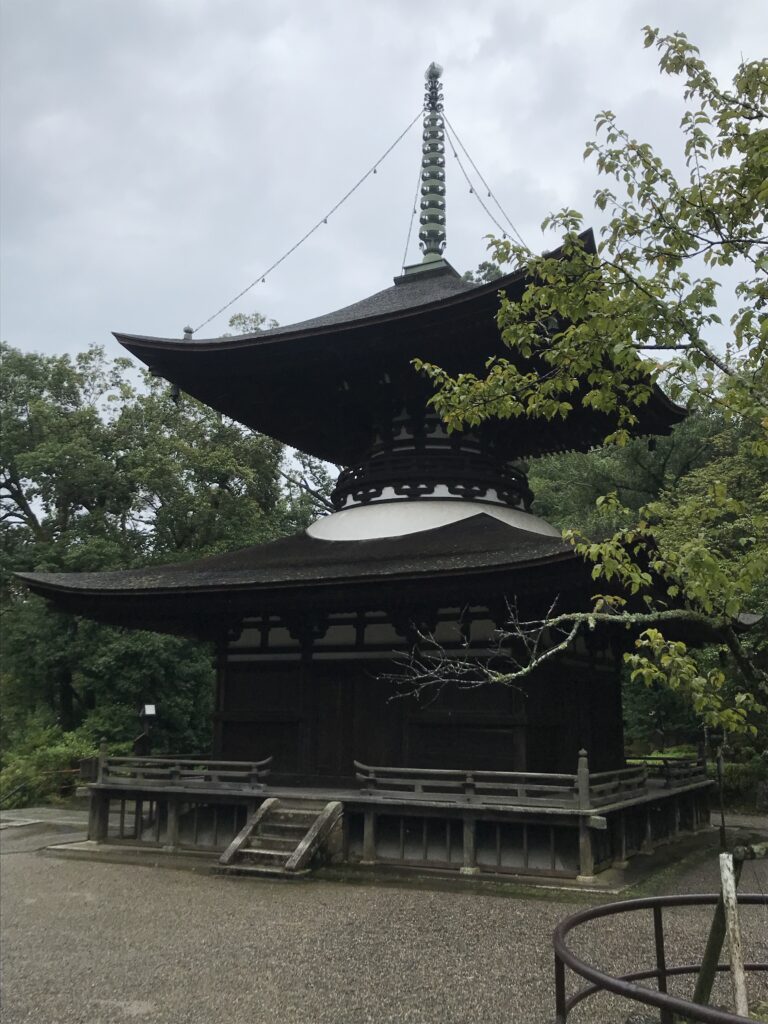
Ishiyama-dera Temple’s Tahō-tō Pagoda
The *Lotus Sutra* is one of the most important scriptures of Mahayana Buddhism. It is said that whilst Shakyamuni Buddha was expounding the *Lotus Sutra*, a gigantic pagoda adorned with the Seven Treasures sprang up from the earth and floated in the air. The Tahō-tō pagoda derives its origin from this legend, and the Tahō-tō at Ishiyama-dera Temple, erected in 1194, is considered to be the oldest of its kind in Japan. The pagoda stands 17 metres tall, with a square base and a circular second storey, featuring a roof thatched with cypress bark and a bronze finial. Its exquisite…
- Shiga
- Spot introduction
-
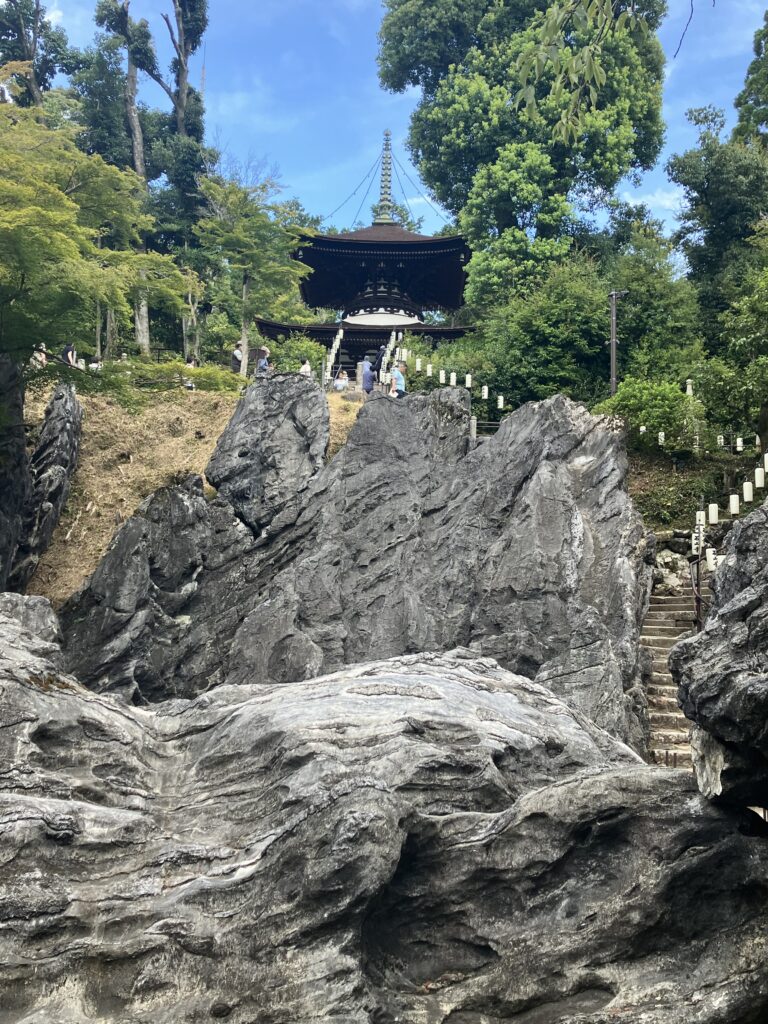
Wollastonite of Ishiyama-ji Temple
Ishiyama-ji Temple is said to have derived its name from the fact that it was built upon a bedrock of massive, bizarre rock formations. Founded in 747 by imperial decree of Emperor Shōmu, who commissioned the Great Buddha of Nara, the temple’s proximity to Kyoto led to the ‘Ishiyama pilgrimage’ becoming immensely popular amongst the aristocracy during the Heian period. One such visitor, Murasaki Shikibu, is said to have found the inspiration for *The Tale of Genji* here and begun writing it; the site was bustling with fans during the broadcast of the 2024 NHK Taiga drama *Dear Radiance*. The…
- Shiga
- Spot introduction
-
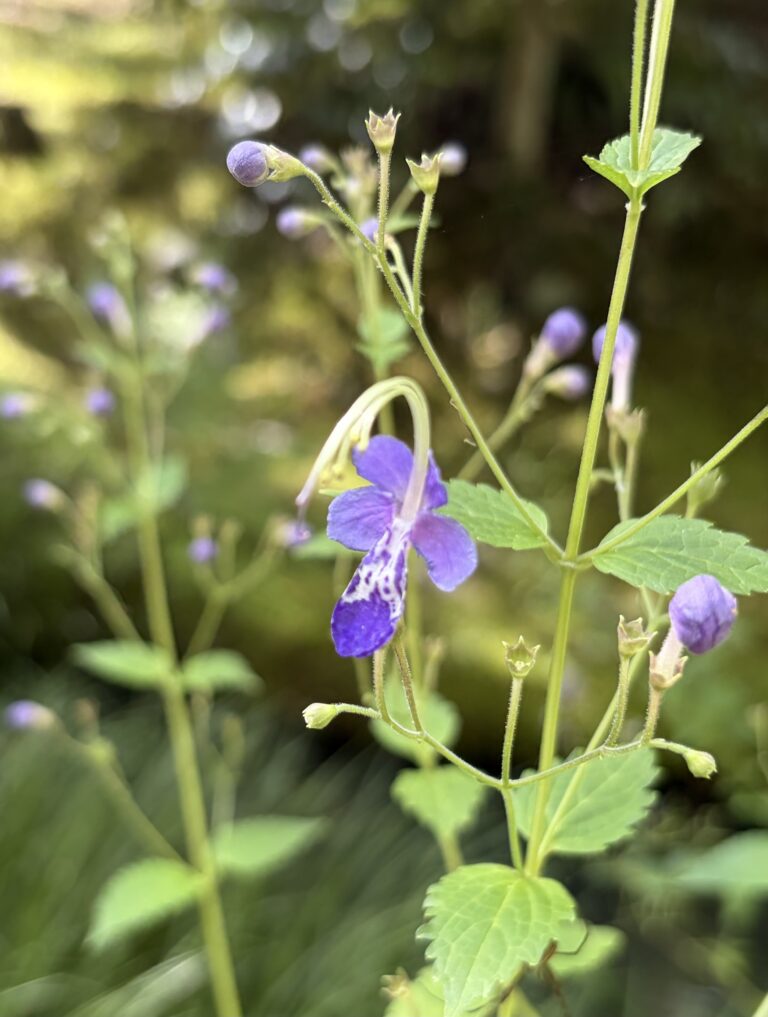
Tripora divaricata, ‘Karigane-sou’
In Japan, there are many plants named after wild birds. *Tripora divaricata, Karigane-sou in Japanese* is one such plant. The *karigane (lesser white-fronted goose)* is a type of goose that migrates to Japan in autumn, characterised by a golden ring around its eyes. In the past, geese in genera were referred to as *karigane*. Whilst there are various theories, the one suggesting that the shape of the flower resembles a goose in flight seems the most convincing. It flowers from summer through to autumn, but as they do not flower much during periods of extreme heat, now that it has…
- Flower
- Kyoto
-
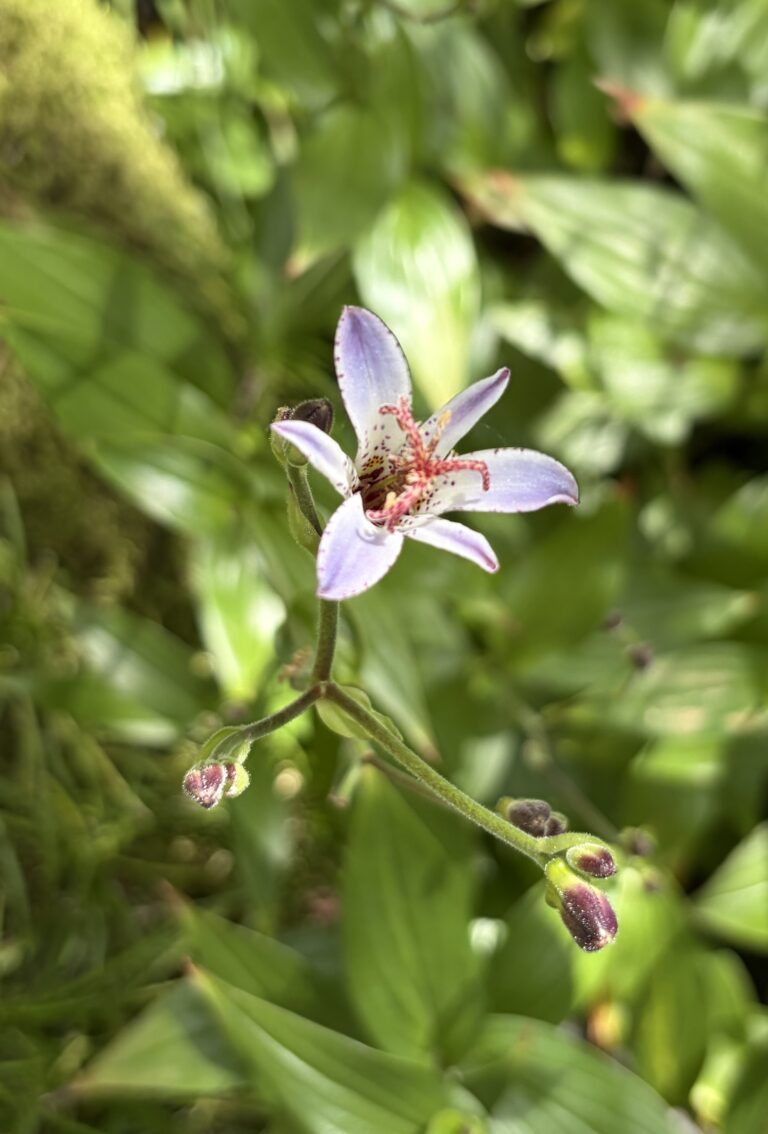
Tricyrtis formosana, ‘Taiwan-Hototogisu’
The autumn flowers at Tenryū-ji are now at their best. Whilst the Sōgen-chi Garden, with its beautiful borrowed scenery, and the ‘Cloud Dragon’ painting in the Dharma Hall are, of course, highlights, this is also a place where one can fully enjoy the flowers of each season. The Tricyrtis formosana (Taiwan-Hototogisu in Japanese) has begun to bloom by the water’s edge. As its Japanese name suggests, it grows wild in great numbers in Taiwan; however, in Japan it is an endangered species found only on Iriomote Island and in very small parts of the main island of Okinawa, with a population…
- Flower
- Kyoto
-
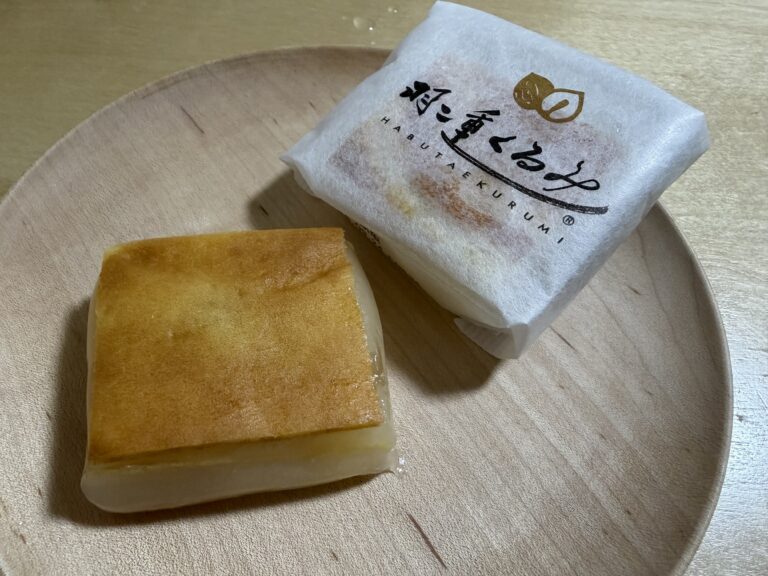
Habutae Kurumi
Habutae Mochi is one of Fukui’s most famous traditional sweets. Whilst it is a type of gyuhi—made from mochi flour mixed with sugar and starch syrup—Habutae Mochi is renowned for embodying the smooth texture of habutae silk, which is woven by interlacing warp and weft threads. It is said that Habutae Mochi was created in the early 20th century, when the production of Habutae silk flourished in Fukui. Whilst various traditional confectioners sell their own versions, the Habutae Kurumi from Kinkado Hayakawa has recently become particularly popular. This sweet features walnuts kneaded into the Habutae Mochi, which is then wrapped…
- Fukui
- Japanese dessert
-
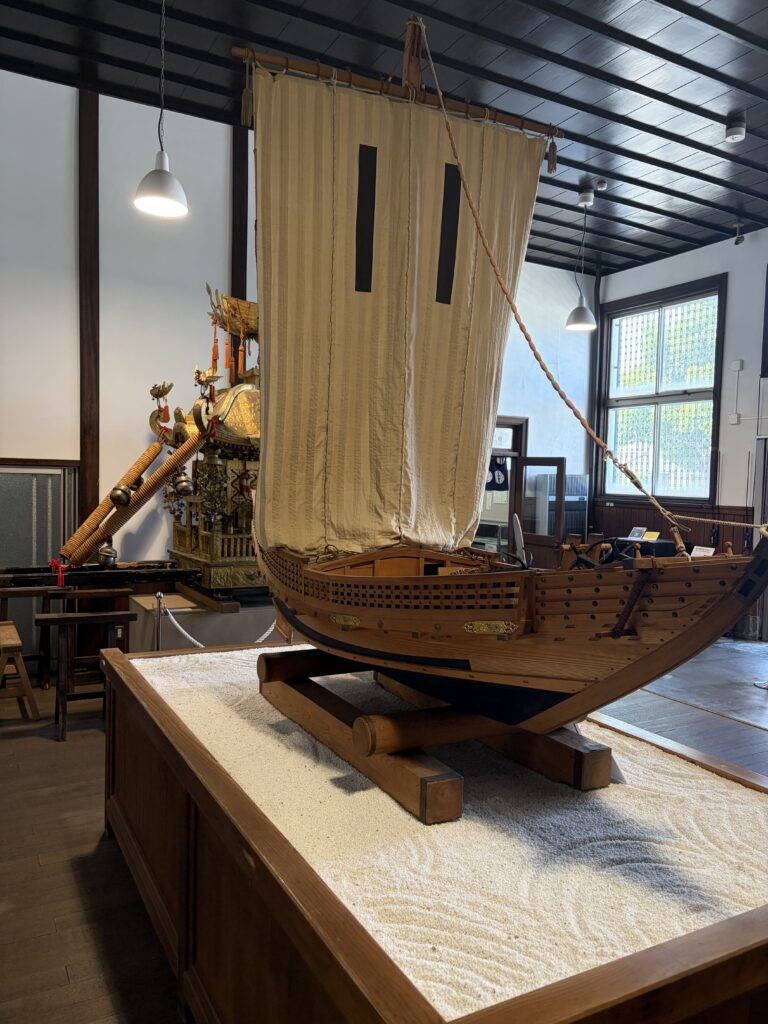
Kitamae-bune
From the mid-18th century through to the Meiji era, the Kitamae-bune sailed from Hokkaido to Osaka via the Sea of Japan, bringing wealth and culture to various regions. These vessels did more than simply transport goods; shipowners would purchase goods cheaply at ports of call and sell them at a profit in ports where prices were higher, thereby amassing vast fortunes. Owada Shōshichi, who founded the Owada Bank, was one such shipowner. Had it not been for the Kitamae-bune, Kyoto cuisine—based on dashi made from Hokkaido kelp—might never have become established. Furthermore, safflower from Yamagata was transported as a dye,…
- Fukui
- Spot introduction
-
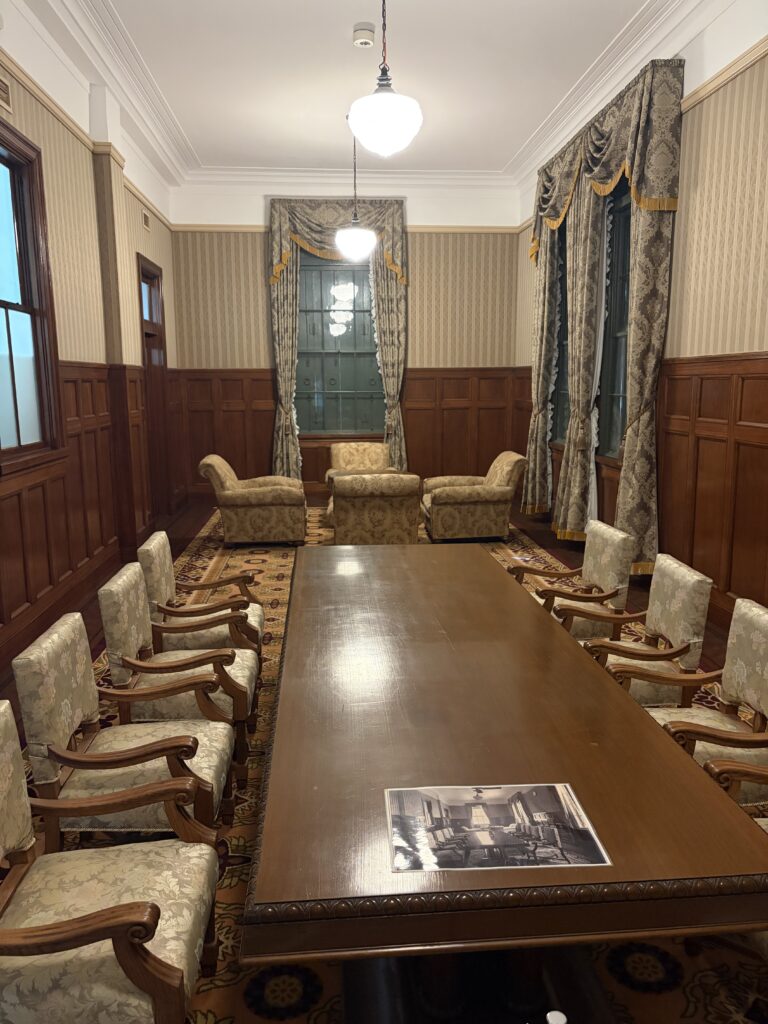
Tsuruga City Museum
The Tsuruga City Museum has been designated a Japan Heritage site. It is housed in a building constructed in 1927, which formerly served as the head office of the Owada Bank, established during the Meiji era. The father of actor Shinya Owada once worked at this bank and currently provides the narration for the Screen Theatre at the Minato-Tsuruga Float Hall. The main attraction is, of course, the architecture. Highlights include the Hokuriku region’s first lift, a massive vault, and a VIP room restored to its original appearance. There is a canteen in the basement, which was apparently open to…
- Fukui
- Spot introduction
-
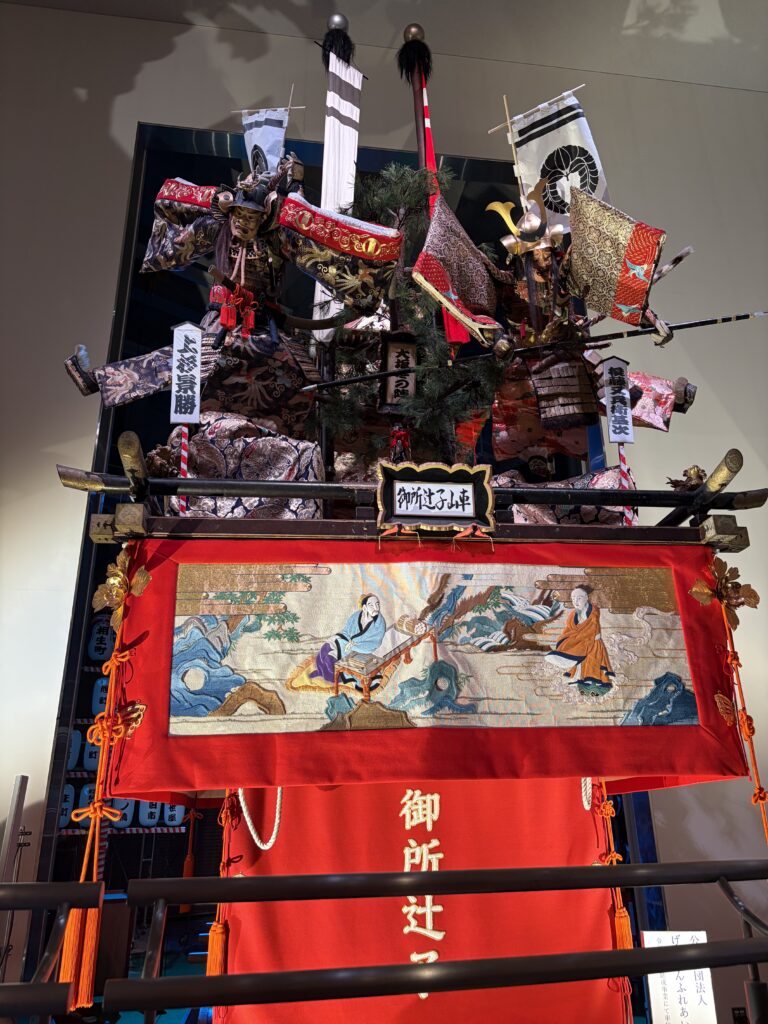
Minato Tsuruga Float Hall
The Tsuruga floats (yama) are said to have existed as far back as the Muromachi period, and it is believed that Oda Nobunaga himself viewed them. Whilst there were reportedly nearly 50 floats at their peak, they were destroyed in the Tsuruga air raid, leaving only three remaining. However, the people of Tsuruga’s attachment to the floats remained strong, and they gradually restored them and resumed the tradition. Currently, six floats parade through the streets every year on 4 September. The Minato Tsuruga Float Museum houses a permanent exhibition of these floats. The most distinctive feature of Tsuruga’s floats is…
- Fukui
- Spot introduction
-
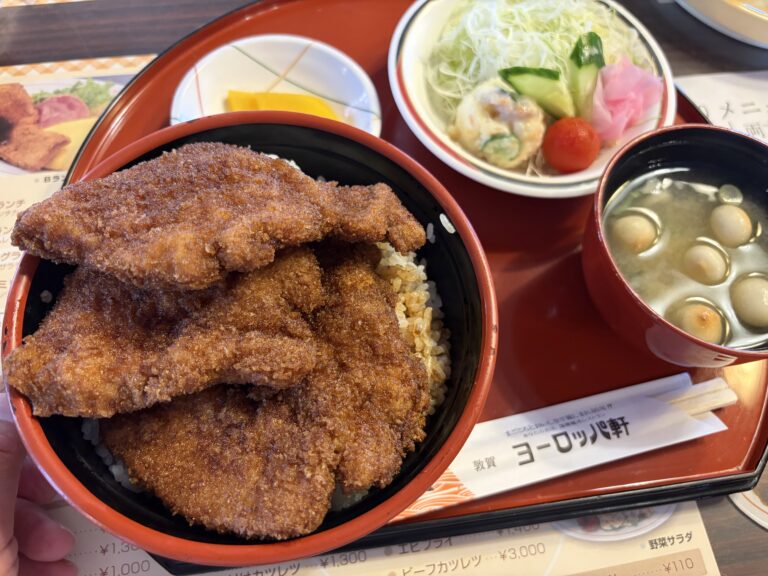
Sauce Katsudon
It’s the first day of Silver Week in Japan. For the first time in a while, every station is bustling with Japanese travellers. This morning, I’ve come to Tsuruga to assist a foreign guest with their transfer. When one thinks of Fukui, soba, seafood and sauce katsudon spring to mind. In particular, Europe-ken, whose head office is in Fukui City, is popular as the original home of sauce katsudon. In Tsuruga, there is Tsuruga Europe-ken, which was established as a branch of the Fukui head office. The founder, Masataro Takahata, who had trained in Germany, devised the sauce katsu-don by…
- Food
- Fukui
-
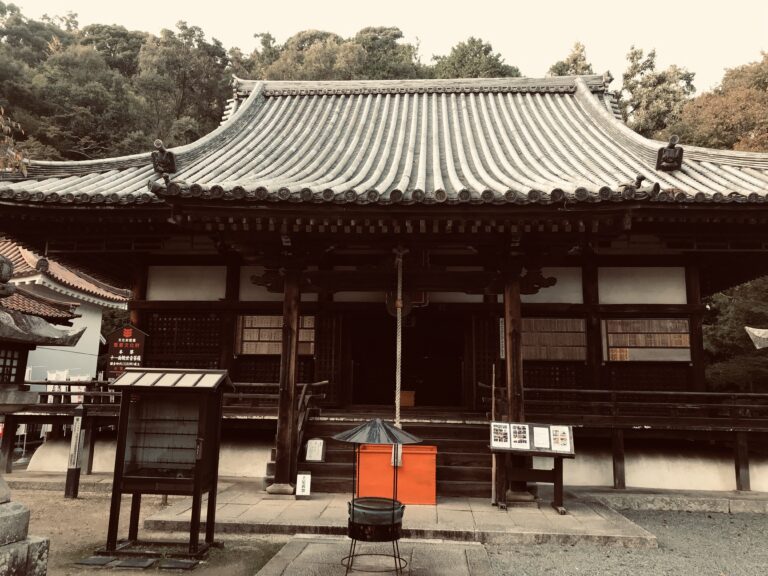
Hōshaku-ji Temple
Hōshaku-ji Temple is situated just to the west of the Ōyamazaki Mountain Villa Art Museum. It is said to have been founded by Gyōki, who played a pivotal role in the construction of the Great Buddha of Nara in the first half of the 8th century. It is said that a dragon deity appeared in a dream to Emperor Shōmu—who had ordered the construction of the Great Buddha—and bestowed upon him a hammer and a small mallet; after offering prayers, he was able to ascend to the throne. The temple grounds house many treasures, including the principal image of the…
- Kyoto
- Spot introduction
-
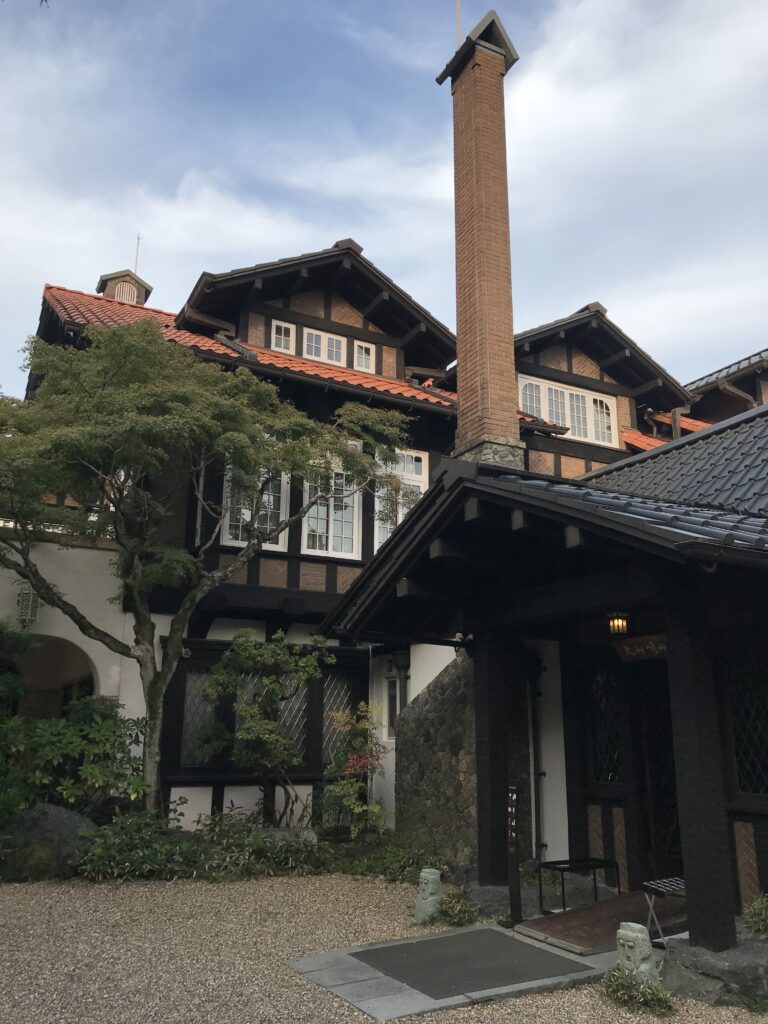
Asahi Group Ōyamazaki Villa Museum of Art
Mount Tennō, situated on the border between Kyoto and Osaka. Just as Hideyoshi Hashiba defeated Mitsuhide Akechi here, this is the place that gave rise to the idiom ‘Tenka-Wakeme-no-Tennōzan (Mount Tennō, the deciding battle for the realm)’. Nestled on the mountainside is the Ōyamazaki Mountain Villa Art Museum. It comprises the main building—a Tudor-style villa built by the early 20th-century industrialist Shōtarō Kaga—along with the Underground Gallery and the Yamate Gallery, both designed by architect Tadao Ando. The museum houses a collection of 1,000 works, including Monet’s *Water Lilies*, collected by the industrialist Tamesaburō Yamamoto, known as the ‘Beer King’.…
- Kyoto
- Spot introduction
-
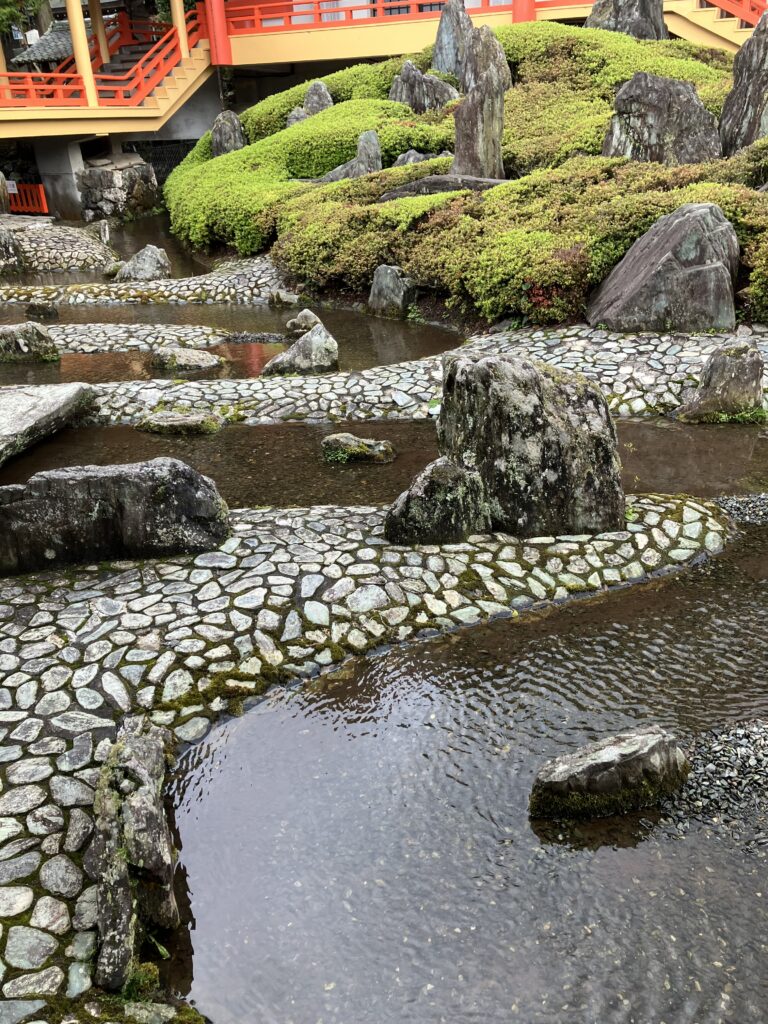
Shōfūen-Santei
Shigemori Mirei, one of the leading landscape architects of the Shōwa era. Alarmed by the increasing formalisation of the karesansui style, he drew upon modern Western art and other influences to create an avant-garde, new aesthetic for Japanese gardens. Considered his greatest masterpiece from his later years are the Shōfūen-santei, situated within the precincts of Matsuo Taisha. The ‘Kokusui-no-en’ (Banquet of the Meandering Stream) was an elegant pastime of Heian-period aristocrats, in which a sake cup was floated down a winding stream within the garden, and participants would compose waka or Chinese poetry before the cup passed before them. Taking…
- Kyoto
- Spot introduction