

Blog
Blog 2026年5月
-
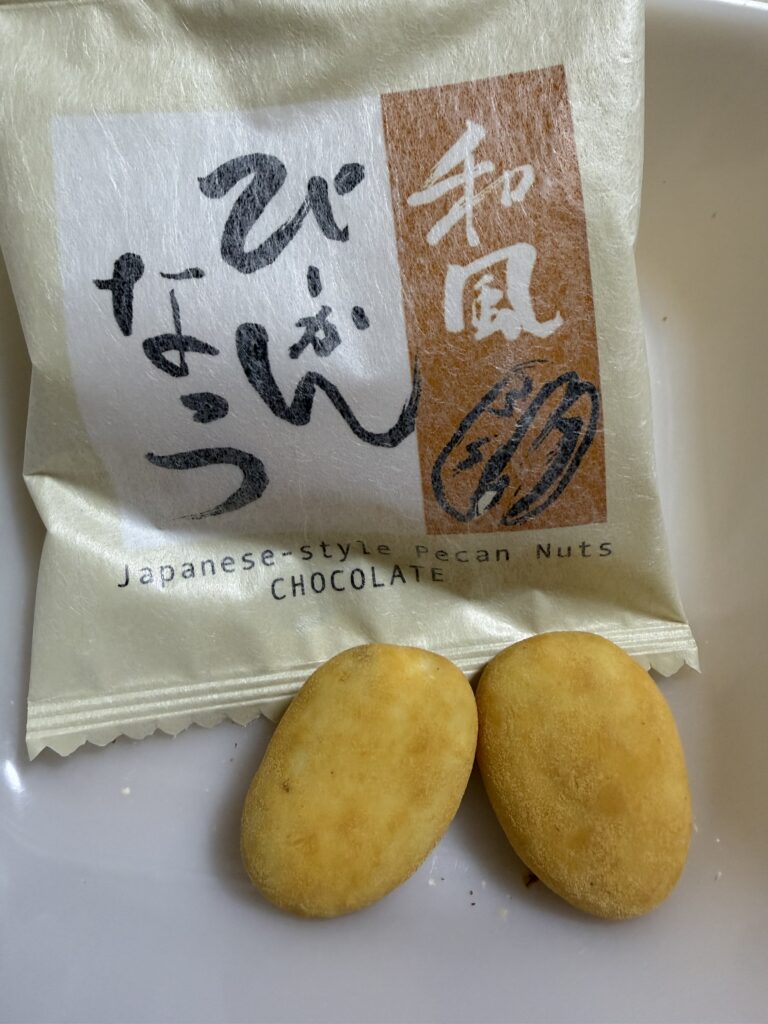
Japanese-style Pecan Nuts
Founded in 1935, Salon de Royale is a pioneer in the Japanese chocolate industry. Whilst their products are available at airports and souvenir shops nationwide, their most popular range is the pecan nut chocolate series, which uses pecans so rich in fat that they are often referred to as ‘butter trees’. The receptionist at the hotel where I was staying told me these were an absolute must-try, and ever since I bought them, I’ve become a huge fan. My personal favourite is the Japanese-style pecan nuts, which pair perfectly with white chocolate. The sweetness is just right.
- Japanese dessert
-
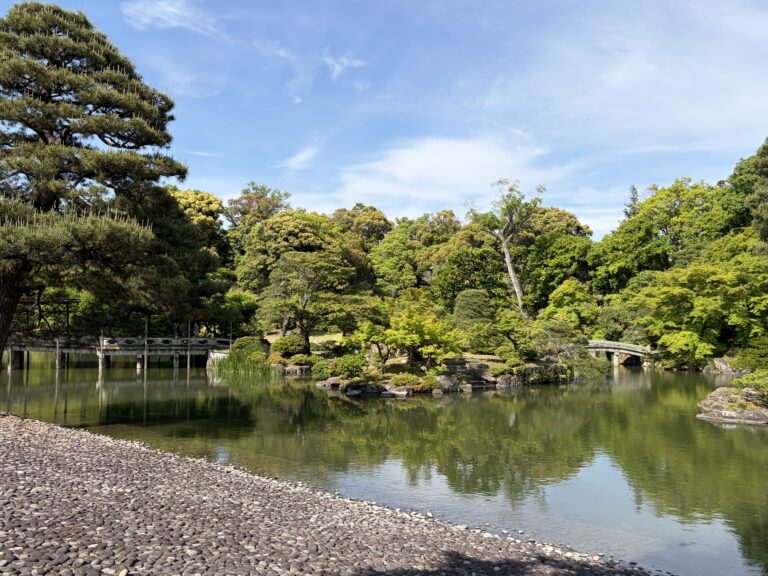
Sento Imperial Palace, Kyoto
Although advance booking is required, the Sento Imperial Palace, located within the Kyoto Imperial Palace grounds, offers free guided tours. The term ‘Sento’ originally referred to the dwelling of an immortal, and by extension, it came to denote the residence of an emperor who had abdicated. The highlight is the strolling garden designed by Kobori Enshū and others. Enshū was a daimyō and tea master active in the early Edo period, who also worked as a landscape architect, renovating gardens such as the Ninomaru Garden at Nijo Castle. In particular, the 110,000 pebbles said to be laid out in the…
- Kyoto
- Spot introduction
-
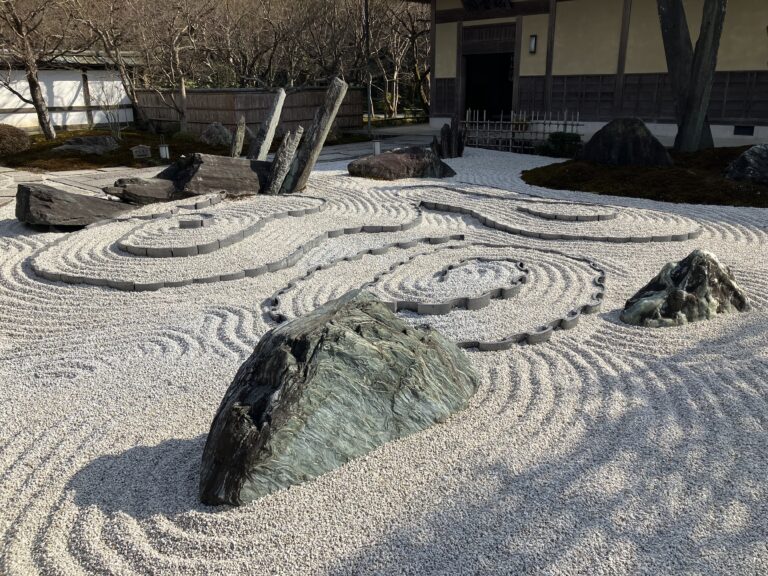
Enkō-ji Temple
Kyoto is so overflowing with foreign tourists that even visitors from overseas sometimes lament that, having made the effort to come to Japan, they are unable to experience anything truly Japanese. Amidst all this, Enkō-ji Temple offers a place to relax and enjoy oneself. Passing through the mountain gate, the ‘Honryū-tei’ (Rising Dragon Garden) comes into view. It depicts a dragon ascending through a sea of clouds rendered in white sand. The stone arrangement visible in the background of the photograph is said to represent the dragon’s head, whilst the roof tiles symbolise its body. This dry landscape garden was…
- Kyoto
- Spot introduction
-
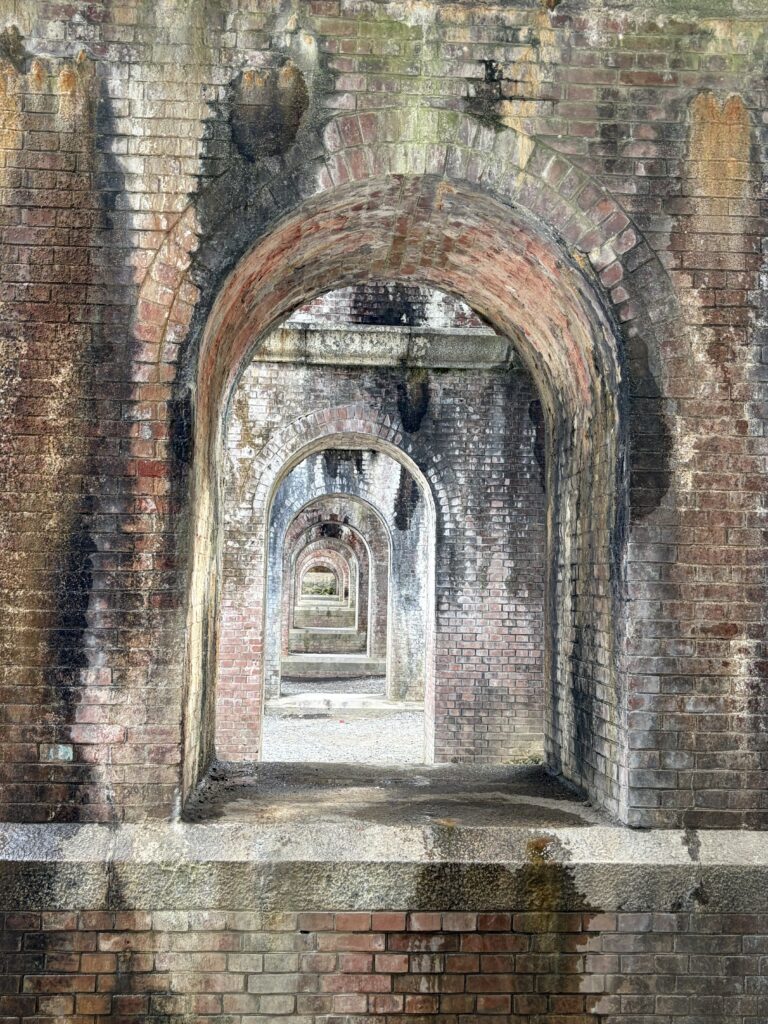
Nanzen-ji Aqueduct
Sakuo Tanabe wrote his graduation thesis on ‘The Lake Biwa Canal Construction Plan’; his talent was recognised, and at the age of just 23 he was appointed Chief Engineer for the Kyoto Prefecture Canal Works by the Governor of Kyoto Prefecture, Kunimichi Kitagaki. Construction of the Lake Biwa Canal began in 1888, but the project faced the problem that the canal had to cross the grounds of the scenic Nanzen-ji Temple. To ensure that the temple grounds’ landscape was not spoiled, Tanabe incorporated the design of an ancient Roman aqueduct into his plans. Although there was reportedly some opposition at…
- Kyoto
- Spot introduction
-
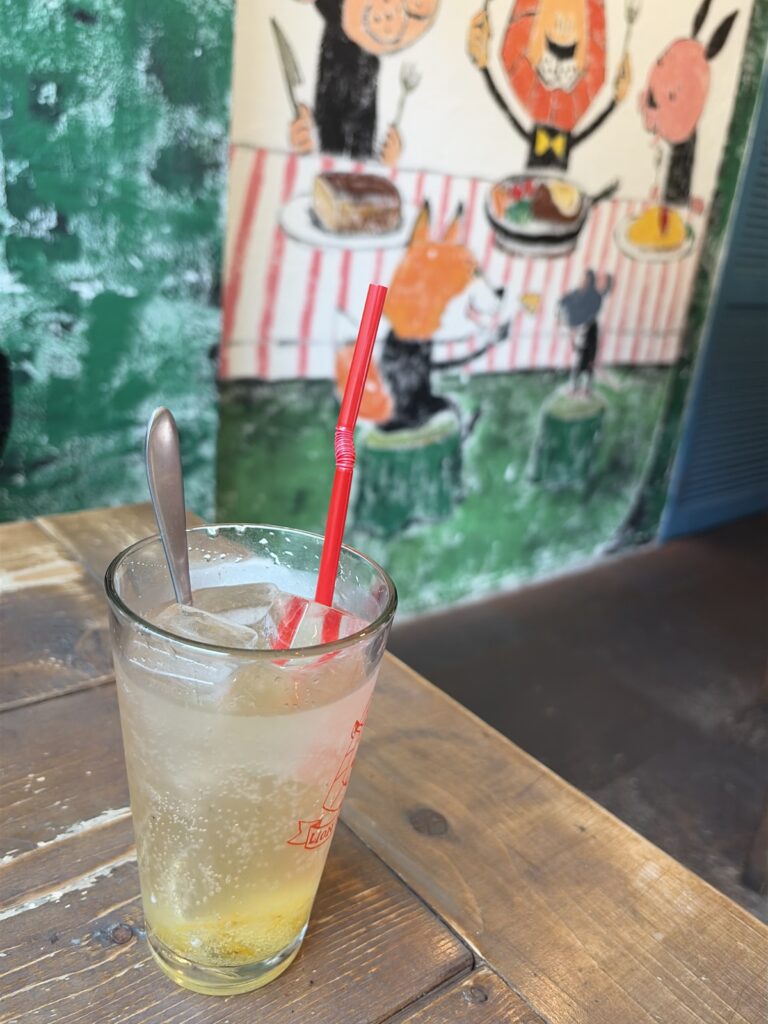
Lion Kitchen
The Demachi Masugata Shopping Arcade is a place we always visit when showing guests around our guesthouse. Lion Kitchen is located at the west entrance. Originally based in Osaka, they moved here five years ago. It’s a Western-style restaurant where the hamburg steak is a popular dish, but I also recommend popping in for a coffee. My personal favourite is the yuzu ginger ale. Yuzu is a typical Japanese citrus fruit, characterised by its tart flavour and pleasant aroma. It contains little juice, and the peel is mainly used to add fragrance to Japanese cuisine. The murals of animals, painted…
- Food
- Kyoto
- Spot introduction
-
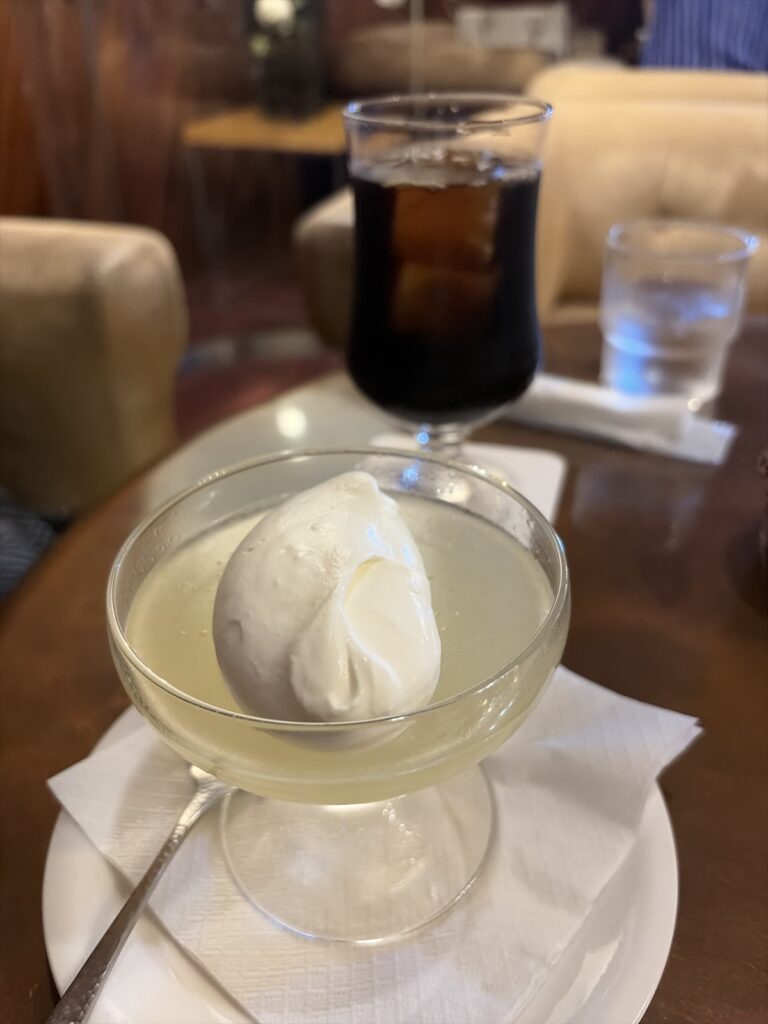
Gion-ishi Tea Room
Gion is a popular destination for guided tours. Although most of the alleys in Gion Kobu have been closed to visitors due to the poor behaviour of some tourists, the area remains bustling day and night. While cafés are all full, Gion Ishi Café offers a place to enjoy a leisurely cup of tea away from the hustle and bustle. Located on the second floor of a jewellery shop called Gion Ishi, it is a true hidden gem, as you must pass through the shop’s showroom to reach the café. The interior, designed to resemble a ship’s cabin, is well…
- Food
- Kyoto
- Spot introduction
-
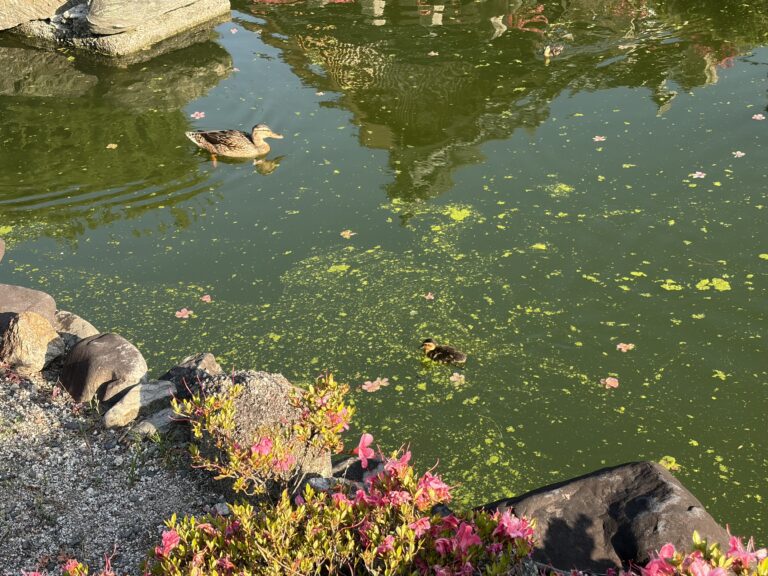
Aigamo Ducks at Yōhō-ji Temple
The Aigamo ducks at Yōhō-ji Temple are famous for the chicks hatched in the temple pond moving to the Kamo River. When I went to see them today, six chicks were swimming about energetically. The term ‘Aigamo duck’ refers to domesticated wild mallards, or ducks that are a cross between a domestic duck and a mallard. They make the move around June every year, but as they have to cross the busy Kawabata-dori road, officers from Kawabata Police Station are on hand to direct traffic. As they are still quite small, the move may not take place for another fortnight…
- Kyoto
- Spot introduction
-
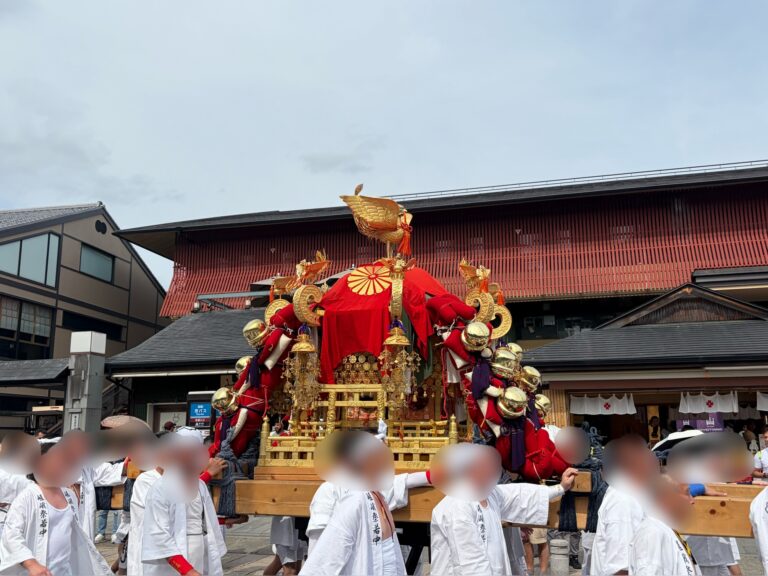
Saga Festival: The Return Procession
Kyoto is bustling with festivals in May. Today is the Saga Festival Return Procession. It is a festival with such a long history that it is even recorded in the diaries of aristocrats from the Muromachi period. The portable shrine, which had been enshrined at Seiryo-ji Temple, is carried by nearly 600 people, accompanied by sword-spears and lion dances, on a procession through Kita-Saga’s Daikaku-ji Temple and Arashiyama. There are two portable shrines: one from Atago Shrine and one from Nonomiya Shrine. The portable shrine in the photograph, clad in red, is from Atago Shrine, whilst the one from Nonomiya…
- Kyoto
- Spot introduction
-
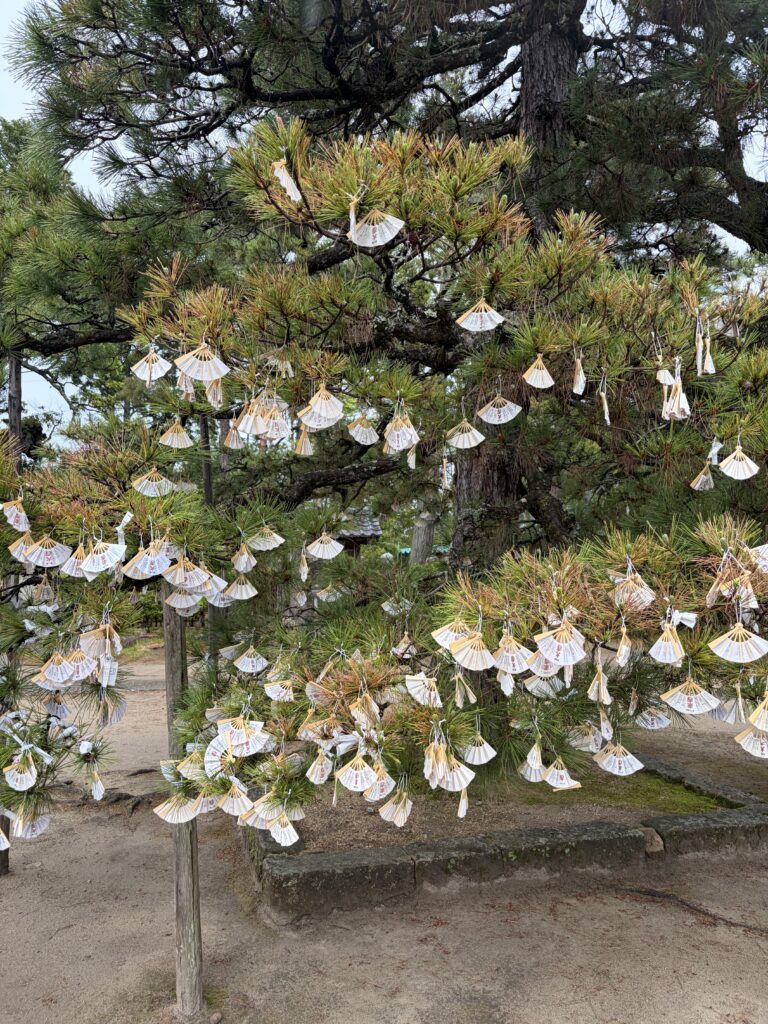
Fan-shaped Omikuji at Chion-ji Temple
Chion-ji Temple is situated to the south of Amanohashidate. It is said to have been founded in the early 10th century and is depicted in Sesshu’s ‘View of Amanohashidate’ from the early 16th century. The principal object of worship is Manjushri Bodhisattva, famous for the saying ‘Three heads are better than one’. However, the most popular attraction is the Suehiro-style (ever-expanding fortune) fan omikuji. It is customary to tie the fans to a pine tree, and the sight of a row of open fans, symbolising prosperity, is truly unique. It is fast becoming the most Instagrammable spot in the Tango…
- Kyoto
- Spot introduction
-
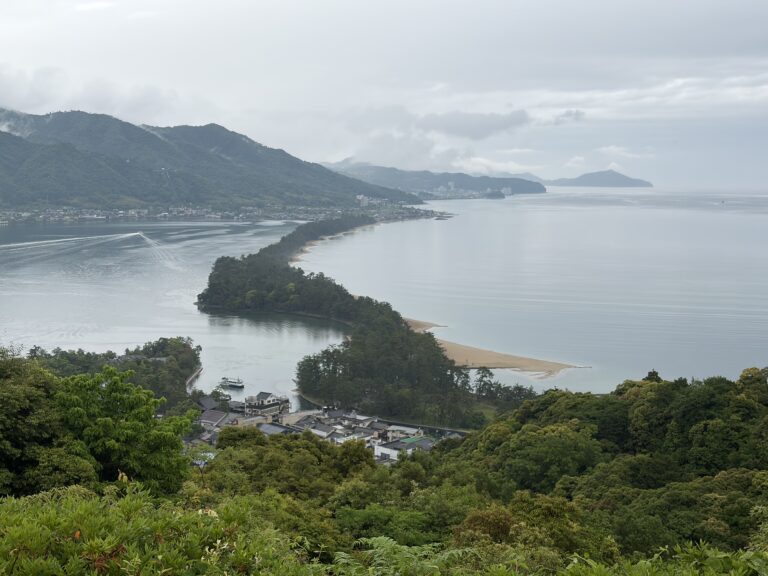
Amanohashidate
Amanohashidate has become extremely popular with Asian tourists as a result of inviting Chinese social media influencers—who had amassed large followings even before the COVID-19 pandemic—to promote its attractions. It is one of Japan’s Three Great Views, alongside Matsushima in Mutsu and Miyajima in Aki. The current landscape, featuring a sandbar stretching approximately 3.6 km, is believed to have taken its present form in the early 19th century; the width of the sandbar and the appearance of its tip differ from those depicted in Sesshū’s ‘View of Amanohashidate’, a National Treasure painted during the Muromachi period. Sesshū is a Japanese Zen…
- Kyoto
- Spot introduction
-
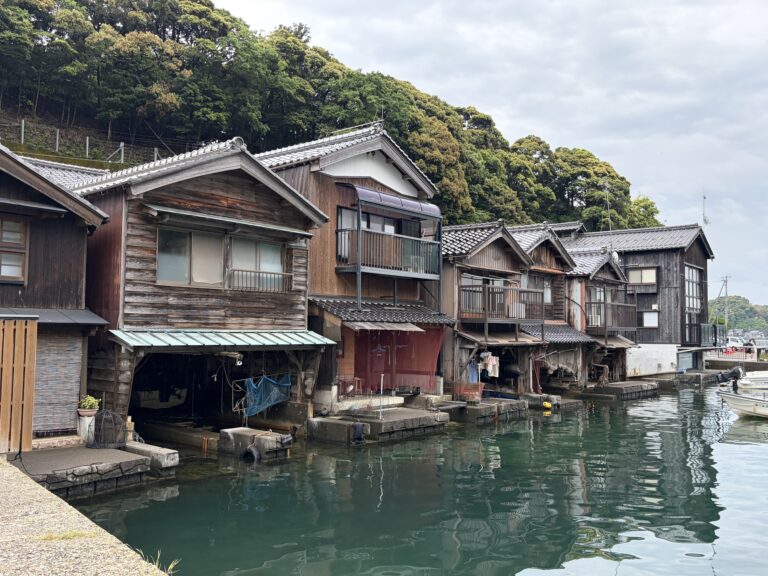
Funaya in Ine
Ine, the fisherman's village by water, boasts a long history, with its name appearing in documents dating back to the late 12th century. During the Muromachi period, gillnet fishing for yellowtail began, and Ine Bay is now known as one of Japan’s three major yellowtail fishing grounds. Unusually for the Sea of Japan coast, the bay opens to the south; as the waters are calm and the tidal range is small—just 50 cm—more than 200 boat houses, known as ‘funaya’, line the bay. Originally built to store small boats used for whaling and yellowtail fishing, these boat houses evolved into…
- Kyoto
- Spot introduction
-
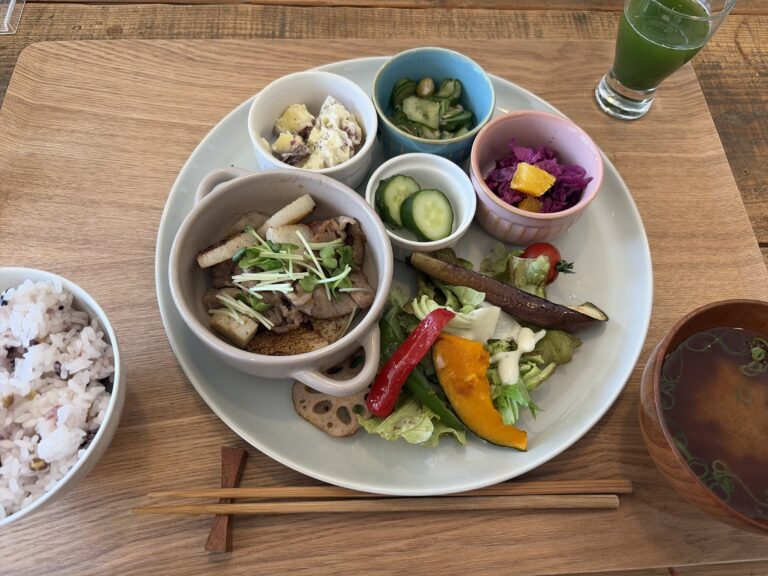
Iroha
When guiding foreign visitors around, dietary restrictions can be a real challenge. As well as food allergies, of course, guests’ requests vary widely—from gluten-free and vegan to halal and kosher. Before the pandemic, I recall that gluten-free and vegan restaurants were relatively easy to find even in Kyoto city centre, but now it’s quite a struggle to track them down. What’s more, it’s difficult to judge whether the food at these places is actually any good. In this context, I highly recommend Iroha to anyone looking for gluten-free options. Alongside their daily special plate, they offer hamburg steak, curry and…
- Kyoto
- restaurant
- Spot introduction