

Blog
Blog Fukui
-
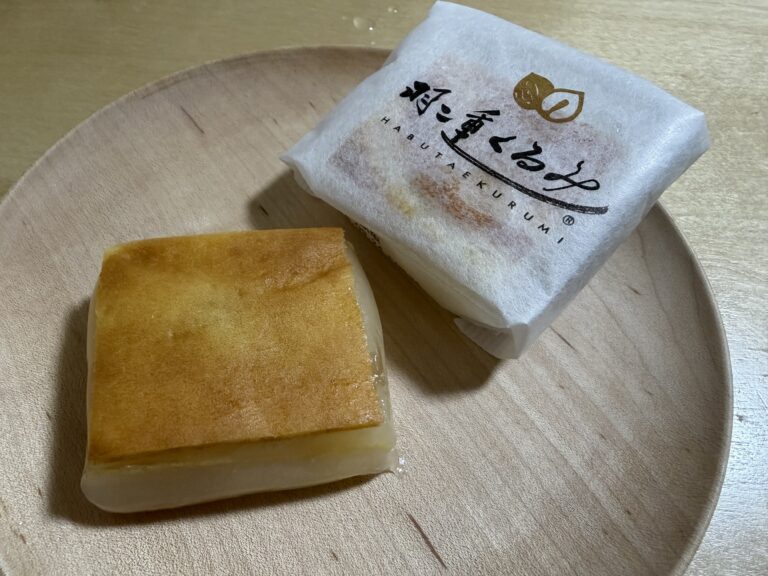
Habutae Kurumi
Habutae Mochi is one of Fukui’s most famous traditional sweets. Whilst it is a type of gyuhi—made from mochi flour mixed with sugar and starch syrup—Habutae Mochi is renowned for embodying the smooth texture of habutae silk, which is woven by interlacing warp and weft threads. It is said that Habutae Mochi was created in the early 20th century, when the production of Habutae silk flourished in Fukui. Whilst various traditional confectioners sell their own versions, the Habutae Kurumi from Kinkado Hayakawa has recently become particularly popular. This sweet features walnuts kneaded into the Habutae Mochi, which is then wrapped…
- Fukui
- Japanese dessert
-
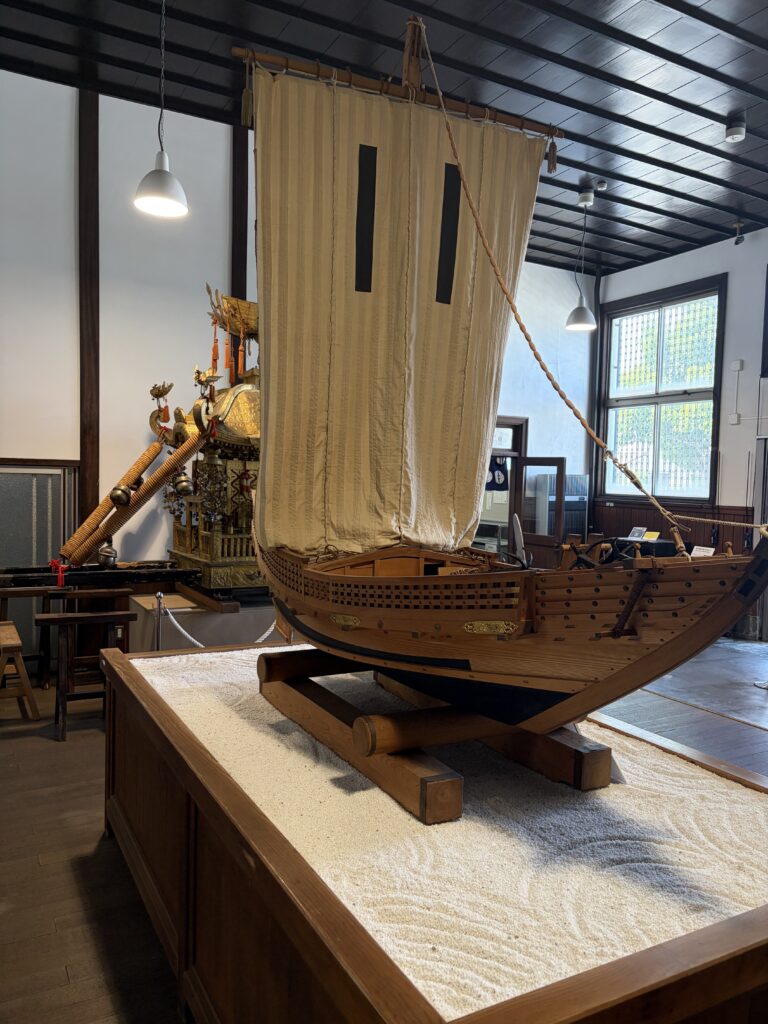
Kitamae-bune
From the mid-18th century through to the Meiji era, the Kitamae-bune sailed from Hokkaido to Osaka via the Sea of Japan, bringing wealth and culture to various regions. These vessels did more than simply transport goods; shipowners would purchase goods cheaply at ports of call and sell them at a profit in ports where prices were higher, thereby amassing vast fortunes. Owada Shōshichi, who founded the Owada Bank, was one such shipowner. Had it not been for the Kitamae-bune, Kyoto cuisine—based on dashi made from Hokkaido kelp—might never have become established. Furthermore, safflower from Yamagata was transported as a dye,…
- Fukui
- Spot introduction
-
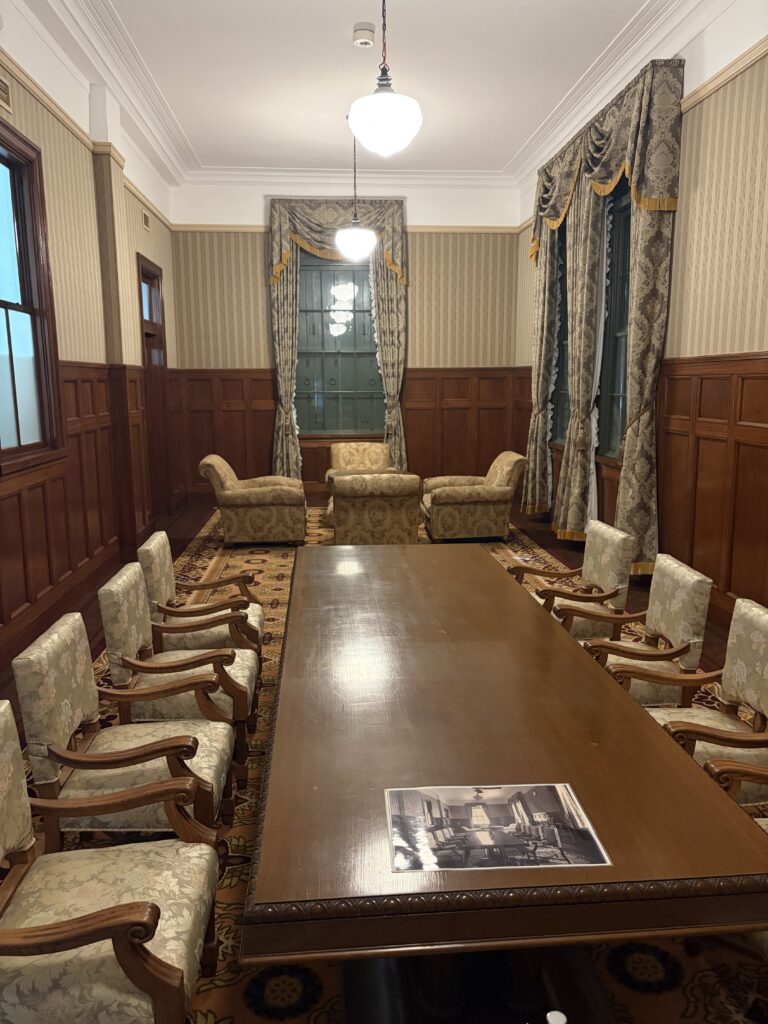
Tsuruga City Museum
The Tsuruga City Museum has been designated a Japan Heritage site. It is housed in a building constructed in 1927, which formerly served as the head office of the Owada Bank, established during the Meiji era. The father of actor Shinya Owada once worked at this bank and currently provides the narration for the Screen Theatre at the Minato-Tsuruga Float Hall. The main attraction is, of course, the architecture. Highlights include the Hokuriku region’s first lift, a massive vault, and a VIP room restored to its original appearance. There is a canteen in the basement, which was apparently open to…
- Fukui
- Spot introduction
-
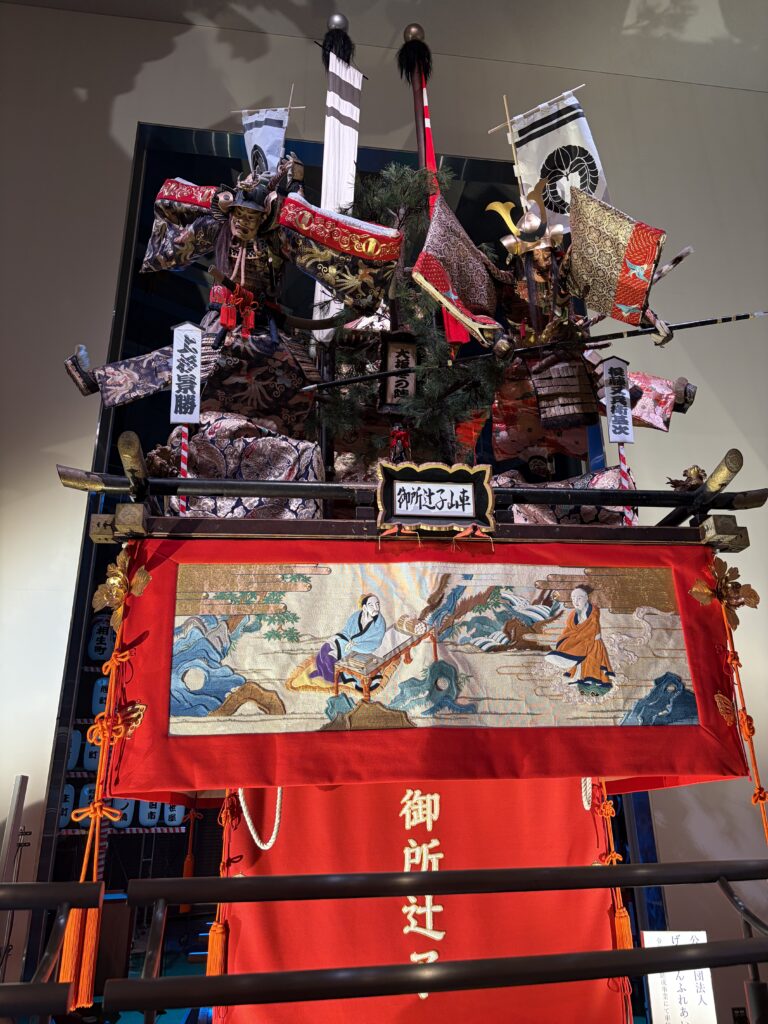
Minato Tsuruga Float Hall
The Tsuruga floats (yama) are said to have existed as far back as the Muromachi period, and it is believed that Oda Nobunaga himself viewed them. Whilst there were reportedly nearly 50 floats at their peak, they were destroyed in the Tsuruga air raid, leaving only three remaining. However, the people of Tsuruga’s attachment to the floats remained strong, and they gradually restored them and resumed the tradition. Currently, six floats parade through the streets every year on 4 September. The Minato Tsuruga Float Museum houses a permanent exhibition of these floats. The most distinctive feature of Tsuruga’s floats is…
- Fukui
- Spot introduction
-
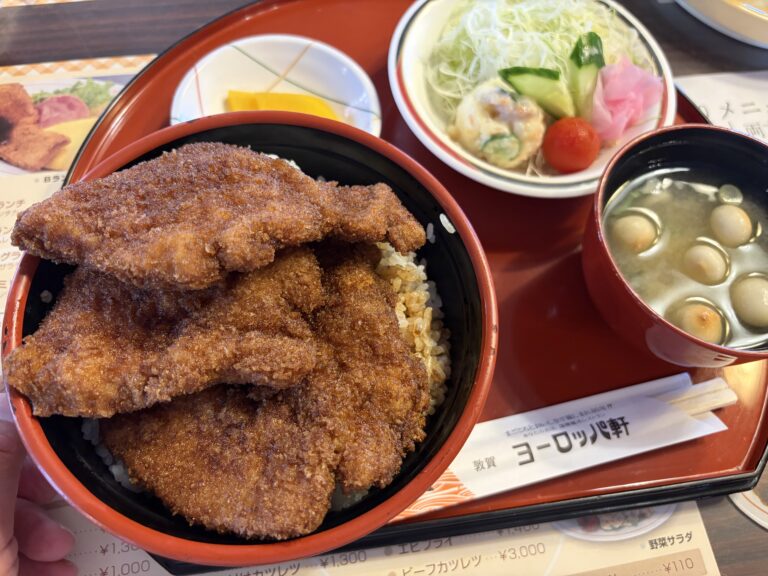
Sauce Katsudon
It’s the first day of Silver Week in Japan. For the first time in a while, every station is bustling with Japanese travellers. This morning, I’ve come to Tsuruga to assist a foreign guest with their transfer. When one thinks of Fukui, soba, seafood and sauce katsudon spring to mind. In particular, Europe-ken, whose head office is in Fukui City, is popular as the original home of sauce katsudon. In Tsuruga, there is Tsuruga Europe-ken, which was established as a branch of the Fukui head office. The founder, Masataro Takahata, who had trained in Germany, devised the sauce katsu-don by…
- Food
- Fukui
-

Sashimi in Obama City
Obama is just under a two-hour drive from Kyoto City. For those born in Kyoto, it is one of the most accessible seaside resorts. It is also well known that when Barack Obama became President of the United States in 2008, the town of Obama was abuzz with excitement and thronged with tourists, simply because it shares the same name. Wakasa Bay, which Obama faces, boasts a short distance between the fishing port and the fishing grounds, allowing visitors to enjoy fresh sashimi. Furthermore, mineral-rich freshwater flows in from the neighbouring mountains, and the abundance of plankton adds a rich,…
- Fukui
- Spot introduction
-
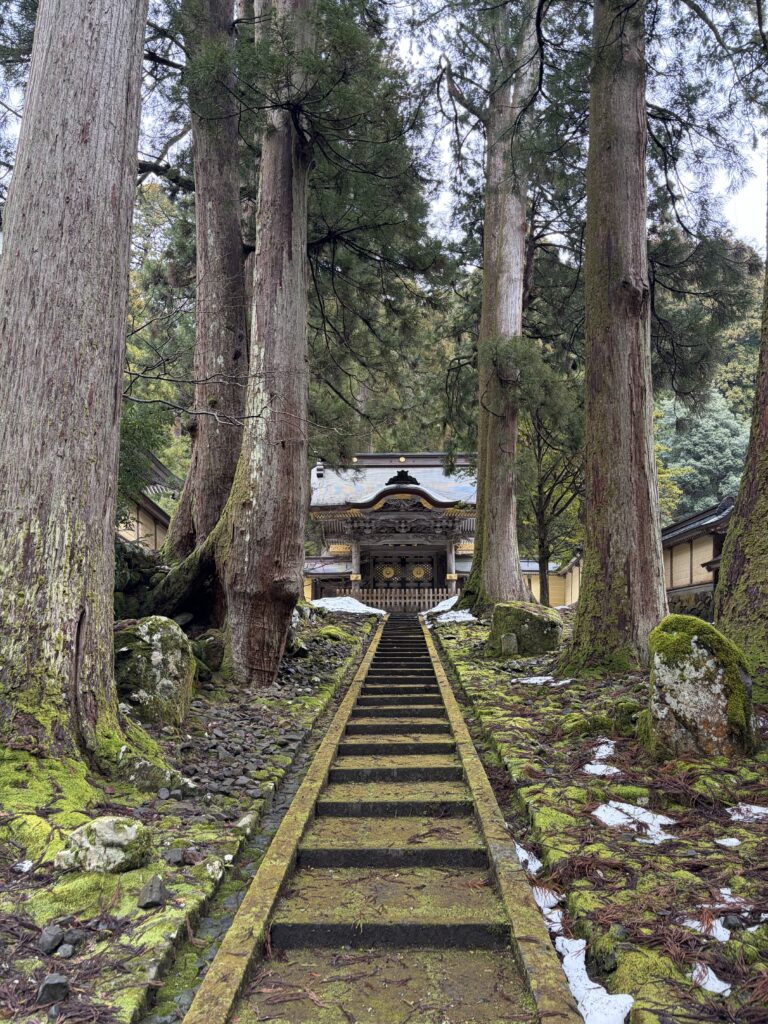
Chokushi-mon Gate of Eiheiji Temple
When you visit Eiheiji Temple, the Chokushi-mon Gate is the first thing you see as you approach. This gate was originally reserved exclusively for the Emperor’s envoys (chokushi) and is usually kept closed. For this reason, the imperial chrysanthemum crest, symbolising the Japanese Imperial Family, is displayed on its façade. It has become such a symbol of Eiheiji Temple that if you search for ‘Eiheiji’, you will find numerous images of this Chokushi-mon Gate rather than the temple complex itself. Eiheiji Temple was founded in 1244, but it was destroyed by fire on several occasions, including during the Ikko-ikki uprisings…
- Fukui
- Spot introduction
-

Sanshōkaku Hall at Eihei-ji Temple
Eiheiji Temple is a popular destination among foreign tourists. Sanshōkaku Hall is a place where visitors stop to rest before entering the Shichidō Garan (Seven Main Halls), which form the centre of the temple’s ascetic practices. The ground floor serves as a waiting room for visitors, whilst the first floor houses a large hall. The most striking feature here is the 230 ceiling paintings, created by 144 Japanese painters in the early Shōwa period. The project was overseen by Komuro Suiun, a master of Japanese painting who was active from the Meiji to the Showa periods. However, although he created…
- Fukui
- Spot introduction
-

Eihei-ji, Temple of Eternal Peace
Recently, Eihei-ji Temple has become a popular Zen pilgrimage site for visitors from abroad. While group coach tours are fewer, the number of individuals visiting independently is increasing. It is also popular as a sacred site among visitors from France, who have a strong interest in Zen. I was requested to guide them and travelled to Fukui for this purpose. It is not uncommon to see monks from overseas practising here, partly because Steve Jobs, drawn to the teachings of Zen Master Dōgen who founded Eihei-ji and practised the most rigorous training, trained here in his youth. Although only offered…
- Fukui
- Spot introduction
-

Kehi Shrine
The Kyoto-Kanazawa-Shirakawa-go-Takayama route is popular with foreign tourists. However, as the Hokuriku Shinkansen has not yet fully opened, train travel between Kyoto and Hokuriku has become very inconvenient and expensive. It is necessary to change from the limited express Thunderbird to the Hokuriku Shinkansen at Tsuruga Station. If you come all the way to Tsuruga, you may want to drop in at Kehi Jingu Shrine, which is known as the largest spiritual site in the Hokuriku region. It is a 15-minute walk from Tsuruga Station, so it is a good spot to visit while waiting to change trains. The Chomeisui (long-life water),…
- Fukui
- Spot introduction