

Blog
Blog Spot introduction 2ページ目
-
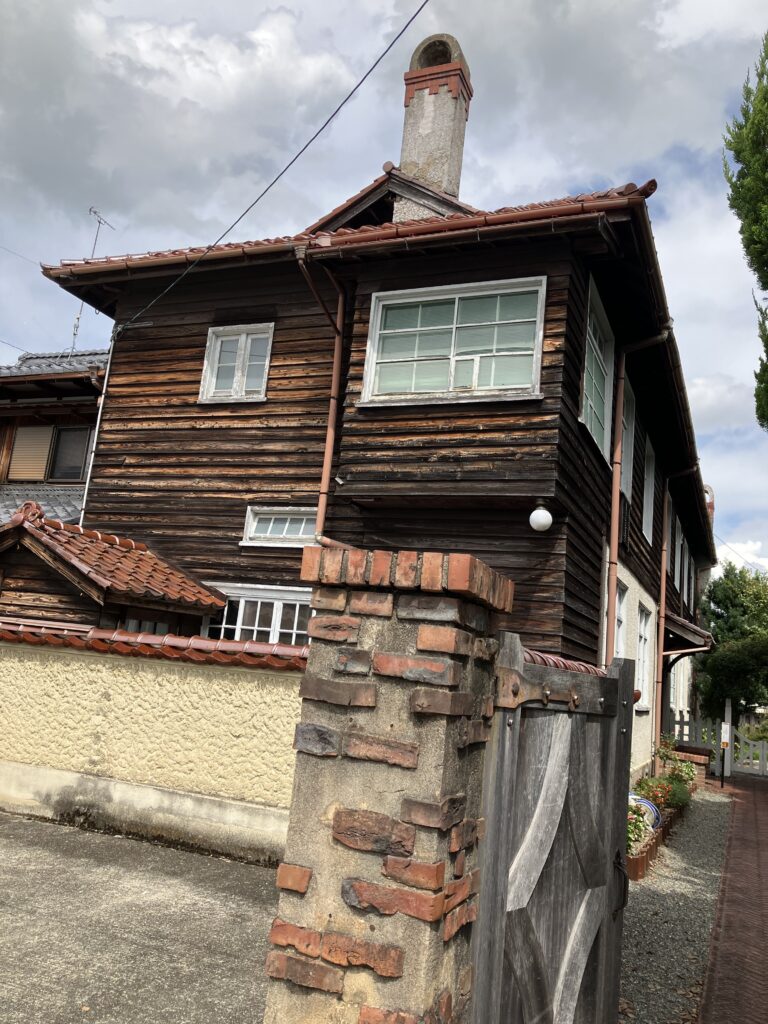
Vories Memorial Museum
William Merrell Vories was an American architect who, during the first half of the 20th century, left behind as many as 2,500 examples of Western-style architecture not only in Ōmihachiman but throughout Japan. He came to Japan at the age of 24 as an English teacher and is known not only for his dedication to Protestant missionary work but also as a social entrepreneur, having established hospitals and schools. He devoted his life to his work in Japan and passed away at the age of 83 at his home in Ōmihachiman. That home is now the Vories Memorial Museum; the…
- Shiga
- Spot introduction
-
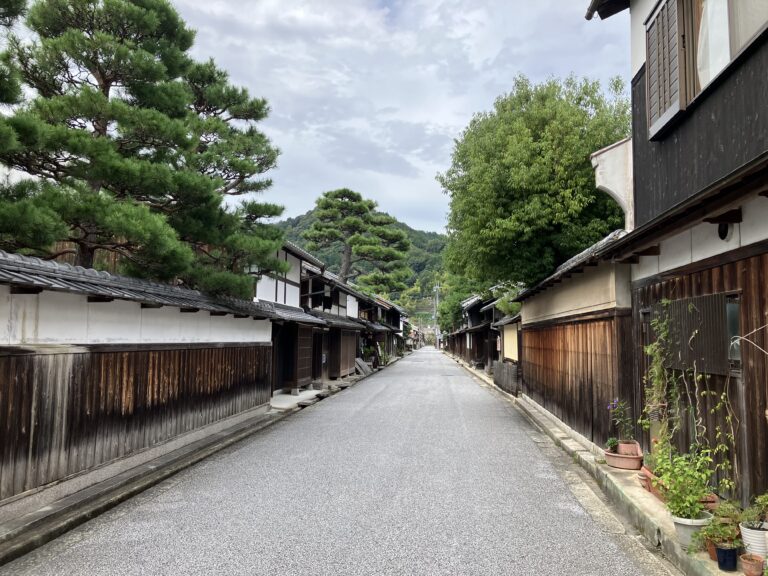
Omihachiman Shinmachi-dōri
Shinmachi-dōri, a 2-kilometre stretch of streets lining the town of the Omi merchants, is a 30-minute walk from Omihachiman Station. Lined with residences dating from the late Edo period through to the Meiji era, it has been designated a Nationally Important Preservation District for Groups of Traditional Buildings. The Omi merchants, based in Hachiman and other parts of Omi Province, expanded their business throughout Japan. The philosophy of ‘Sanpo-yoshi’—conducting business that benefits the seller, the buyer and society as a whole—is said to have been popularised by Chubei Ito, the founder of Itochu Corporation. Among the Omi merchants, the merchants…
- Shiga
- Spot introduction
-
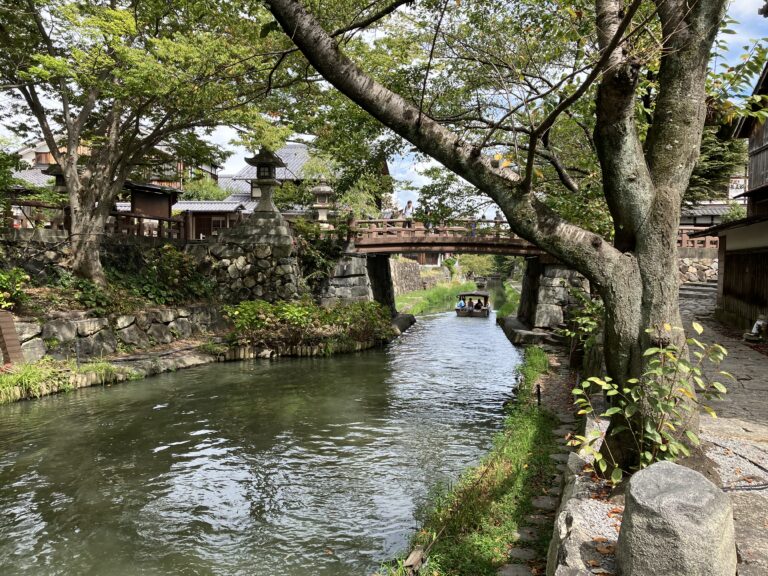
Hachiman-bori
When guests tell me that Kyoto is too crowded and they’d like to enjoy the Japanese scenery in a slightly quieter setting, I take them to Shiga Prefecture. In particular, Ōmi-Hachiman is very convenient, being just over 30 minutes by train from Kyoto Station, and it retains the old townscape that has become increasingly rare in Kyoto. In the late 16th century, Toyotomi Hidetsugu—who later became Kampaku—built Hachiman-yama Castle. The moat was developed, connecting the town to Lake Biwa and leading to the growth of water transport, which transformed Ōmi-Hachiman into a major commercial centre. Hachiman-bori offers a glimpse of…
- Shiga
- Spot introduction
-
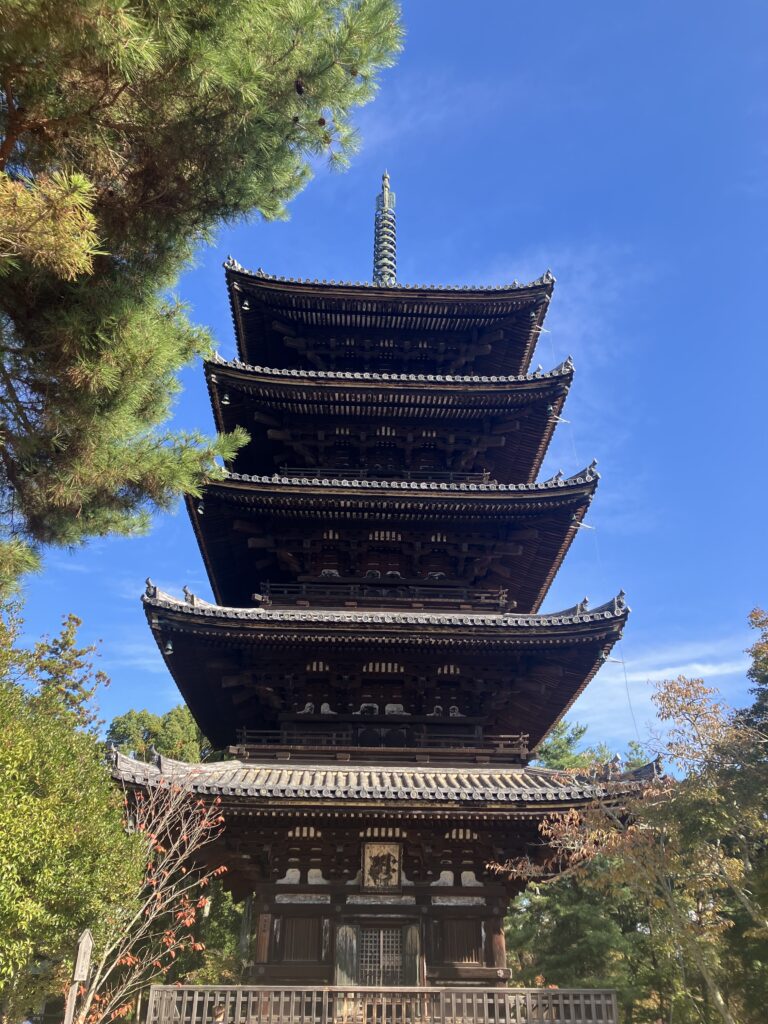
Five-storey Pagoda at Ninnaji Temple
Ninnaji Temple, described in the classic essay *Tsurezuregusa* and a place the writer Yasushi Inoue frequented during his student days, is known amongst Japanese people as a spot where one can enjoy the *Omuro-zakura*—the cherry blossoms that bloom latest in Kyoto. However, despite being designated a World Heritage Site, it remains one of the places visited by relatively few foreign tourists. Within the temple grounds stands a five-storey pagoda over 30 metres tall, and many Japanese visitors come here to photograph the cherry blossoms or autumn foliage in full bloom against the backdrop of this pagoda. Although the interior of…
- Kyoto
- Spot introduction
-
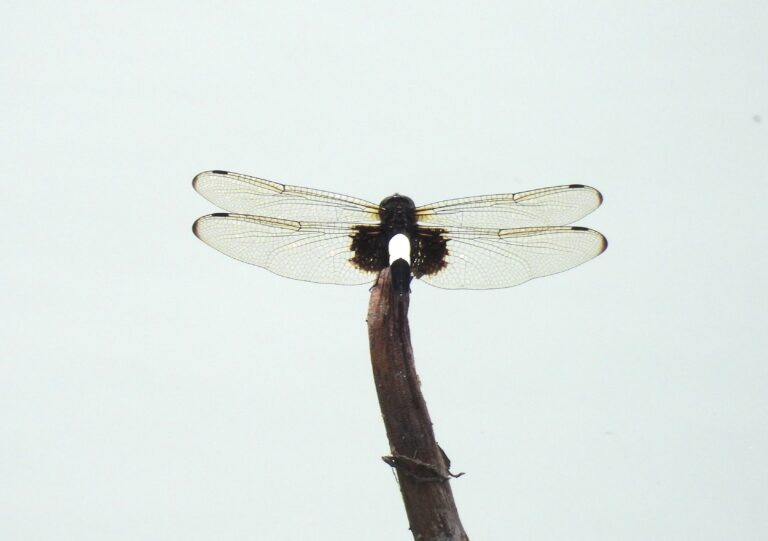
Pied skimmer
As we enter mid-September, temperatures have begun to drop in Kyoto. Whilst the once-loud chirping of the Black giant cicadas has now fallen silent, the Pied skimmers are still a common sight along the riverbanks. As shown in the photograph, the males have a white abdomen, whilst the females and younger individuals are yellow; they can be seen until around October. They are widely distributed across Japan, South Korea, China and as far as Vietnam, and were once a species not found in cold regions such as Hokkaido. However, in recent years, there has been a sharp increase in sightings…
- Insects
- Kyoto
-
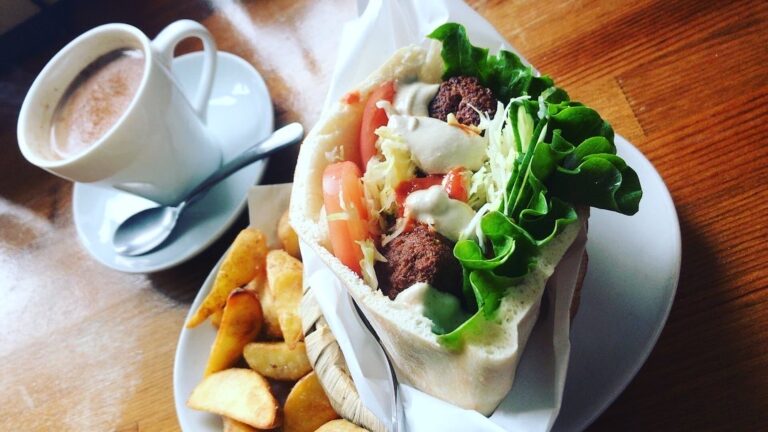
Falafel Garden
We have vegetarian and vegan guests staying at our guesthouse. Before the COVID-19 pandemic, there were a fair number of vegetarian and vegan restaurants in Kyoto city, but now there aren’t many that can cater to these dietary requirements. Despite this, Falafel Garden is just a seven-minute walk from our guesthouse. Established in 2004, it is an Israeli restaurant that is a favourite with locals. Our top recommendation is the falafel sandwich—featured in the photo—served in pita bread, which gives the restaurant its name. Falafel is a Middle Eastern dish made by mixing mashed chickpeas or broad beans with spices…
- Kyoto
- restaurant
-
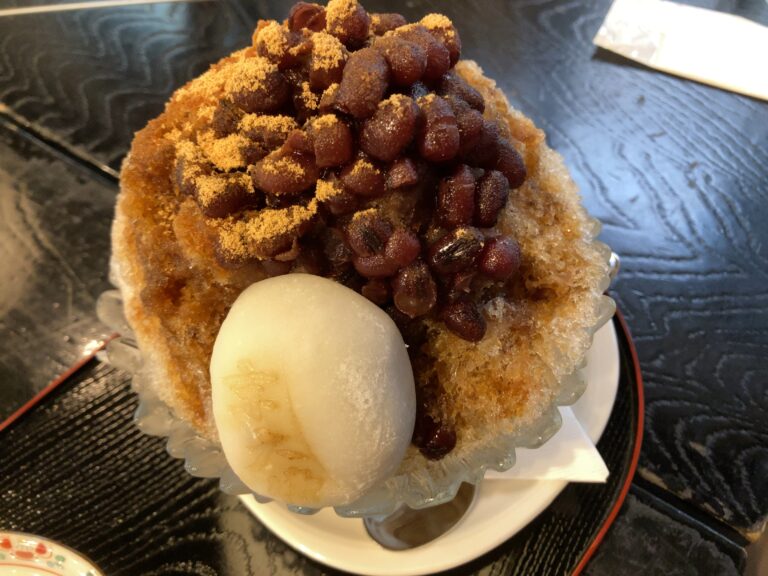
Kanshundō’s Daibutsu Mochi Shaved Ice
The Luośhàn Buddha of Kyoto was erected at Hōkō-ji Temple at the behest of Toyotomi Hideyoshi in the late 16th century, intended to surpass the Great Buddha of Tōdai-ji in grandeur. Although it was destroyed by repeated earthquakes and fires, ‘Daibutsu Mochi’ (Great Buddha rice cakes) were sold at its entrance. Kanshundō’s Daibutsu Mochi is a faithful reproduction of these rice cakes, made using the same traditional method as in those days. A distinctive feature is the ‘Kyō Daibutsu’ brand stamped onto each rice cake. The ‘Daibutsu Mochi Shaved Ice’—shaved ice topped with black sugar syrup, kinako (roasted soya bean flour)…
- Japanese dessert
- Kyoto
-
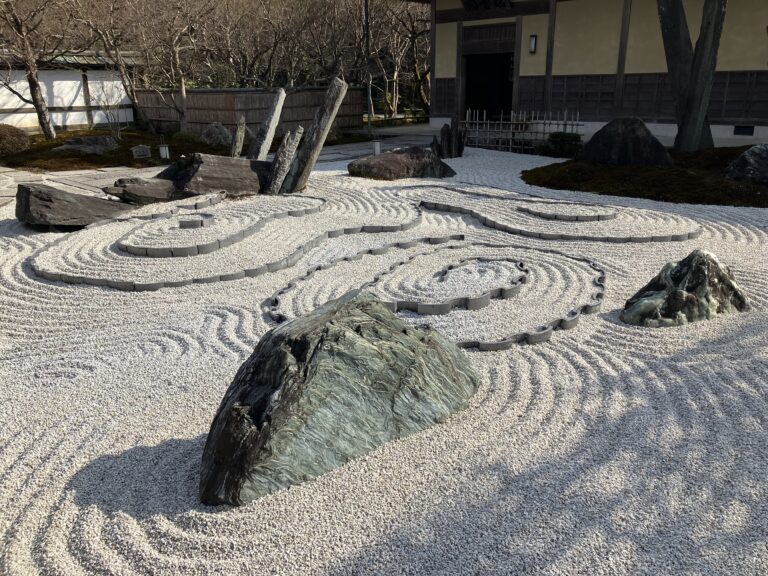
Enkō-ji Temple: Honryū-tei Garden
Enkō-ji Temple is said to have originated as an academy established by Tokugawa Ieyasu in Fushimi, Kyoto; it houses a collection of approximately 50,000 wooden movable type characters that were used for publishing books at the time. During the autumn foliage season, many people visit to catch a glimpse of the ‘Jugyu-no-niwa (Ten ox garden) ’, where the contrast between the moss and the autumn leaves is truly magnificent. Passing through the main gate and walking a short distance along the cobbled path, the ‘Honryū-tei Garden (Running dragon garden)’ comes into view. This contemporary dry landscape garden was created in…
- Kyoto
- Spot introduction
-
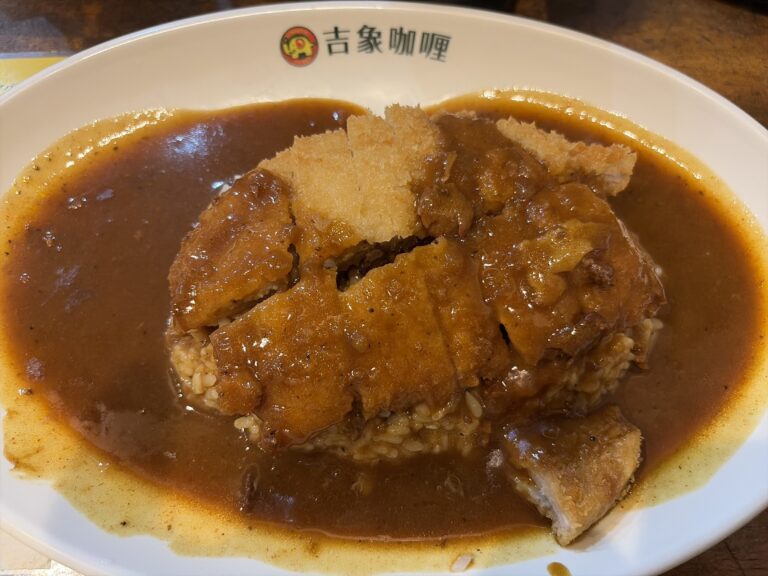
Yoshizō Curry
It’s difficult to find affordable, tasty restaurants around Kyoto Station. That’s why Yoshizō Curry, located on the west side of Kyoto Avanti, is such a gem. The standard curry is an unbelievably cheap 390 yen, yet the quality is consistently good, and there’s always a queue at lunchtime. The restaurant has counter seating only, and as seats are spaced apart, it can’t accommodate more than ten people. However, as the service is quick and customers don’t linger, you won’t have to wait long to be seated. My favourite is the Katsu curry (pork cutlet curry), topped with a freshly fried…
- Kyoto
- restaurant
-
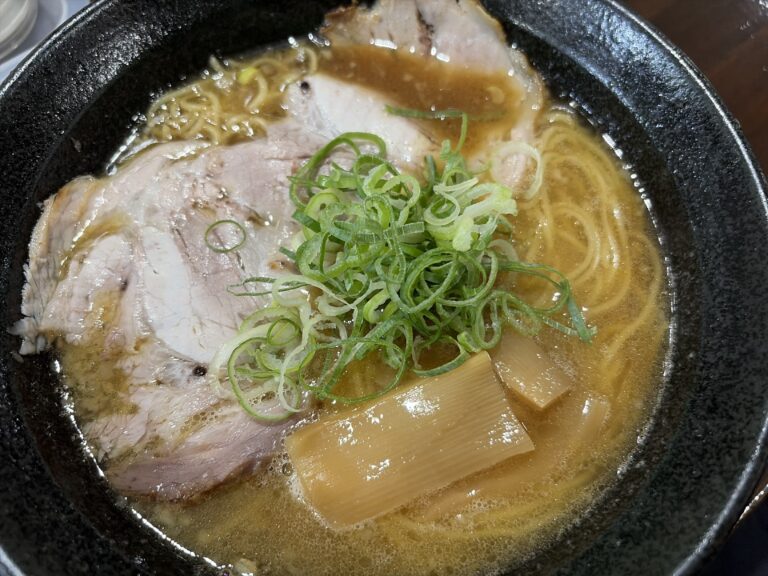
Menya Shōmon
When I ask guests what they’d like for lunch whilst guiding them, the most common answers are sushi, tempura and ramen. Whilst sushi can be enjoyed at conveyor-belt sushi restaurants and tempura at restaurants with table seating—making them suitable for families—ramen often involves shops with counter seating only, which can be a bit of a hassle. In this context, Menya Shōmon is a real lifesaver, as it offers tables seating four. It’s conveniently located between Kinkaku-ji and Daitoku-ji, and the food is delicious. You can choose from a range of broths, including chicken bone broth with aged soy sauce, chicken…
- Kyoto
- restaurant
-
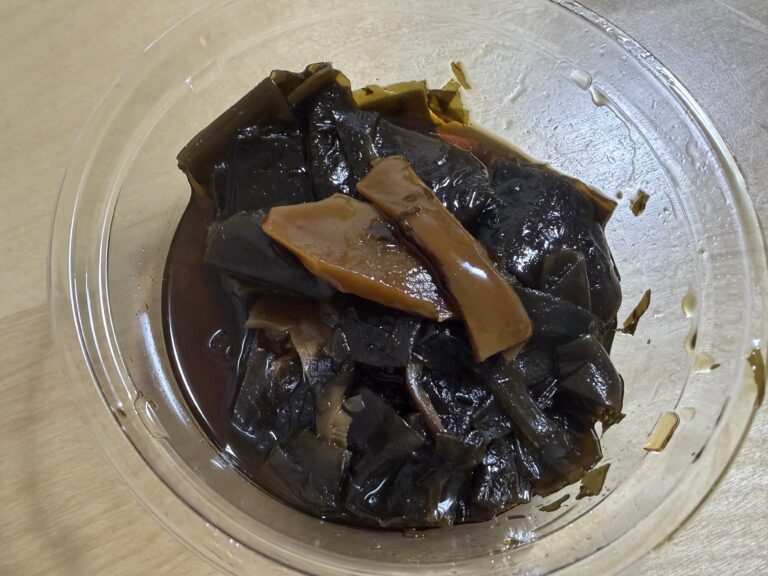
Matsutake-Konbu
‘Toba Ume Grocery Shop’ remains a greengrocer that embodies the spirit of Kyoto. With the arrival of September, Matsutake-Konbu has taken the place of chirimen sansho (dried baby sardines with sansho pepper) on the shop shelves. This dish is made by slowly simmering matsutake mushrooms and kelp in dashi stock, soya sauce, mirin, sake and sugar. It is the perfect accompaniment to plain white rice and is sure to whet your appetite. It is said that Matsutake-Kombu originated in Arima Onsen, Hyogo Prefecture, where local matsutake mushrooms were combined with kombu from Hokkaido—transported to the Kansai region by Kitamae ships—to…
- Food
- Kyoto
-
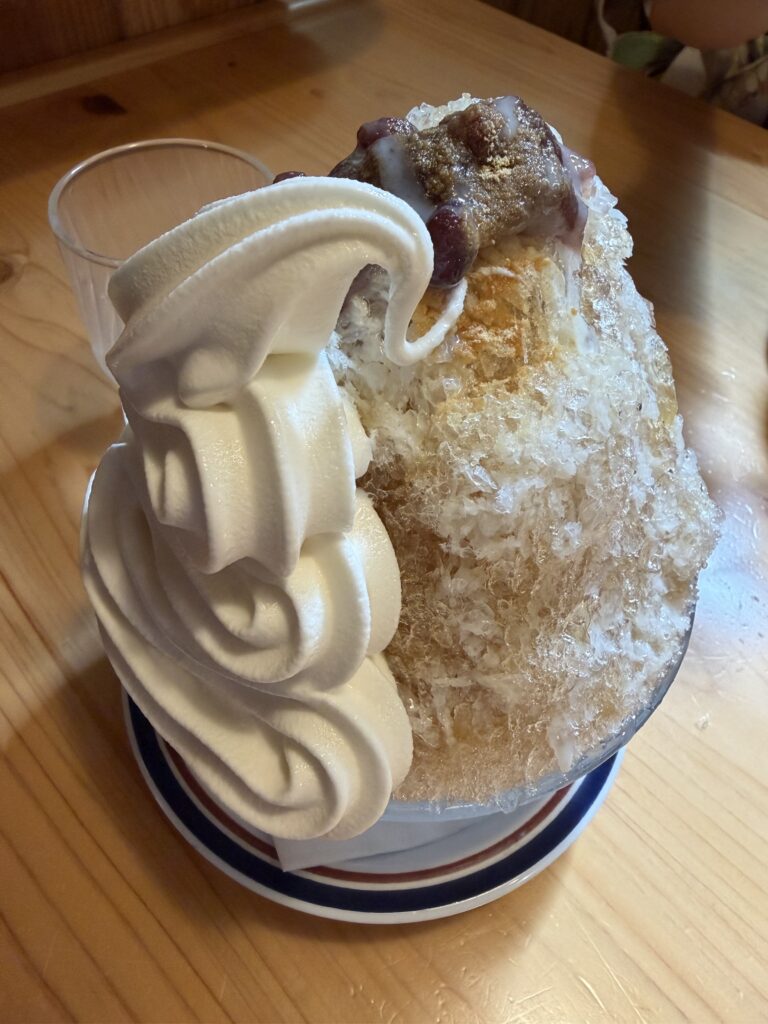
Komeda Coffee Shop’s Shaved Ice
Komeda Coffee Shop has now become a nationwide chain. It first opened in Kyoto in 2010. I used to pop down to the shop in front of Nijo Station quite often, as I could enjoy menu items I’d grown fond of back in my hometown of Gifu. Shaved ice is a summer staple at Komeda Coffee Shop. Whilst new menu items are announced every year, this year the ‘Kuro-mitsu Kinako Zenzai Ice’ is available as a limited-edition offering in the Western Japan region. This shaved ice combines the gentle sweetness of Hokkaido adzuki beans with a rich black sugar syrup…
- Japanese dessert
- Kyoto