

Blog
Blog
-
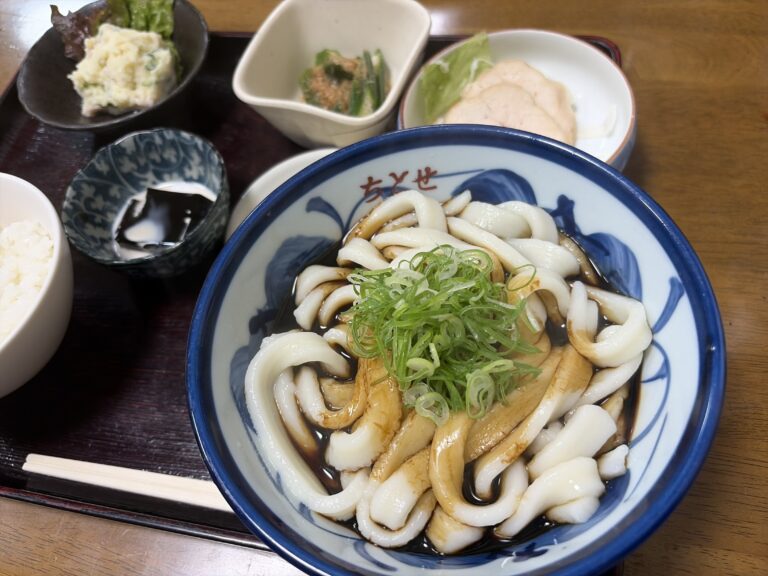
Ise Udon
Ise udon consists of extra-thick, soft udon noodles tossed in a sauce based on tamari soy sauce , which is characterised by its rich umami flavour. It is said to have been created during the Edo period to ease the burden on the stomachs of pilgrims travelling long distances to visit the Ise Shrine. It is said that the dish became known nationwide after the late radio writer Rokusuke Ei raved about it on the radio; the restaurant in question was Chitose. As the noodles are so soft, it is hardly surprising that those accustomed to the firm, springy Sanuki…
- Food
- Mie
-
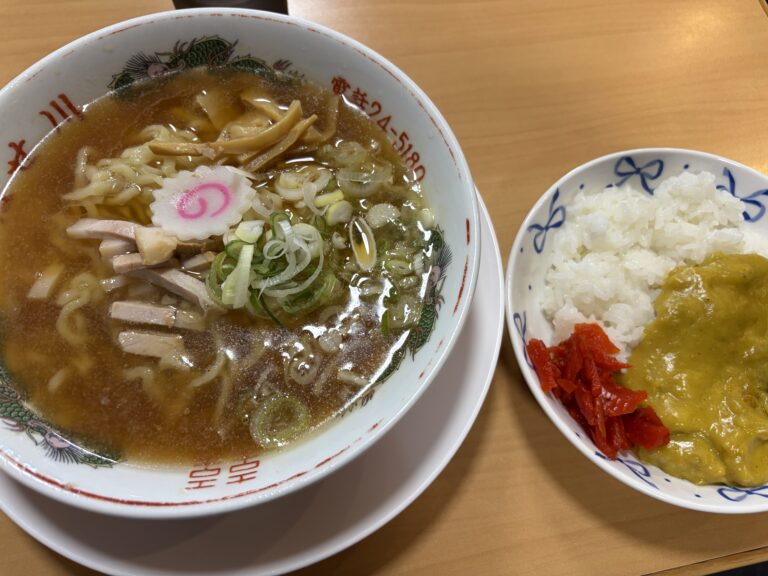
Kitakata Ramen
Kitakata ramen has a history stretching back nearly 100 years. Its defining feature is the flat noodles, approximately 4 mm wide, known as ‘flat, matured, high-water-content noodles’. These contain more water than standard noodles, giving them a smooth, effortless texture when swallowed, whilst offering a firm, springy bite. Furthermore, as they are carefully matured, they are said to resist becoming soggy even when boiled. There are around 90 ramen shops in Kitakata City, some of which are open from early in the morning. ‘Hasegawa Shōten’, located just north of Kitakata City Hall. This shop’s signature dish is traditional Shōwa-era ramen.…
- Food
- Fukushima
- Spot introduction
-
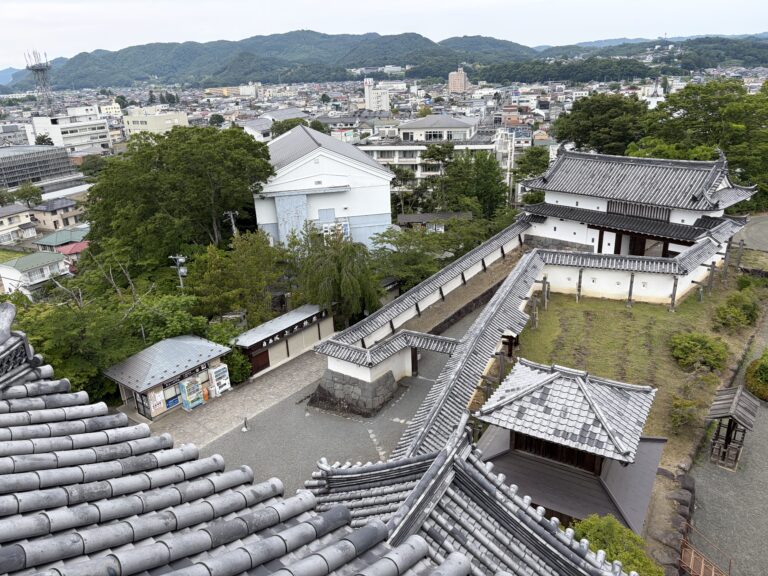
Shiroishi Castle
Shiroishi Castle saw a rapid succession of lords—Yashiro, Gamō, Amakasu, Ishikawa and Katakura—in just under 20 years. Under the ‘One Province, One Castle’ edict issued by the Tokugawa shogunate in 1615, daimyo across the country were required to demolish all their castles except their main strongholds. However, it is said that Katakura Kagetsuna, a senior retainer of the Date clan, was recognised by the shogunate for his services and was granted special permission to retain the castle. Although the castle was abandoned in the early Meiji period, it was restored in 1995. It is said that over 40,000 Mino cold-resistant…
- Miyagi
- Spot introduction
-
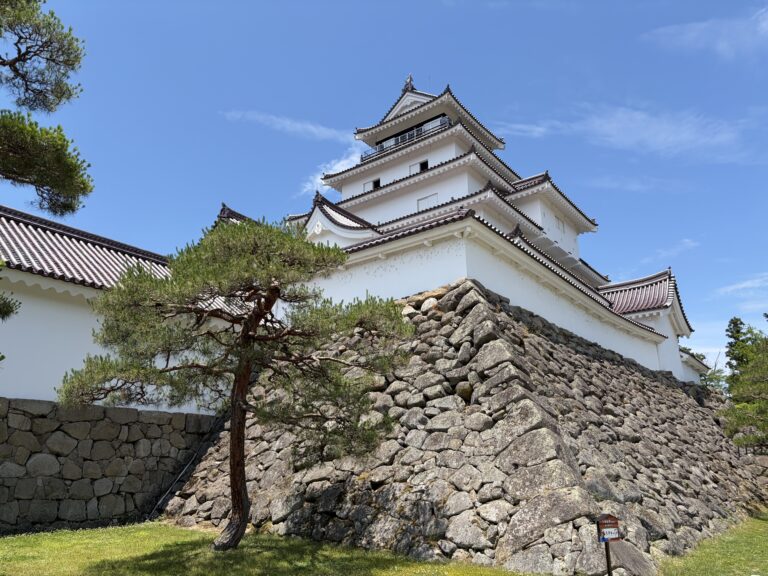
Tsurugajō Castle
Tsurugajō Castle, where the Aizu Domain held out for a month against attacks by the forces of the new government during the Boshin War. The Boshin War was the largest civil war in modern Japanese history, fought between the forces of the new government—which had been established following the Restoration of Imperial Rule—and the forces of the former shogunate; it ended with the victory of the new government’s forces. From the main keep, one can see Mount Iimori, where the Byakkotai—a unit composed of boys aged 16 to 17—committed ritual suicide following a fierce battle with the new government forces.…
- Fukushima
- Spot introduction
-
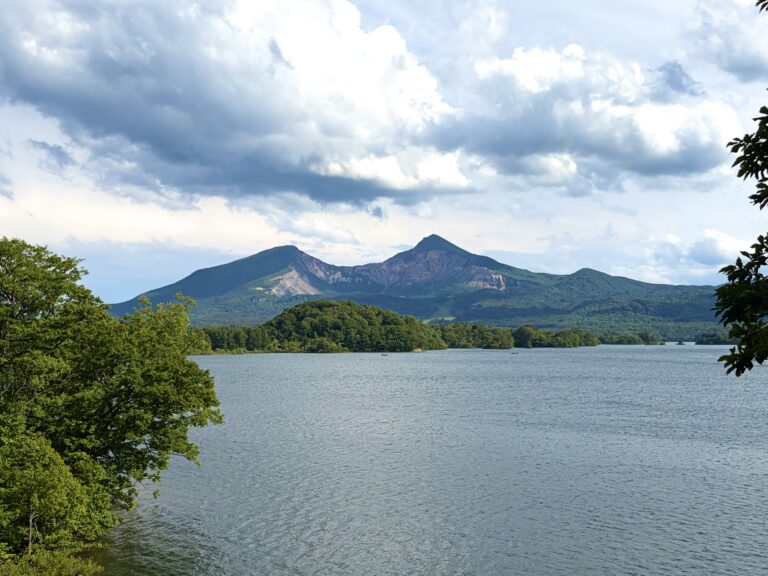
Mount Bandai
Mount Bandai is one of Japan’s 100 Famous Mountains. When viewed from Lake Inawashiro, it presents such an elegant silhouette that it is also known as ‘Aizu Fuji’; however, the view from the north—known as ‘Ura-Bandai’—is entirely different. The 1888 eruption caused the mountain’s slope to collapse, and 477 lives were lost as a result of the resulting mudflows and blast waves. This photograph was taken from Bishamon-numa, a lake formed by that eruption. The view of the cobalt-blue lake surface with Mount Bandai in the background makes this a popular hiking route, but as it is a habitat for…
- Fukushima
- Spot introduction
-
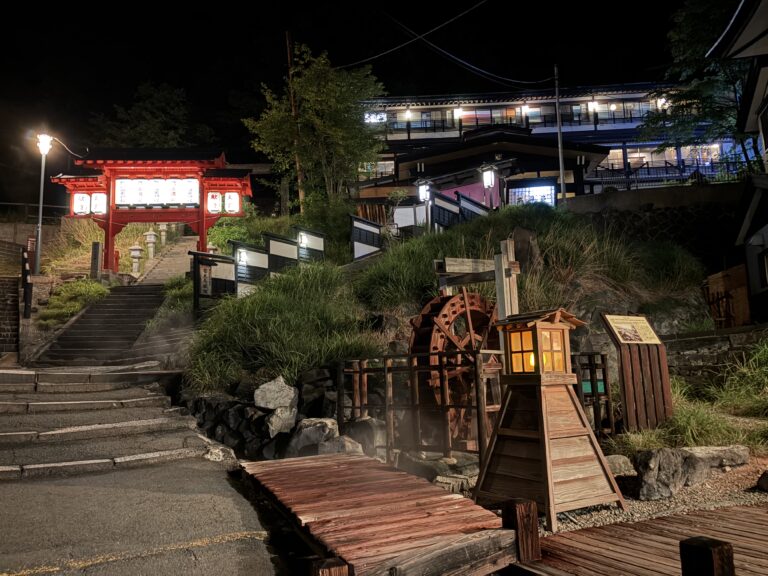
Zaō Onsen
Zaō Onsen is situated halfway up the Zaō mountain range, at an altitude of 900 metres. It has a long history, with records dating back to at least the 9th century; it is even said to have been discovered by a retainer of Emperor Jimmu during his eastern campaign 1,900 years ago. As you climb the slope through the hot spring town, you will come upon Sukawa Onsen Shrine. This shrine, dedicated to the hot springs, has long been a centre of worship, alongside Zaō-san Shrine on the summit of Mount Kumano and Ryūzan Shrine on the summit of Mount…
- Onsen
- Spot introduction
- Yamagata
-
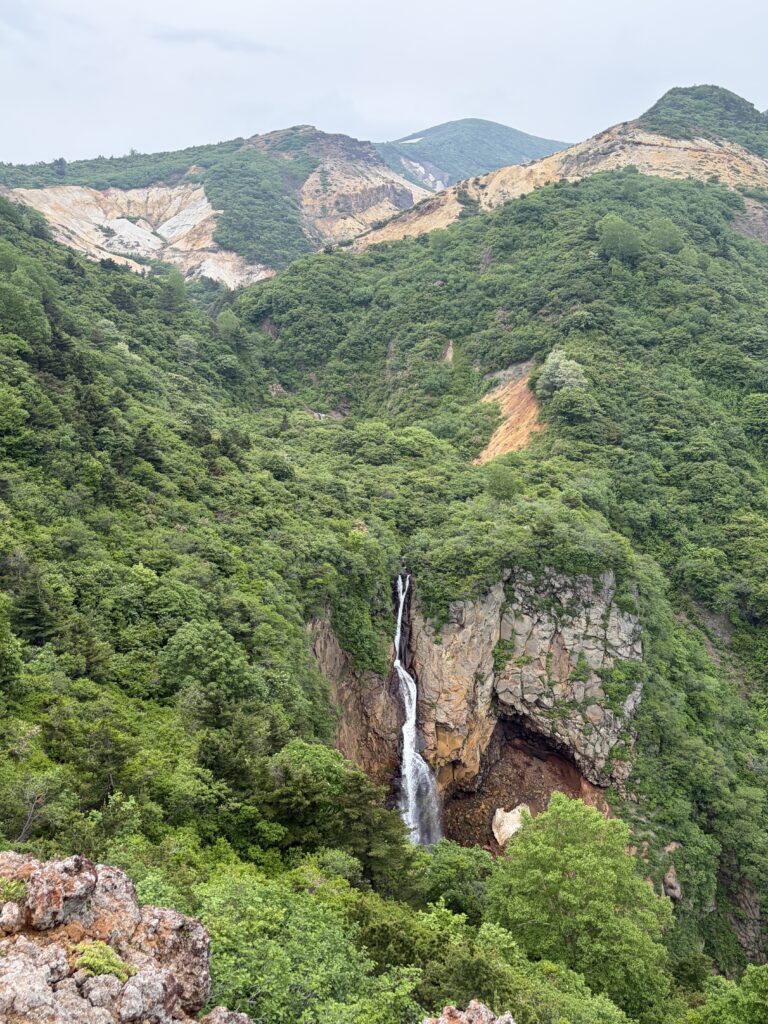
Komakusa-daira
Komakusa-daira is a popular tourist spot in Zaō, on a par with Okama. It was once known as a habitat for clusters of Komakusa flowers. Although their numbers have now declined, you can still see these magnificent flowers around the observation deck. From the observation deck perched on the cliff face, you can admire the 97.5-metre-high Kaerazu-no-Taki Falls, as well as Furiko-no-Taki Falls, which can be seen when snowfields remain or after rainfall. In October, the area is adorned with the crimson hues of painted maple and Erman's birch, making it a renowned spot for autumn foliage.
- Miyagi
- Spot introduction
-
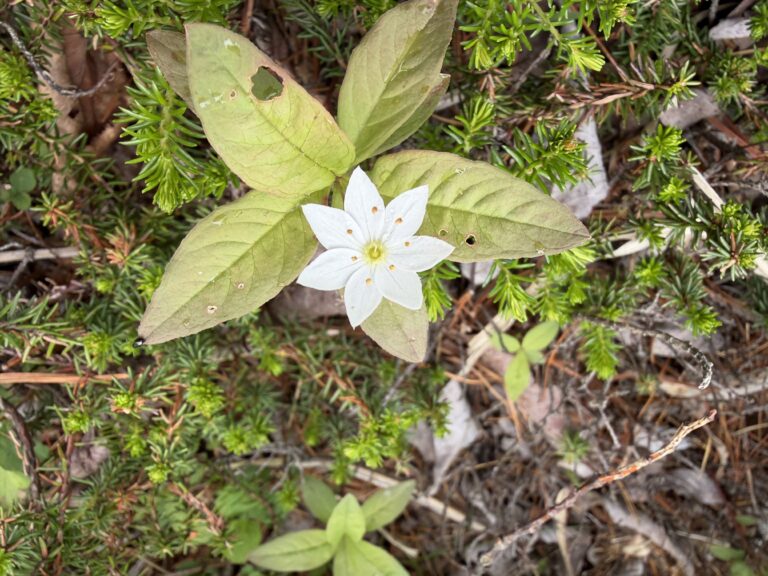
Chickweed wintergreen
The Chickweed wintergreen is a plant that quietly produces small, white, star-shaped flowers measuring about 2 cm in diameter. Whilst it is said that around half of the alpine plants found in Japan are endemic to the country, this flower is widely distributed not only across the boreal regions of the Eurasian continent but also in the north-western part of North America. In Zaō, it is said to be visible from June onwards, particularly around the summit station of the ropeway. True to its floral meaning of ‘purity of heart’, it is a flower that has a soothing effect on…
- Flower
- Miyagi
- Spot introduction
-
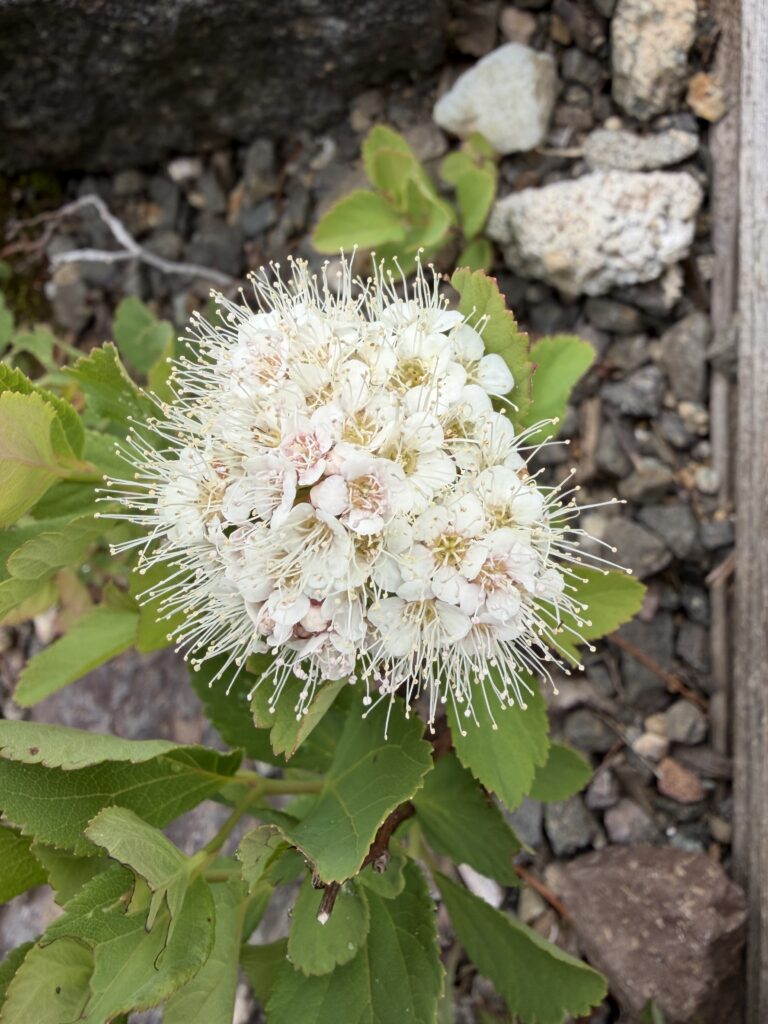
Maruba-shimotsuke, Spiraea betulifolia
Maruba-shimotsuke is a tree native to alpine grasslands and gravelly areas from Hokkaido to the central part of Honshu. As the kanji characters ‘丸葉下野’ suggest, its Japanese name means ‘Shimotsuke with round leaves’. Shimotsuke is a shrub related to the rose family; it is said to have been named after Shimotsuke Province—now part of Tochigi Prefecture—where it was first discovered. Its small white flowers cluster in round clusters, blooming much like hydrangeas. It is said to flower from June onwards in Mount Zaō, and I saw many of them blooming along the trekking trails. As it is highly adaptable to…
- Flower
- Miyagi
- Spot introduction
-
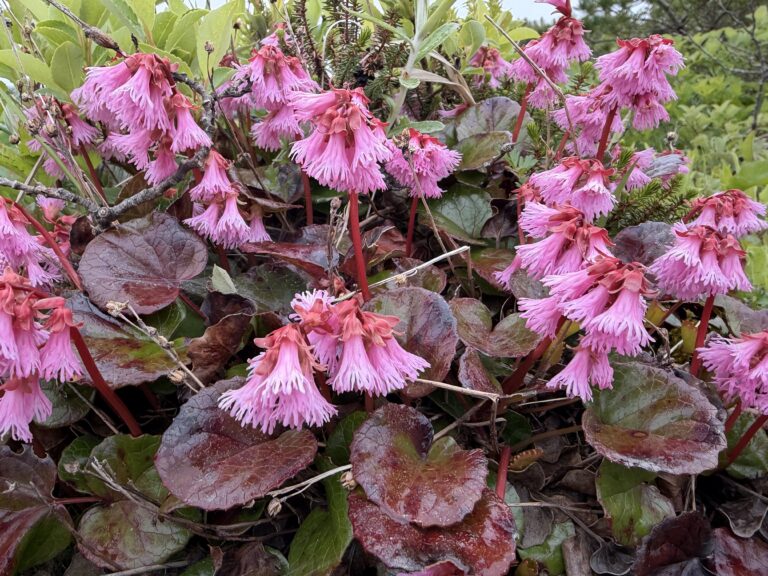
Iwa-Kagami, Schizocodon soldanelloides
Iwa-Kagami is a species endemic to Japan, found throughout the country, from Hokkaido to Kyushu. It grows wild on rocky (Iwa in Japanese) slopes, and its name is thought to derive from the fact that its glossy leaves resemble a mirror (Kagami in Japanese). It is found on both low- and high-altitude mountains, and in alpine regions such as Mount Zaō, its pink flowers begin to bloom in June. It is perhaps because its flowers bloom modestly, facing downwards, that their floral meaning is ‘fidelity’. This seems very typically Japanese, and it is easy to see why this species is endemic…
- Flower
- Miyagi
- Spot introduction
-
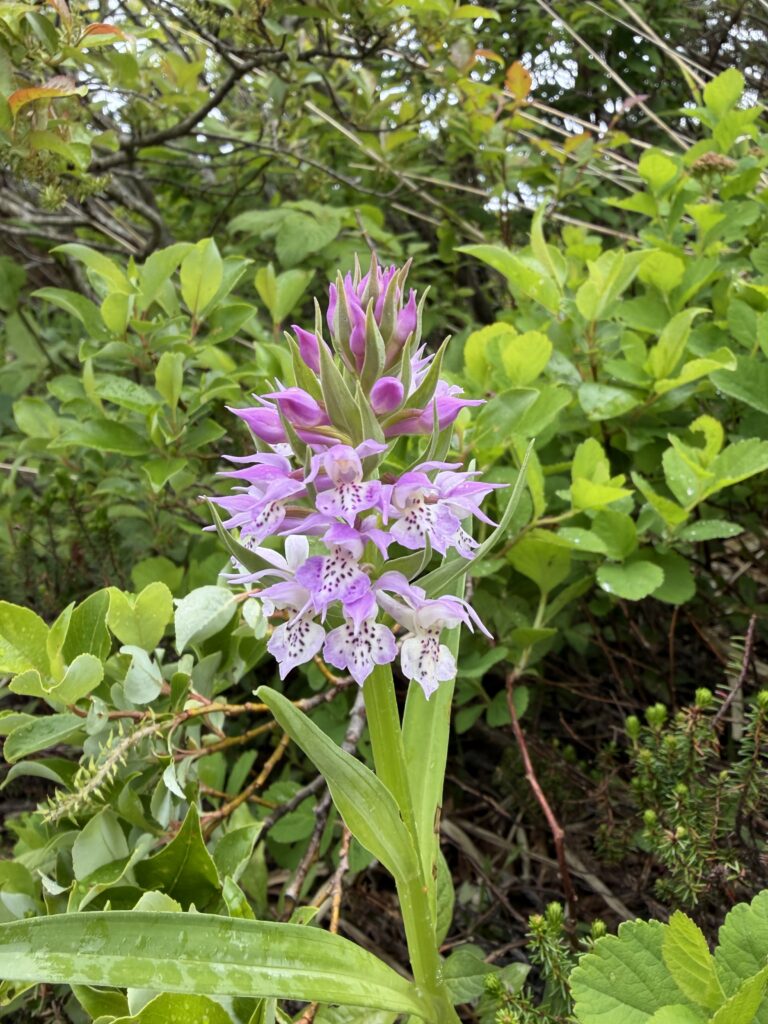
Hakusan-chidori, Dactylorhiza aristata
The Hakusan-chidori got its name because it was frequently spotted on Mount Hakusan, situated on the border between Ishikawa and Gifu prefectures, and because the shape of its flowers and the way they bloom resemble the flight of a plover (chidori in Japanese). It is an alpine plant found in Japan from Hokkaido to central Honshu, and it blooms with purple flowers from June to August. Although specimens with white flowers are reportedly seen every year in Zaō, one occasionally comes across specimens with particularly striking white flowers, as shown in the photograph.
- Flower
- Miyagi
- Spot introduction
-
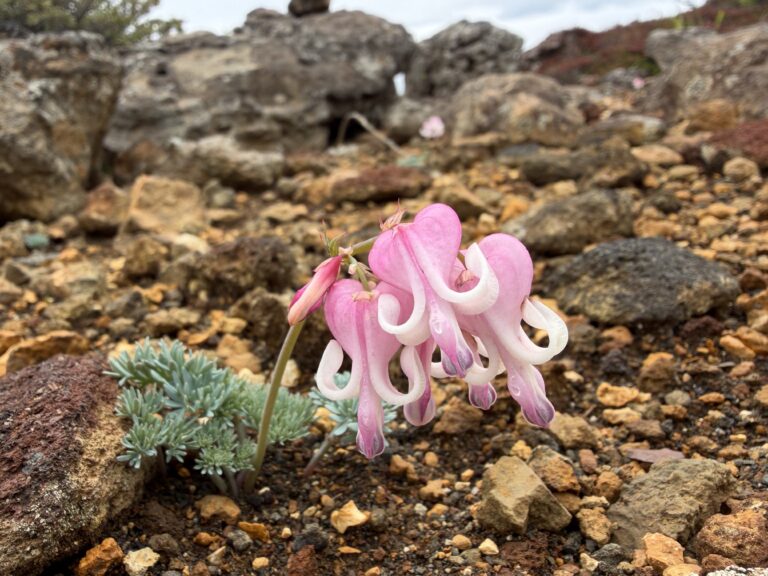
Komakusa (Alpine bleeding heart)
The Komakusa, which produces delicate pink flowers. In Zaō, it reportedly begins to bloom in mid-June and reaches its peak in July. A large colony can be found near the Komakusa-daira car park, located on the Miyagi Prefecture side of the Zaō Echo Line road. As it blooms in gravelly terrain where other plants cannot grow, giving it an air of nobility, it is known as the ‘Queen of Alpine Plants’. It has long been used as a medicinal herb to relieve stomach ache; indeed, some mountains have seen the plant driven to extinction by poaching, and some local authorities…
- Flower
- Miyagi
- Spot introduction