

Blog
Blog Kyoto 2ページ目
-
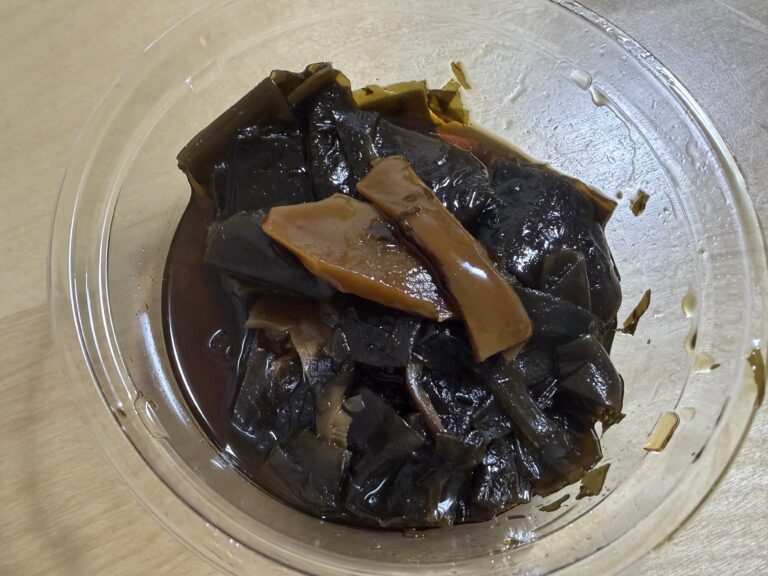
Matsutake-Konbu
‘Toba Ume Grocery Shop’ remains a greengrocer that embodies the spirit of Kyoto. With the arrival of September, Matsutake-Konbu has taken the place of chirimen sansho (dried baby sardines with sansho pepper) on the shop shelves. This dish is made by slowly simmering matsutake mushrooms and kelp in dashi stock, soya sauce, mirin, sake and sugar. It is the perfect accompaniment to plain white rice and is sure to whet your appetite. It is said that Matsutake-Kombu originated in Arima Onsen, Hyogo Prefecture, where local matsutake mushrooms were combined with kombu from Hokkaido—transported to the Kansai region by Kitamae ships—to…
- Food
- Kyoto
-
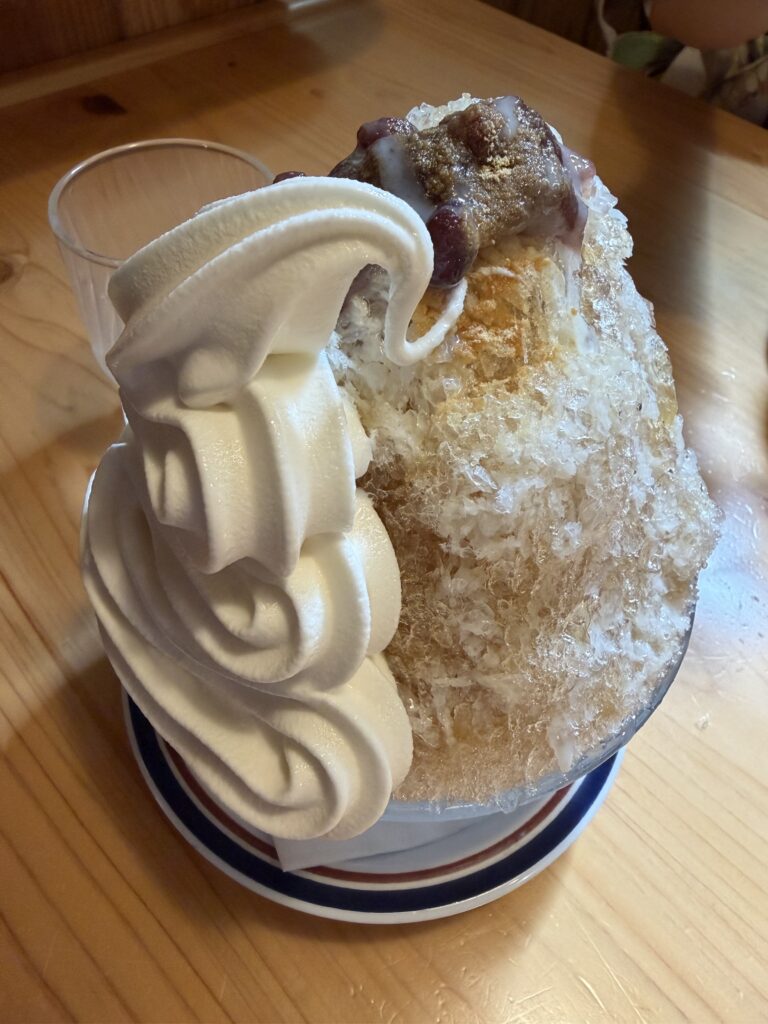
Komeda Coffee Shop’s Shaved Ice
Komeda Coffee Shop has now become a nationwide chain. It first opened in Kyoto in 2010. I used to pop down to the shop in front of Nijo Station quite often, as I could enjoy menu items I’d grown fond of back in my hometown of Gifu. Shaved ice is a summer staple at Komeda Coffee Shop. Whilst new menu items are announced every year, this year the ‘Kuro-mitsu Kinako Zenzai Ice’ is available as a limited-edition offering in the Western Japan region. This shaved ice combines the gentle sweetness of Hokkaido adzuki beans with a rich black sugar syrup…
- Japanese dessert
- Kyoto
-

Golden Ring at Chion-in Temple
Chion-in is the head temple of the Jōdo-shū sect. Built in 1621 on the orders of Hidetada, the second shogun of the Tokugawa shogunate, its Sanmon gate—50 metres wide and 24 metres high—is often featured in Japanese history textbooks. Upon passing through the Sanmon Gate, a large golden ring monument comes into view. It is the work of Irish artist Joseph Walsh and was previously exhibited at the Irish Pavilion during the Osaka World Expo. Although it struck me as somewhat out of place when I first saw it, it strangely grows on you. As it is scheduled to remain…
- Kyoto
- Spot introduction
-

Radio-Controlled Japanese Style Boat in Arashiyama
Kameyama-ya, a Japanese restaurant on the left bank of the Katsura River in Arashiyama. Nearby, you can occasionally spot a radio-controlled Japanese style boat carrying a Rika-chan doll. Apparently, it is a radio-controlled model built by a man named Mr Takahashi; I had already seen it when I first came to Kyoto, so he may have been operating it for nearly 15 years. Every now and then, it passes a real Japanese style boat, which makes for a great photo opportunity, but as it operates on an irregular basis, it’s all down to luck. I’d always wondered how he managed…
- Kyoto
- Spot introduction
-

Ryūgū-mon gate at Zendō-ji
Walking north along the Takase River, near Ichino-Funairi, main temple gate that looks just like the Dragon Palace appears between the buildings. This is the Ryūgū-mon of Zendō-ji Temple, of the Jōdo sect. It is said to have been built in the mid-16th century and, after being destroyed in the Great Tenmei Fire of 1788, to have been rebuilt in 1817; however, the exact details remain unclear. The Ryūgū Gate is characterised by its white plasterwork and arched passageway. Although this architectural style, influenced by Chinese traditions, can be found throughout the country, such structures appear to be relatively rare.…
- Kyoto
- Spot introduction
-

Sparkling Dreams Shinkansen
When I went to meet guests at Kyoto Station, I spotted women standing in the queue on the platform, smartphone in hand. They were there to catch the ‘Sparkling Dreams Shinkansen’, which is running from June this year until March next year. To mark the 25th anniversary of Tokyo DisneySea, the carriages are wrapped in designs featuring familiar characters such as Mickey Mouse and Chip and Dale. With only two to four services running per day, and as the train arrived at Kyoto Station just after midday on this particular day, it was an ideal time to take photographs, and…
- Kyoto
- Spot introduction
-
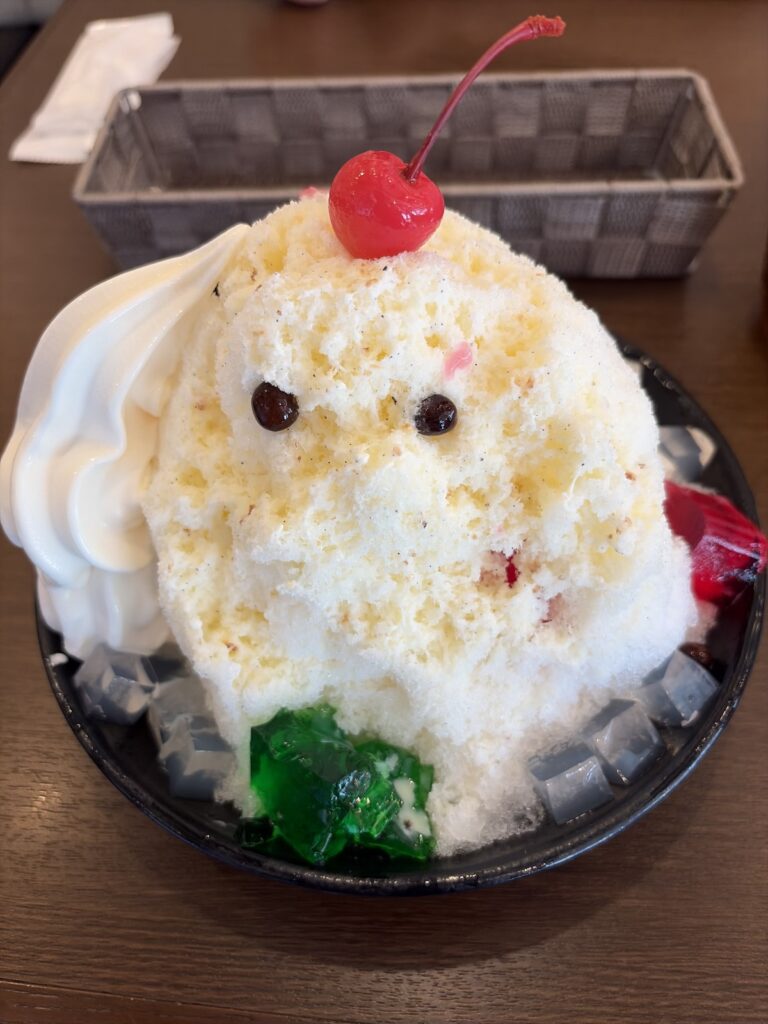
Karafune-ya Coffee’s Shirokuma Shaved Ice
August is drawing to a close, yet the sweltering heat shows no sign of letting up. At times like this, when I eat shaved ice, I’m glad to be in Japan. With more and more shops taking pride in the quality of their ice and ingredients, shaved ice now costs around 2,000 yen. It’s gradually ceasing to be a casual treat, but at Karafune-ya Coffee, you can enjoy a generous portion for under 1,000 yen. This summer, they’ve introduced the ‘Shirokuma’ shaved ice. It’s a speciality from Kagoshima, featuring shaved ice generously drizzled with condensed milk and topped with fruit…
- Japanese dessert
- Kyoto
-
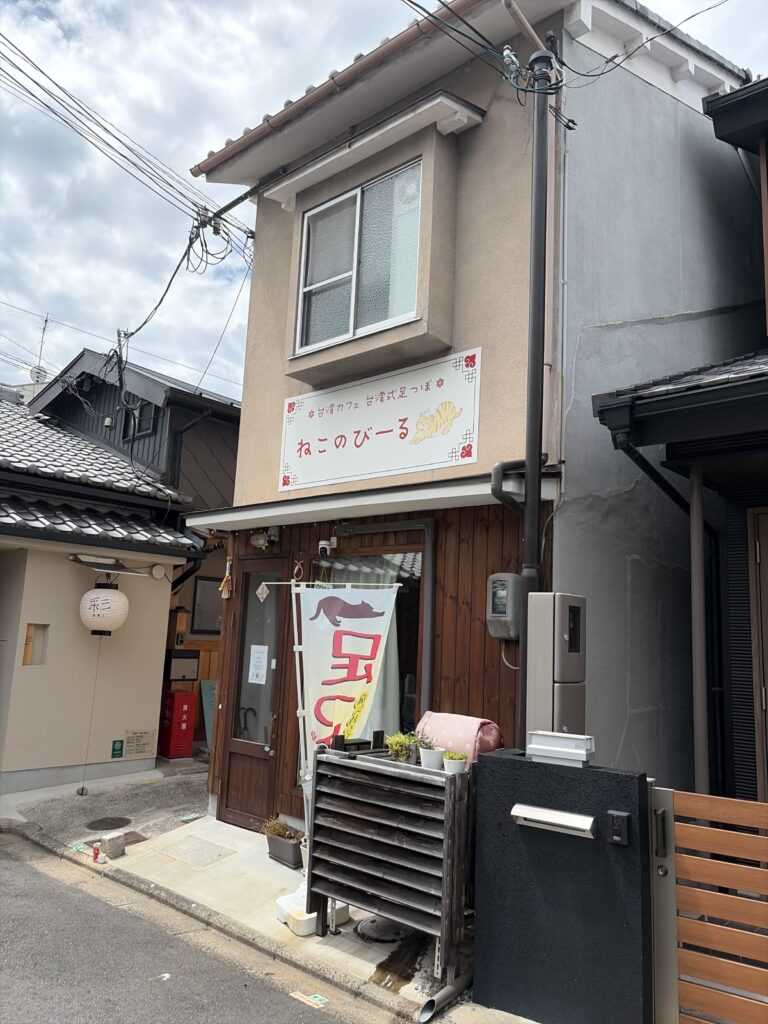
Relaxation salon Nekonobiiiiru
Kyoto has many acupuncture and moxibustion clinics, but relatively few massage parlours compared to other cities. I used to travel all the way to the highly competitive area around Osaka Station, but my recent favourite is ‘Nekonobiiiiru’. It’s a reasonably priced Taiwanese-style foot reflexology parlour, which is quite rare in Kyoto. It used to have a Taiwanese café attached, but as of this month, it’s operating as a massage-only establishment. We do have a foot reflexology machine at our guesthouse, but when I’m tired from walking, having my calves thoroughly massaged makes my body feel much lighter.
- Kyoto
- Travel tips
-
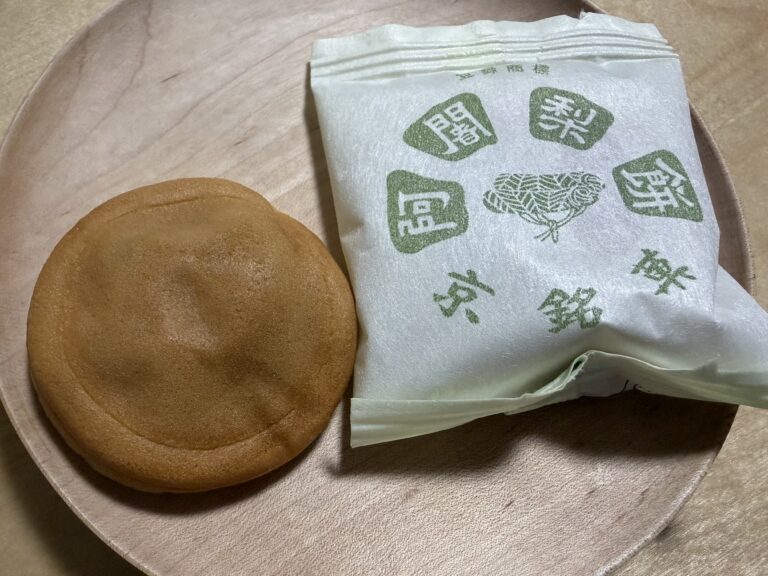
Ajari Mochi
Ajari Mochi is not only a popular souvenir from Kyoto but also a much-loved sweet handed out during the Jizō Bon festival. It consists of Tamba Dainagon adzuki beans wrapped in mochi dough, offering a delightfully chewy texture. It is said that the second-generation proprietor of Mangetsu—a business founded in 1856—developed this sweet in 1922, hoping that people would be able to enjoy sweets made with sugar and eggs, which were expensive at the time, without hesitation. Today, it has become a gift that even the discerning people of Kyoto are delighted to receive. Although the best-before date is five…
- Japanese dessert
- Kyoto
-
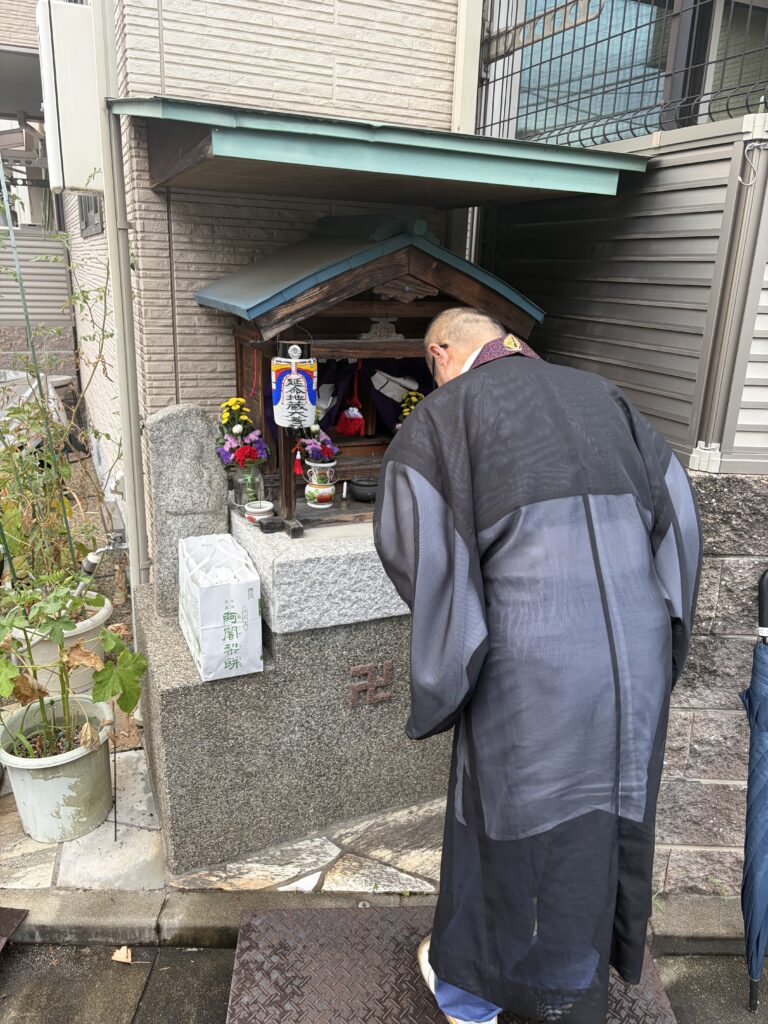
Jizō Bon
Following the Okuribi (sending-off bonfires), Jizō Bon celebrations are held in various parts of Kyoto. These mainly take place on the weekend around 24 August—the festival day of Jizō Bosatsu—during which the altars dedicated to Jizō statues in each neighbourhood are decorated. Local children are invited to enjoy sweets, home-cooked meals and games. When there were still many children in the Higashi-Imadegawa Neighbourhood Association, where our guesthouse is located, a tent would be erected and a ‘shogi’ (traditional long benches) to pray for the children’s good health. Nowadays, as there are only two children left, we simply ask a Buddhist…
- Culture
- Kyoto
-
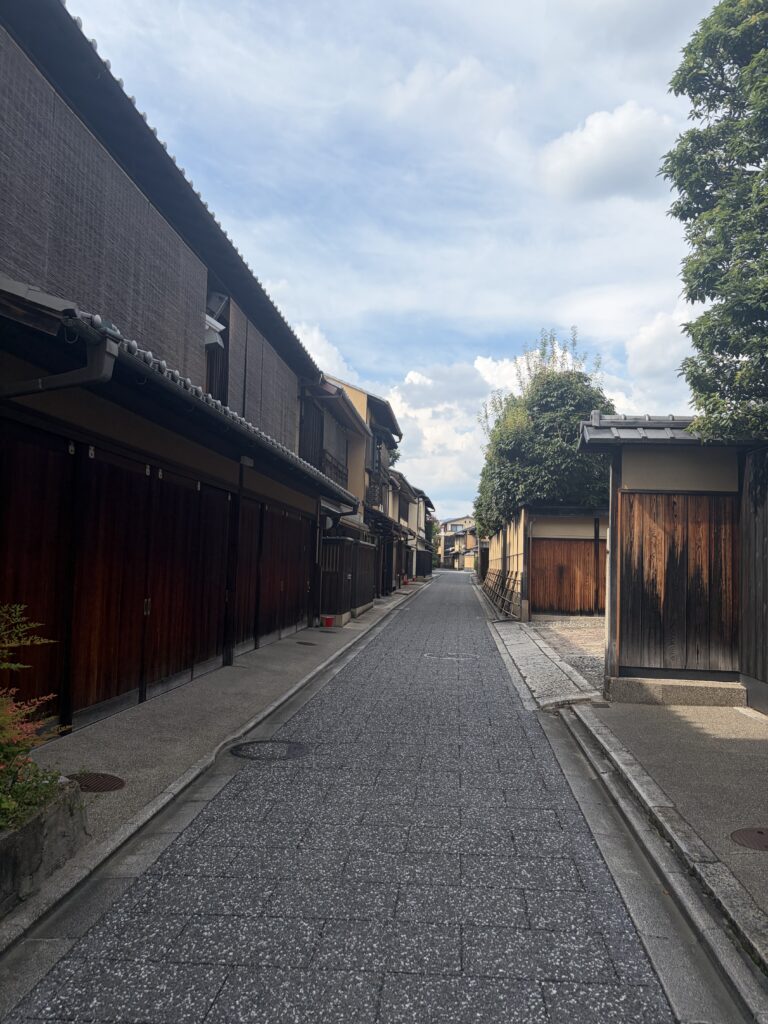
Ogawa-dori
Ogawa-dori still preserves its historic streetscape to this day. True to its common name, ‘Iemoto-dori’ (Head Family Street), it is lined with the tea ceremony head families’ tea houses: Fushin-an of the Omotesenke school and Konnichian of the Urasenke school. As there are no shops catering to tourists, and the electricity poles and wires have been removed, it is one of my favourite spots. At the corner of this street stands a bridge known as Dodobashi; it is said that during the Ōnin War was a civil war that lasted from 1467 to 1477, the Eastern Army led by Hosokawa…
- Kyoto
- Spot introduction
-
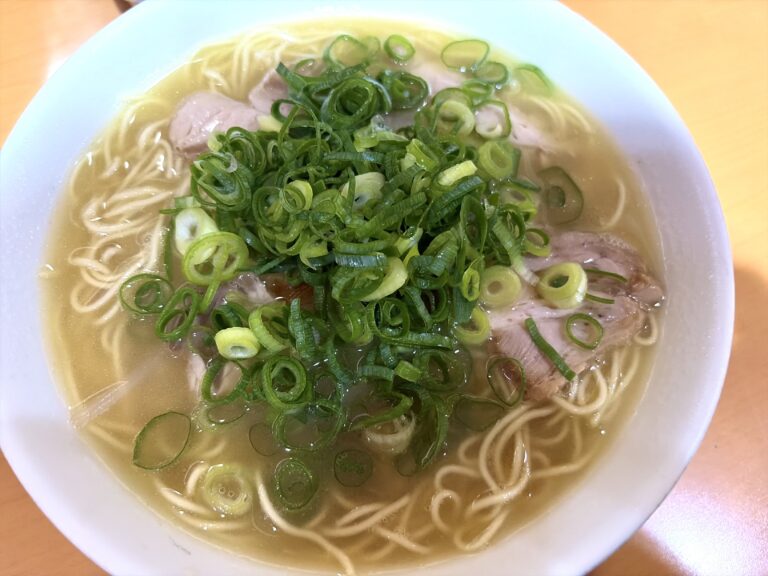
Chicken Paitan Ramen – Tenten-yu
Alongside Chin-yu, Tenten-yu Ichijō-ji honten has played a key part in the history of Ichijōji’s Ramen Street. Starting out as a street stall, it opened its doors in Ichijōji in 1976 and remains one of Kyoto’s leading Chicken Paitan (Creamy chicken broth) ramen establishments to this day. I moved to Kyoto 16 years ago, and the first Kyoto ramen I ever tasted was at this very shop. The thin noodles go perfectly with the broth, which is slowly simmered from chicken bones and vegetables. I was surprised by the sweetness of the chicken and struck by the realisation that this was…
- Kyoto
- restaurant