

Blog
Blog Flower
-
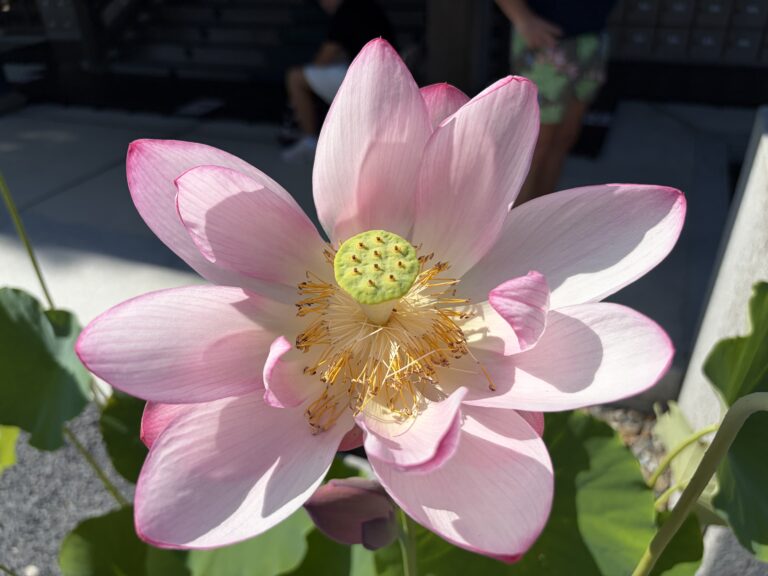
Lotus Flower
When it comes to flowers that add colour to Kyoto in summer, the lotus is the one to mention. The best time to see lotus flowers is from July to August. The lotus flowers at Chion-in Temple have also begun to bloom beautifully. As they start to open around 6 o’clock in the morning and close by midday, they can only be seen in the early hours of the morning. The lotus holds great significance in Buddhism. It is said that the *Vimalakirti Sutra*, one of the Mahayana Buddhist scriptures, contains the phrase ‘the lotus remains pure whilst in the…
- Flower
- Kyoto
-
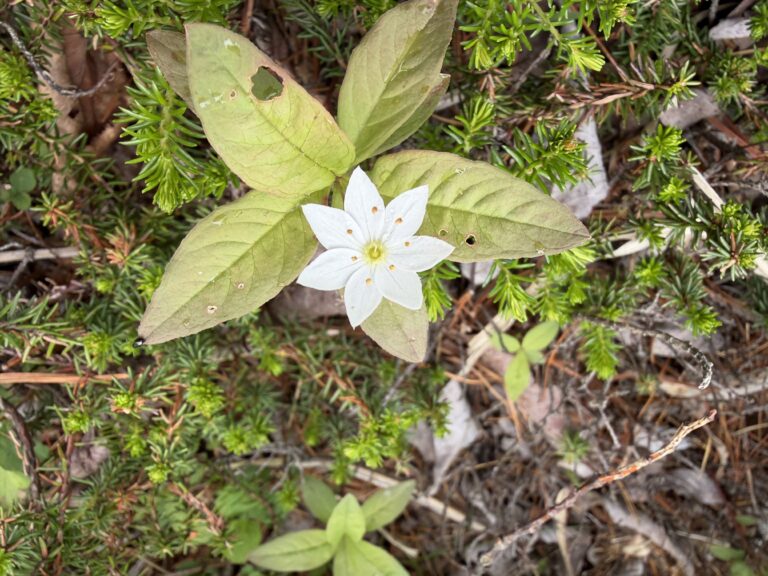
Chickweed wintergreen
The Chickweed wintergreen is a plant that quietly produces small, white, star-shaped flowers measuring about 2 cm in diameter. Whilst it is said that around half of the alpine plants found in Japan are endemic to the country, this flower is widely distributed not only across the boreal regions of the Eurasian continent but also in the north-western part of North America. In Zaō, it is said to be visible from June onwards, particularly around the summit station of the ropeway. True to its floral meaning of ‘purity of heart’, it is a flower that has a soothing effect on…
- Flower
- Miyagi
- Spot introduction
-
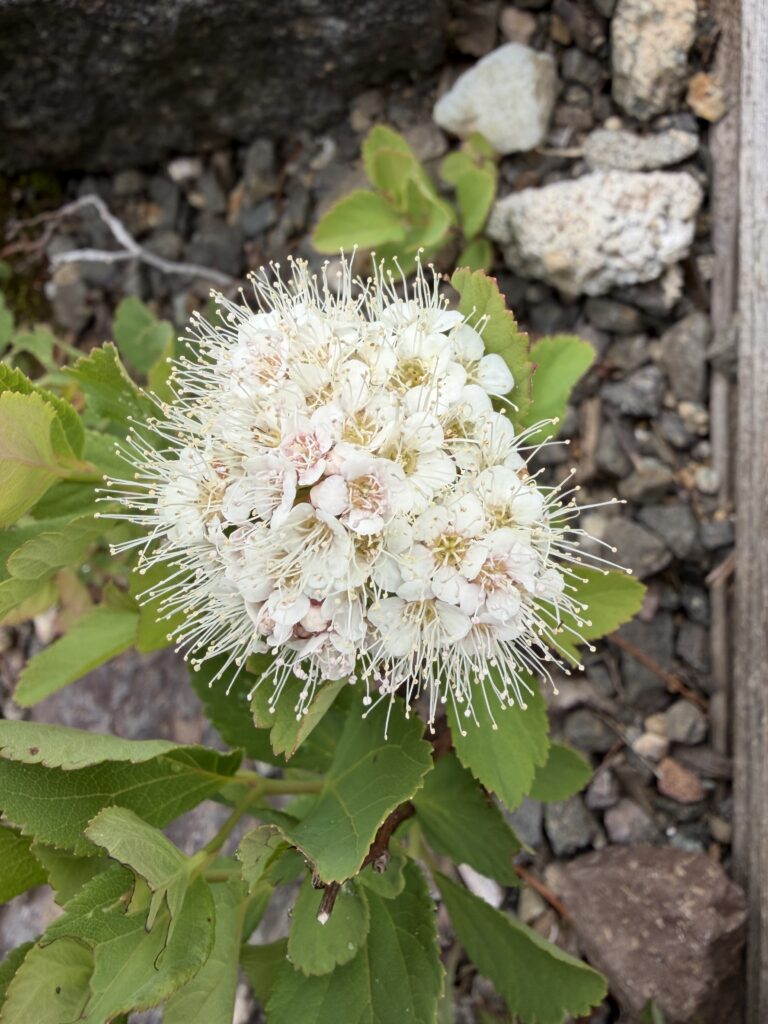
Maruba-shimotsuke, Spiraea betulifolia
Maruba-shimotsuke is a tree native to alpine grasslands and gravelly areas from Hokkaido to the central part of Honshu. As the kanji characters ‘丸葉下野’ suggest, its Japanese name means ‘Shimotsuke with round leaves’. Shimotsuke is a shrub related to the rose family; it is said to have been named after Shimotsuke Province—now part of Tochigi Prefecture—where it was first discovered. Its small white flowers cluster in round clusters, blooming much like hydrangeas. It is said to flower from June onwards in Mount Zaō, and I saw many of them blooming along the trekking trails. As it is highly adaptable to…
- Flower
- Miyagi
- Spot introduction
-
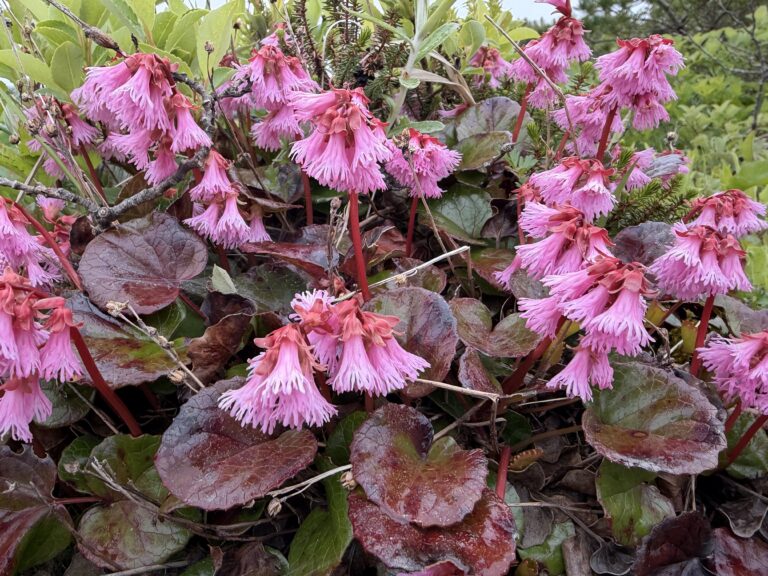
Iwa-Kagami, Schizocodon soldanelloides
Iwa-Kagami is a species endemic to Japan, found throughout the country, from Hokkaido to Kyushu. It grows wild on rocky (Iwa in Japanese) slopes, and its name is thought to derive from the fact that its glossy leaves resemble a mirror (Kagami in Japanese). It is found on both low- and high-altitude mountains, and in alpine regions such as Mount Zaō, its pink flowers begin to bloom in June. It is perhaps because its flowers bloom modestly, facing downwards, that their floral meaning is ‘fidelity’. This seems very typically Japanese, and it is easy to see why this species is endemic…
- Flower
- Miyagi
- Spot introduction
-
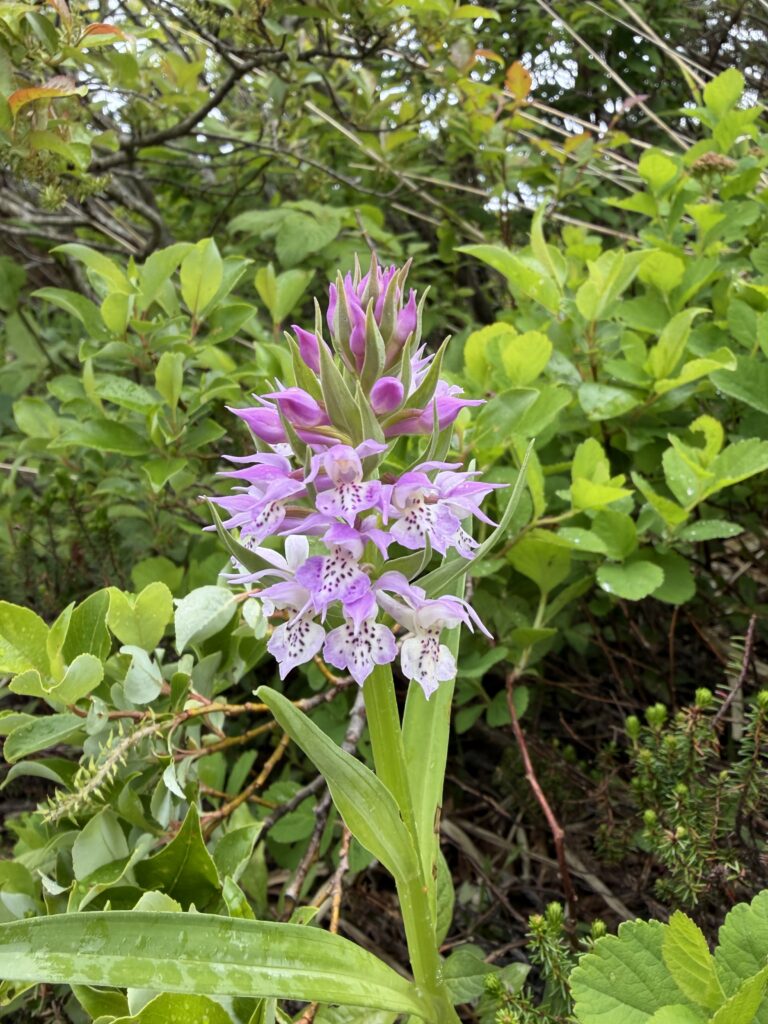
Hakusan-chidori, Dactylorhiza aristata
The Hakusan-chidori got its name because it was frequently spotted on Mount Hakusan, situated on the border between Ishikawa and Gifu prefectures, and because the shape of its flowers and the way they bloom resemble the flight of a plover (chidori in Japanese). It is an alpine plant found in Japan from Hokkaido to central Honshu, and it blooms with purple flowers from June to August. Although specimens with white flowers are reportedly seen every year in Zaō, one occasionally comes across specimens with particularly striking white flowers, as shown in the photograph.
- Flower
- Miyagi
- Spot introduction
-
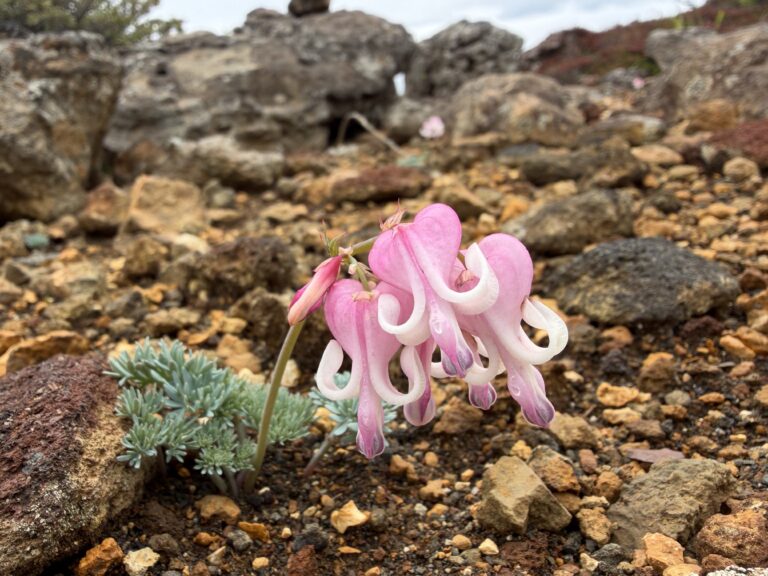
Komakusa (Alpine bleeding heart)
The Komakusa, which produces delicate pink flowers. In Zaō, it reportedly begins to bloom in mid-June and reaches its peak in July. A large colony can be found near the Komakusa-daira car park, located on the Miyagi Prefecture side of the Zaō Echo Line road. As it blooms in gravelly terrain where other plants cannot grow, giving it an air of nobility, it is known as the ‘Queen of Alpine Plants’. It has long been used as a medicinal herb to relieve stomach ache; indeed, some mountains have seen the plant driven to extinction by poaching, and some local authorities…
- Flower
- Miyagi
- Spot introduction