

Blog
Blog 2026年8月
-
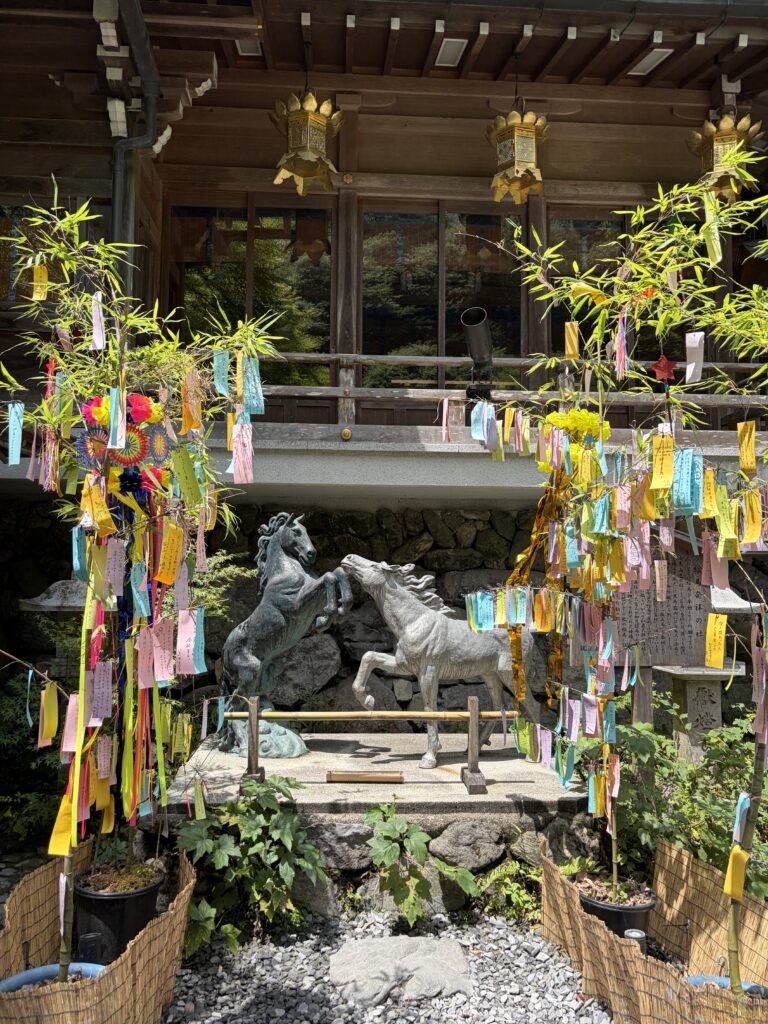
Birthplace of Ema
Ema are wooden plaques on which people write their wishes and dedicate them to a shrine. In the past, people would offer live horses—which were regarded as the deities’ mounts—to pray for rain or for the rain to stop; however, these were eventually replaced by horse figurines or wooden plaques painted with images of horses. Although they are traditionally offered at shrines, as they are small wooden items, an increasing number of foreign tourists are purchasing them as souvenirs. Kifune Shrine is considered to be the birthplace of these ema. Within the shrine grounds stand statues of a white horse…
- Kyoto
- Spot introduction
-
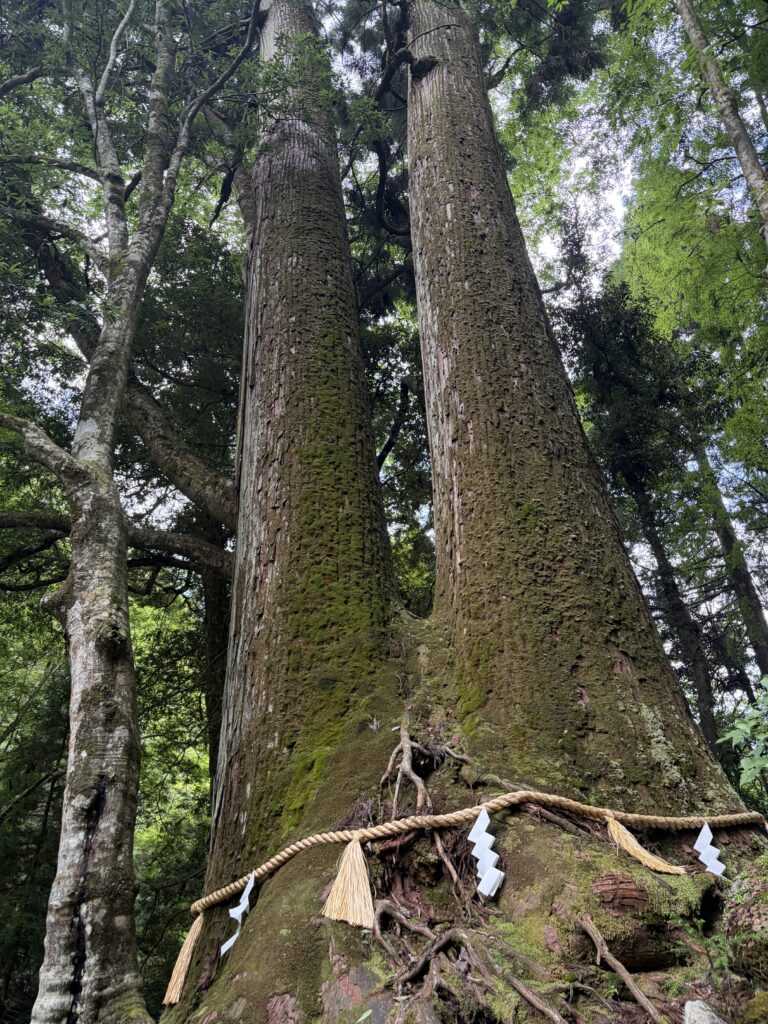
Aioi Cedar
The Aioi Cedar stands within the precincts of the Okumiya (Inner Shrine) at Kifune Shrine. Whilst Kifune Shrine is home to other sacred trees, such as the katsura, this one is the most impressive of them all, causing many worshippers to pause in its presence. Two trunks rise straight towards the sky from a single root, and the tree is said to be 1,000 years old. As its appearance has been likened to an elderly couple living in harmony, the kanji characters ‘相老’ (meaning ‘to grow old together’) were applied to it; furthermore, the characters ‘相生’—which share the same pronunciation…
- Kyoto
- Spot introduction
-
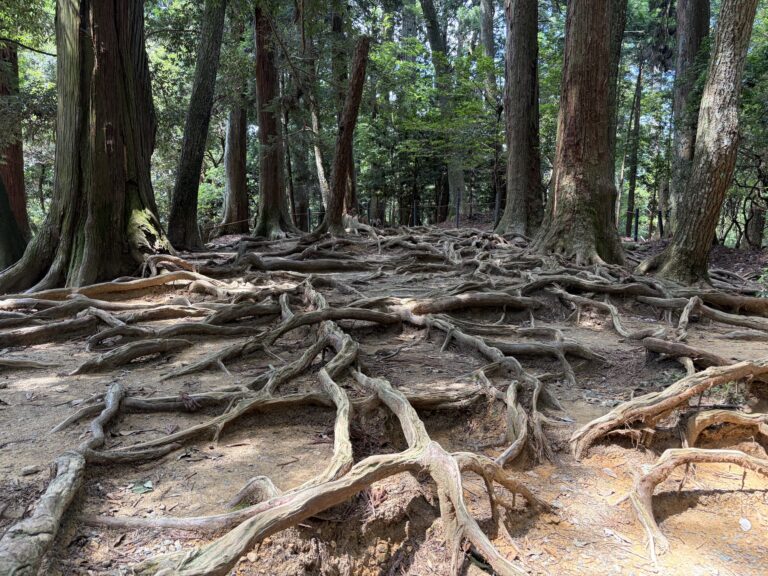
Path of Tree Roots
A short walk along the approach leading from the main hall of Kurama-dera Temple towards Kifune Shrine takes you to the ‘Kinonemichi (Path of Tree Roots)’, where the roots of cedar trees protrude from the ground as far as the eye can see. It is said that magma seeped into the sandstone and cooled in place, creating a layer of rock so hard that the roots cannot break through to the surface. This is the spot where, according to legend, Minamoto no Yoshitsune undertook ascetic training with a tengu, a type of legendary creature found in Shinto belief during his…
- Kyoto
- Spot introduction
-
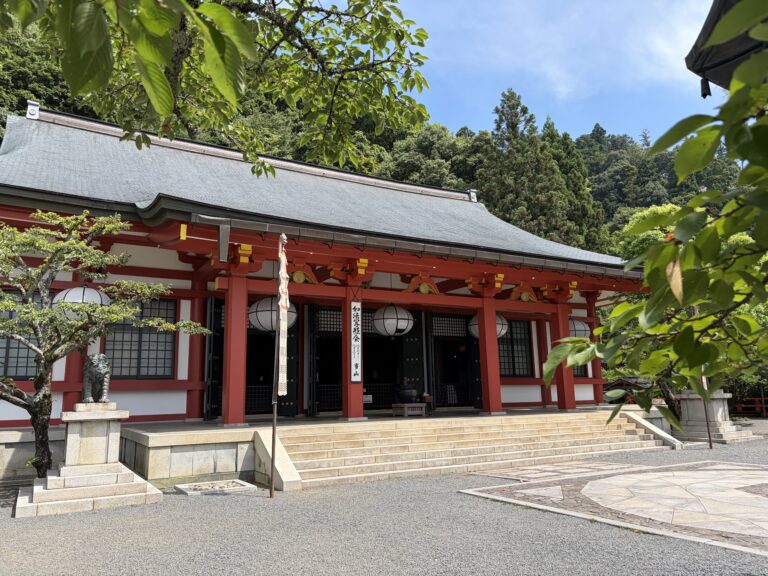
Kurama-dera Temple
Kurama-dera Temple is said to have been founded in 770 and is believed to be where the tragic hero Minamoto no Yoshitsune spent his childhood. It is the head temple of the Kurama Kōkyō sect, which broke away from the Tendai school, and enshrines as its principal deities in the main hall: Bishamonten, the symbol of light; the Thousand-Armed Kannon Bodhisattva, representing love; and Gohō Maōson, the embodiment of power. In front of the main hall lies a stone pavement marked with a hexagram; it is said that if you stand upon it, you can receive the energy of the…
- Kyoto
- Spot introduction