

Blog
Blog Takaoka
-
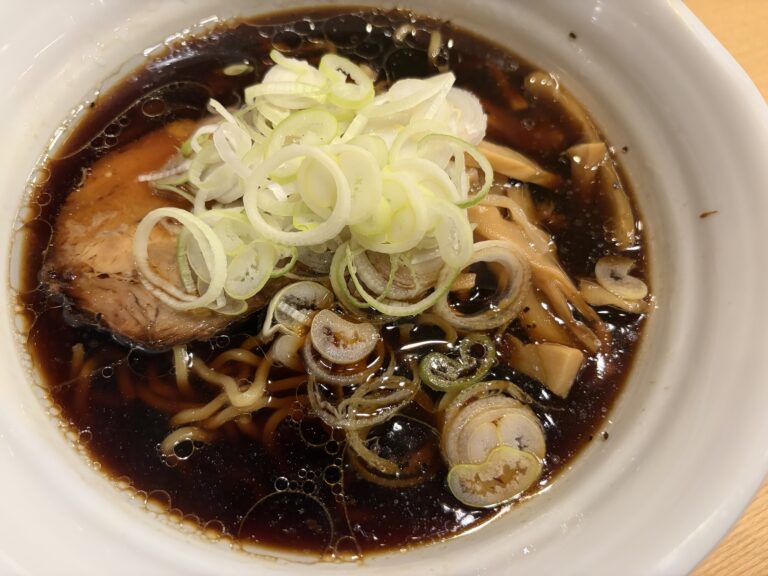
Toyama Black Ramen
Toyama Black Ramen is now available as instant noodles even in supermarkets. Its most distinctive feature is, without a doubt, the jet-black colour of its broth. The jet-black base is made not with tamari soy sauce—the darkest variety—but with dark soy sauce. In August 1945, as the war was drawing to a close, the Great Toyama Air Raid took place. Although almost the entire city centre was destroyed, reconstruction work began immediately after the war, attracting many manual labourers to the area. It is said that ‘Black Ramen’ was created for these workers: a dish with a high salt content,…
- Food
- Takaoka
-
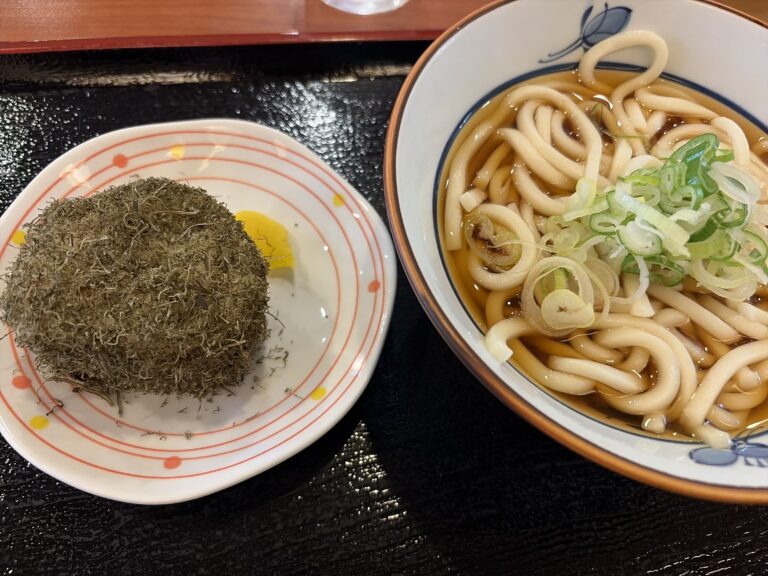
Kombu Onigiri
In Takaoka, it is customary to wrap onigiri (rice balls) in tororo kombu rather than nori. Although Toyama Prefecture, including Takaoka, does not harvest kombu itself, it has the highest consumption of kombu in Japan. This is because, during the Edo period, Takaoka flourished as a port of call for Kitamae ships; at that time, large quantities of kombu harvested in Hokkaido were distributed through the area, and dishes using kombu—such as kobuzime is a traditional cooking method in which ingredients such as white fish and squid are sandwiched between sheets of konbu and left to marinate for several hours…
- Food
- Takaoka
-
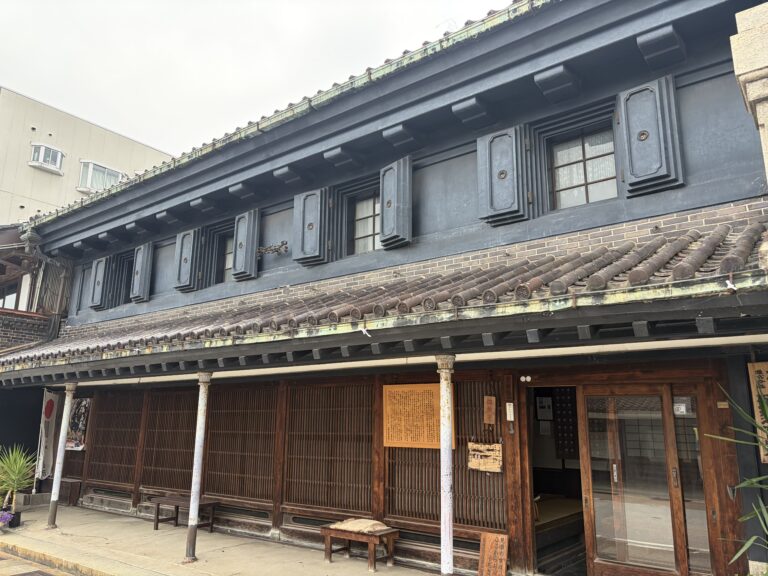
Townscape of Earthen Storehouses along Yamachō-suji
In 1609, Maeda Toshinaga, the second lord of the Kaga Domain, built Takaoka Castle, and the town of Takaoka began to flourish. At that time, he gathered skilled foundrymen to establish a craftsmen’s quarter, and to develop the town as a centre for logistics and commerce, he invited merchants to settle there, thereby creating a merchants’ quarter. This merchants’ quarter is the present-day Yamachō-suji, which is said to have thrived as a commercial hub from the Edo period through to the Meiji period. However, a major fire in June 1900 destroyed 60 per cent of the town of Takaoka. The…
- Spot introduction
- Takaoka
-
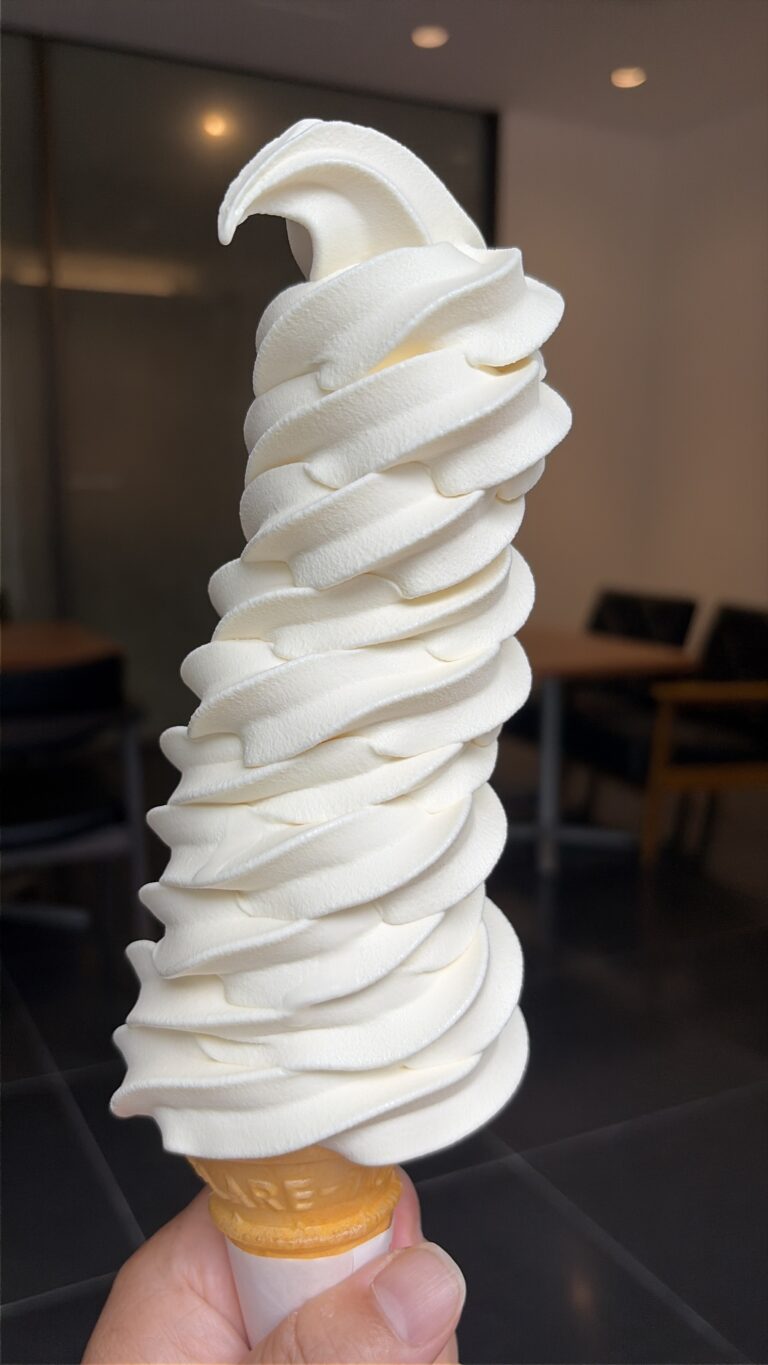
10-Tier Soft-Serve Ice Cream
You can visit the Takaoka Mikurumayama Kaikan just to use the café. The must-try here is the 10-tier soft-serve ice cream. It stands a full 30 cm tall, and if you don’t eat it quickly, your hands will end up sticky with melted ice cream. The price is a mere 300 yen. A standard-sized soft-serve costs 200 yen, but even that is about five tiers high—almost twice the size of those at other shops. A young boy eating a standard-sized soft-serve ice cream was staring at me with wide eyes, looking rather envious. You can also enjoy it at the…
- Japanese dessert
- Spot introduction
- Takaoka
-
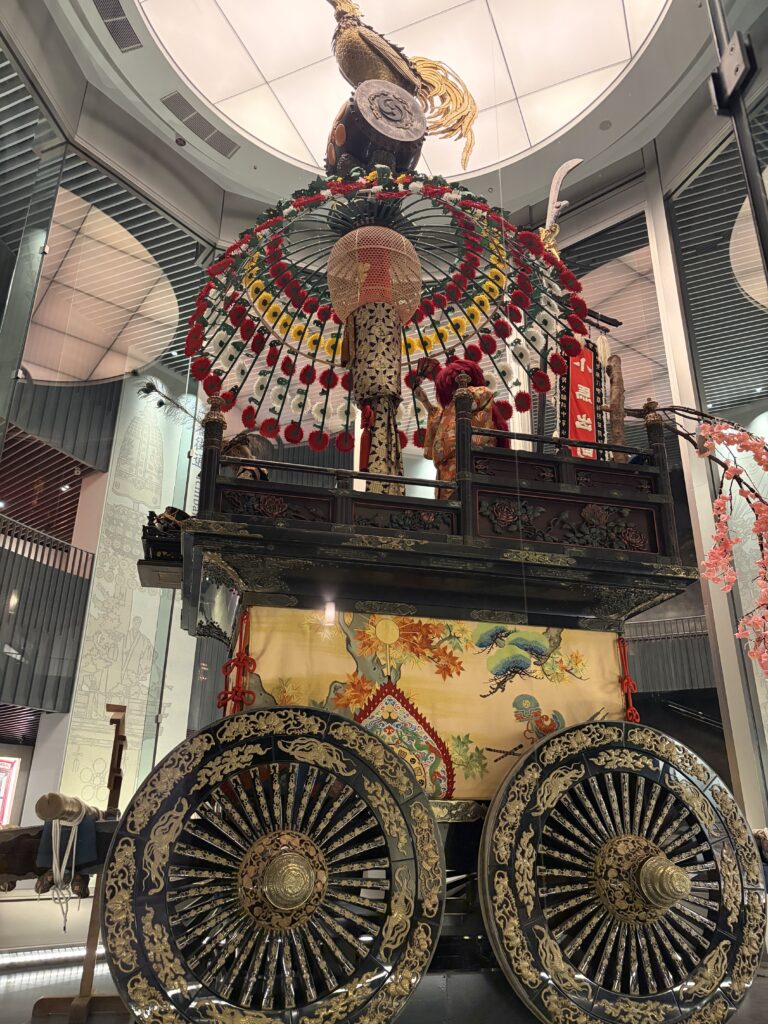
Mikurumayama
The Takaoka Mikurumayama Festival is held every year on 1 May. An ‘Mikurumayama’ is a float featuring a ‘hoko’ (a ceremonial pole), adorned with splendid and opulent decorations; it is listed as a UNESCO Intangible Cultural Heritage. In 1588, when Toyotomi Hideyoshi was appointed Kanpaku (Chancellor) and built Jurakudai—a residence and fortress complex—in Kyoto, he invited the Emperor to visit the estate. It is said that the imperial carriage used for this imperial visit was bestowed upon Maeda Toshiie, the lord of the Kaga Domain, and later transferred to the townspeople by Toshinaga, the second lord of the domain, when…
- Spot introduction
- Takaoka
-
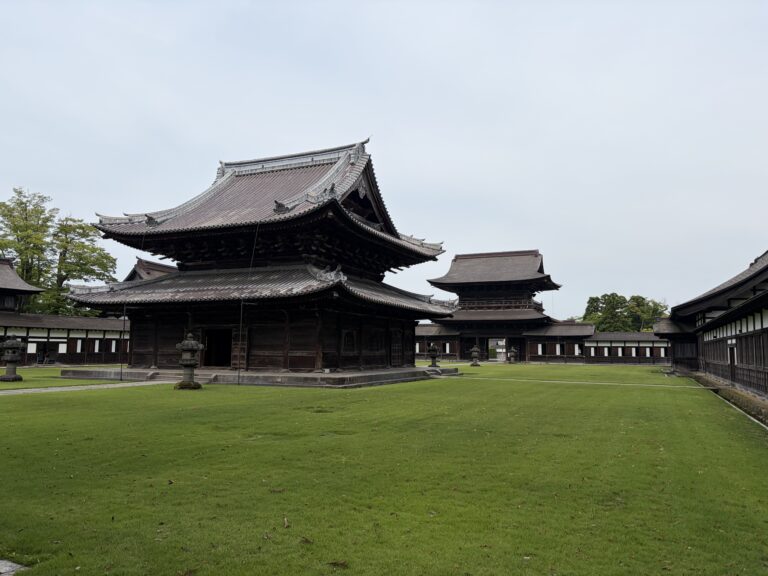
Zuiryū-ji Temple
A 10-minute walk from Takaoka Station, Zuiryū-ji Temple is an essential stop on any tour of Takaoka. The mountain gate, the Buddha Hall and the Dharma Hall are arranged in a straight line and connected by a covered walkway. Modelled on Chinese temple architecture, this layout is known as a ‘garan’; however, it is extremely rare to find a temple where the garan layout has been preserved in its entirety. Furthermore, as they incorporate the finest architectural techniques of the early Edo period, all three structures have been designated as National Treasures. As the temple was built to commemorate Maeda…
- Spot introduction
- Takaoka
-
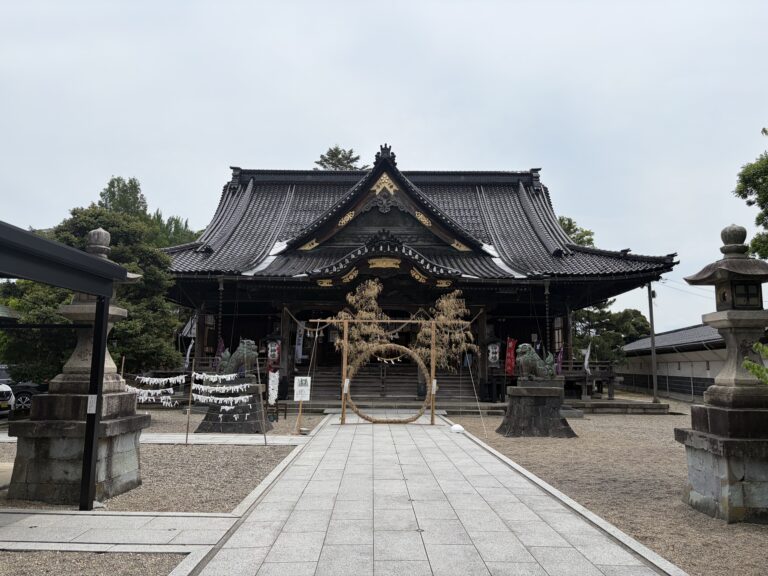
Takaoka Sekino Shrine
I visited Takaoka Sekino Shrine when I opened my guesthouse. My grandfather was from Takaoka, and the story goes that our ancestors who were a parishioner of Sekino Shrine were granted the surname ‘Sekino’. The shrine is known for bestowing blessings such as good fortune and prosperity in business, and my father also paid a visit there before starting his own business. I visited the shrine this weekend for the first time in eight years. Although 30 June had already passed, the ‘chinowa’—a ring of reeds set up for the Nagoe-no-harae purification ritual—was still in place. Passing through the chinowa…
- Spot introduction
- Takaoka