

Blog
Blog 2026年7月
-
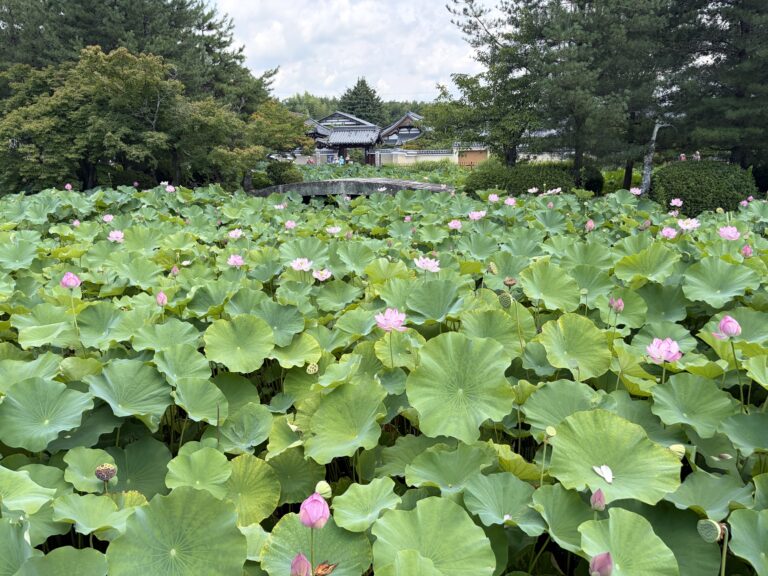
Hōjōchi Pond
The lotus flowers at Hōjōchi Pond, situated to the left after passing through the Chokushi-mon Gate at Tenryū-ji, have been blooming beautifully since mid-July. It comes as a surprise, as all that could be seen in early spring were withered leaves. There are several famous Hōjōchi ponds at temples in Kyoto, including Tenryū-ji and Eikandō. Based on the fundamental Buddhist principle of non-killing, these ponds are places where compassion is practised by releasing captured fish and other creatures back into the wild. The Hōjō-e ceremony, held annually on 15 September at Tenryū-ji, is a service to express gratitude for the…
- Kyoto
- Spot introduction
-
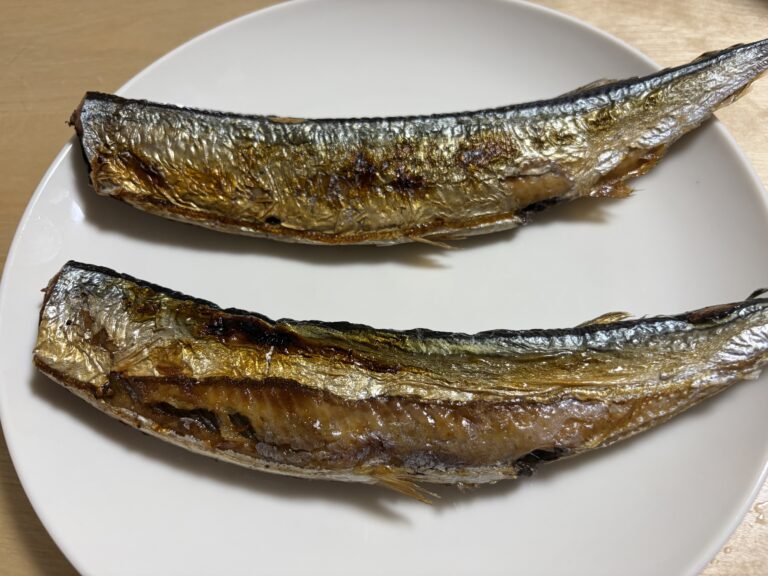
Sanma, Pacific saury
At the first auction of the month, Pacific saury fetched a price of 440,000 yen per kilogramme. In Japan, the kanji for ‘sanma’ depict a fish shaped like a sword that is in season in autumn. Prices are high at this time of year, and the fish are not as fatty as they are in season. However, as the saying goes, ‘Eating the first catch of the season extends your life by 75 days’, so the first catch is considered to bring good luck. Toba Ume Shoten had some Pacific saury landed in Eastern Hokkaido, so I asked them to…
- Food
- Kyoto
-
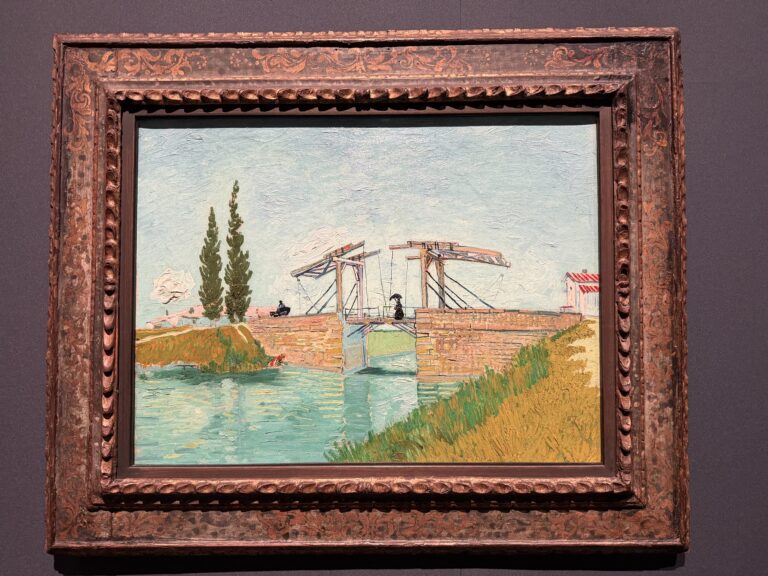
Abeno Harukas Art Museum
Abeno Harukas, standing at 300 metres tall, is Japan’s second-tallest skyscraper. The art museum is located on the 16th floor. However, it does not have a permanent collection and hosts only temporary exhibitions. The exhibition currently running until 9 September is ‘Van Gogh’s Drawbridge and the Impressionist Painters’. Visitors can view 70 works from the collection of the Wallraf-Richartz Museum in Cologne, Germany. Whilst the highlight is Van Gogh’s ‘The Drawbridge’, the exhibition is well-rounded, featuring works by Renoir, Gauguin and Cézanne. Photography is permitted with a few exceptions, but the beautiful blues in the works cannot be captured in…
- Osaka
- Spot introduction
-
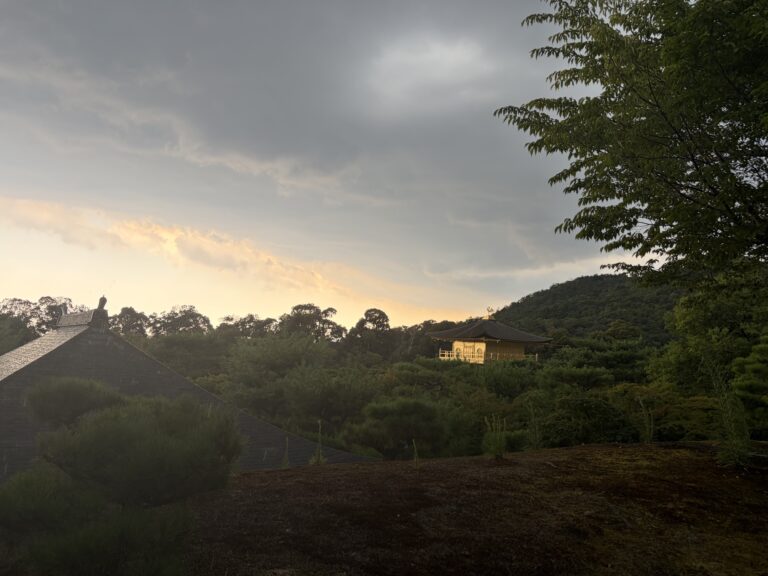
Natural Disasters
Whilst guiding a guest to Kinkaku-ji, we were suddenly caught in a torrential downpour. To make matters worse, there was incessant thunder and lightning. Lightning struck nearby, and everything before my eyes turned completely white. The alarm in a souvenir shop began to blare, which really panicked me. At the same time, as a guide, it made me think about how one should act during a disaster. After safely escorting my guests back to their hotel and settling down to relax at home, the major earthquake struck Kumamoto. Whilst the extent of the damage is not yet clear, I sincerely…
- Column
-
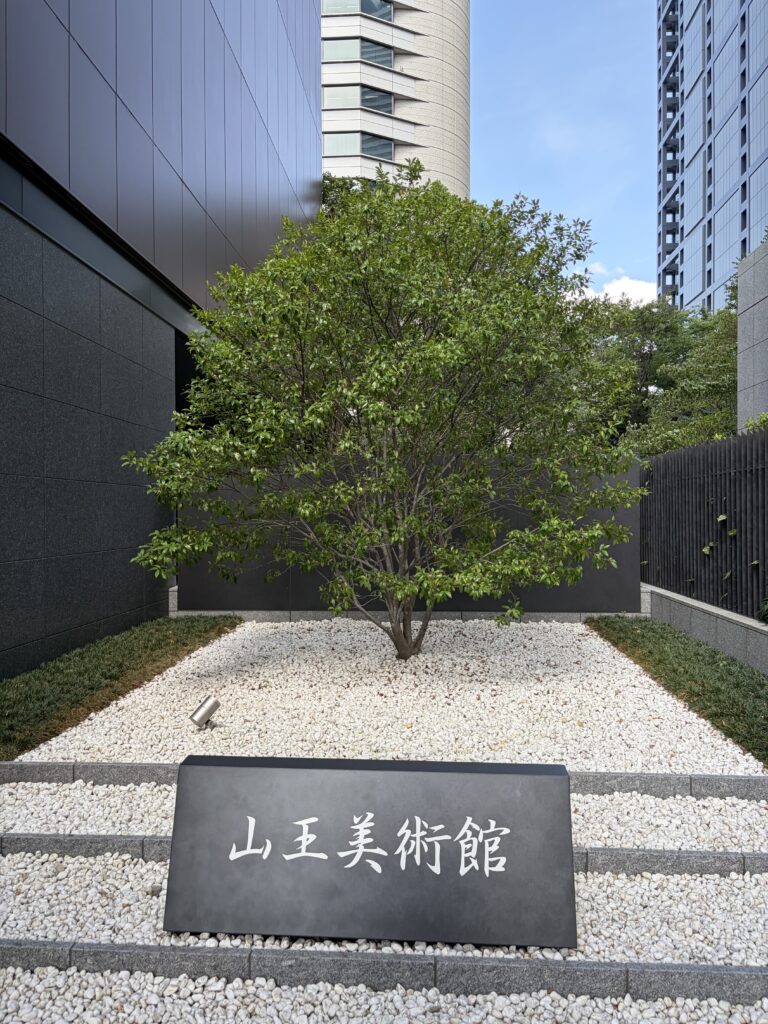
Sannō Art Museum
Although Osaka has the lowest number of art museums per capita—partly due to its role as a centre of commerce and industry—there are still several museums well worth a visit. One of these is the Sannō Art Museum. It exhibits the art collection of Masao Kinoshita, founder of Acom and Hotel Monterey, with the exhibits changing every few months. The Renoir exhibition runs until the end of this month. This collection is never loaned out to other museums, and 12 works, including *Bather by the Fountain*, are being exhibited to the public for the first time. Personally, the work that…
- Osaka
- Spot introduction
-
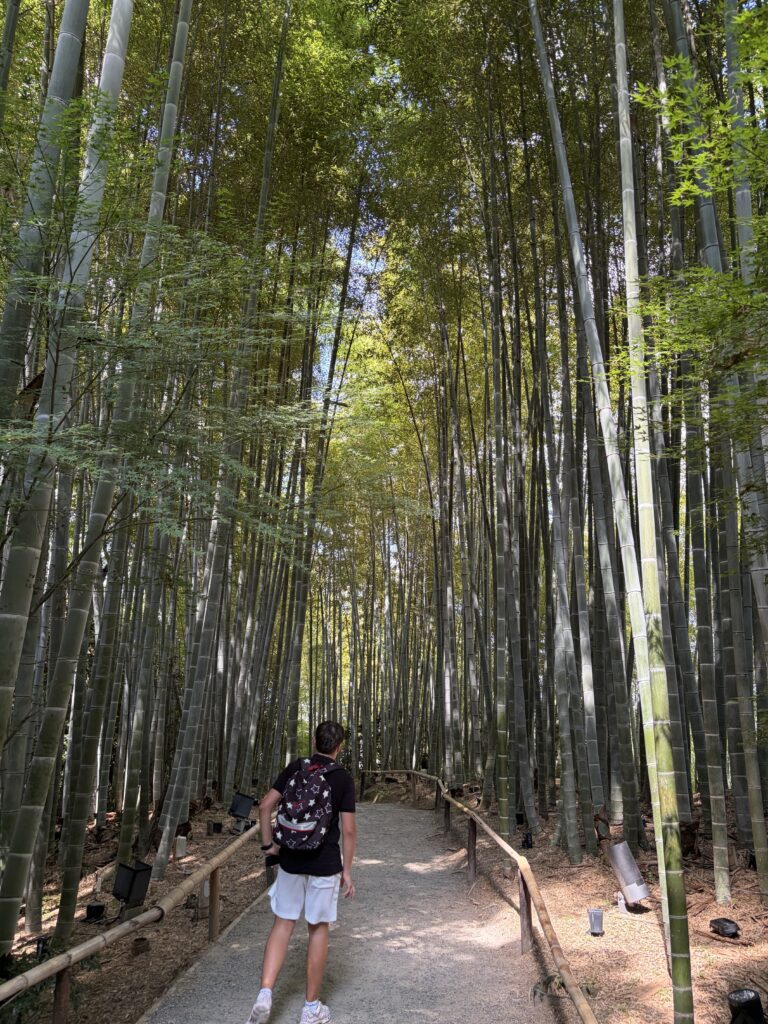
Bamboo Grove at Kōdaiji Temple
Whilst Arashiyama is by far the most famous bamboo grove in Kyoto, there are other beautiful bamboo groves within the city itself. One of these is Kōdai-ji Temple. As there aren’t too many visitors, you can take your time exploring it. Until the end of next month, as part of the ‘Kyoto Summer Travel’ campaign, you can view the *Panryū-zu* (Picture of a Coiled Dragon), a ceiling painting by Kano Sanraku—a master painter who epitomised the beauty of the Momoyama period—which is not usually on public display. The dragon is a guardian deity of Buddhism and is also a being…
- Kyoto
- Spot introduction
-
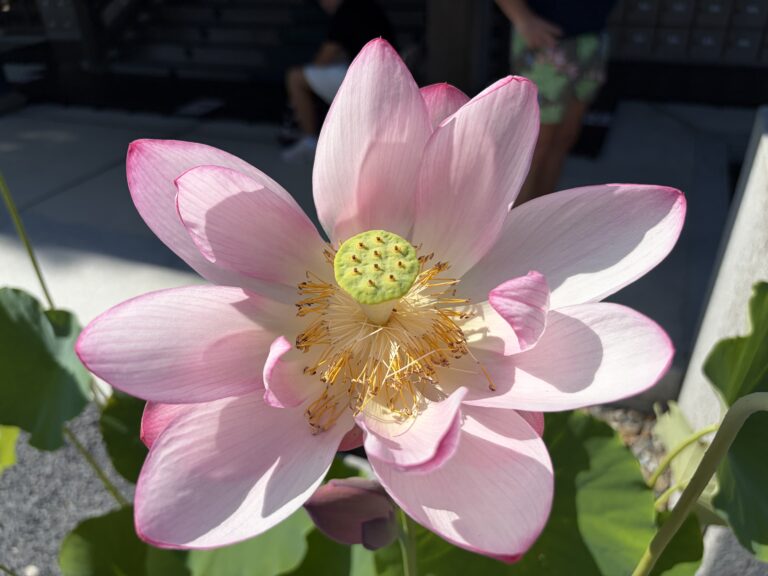
Lotus Flower
When it comes to flowers that add colour to Kyoto in summer, the lotus is the one to mention. The best time to see lotus flowers is from July to August. The lotus flowers at Chion-in Temple have also begun to bloom beautifully. As they start to open around 6 o’clock in the morning and close by midday, they can only be seen in the early hours of the morning. The lotus holds great significance in Buddhism. It is said that the *Vimalakirti Sutra*, one of the Mahayana Buddhist scriptures, contains the phrase ‘the lotus remains pure whilst in the…
- Flower
- Kyoto
-
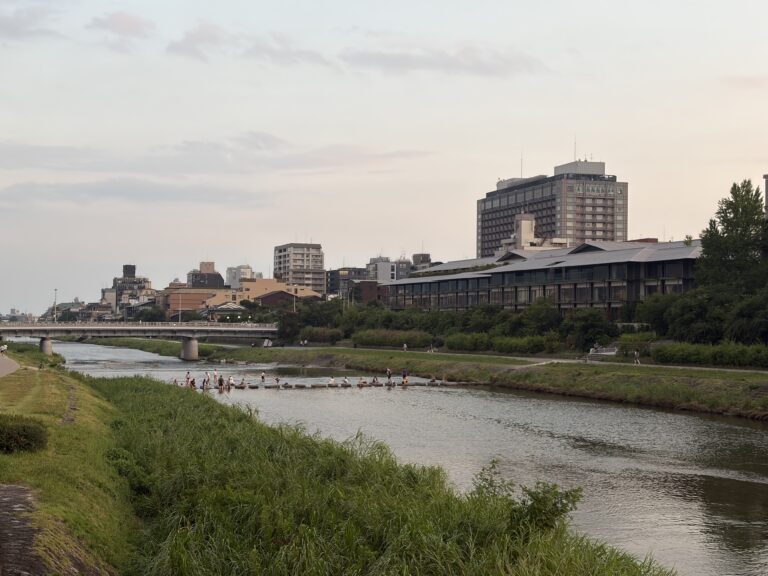
Cooling off by the Kamogawa River in the Evening
The unbearable heat continues in Kyoto. Today was the After Festival of the Yamahoko Parade, and I hear that 12 people were taken to hospital with suspected heatstroke. Although the heat shows no sign of letting up even as evening falls, the Kamogawa River feels a little cooler thanks to the breeze. For locals, it’s a classic spot for cooling off on summer evenings. They sit on the riverbank to relax or play on the stepping stones across the river, commonly known as ‘Kameishi’ (Turtle Stones) because of their shape.
- Kyoto
- Spot introduction
-
Green Bear’s New Outfit
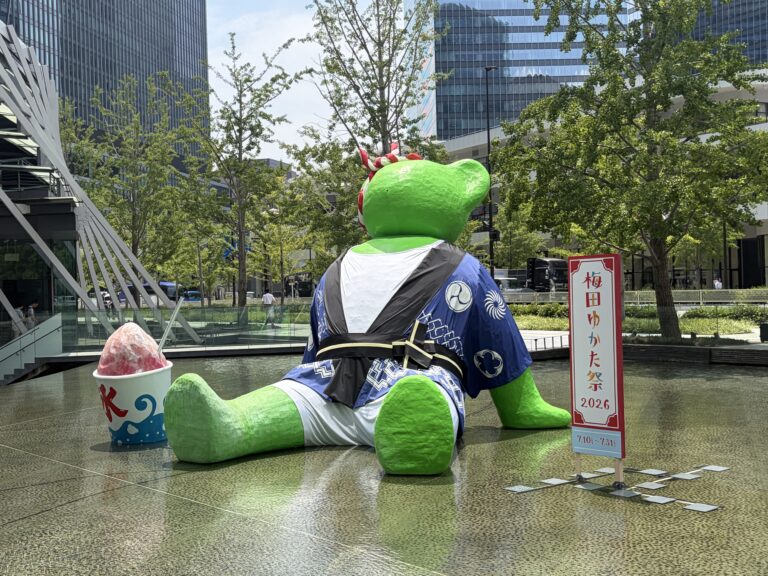
The intense heat is set to continue until the end of this weekend, and it is said that, for the first time this year in Osaka, there will be a day when the temperature does not drop below 30 degrees even at night. The Green Bear at Umeda Kita Plaza. Its official name is TED HYBER, and since its installation at an event in April 2018, it has become a beloved symbol of Umeda. It was created by the French visual artist Fabrice Hyber. ‘Ted Hyber’ is a portmanteau combining ‘Teddy Bear’ with his surname, ‘Hyber’. For the artist, whose…
- Osaka
- Spot introduction
-
Yanagi-kōji
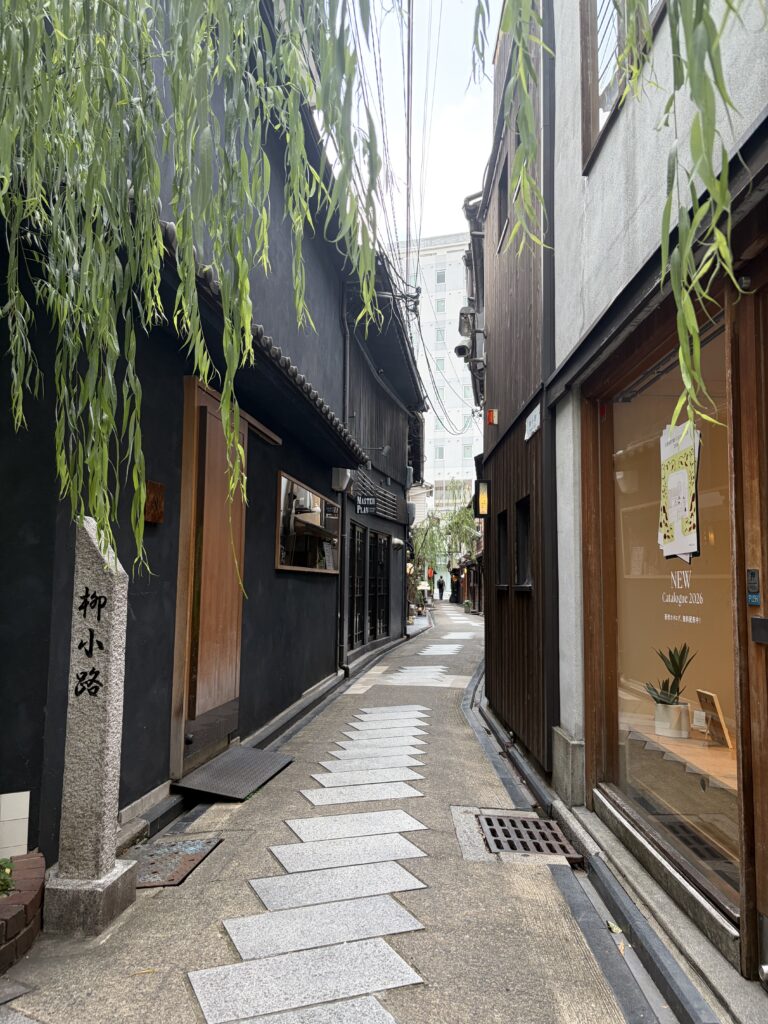
It was Toyotomi Hideyoshi who spearheaded the urban planning of Kyoto, a city that had fallen into ruin during the Ōnin War and the subsequent Sengoku period. From the latter half of the 16th century, a castle complex known as ‘Jurakudai’ was constructed; samurai residences and townhouses were laid out in a grid pattern; and earthen ramparts known as ‘Odoi’ were built around the city, thereby establishing its function as a fortified city. It was during this period that Yanagi-kōji, situated just off Shijō Kawaramachi, was created. In this alleyway stands the Hachibē Myōjin shrine, dedicated to ‘Hachibē-san’—one of the…
- Kyoto
- Spot introduction
-
Kokushobi
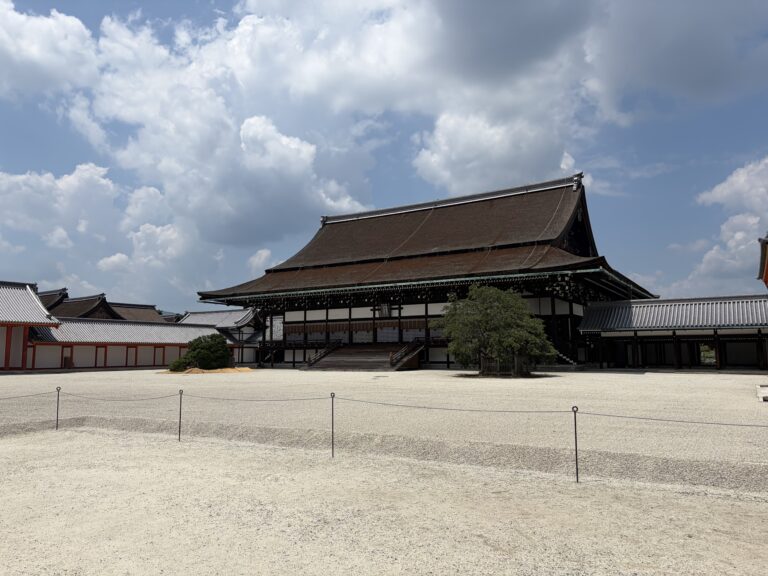
The Japan Weather Association has adopted the term ‘Kokushobi (Extreme Heat Day)’ this year, based on a questionnaire. A day is classified as Kokushobi when the maximum temperature exceeds 40 degrees. Today in Kyoto, the temperature has exceeded 38 degrees. Although it is not officially classified as a ‘Kokushobi’, the heat and humidity make it feel as though one is inside a steam sauna. Almost all those walking outside are foreign tourists. Yesterday, a sign warning of heatstroke was displayed at the Kyoto Imperial Palace, indicating the highest level of risk. There was no one in front of the Shishinden…
- Column
- Kyoto
-
Mitarashi Festival
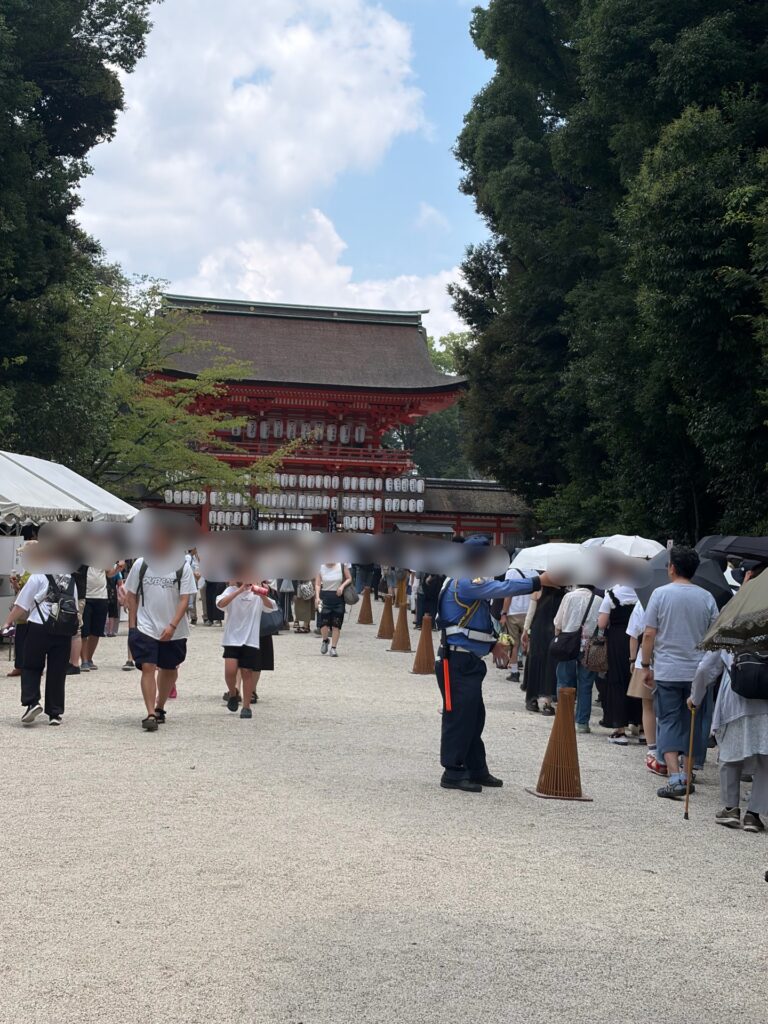
The Mitarashi Festival at Shimogamo Shrine is one of Kyoto’s summer traditions. Visitors dip their feet in the Mitarashi Pond within the shrine grounds to pray for good health and freedom from illness. Seoritsu-hime-no-Mikoto, enshrined at Inoue-sha—a shrine built atop the well shaft that feeds the Mitarashi Pond—is the goddess of water who purifies people of their sins and impurities; it is said that this custom spread amongst the common people from the Muromachi period onwards. Visitors enter the pond barefoot, holding a candle, and light it at the candle stand at Inoue-sha. The festival began last Saturday and continues…
- Kyoto
- Spot introduction