

Blog
Blog Kurashiki
-
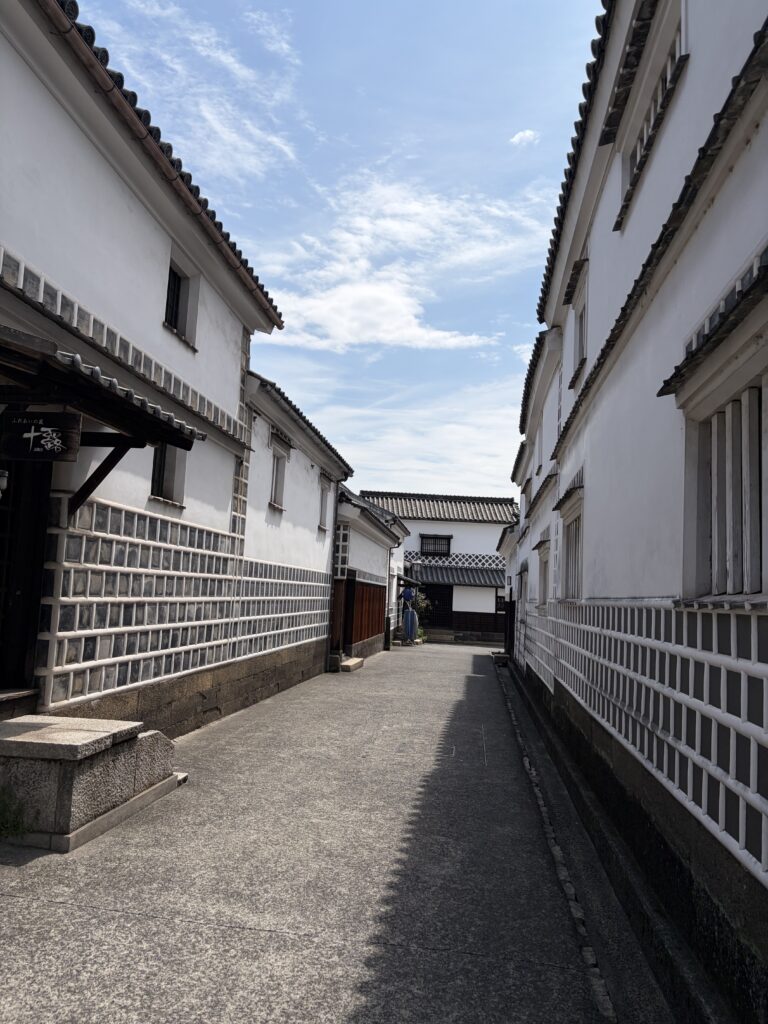
Namako Walls
Namako walls (sea cucumber wall) are a defining feature of Kurashiki’s landscape. This technique, which involves laying flat roof tiles on the exterior walls and applying plaster to the joints in a raised is said to have originated in the Edo period. The name ‘namako wall’ is derived from the resemblance of the raised plaster to a sea cucumber. As they provide protection from the wind and rain whilst also being visually appealing, they are used in modern Japanese-style restaurants and houses; in the Bikan Historical Quarter, there is even a Tully’s Coffee with a Namako Wall. However, as they…
- Kurashiki
- Spot introduction
-
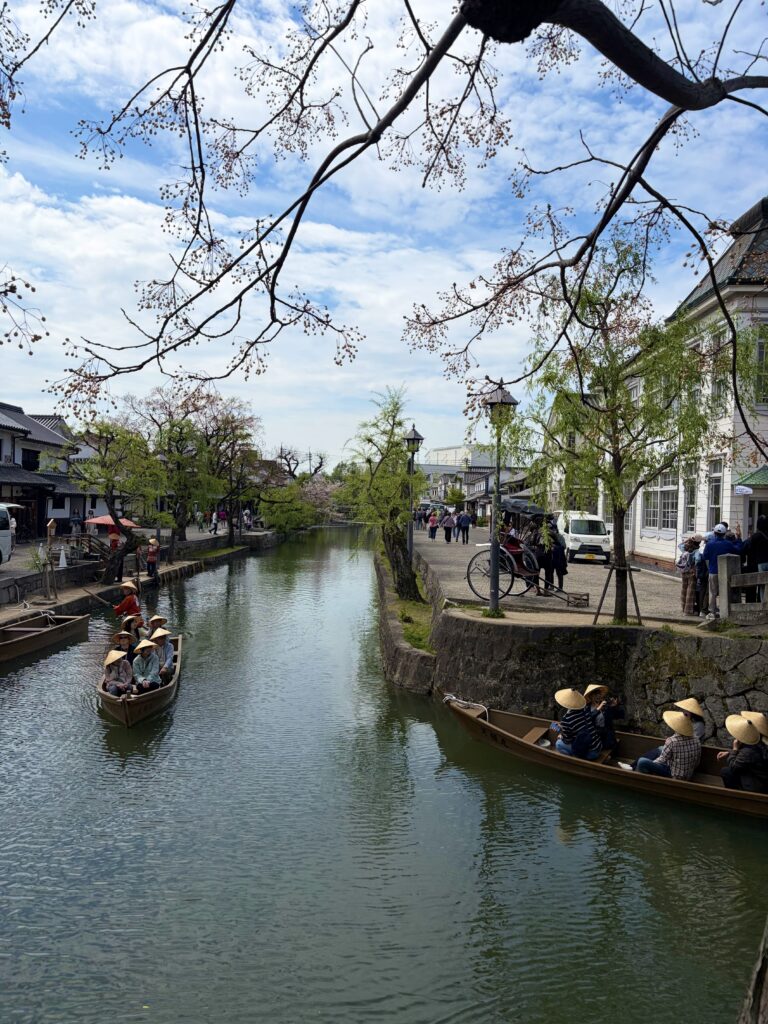
Kurashiki Bikan Historical Quarter
Kurashiki Bikan Historical Quarter is renowned as a prime example of preserved traditional streetscapes in Japan. The term ‘Bikan’ refers to a magnificent view or a pleasant landscape. This aesthetic has been preserved through a townscape conservation campaign in which the local authorities and residents have worked together. The banks of the Kurashiki River flourished as a rice trading hub, and the area is popular with French visitors due to its rows of mansions and storehouses belonging to wealthy merchants. The fruit parfaits here are highly recommended, but my personal favourite is Chaya Ohashi, located near the car park. Their…
- Kurashiki
- Spot introduction