

Blog
Blog 2026年10月
-
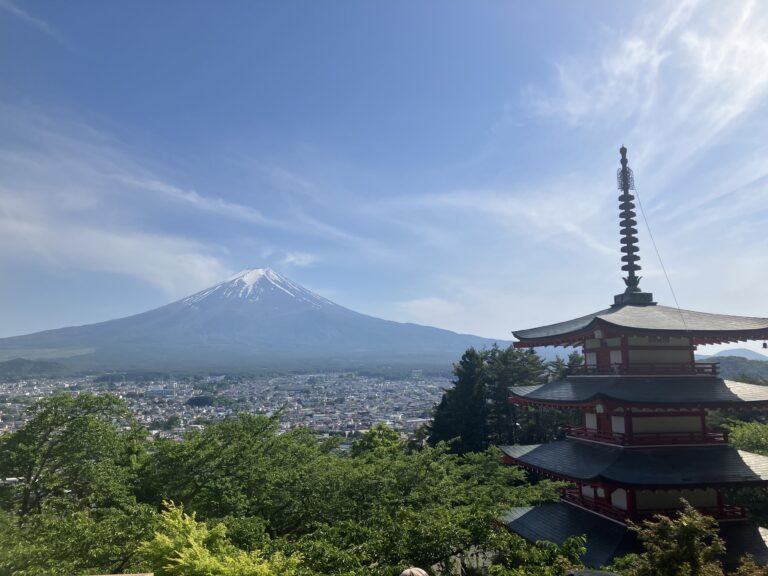
First Snowfall on Mount Fuji
Yesterday, the Japan Meteorological Agency announced the first snowfall on Mount Fuji. Whilst visual observations have been carried out since records began in 1894, it is reported that, from this year onwards, the announcement will be based on data analysis using AMeDAS, rain cloud radar and satellite imagery. As a result, the first snowfall occurred nearly a month later than the average. The photograph was taken before the COVID-19 pandemic at Nikurayama Sengen Park in Fujiyoshida City, a famous spot for viewing Mount Fuji. Featured in Thai school textbooks and on the cover of the ‘Michelin Green Guide Japan’, the…
- Spot introduction
- Yananashi
-

White’s thrush
When I was a student, I was conducting research in Karuizawa on this bird, the White's thrush. As its Japanese name ‘Toratsugumi’ (tiger thrush) suggests, its plumage resembles that of a tiger, and during the breeding season it sings a melancholy ‘hee, hee’ at night. I used to ride my motorbike along forest tracks in the dead of night to survey the population, and I still remember how scared I was—I kept looking over my shoulder time and time again. This eerie call has long been associated with the ‘Nue’, a mythical creature said to have the head of a…
- Birds
-

Eurasian sparrowhawk
As winter approaches, the Eurasian sparrowhawks can be spotted within the Kyoto Imperial Park. Although they are small hawks, about the size of a pigeon, they feed on small birds and mice. In Japan, they have been used for falconry since the Heian period; just as falconry was a symbol of aristocratic status, the Eurasian sparrowhawk has been highly valued for falconry throughout the world. In particular, Akbar, the third emperor of the Mughal Empire, regarded the Eurasian sparrowhawk and the peregrine falcon as symbols of imperial authority; falconry is said to have been not only an important cultural practice but…
- Birds
-

Little Grebe at Hirosawa Pond
Hirosawa Pond is renowned as a scenic spot for moon viewing. It has been featured in numerous waka poems and is also known as a place to enjoy waterfowl amidst its beautiful scenery. Little Grebes breed here every year, and at this time of year, their high-pitched ‘kyurururu-ru’ call can often be heard. The little grebes at Hirosawa Pond are not particularly wary, and if you wait by the water’s edge, they will often come quite close. The only drawback is that they dive frequently. Designated as a Near Threatened species by Kyoto Prefecture, their numbers have been on a…
- Birds
- Kyoto
- Spot introduction
-

SKYWAY at Kyoto Station Building
Kyoto is often said to lack evening entertainment. One spot we recommend to our guests is the SKYWAY inside Kyoto Station. It is a place where you can enjoy a magnificent night view from a height of 45 metres above ground, free of charge. It opened in September 1997, coinciding with the opening of the Kyoto Station Building. It was designed by the late Hiroshi Hara, who was also involved in projects such as the Umeda Sky Building. Whilst the Kyoto Station Building is now becoming one of Kyoto’s symbols, in the 1990s it faced strong opposition from citizens’ groups…
- Kyoto
- Spot introduction
-
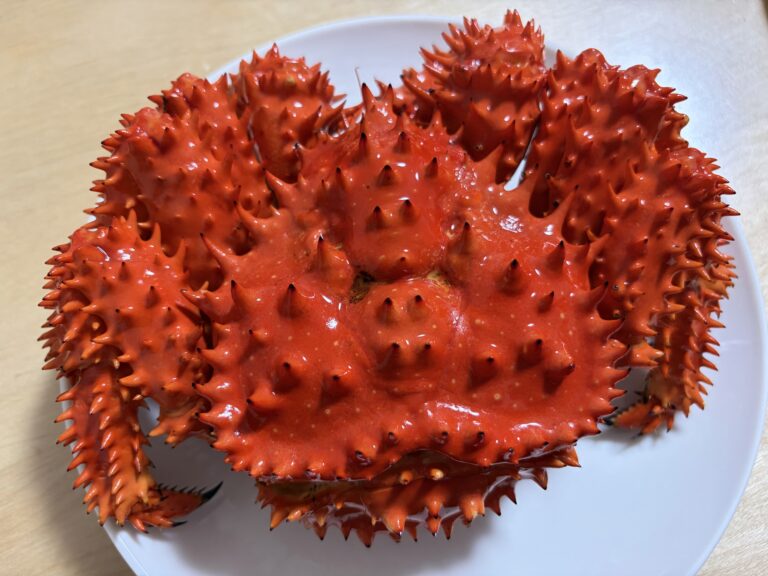
Hanasakigani (Paralithodes brevipes)
The spiny king crab “Hanasakigani”is actually a type of hermit crab. I first tasted it 35 years ago in Nemuro. It was my first visit to eastern Hokkaido during the summer holidays. Every bird I saw was a new sight to me. I popped into Nemuro Station for lunch, where a lady at the fishmonger’s said, ‘It’s delicious, so do give it a try.’ When I put it in my mouth, the sweetness of the crab filled my palate, and I was astonished—wondering what on earth the crab I’d eaten before had actually been. The shell and legs are covered…
- Food
- Hokkaido
-
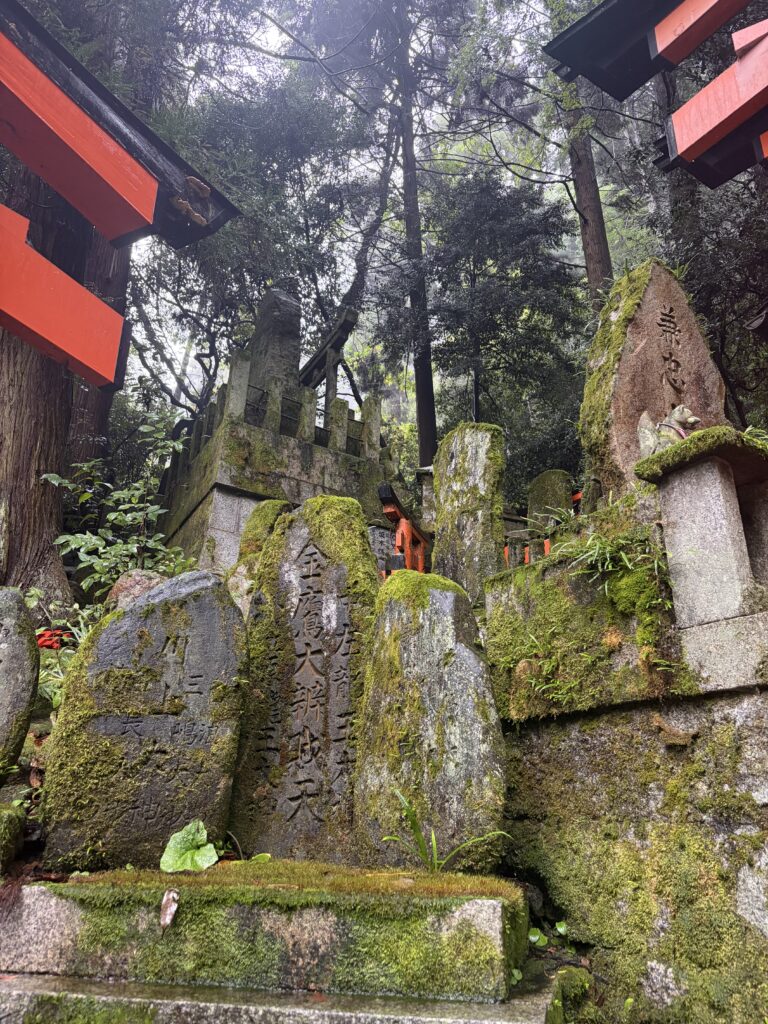
Typhoon No. 30
It was supposed to be a lovely weekend, but due to the effects of Typhoon No. 30, it had been raining in Kyoto since the morning. The rain was particularly heavy around 9 o’clock. To make matters worse, even though we are already in the latter half of October, Typhoon No. 31 has formed. Apparently, this is the first time in 32 years that 31 typhoons have formed. Although typhoons are forming at a far faster rate than usual, it is fortunate that not many of them are approaching Japan. As we often lead outdoor tours in Kyoto, rainy days…
- Column
-
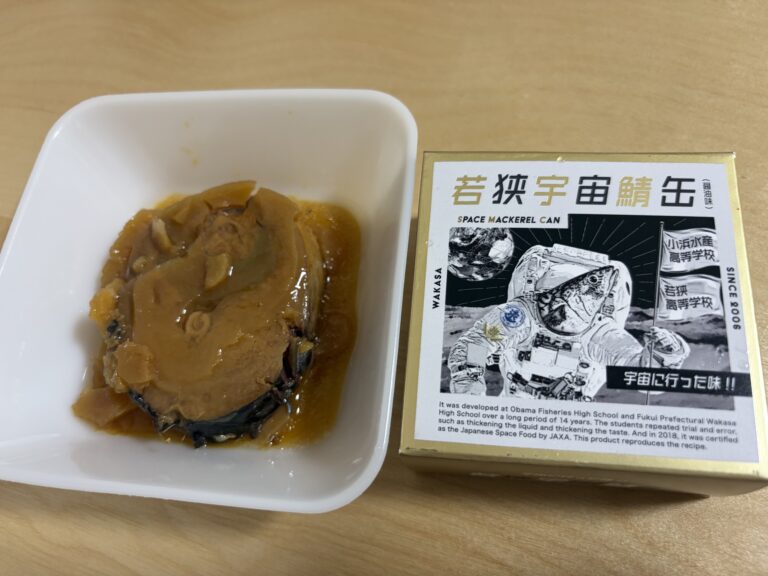
Wakasa Space Mackerel Tins
These Wakasa Space Mackerel Tins were a gift from a customer. They are tinned mackerel designed to be eaten in space, developed over a period of 14 years by Obama Fisheries High School and Fukui Prefectural Wakasa High School. It was delivered to the International Space Station in 2020, where it was highly praised by astronaut Soichi Noguchi, instantly bringing it to prominence. The tins available to the general public are produced by recreating a JAXA-certified recipe for Japanese space food and are sold at roadside stations and tourist information centres in Obama, as well as online. The cooking liquid…
- Food
- Fukui
-
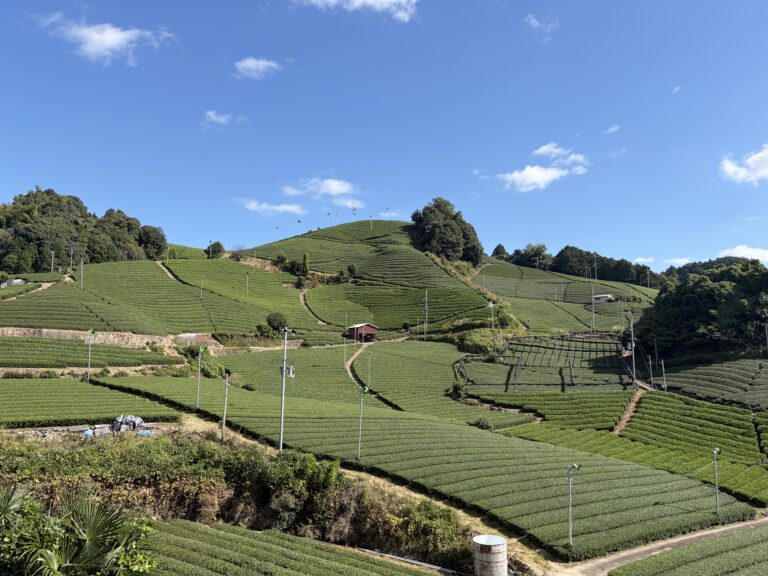
Crowded Kyoto
Since the start of October, there has been a sharp increase in the number of foreign tourists. Although Kyoto City has become cooler compared to last year, places such as Fushimi Inari, Arashiyama and Kiyomizu-dera are still teeming with people. Perhaps as a result of this situation, a recent trend among our clients has been to request guided tours of quiet, less crowded spots rather than the so-called ‘clichéd’ tourist attractions. More and more tourists feel that, having made the effort to visit Japan, they cannot experience the true essence of the country when surrounded by crowds of foreign visitors.…
- Column
-
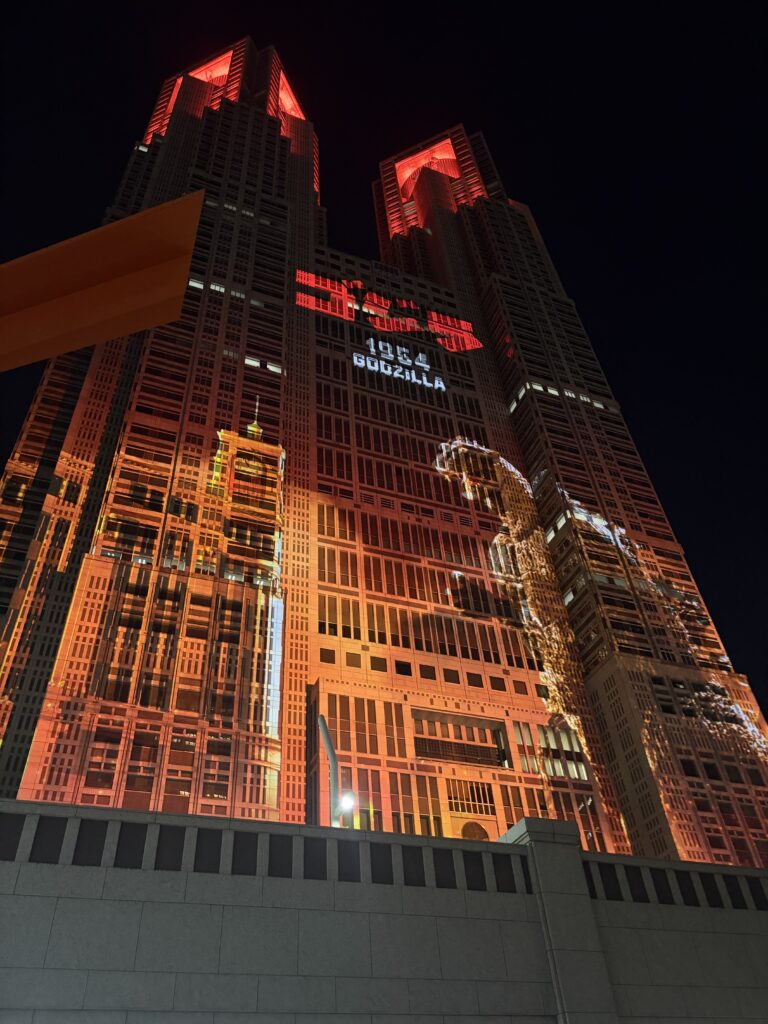
Tokyo Night & Light
Although popular with foreign tourists, the Tokyo Metropolitan Government’s projection mapping display has come under criticism due to its daily cost of 2–3 million yen. Recently, there have also been complaints that the quality of the content is poor, and it is true that some displays lack the appeal they once had. That said, seeing tourists lying on the ground in the plaza outside the Tokyo Metropolitan Government Building every evening, eagerly awaiting the start, shows that there is more to it than just the figures. This ‘Tokyo Night & Light’ display and a visit to the Tokyo Metropolitan Government…
- Spot introduction
- Tokyo
-
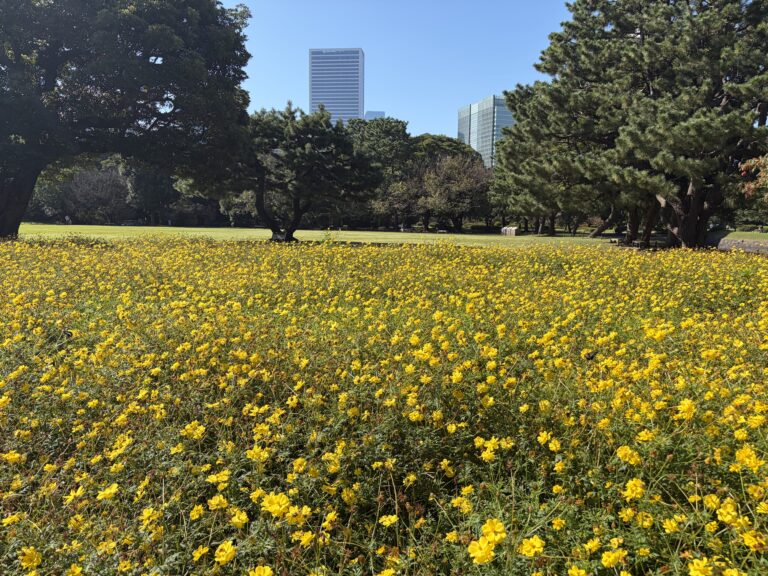
Sulfur cosmos at Hamarikyu Gardens
When one thinks of autumn flowers, cosmos spring to mind. In particular, the sulfur cosmos at Hamarikyu Gardens—said to number 300,000 plants—are a truly spectacular sight. The contrast between the sulfur flowers and the skyscrapers is truly beautiful. Until last year, cosmos plants producing pink and white flowers were planted here, but in light of the recent extreme heat and typhoons, they have all been replaced this year with heat-tolerant sulfur cosmos. From late February to early March, Hamarikyu offers a view of a yellow carpet of turnip rape flowers. It is a place where one can experience the changing…
- Flower
- Spot introduction
- Tokyo
-
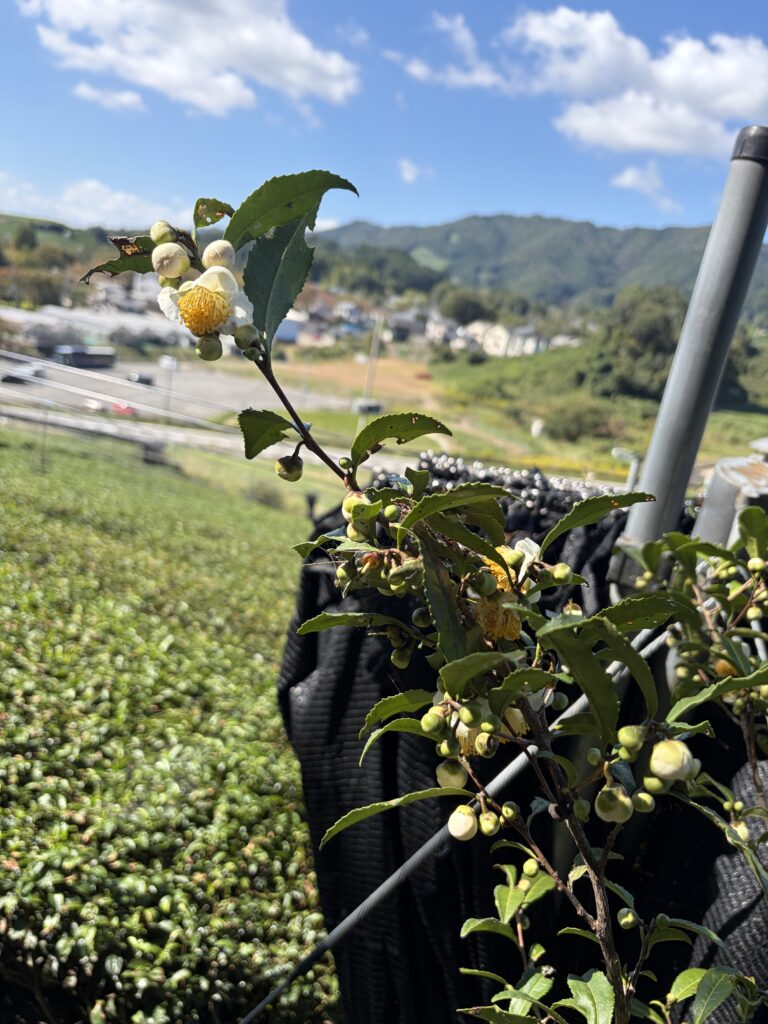
Tea Blossoms
As October begins, one can spot tea blossoms near tea fields where the harvest has finished. These white flowers, which resemble camellias in shape, are just under 5 cm in size. As they bloom from October to December, they are considered a seasonal word for early winter in Japan. As the plants cannot produce good-quality tea if their nutrients are diverted to the flowers and fruit, they are pruned early in the tea fields. The flowers in this photograph are from a semi-wild tea tree growing beside a tea field. The fruit appears one year after the flowers have bloomed…
- Flower
- Kyoto