

Blog
Blog
-
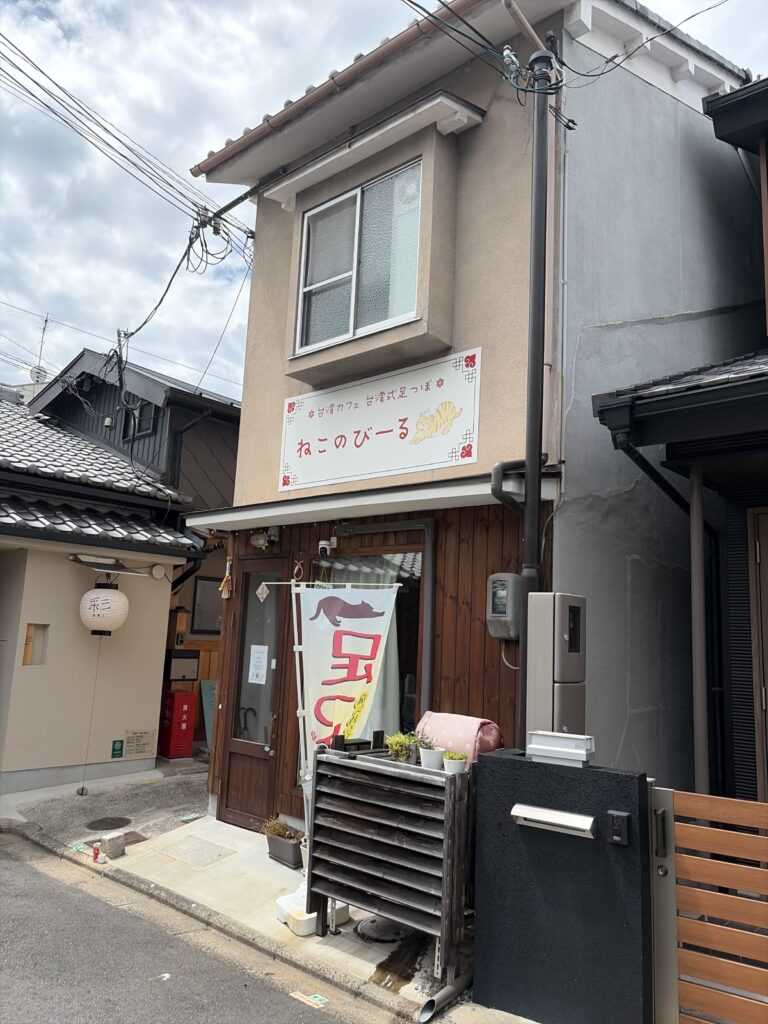
Relaxation salon Nekonobiiiiru
Kyoto has many acupuncture and moxibustion clinics, but relatively few massage parlours compared to other cities. I used to travel all the way to the highly competitive area around Osaka Station, but my recent favourite is ‘Nekonobiiiiru’. It’s a reasonably priced Taiwanese-style foot reflexology parlour, which is quite rare in Kyoto. It used to have a Taiwanese café attached, but as of this month, it’s operating as a massage-only establishment. We do have a foot reflexology machine at our guesthouse, but when I’m tired from walking, having my calves thoroughly massaged makes my body feel much lighter.
- Kyoto
- Travel tips
-
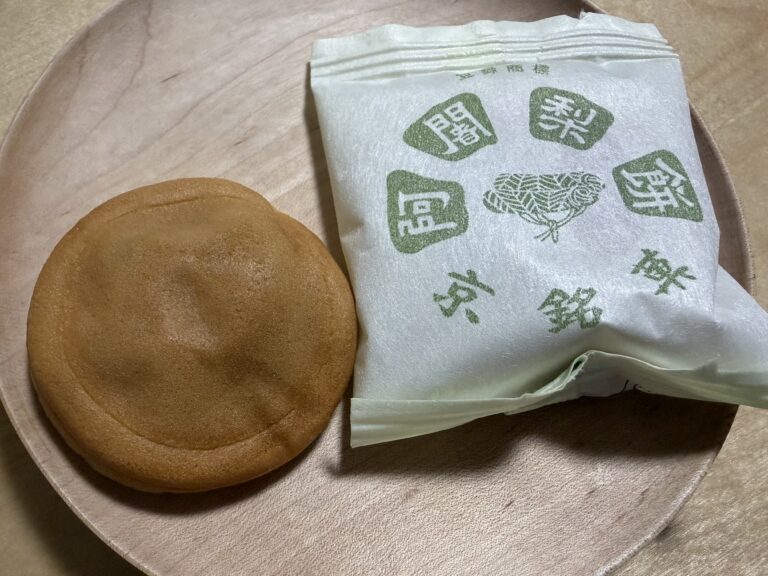
Ajari Mochi
Ajari Mochi is not only a popular souvenir from Kyoto but also a much-loved sweet handed out during the Jizō Bon festival. It consists of Tamba Dainagon adzuki beans wrapped in mochi dough, offering a delightfully chewy texture. It is said that the second-generation proprietor of Mangetsu—a business founded in 1856—developed this sweet in 1922, hoping that people would be able to enjoy sweets made with sugar and eggs, which were expensive at the time, without hesitation. Today, it has become a gift that even the discerning people of Kyoto are delighted to receive. Although the best-before date is five…
- Japanese dessert
- Kyoto
-
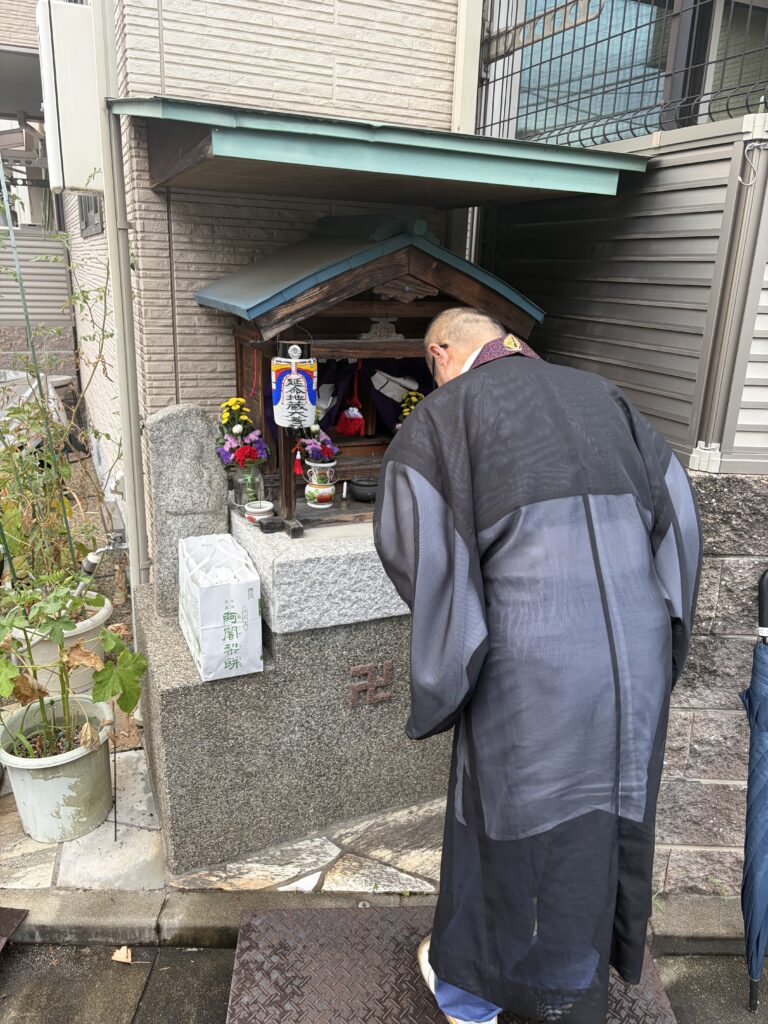
Jizō Bon
Following the Okuribi (sending-off bonfires), Jizō Bon celebrations are held in various parts of Kyoto. These mainly take place on the weekend around 24 August—the festival day of Jizō Bosatsu—during which the altars dedicated to Jizō statues in each neighbourhood are decorated. Local children are invited to enjoy sweets, home-cooked meals and games. When there were still many children in the Higashi-Imadegawa Neighbourhood Association, where our guesthouse is located, a tent would be erected and a ‘shogi’ (traditional long benches) to pray for the children’s good health. Nowadays, as there are only two children left, we simply ask a Buddhist…
- Culture
- Kyoto
-
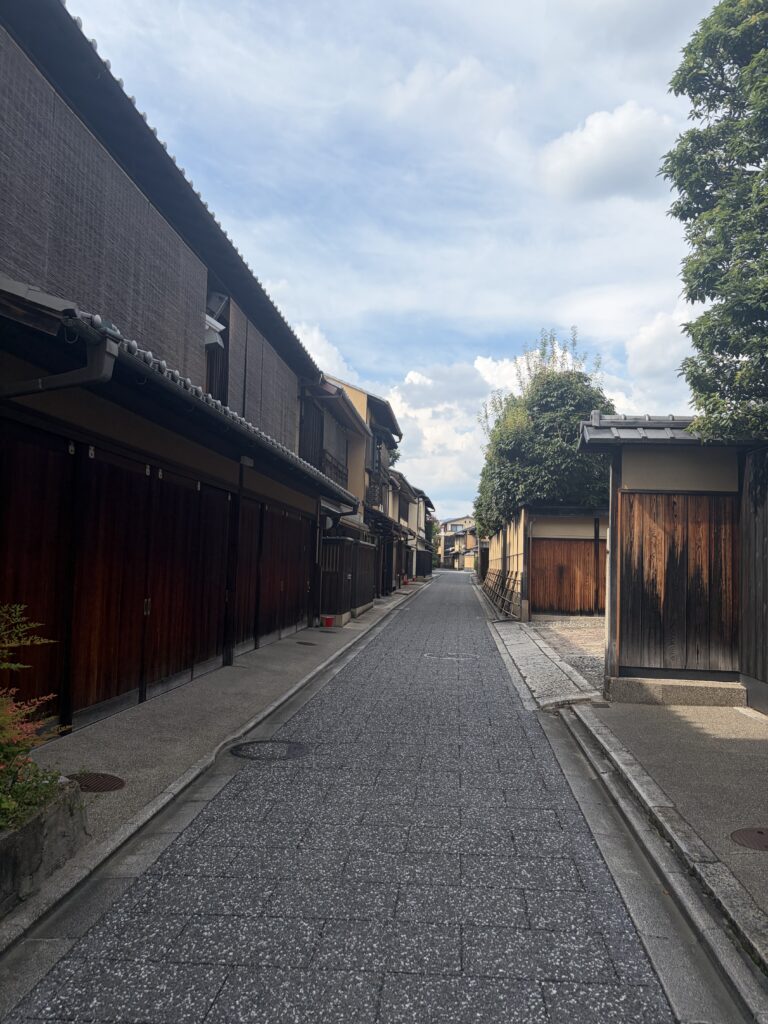
Ogawa-dori
Ogawa-dori still preserves its historic streetscape to this day. True to its common name, ‘Iemoto-dori’ (Head Family Street), it is lined with the tea ceremony head families’ tea houses: Fushin-an of the Omotesenke school and Konnichian of the Urasenke school. As there are no shops catering to tourists, and the electricity poles and wires have been removed, it is one of my favourite spots. At the corner of this street stands a bridge known as Dodobashi; it is said that during the Ōnin War was a civil war that lasted from 1467 to 1477, the Eastern Army led by Hosokawa…
- Kyoto
- Spot introduction
-
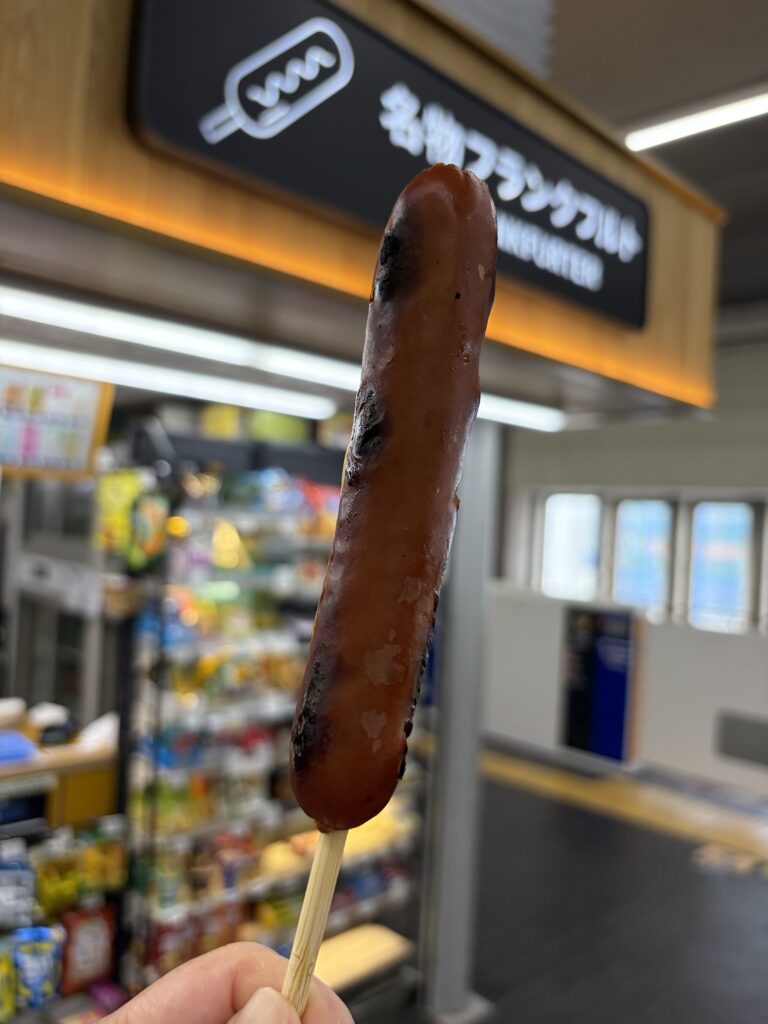
Kyobashi Station’s Famous Frankfurt Sausage
The Frankfurt sausage is sold at the platform kiosk at Kyobashi Station on the Keihan Railway. A local speciality said to sell 700 sausages a day, they have recently become available at Chushojima Station as well. Kyobashi Station is a transfer point for the JR and underground lines, and these sausages are popular as a quick snack whilst waiting for a train. Although they are served without ketchup or mustard so they can be eaten quickly, they are thoroughly seasoned. The history of Frankfurt sausage in Japan is said to date back to the early Meiji period. At that time,…
- Food
- Osaka
-
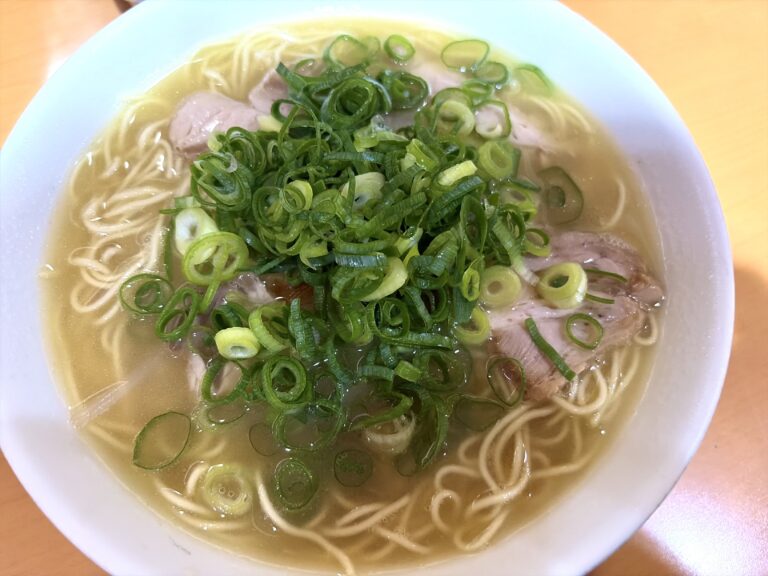
Chicken Paitan Ramen – Tenten-yu
Alongside Chin-yu, Tenten-yu Ichijō-ji honten has played a key part in the history of Ichijōji’s Ramen Street. Starting out as a street stall, it opened its doors in Ichijōji in 1976 and remains one of Kyoto’s leading Chicken Paitan (Creamy chicken broth) ramen establishments to this day. I moved to Kyoto 16 years ago, and the first Kyoto ramen I ever tasted was at this very shop. The thin noodles go perfectly with the broth, which is slowly simmered from chicken bones and vegetables. I was surprised by the sweetness of the chicken and struck by the realisation that this was…
- Kyoto
- restaurant
-
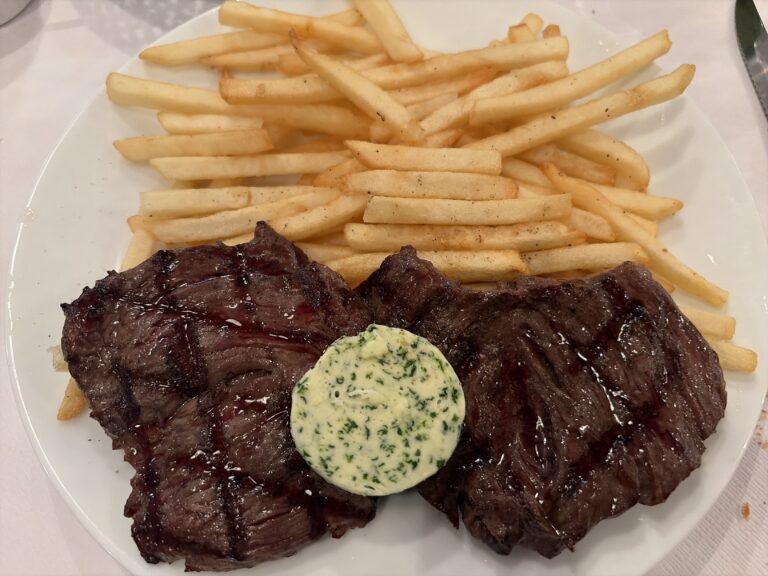
Bistro Le Bouchon
'Le Bouchon’ is one of Kyoto’s leading bistros. Established in 1999, it is a pioneer in casual French cuisine enjoyed at reasonable prices. The restaurant’s name is said to derive from the ‘bouchon’, a traditional Lyonnais eatery serving local specialities such as offal dishes. Grilled harami, served on a red chequered tablecloth known as ‘Vichy check’. Accompanied by a generous portion of chips, it pairs perfectly with a baguette. The way the breadcrumbs are deftly cleared away once you’ve finished eating is truly French. Since you’ve come to Japan, it goes without saying that you should sample Japanese cuisine, but…
- Kyoto
- restaurant
-
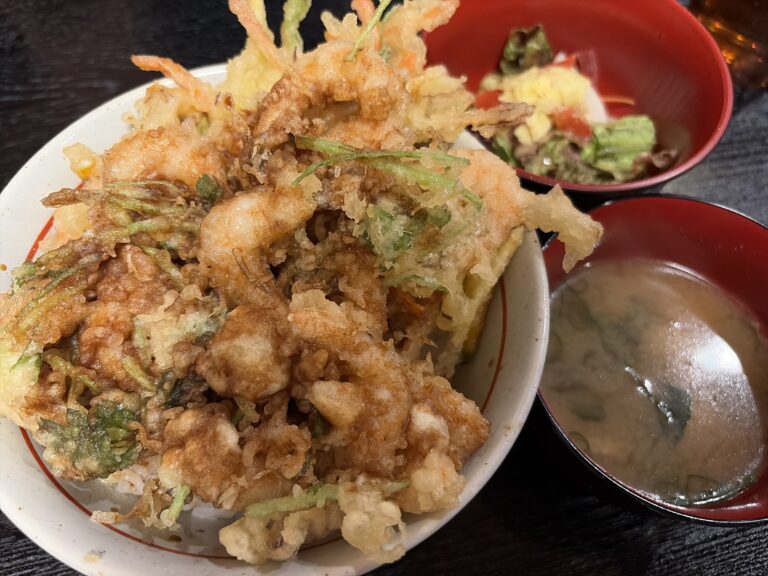
Ten-don Kafū
Tempura is popular with overseas visitors. When I explain to them during guided tours that it’s a dish that originated in Portugal, they’re always surprised. Kafū, which has been situated in front of Kyoto University’s main gate for over 30 years, is a place where you can casually enjoy a delicious, piping-hot ten-don. Apparently, it used to be a kappo restaurant, and the owner always fries the tempura whilst dressed immaculately. It gets crowded with students at lunchtime, and queues can form, but the evening is the best time to visit. The kakiage rice bowl, served exclusively in the evening,…
- Kyoto
- restaurant
-
Maple Leaf Tempura
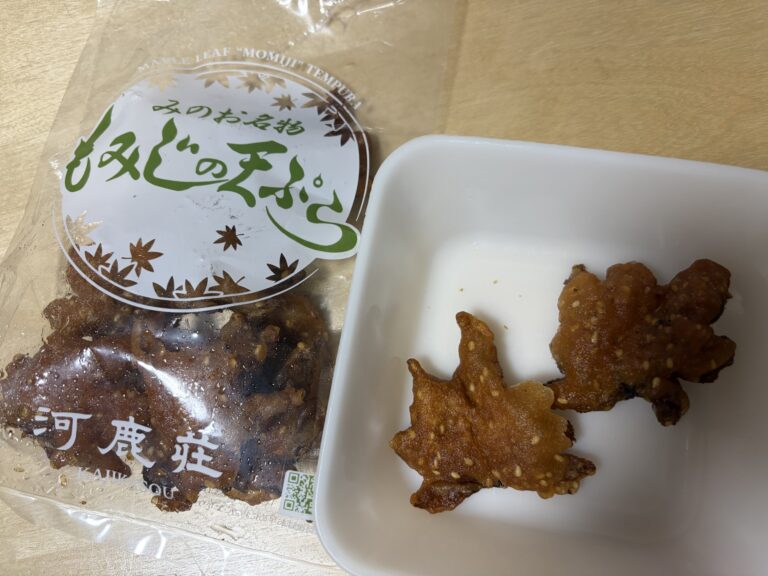
A speciality of Minoh, maple leaf tempura. It is said to have originated when En no Gyōja—the founder of Shugendō, who was active in the 7th and 8th centuries and about whom numerous legends remain—fried maple leaves in lamp oil and served them to visitors. It is made by salt-curing the edible ‘Ichigyō-ji maple’ leaves for a year to remove their astringency, coating them in a batter made from wheat flour mixed with sugar and white sesame seeds, and then deep-frying them in rapeseed oil. It has a subtle sweetness and a flavour reminiscent of karintō, a sweet and deep-fried…
- Japanese dessert
- Osaka
-
End of Summer-Gozan no Okuribi
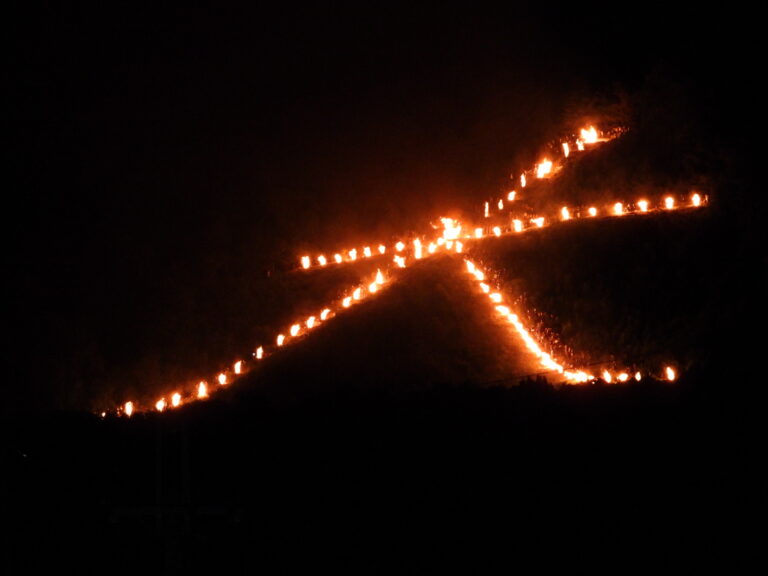
Once again this year, we were able to see the spirits off safely together with our guests. During the Gozan no Okuribi, fires are lit as beacons to guide the spirits of our ancestors—known as ‘Oshorai-san’—back safely to the underworld. In particular, the ‘Daimonji’ character visible from our guesthouse is extremely popular; traffic restrictions are in place around Demachiyanagi Station, and the area becomes very crowded. Whilst you can enjoy the view from our guesthouse’s balcony, as the view is obstructed by gaps between the power lines, we are happy to guide you to a spot with a clearer view.…
- Kyoto
- Spot introduction
-
Minoh Otaki Waterfall
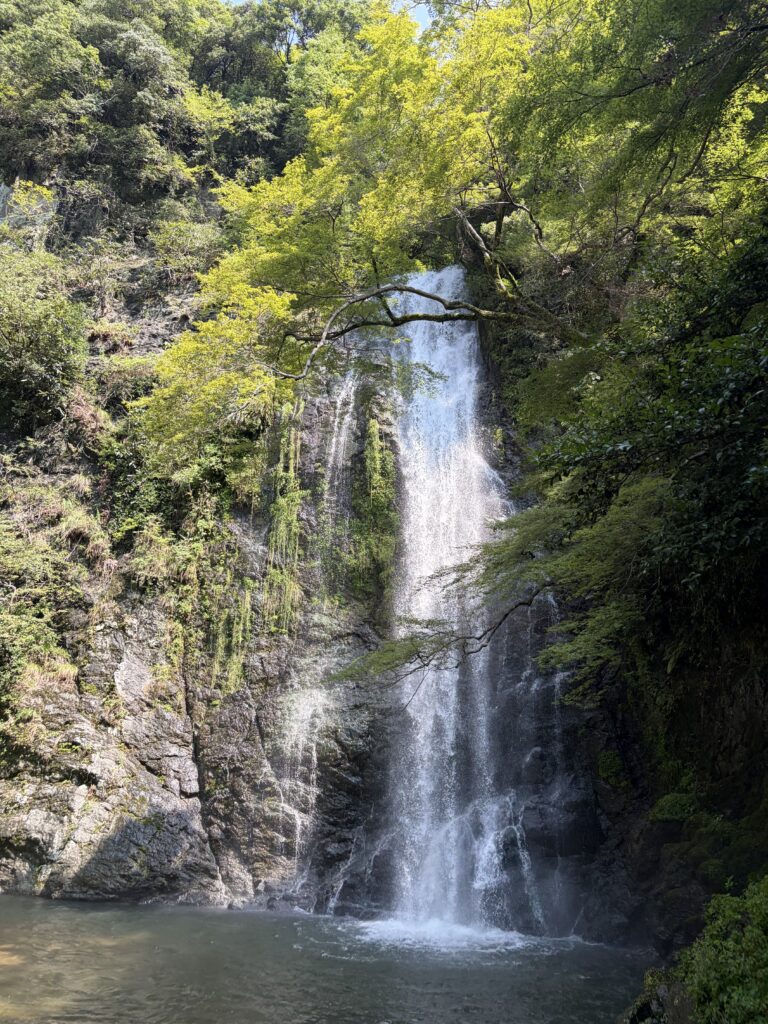
With a drop of 33 metres, Minoh Otaki Waterfall is a popular spot for viewing autumn foliage. Located about a 40-minute walk from Minoh Station on the Hankyu Line, the gentle gradient makes it a safe and accessible destination even for families with children. This region is home to the Arima–Takatsuki Fault Zone, an active fault line which, whilst recording an earthquake of seismic intensity 6-lower in June 2018, has also created a unique natural landscape featuring steep cliffs known as ‘fault escarpments’ and deep gorges. Late November is generally considered the peak season for autumn foliage, attracting nearly one…
- Osaka
- Spot introduction
-
Minoh Park
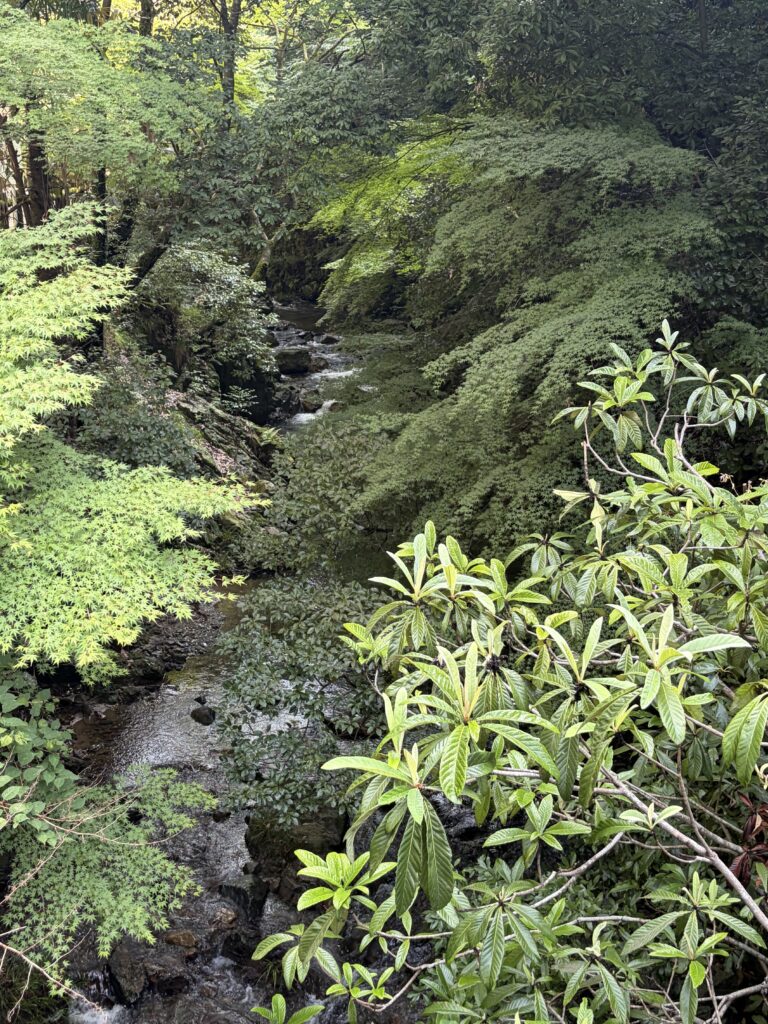
Guiding visitors around Osaka is surprisingly tricky. Whilst it’s a great place for those who want to enjoy shopping and sampling street food, the options are somewhat limited when it comes to sightseeing. Minoh is proving more popular with visitors than traditional tourist attractions such as Umeda, Shinsekai, Osaka Castle or Dotonbori. Located just 30 minutes or so from the centre of Osaka and offering the chance to stroll through a forest, this park is attracting an increasing number of foreign tourists. At this time of year, the green autumn foliage is beautiful, and many cicadas are chirping busily. For…
- Osaka
- Spot introduction