

Blog
Blog 2026年5月 3ページ目
-
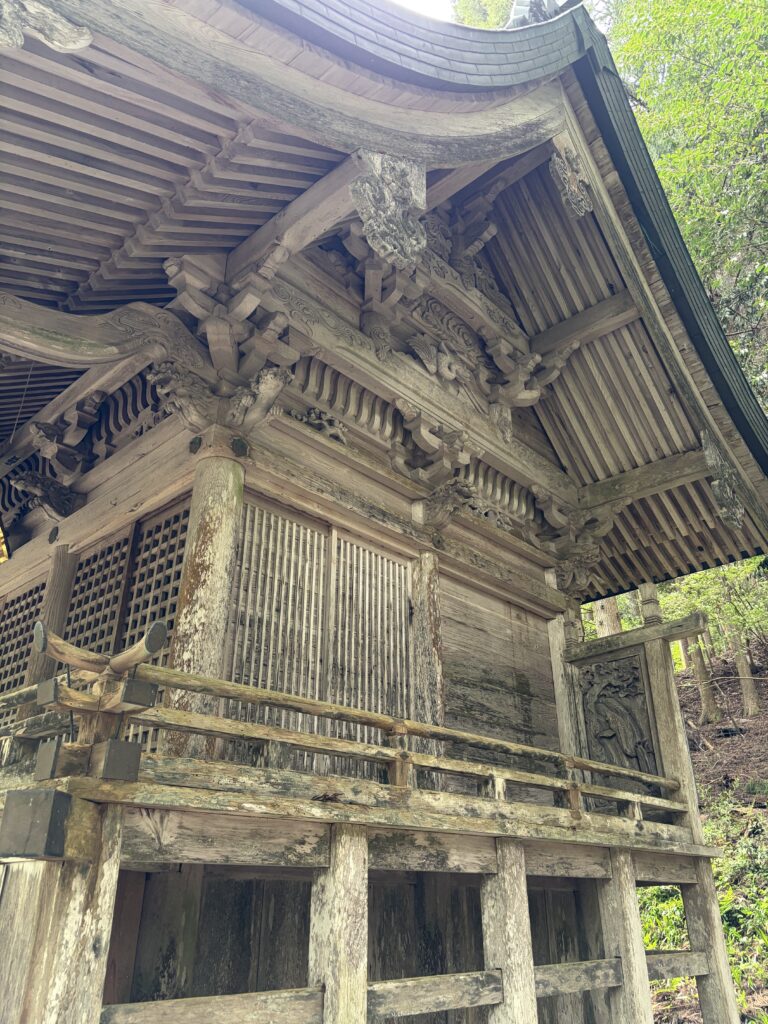
Chii Hachiman Shrine
Chii Hachiman Shrine is situated to the east of the Miyama Thatched-Roof Village. It is said to have been founded in 1071, but was subsequently destroyed by a landslide and relocated to its present site in 1567. Furthermore, a legend of the Eight-Headed Great Stag is associated with this shrine. In the early 8th century, a demon in the form of a giant stag with eight heads appeared at the Imperial Palace in Kyoto, causing immense damage by ravaging fields and killing livestock. Empress Genmei, who reigned at the time, ordered a military commander named Kaga Saburō Kaneie to subdue…
- Kyoto
- Spot introduction
-
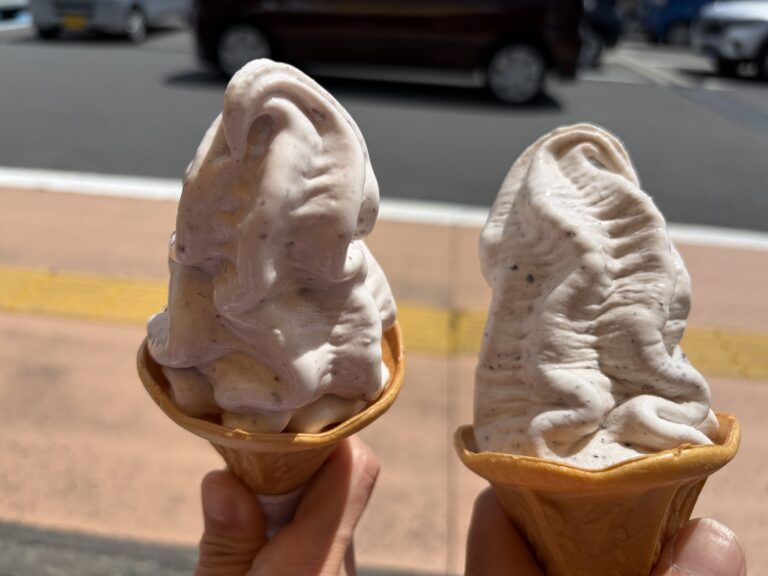
Michi no eki (Roadside Station) Woody Keihoku
When visiting the Miyama Thatched-Roof Village, a stop at Michi no eki Woody Keihoku is an absolute must. As it is about an hour’s drive from Kyoto, it is the perfect place to take a break. Michi no eki is a government-designated roadside station found along roads and highways in Japan. Like other Michi no eki, the premises are lined with locally grown seasonal vegetables, which are so popular that they often sell out before midday. You can also try Keihoku’s speciality: natto mochi, where salty natto is wrapped in mochi and coated in kinako. However, my personal recommendation is the local soft-serve ice cream.…
- Food
- Kyoto
- Spot introduction
-
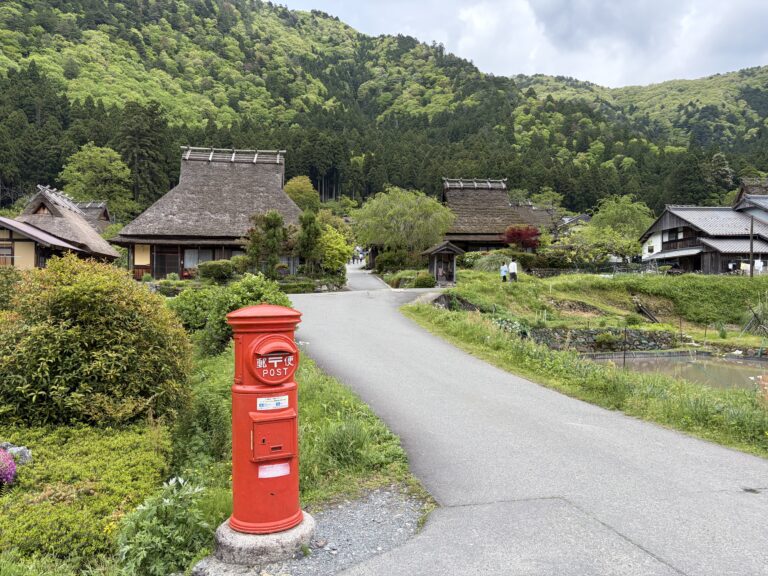
Miyama Kayabuki-no-sato
About a 90-minute drive from Kyoto city centre brings you to this thatched-roof village, which could be described as a quintessential Japanese landscape. Nearly 40 thatched-roof houses stand side by side, with the oldest reportedly built over 200 years ago. Whilst Shirakawa-go, a UNESCO World Heritage Site, is famous for its thatched roofs, this village, despite its proximity to Kyoto, sees few coach buses, allowing visitors to enjoy it at a leisurely pace. The downside is that it’s difficult to get there without a car, but there are day-trip bus tours available from Kyoto Station. We also organise car tours…
- Kyoto
- Spot introduction
-
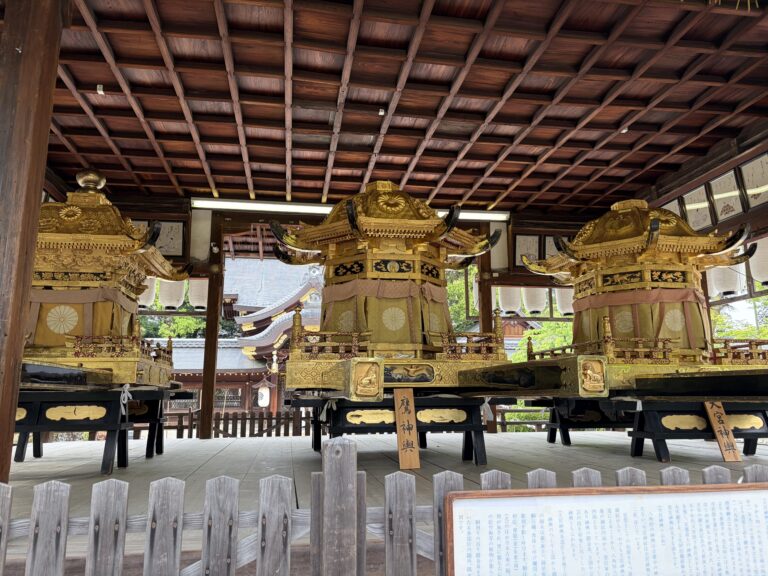
Imamiya Shrine Sinkō Festival (Procession Festival)
The 5th of May marks the Shinkō Festival at Imamiya Shrine. Its history is ancient, reportedly dating back to the year 1001. Three portable shrines—the Agui Mikoshi, the Taka Mikoshi and the Ōmiya Mikoshi—were prepared within the shrine grounds. The each weight of the Taka Mikoshi and the Ōmiya Mikoshi is said to exceed 100 kg, making them the heaviest in Kyoto. As Toyotomi Hideyoshi, the second "Great Unifier" of Japan, played a pivotal role in the revival of Imamiya Shrine. The Ōmiya Mikoshi, which he donated, bears not only the Imperial Chrysanthemum crest but also the paulownia crests (Go-san-no-kiri…
- Kyoto
- Spot introduction
-
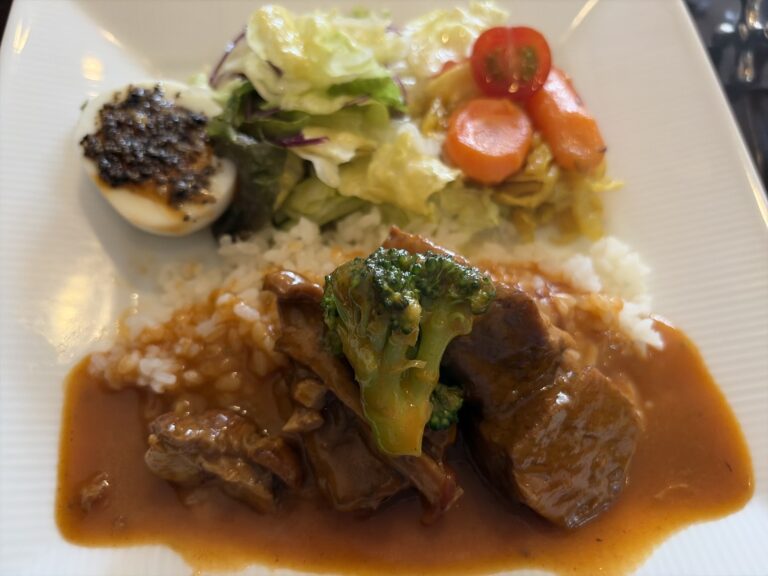
Ma cantine
Naturally, anyone visiting Kyoto will want to try traditional Kyoto cuisine. However, this can be quite difficult to achieve. If you wish to dine at a traditional ryotei, a reservation and a certain budget are essential. If you’re looking for something more casual, your options tend to centre around obanzai. On the other hand, I get the impression that many people living in Kyoto prefer Chinese or French cuisine rather than Kyoto cuisine. When it comes to French cuisine, there are plenty of bistros where you can enjoy a casual lunch, and ‘Ma cantine’, located near our guesthouse, is a…
- restaurant
-
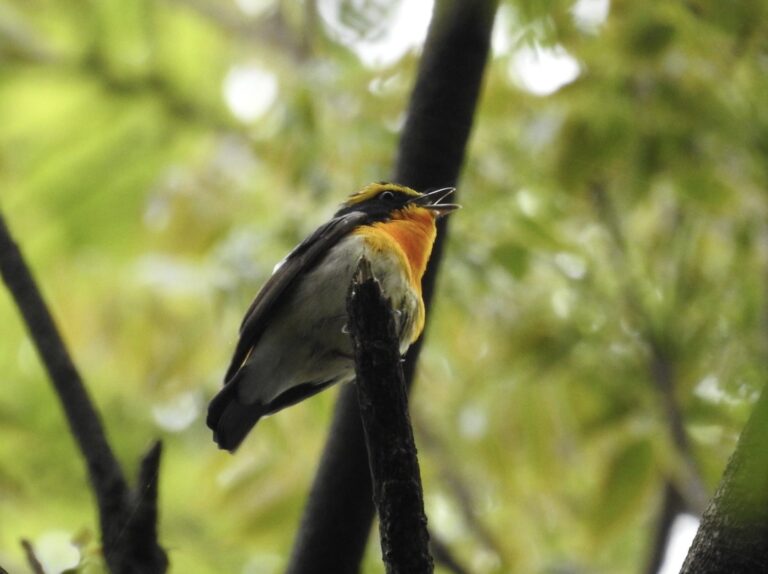
Narcissus flycatcher
At the Kyoto Imperial Palace, narcissus flycatcher can be heard singing here and there. Perhaps their migration has started a little early this year, as their song could be heard even in central Kyoto as early as the beginning of April. Although they only stop off at the Kyoto Imperial Palace during their migration, they can be observed there until mid-May. As they breed mainly in East Asia, including Japan, and winter in Southeast Asia, they are rarely seen in Europe and America, with only a few records from southern Alaska. The ‘narcissus’ in their English name, ‘narcissus flycatcher’, refers…
- Birds
- Kyoto