

Blog
Blog Mie
-
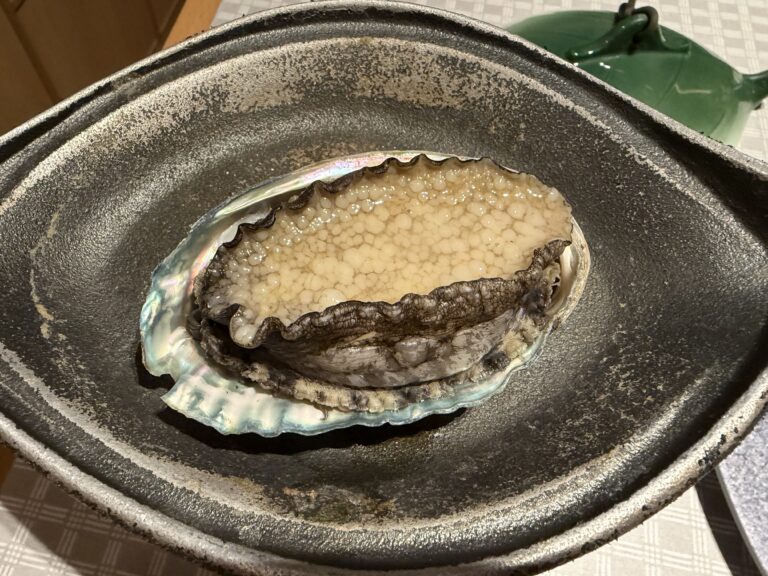
Abalone
It is said that Yamatohime-no-Mikoto, who is believed to have founded the Ise Shrine after travelling through various regions, arrived in Toba whilst searching for offerings for the shrine. She is said to have been deeply moved by the abalones offered to her by a female diver, and it is for this reason that, ever since, the abalone has become a sacred offering at the Ise Shrine. The Japanese black abalone, caught off the coast of Honshū, is currently in season. It is delicious as sashimi, of course, but also when steamed with sake. Nicknamed the ‘black diamond of the…
- Food
- Mie
-
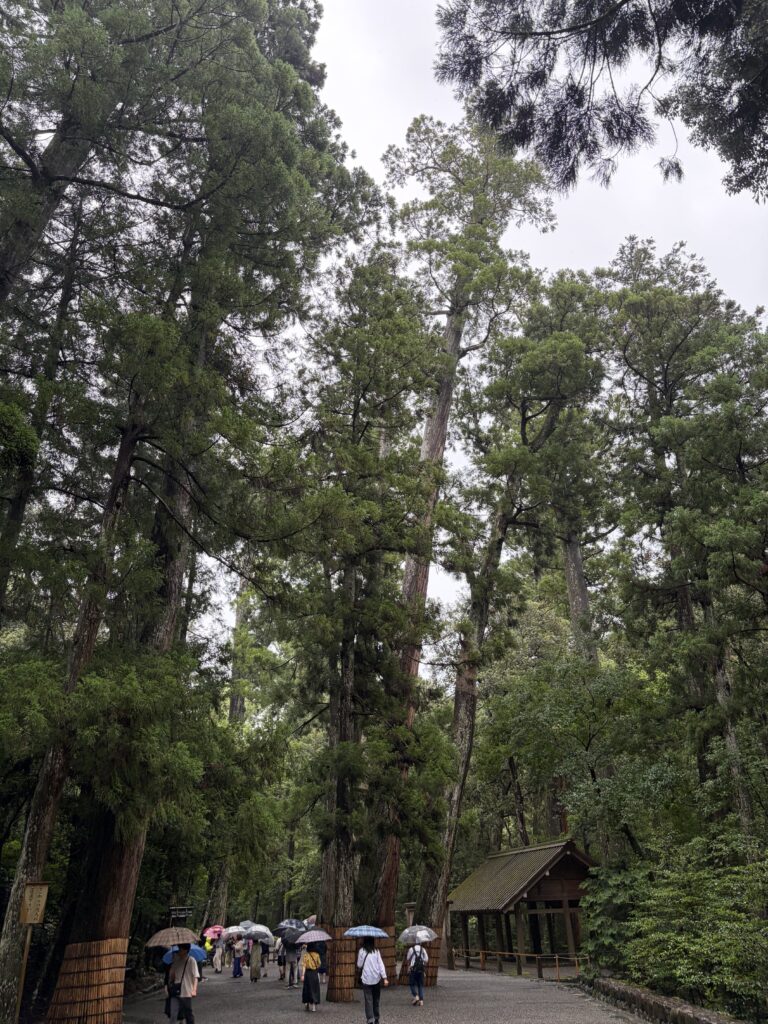
Naikū
The highlight of a pilgrimage to Ise is a visit to the Naikū. It is said that Amaterasu Ōmikami, the ancestral deity of the Imperial Family, took up residence at the Naikū some 2,000 years ago, and the Yata no Kagami, a sacred bronze mirror, one of the treasures of the Japanese Imperial Family, is enshrined there as the divine object. The approach to the Naikū is lined with enormous cedar trees, which are said to be several hundred years old. Although it has long been cherished as a spiritual power spot in Ise, it is also a site visited…
- Mie
- Spot introduction
-
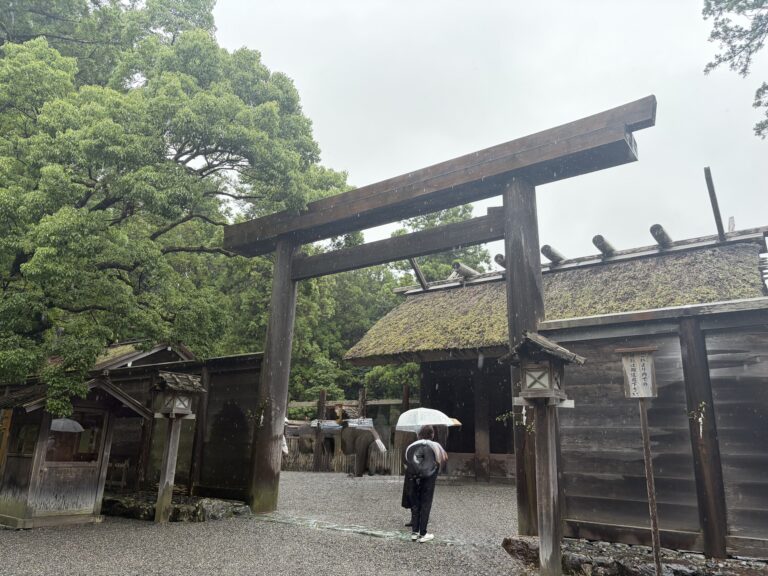
Gekū
It is customary when visiting Ise to begin at Gekū before proceeding to Naikū; however, Gekū is rarely visited by organised tour groups. The deity enshrined here, Toyouke-no-Ōkami, is the god or goddess of food and grain; it is said that the character ‘uke’ (受) signifies food. The approach path is paved with small pebbles for purification, creating a solemn atmosphere. The Shikinen-senkū is held once every 20 years. It is a ceremony in which the shrine buildings are rebuilt and the deity is transferred to a new main hall. The 63rd Shikinen-senkū is scheduled for autumn 2033, but the…
- Mie
- Spot introduction
-
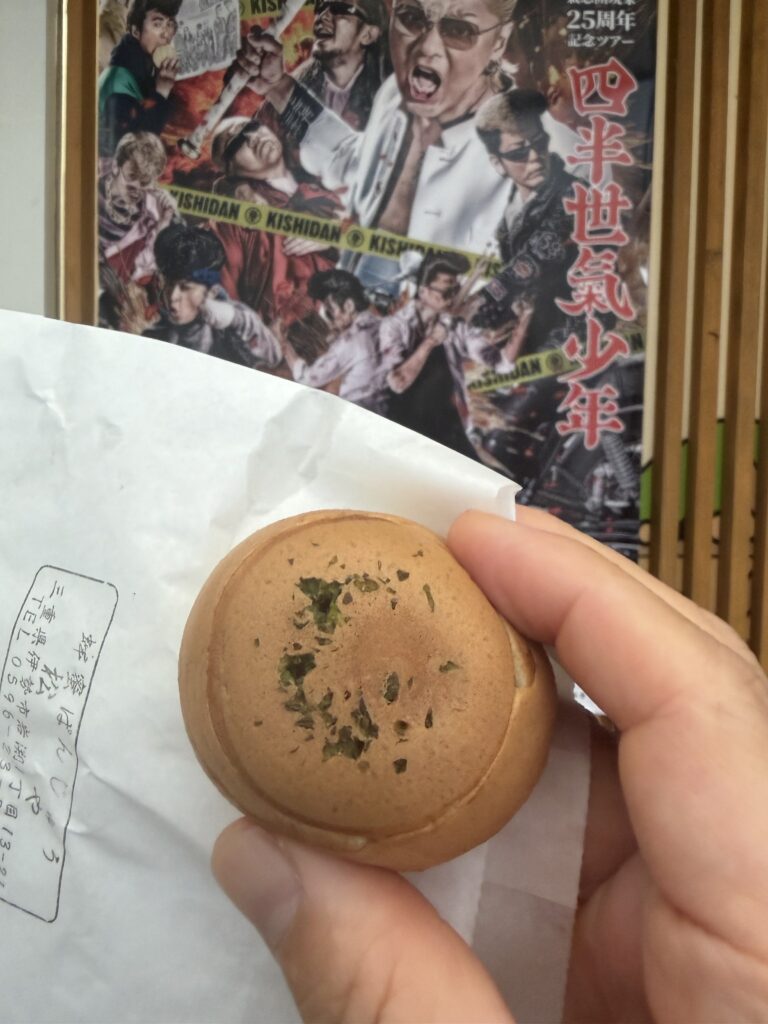
Panjū
‘Panjū’ is a sweet that, whilst well known in Ise, is not widely recognised across the rest of the country. It is made by pouring batter onto an iron griddle with indentations, similar to those used for takoyaki, filling the indentations with sweet bean paste, and then baking them. It is said that the name ‘Panjū’ comes from the fact that it is a manju baked like bread, or perhaps because it combines the words for ‘bread’ (pan in Japanese) and ‘manjū’. ‘Sōhonke Nanakoshi’, founded in 1901 and originally located in Jimbocho, Tokyo, is considered the birthplace of panjū. It…
- Japanese dessert
- Mie
- Spot introduction
-
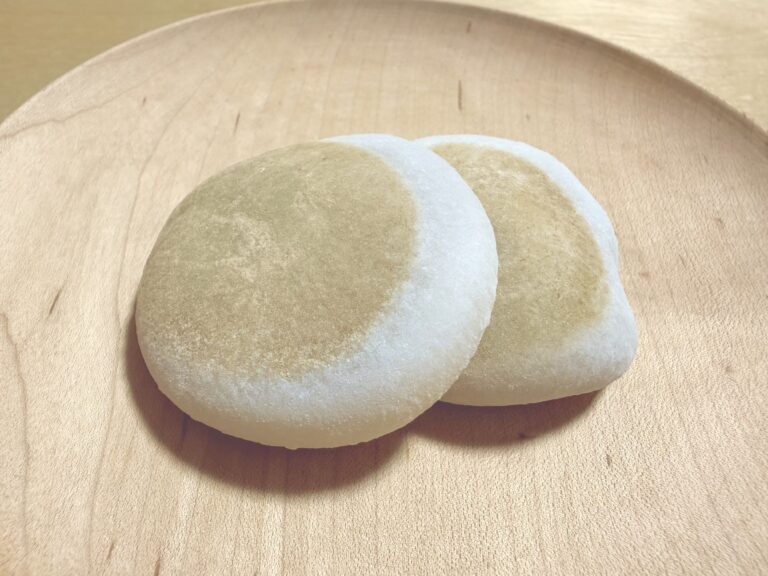
Taikō Shusse Mochi
Alongside Henba Mochi, Taikō Shusse Mochi is a popular sweet for pilgrims visiting Ise. Whilst it closely resembles Henba Mochi, Taikō Shusse Mochi is filled with coarse red bean paste and made from glutinous rice, giving it a firm texture. It has a wonderfully chewy texture and is personally my favourite type of mochi in Ise. The main shop is situated near the entrance to the Inner Shrine, with a bus stop right in front. As you can enjoy them fresh on the spot, I recommend popping in on your way back from your pilgrimage. The shop has a long…
- Japanese dessert
- Mie
- Spot introduction
-
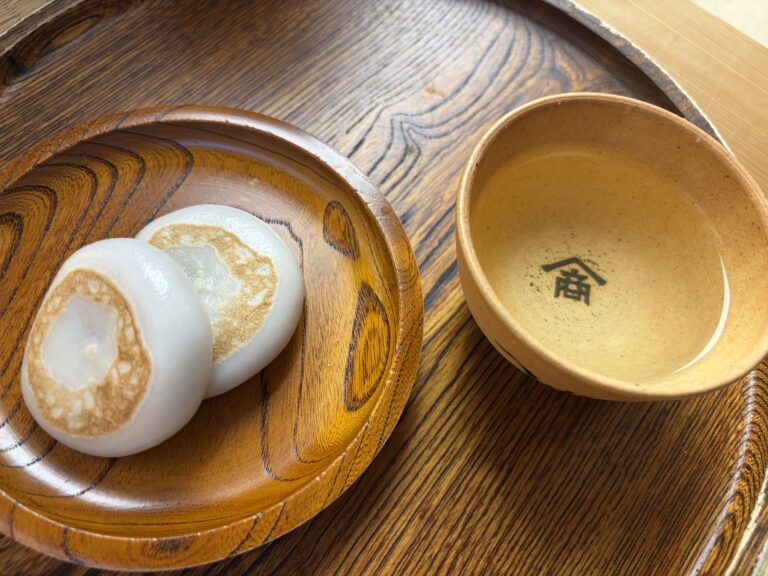
Henba Mochi
When visiting Ise, sweets are one of the highlights. Whilst Akafuku is by far the most popular, there are several other traditional sweets. One of these is ‘Henba Mochi’. The Miyagawa River marked the boundary of Ise Province. To cross it, travellers had to change to a boat and return their horses. It is said that the name derives from the fact that these rice cakes were eaten at this ‘Henba-sho’ (horse-returning station). It consists of mochi filled with smooth red bean paste and grilled on both sides; at the Oharaimachi branch, you can enjoy two pieces of mochi alongside…
- Japanese dessert
- Mie
- Spot introduction
-
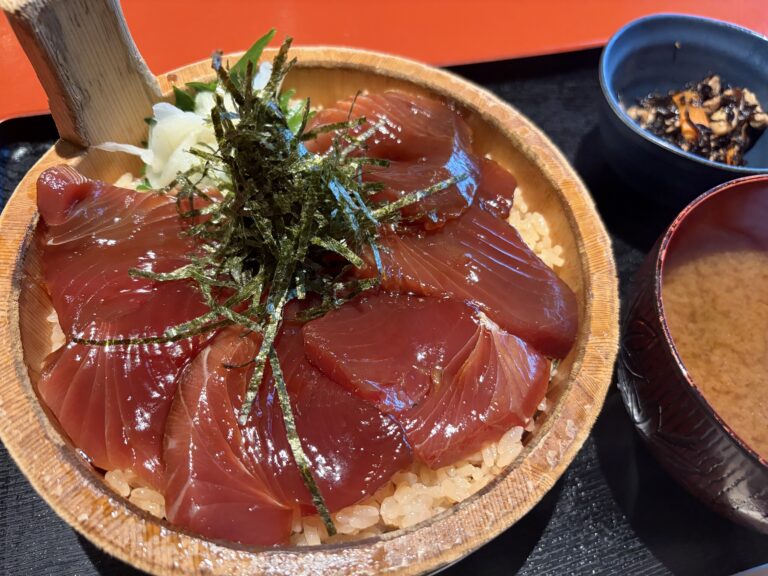
Tekone Sushi
Alongside Ise udon, tekone sushi is one of the specialities of a pilgrimage to Ise. It is a local dish in which red-fleshed fish, such as bonito and tuna, are marinated in a sauce made from a blend of soy sauce, mirin and sake, and then mixed with vinegared rice. It is said that the name ‘tekone (knead by hand)’ comes from the fact that fishermen used to fillet the fish they had caught on board their boats and mix it by hand. At Sushi Hisashi, you can enjoy Tekone Sushi whilst gazing out at the Isuzu River and the…
- Food
- Mie
- Spot introduction
-
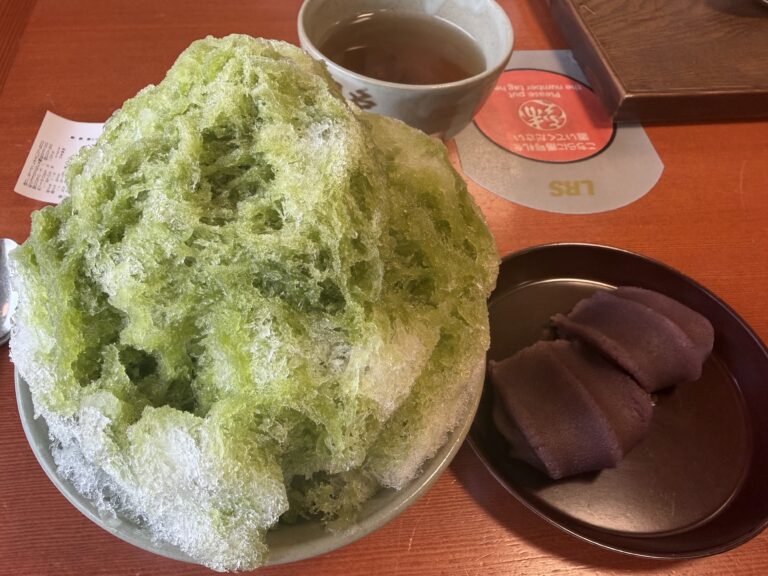
Akafuku Gōri
Akafuku Gōri (shaved Ice) is one of the hallmarks of summer in Ise. Akafuku is a traditional Japanese sweet consisting of soft mochi wrapped in smooth, strained red bean paste, and is a speciality of Ise Grand Shrine. The three stripes on the bean paste represent the clear waters of the Isuzu River, which flows past Ise Grand Shrine, whilst the white mochi symbolises the pebbles on the riverbed. Although it bears the name ‘Akafuku Gōri’, it does not actually feature Akafuku sweets on top of the ice. It consists of shaved ice topped with matcha syrup, served with red…
- Japanese dessert
- Mie
- Spot introduction
-
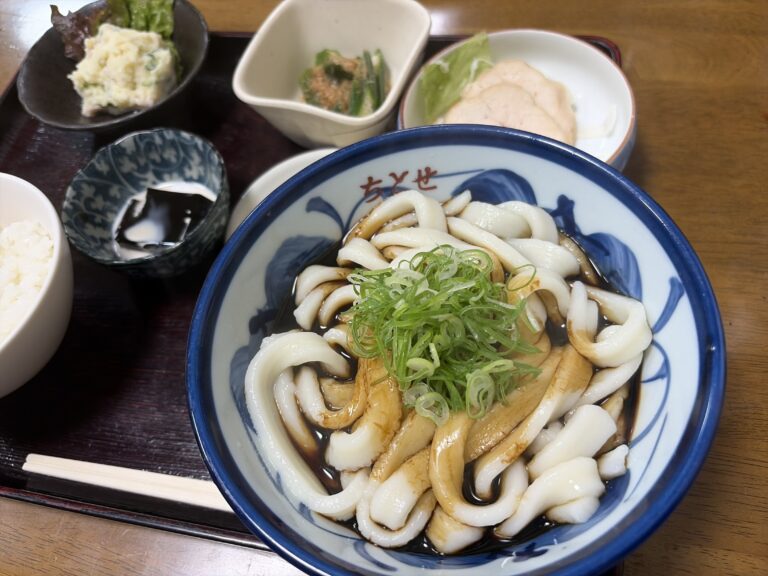
Ise Udon
Ise udon consists of extra-thick, soft udon noodles tossed in a sauce based on tamari soy sauce , which is characterised by its rich umami flavour. It is said to have been created during the Edo period to ease the burden on the stomachs of pilgrims travelling long distances to visit the Ise Shrine. It is said that the dish became known nationwide after the late radio writer Rokusuke Ei raved about it on the radio; the restaurant in question was Chitose. As the noodles are so soft, it is hardly surprising that those accustomed to the firm, springy Sanuki…
- Food
- Mie