

Blog
Blog Spot introduction 10ページ目
-
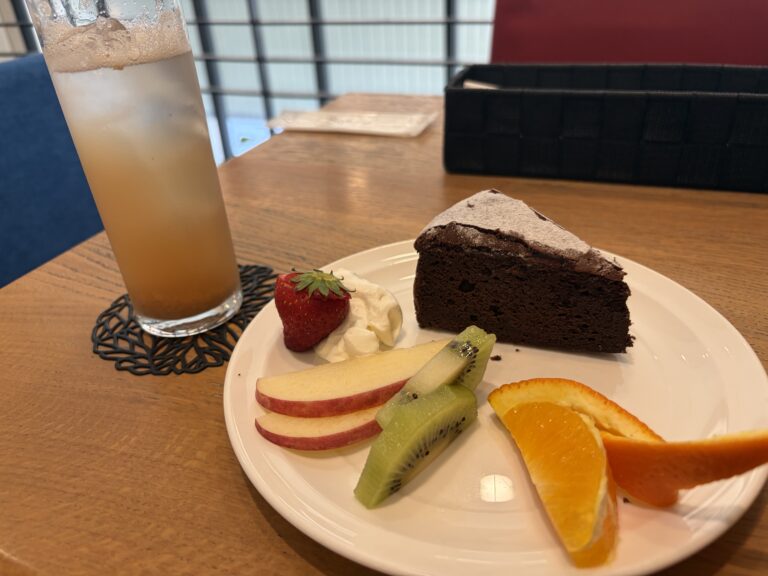
Fruit Tea Room ver kLar
When I visited Takayama as a child, it was a tourist destination, but apart from the Takayama Festival, there weren’t that many visitors. Now, however, it is constantly teeming with foreign tourists. There are more stylish cafés than ever, but they are often so crowded that you can’t get a seat. Located right next to the Miyagawa Morning Market, ‘Fruit Tea Room ver kLar’ is a hidden gem. The ground floor is a fruit shop, whilst the café is on the first floor, accessed via a staircase inside. Here, you can relax and enjoy some sweet treats whilst gazing out…
- Japanese dessert
- Spot introduction
- Takayama
-
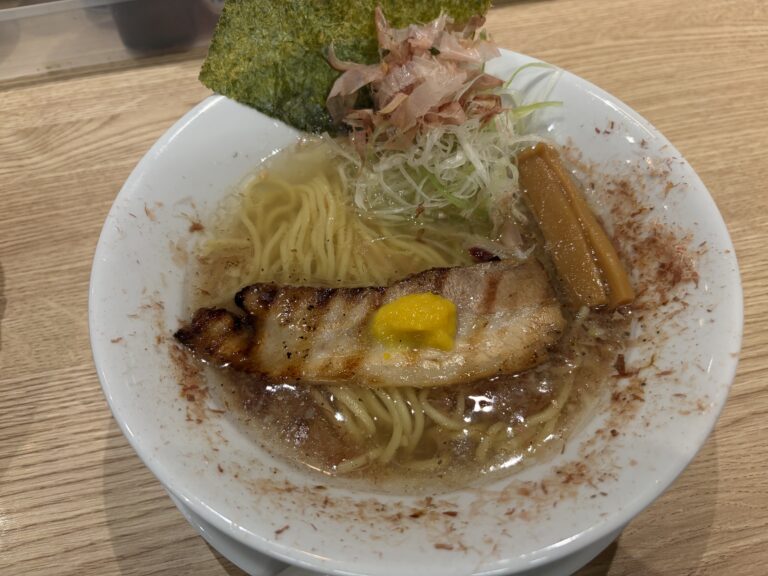
Yuzu Shio Ramen
I always crave ramen when I’m on a business trip to the regions. Few dishes divide opinion quite like ramen, yet it is also a dish that reflects the flavours deeply rooted in each local area. Located close to Kanazawa Station, Yuzuki is a real lifesaver when time is short. Inside the shop, cardboard boxes of yuzu from Tokushima and Ehime are stacked high, giving a real sense of their dedication to yuzu. The Yuzu Shio Ramen, made with a chicken and seafood-based broth enhanced with natural salt and yuzu, is refreshingly light—a bowl of ramen that doesn’t leave you…
- Food
- Hokuriku
- Spot introduction
-
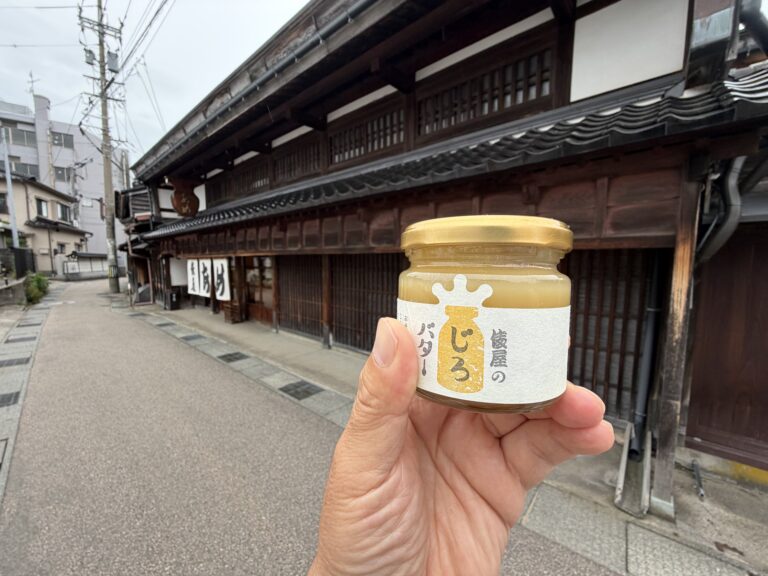
Tawaraya’s Jiro Butter
Founded in 1830, Tawaraya is Kanazawa’s oldest candy shop. It’s a shop I always make a point of visiting when I take a tour of Kanazawa’s Higashi Chaya District. Made using only rice and barley, their Jiro-ame (mizuame, a Japanese sweetener) has a comforting sweetness that isn’t cloying, and it’s easy to see why it has long been a favourite for feeding babies. My personal favourite, however, is Jiro Butter. This is a combination of Jiro-ame and butter, and spreading it on toast and toasting it doubles the deliciousness. It’s lovely that you can sample Jiro-ame and Awa-ame (millet candy) at…
- Hokuriku
- Japanese dessert
- Spot introduction
-
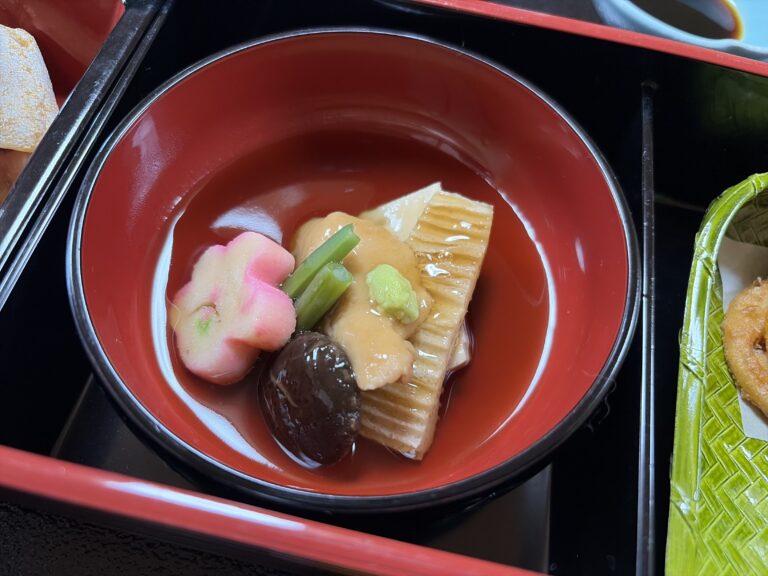
Jibuni
When it comes to Kanazawa’s signature local dish, Jibuni is the answer. It consists of duck or chicken, seasonal vegetables and sudare-fu (a type of wheat gluten noodle) simmered in a dashi broth and served with wasabi. As the meat is generously coated in wheat flour or potato starch, the dish develops a thick, creamy consistency, allowing it to be enjoyed whilst still piping hot. Whilst duck is the standard choice today, it seems that in the past, people would catch thrushes—a winter bird in Japan—grind them up with the bones still in, and shape the mixture into balls, much…
- Food
- Hokuriku
- Spot introduction
-
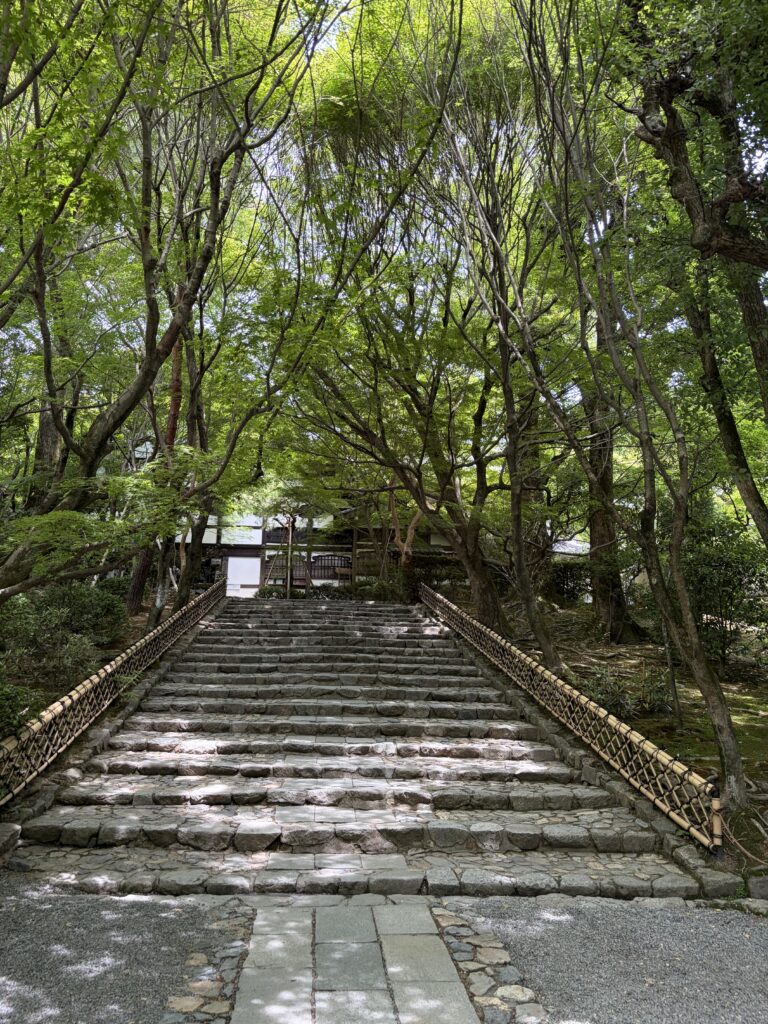
Stone Steps Leading to Ryōan-ji
The Hojo Garden at Ryōan-ji gained worldwide fame after Queen Elizabeth II praised it highly. Although the constant stream of foreign tourists has made it difficult to take one’s time and fully appreciate the rock garden, it remains one of Japan’s most iconic gardens. My favourite spot is this stone staircase leading to the Kuri, the kitchen of a Zen monaster. The lush green foliage creates an air of dignified serenity.
- Kyoto
- Spot introduction
-
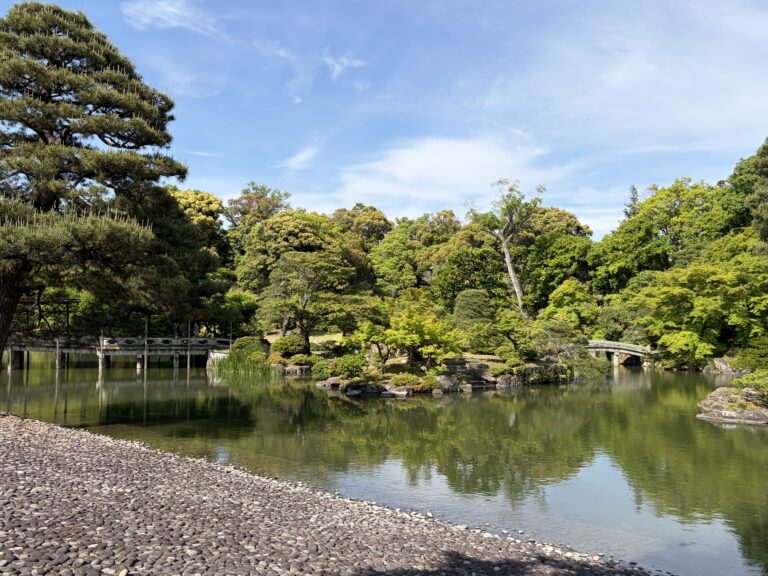
Sento Imperial Palace, Kyoto
Although advance booking is required, the Sento Imperial Palace, located within the Kyoto Imperial Palace grounds, offers free guided tours. The term ‘Sento’ originally referred to the dwelling of an immortal, and by extension, it came to denote the residence of an emperor who had abdicated. The highlight is the strolling garden designed by Kobori Enshū and others. Enshū was a daimyō and tea master active in the early Edo period, who also worked as a landscape architect, renovating gardens such as the Ninomaru Garden at Nijo Castle. In particular, the 110,000 pebbles said to be laid out in the…
- Kyoto
- Spot introduction
-
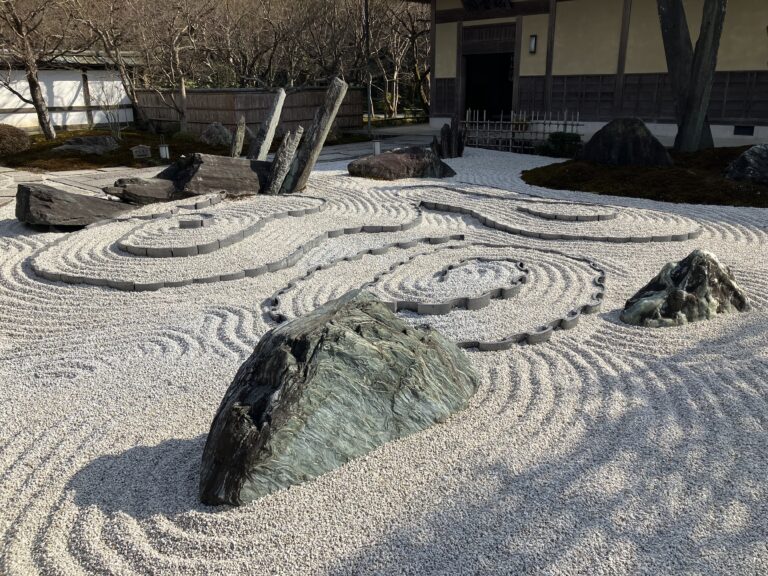
Enkō-ji Temple
Kyoto is so overflowing with foreign tourists that even visitors from overseas sometimes lament that, having made the effort to come to Japan, they are unable to experience anything truly Japanese. Amidst all this, Enkō-ji Temple offers a place to relax and enjoy oneself. Passing through the mountain gate, the ‘Honryū-tei’ (Rising Dragon Garden) comes into view. It depicts a dragon ascending through a sea of clouds rendered in white sand. The stone arrangement visible in the background of the photograph is said to represent the dragon’s head, whilst the roof tiles symbolise its body. This dry landscape garden was…
- Kyoto
- Spot introduction
-
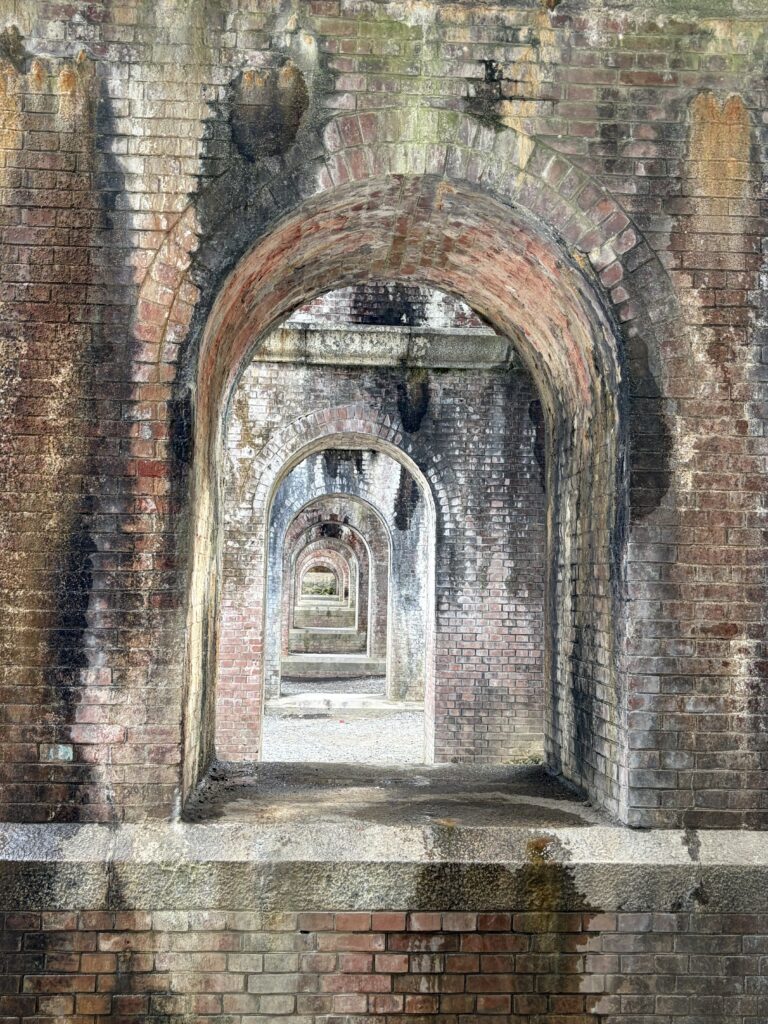
Nanzen-ji Aqueduct
Sakuo Tanabe wrote his graduation thesis on ‘The Lake Biwa Canal Construction Plan’; his talent was recognised, and at the age of just 23 he was appointed Chief Engineer for the Kyoto Prefecture Canal Works by the Governor of Kyoto Prefecture, Kunimichi Kitagaki. Construction of the Lake Biwa Canal began in 1888, but the project faced the problem that the canal had to cross the grounds of the scenic Nanzen-ji Temple. To ensure that the temple grounds’ landscape was not spoiled, Tanabe incorporated the design of an ancient Roman aqueduct into his plans. Although there was reportedly some opposition at…
- Kyoto
- Spot introduction
-
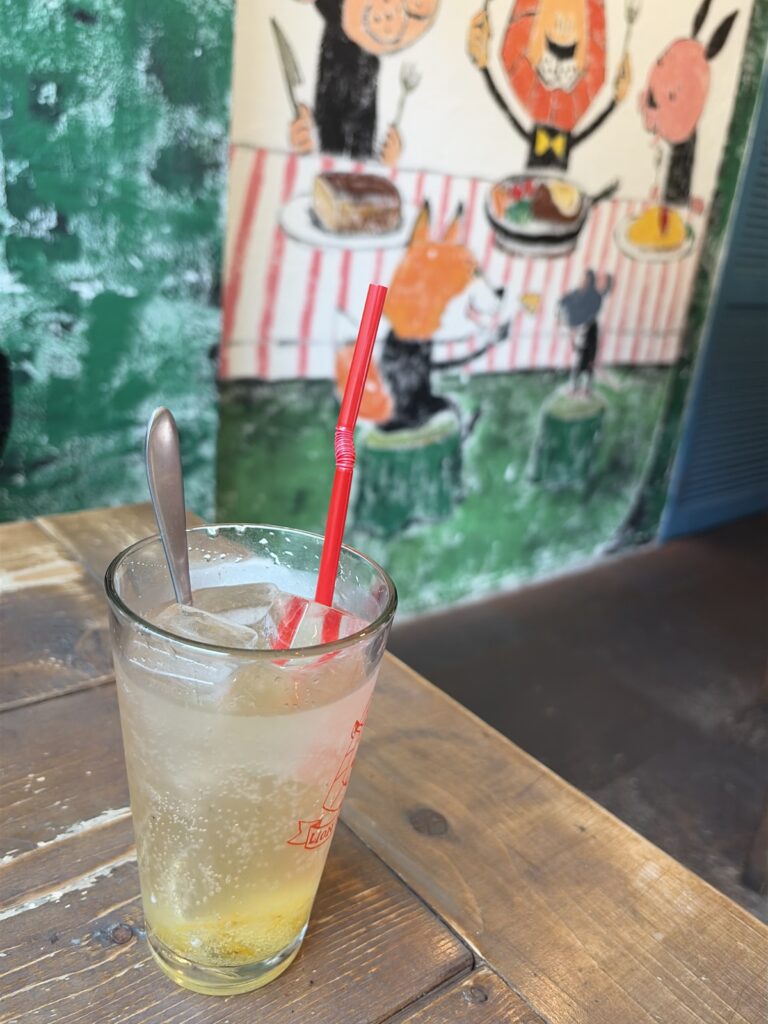
Lion Kitchen
The Demachi Masugata Shopping Arcade is a place we always visit when showing guests around our guesthouse. Lion Kitchen is located at the west entrance. Originally based in Osaka, they moved here five years ago. It’s a Western-style restaurant where the hamburg steak is a popular dish, but I also recommend popping in for a coffee. My personal favourite is the yuzu ginger ale. Yuzu is a typical Japanese citrus fruit, characterised by its tart flavour and pleasant aroma. It contains little juice, and the peel is mainly used to add fragrance to Japanese cuisine. The murals of animals, painted…
- Food
- Kyoto
- Spot introduction
-
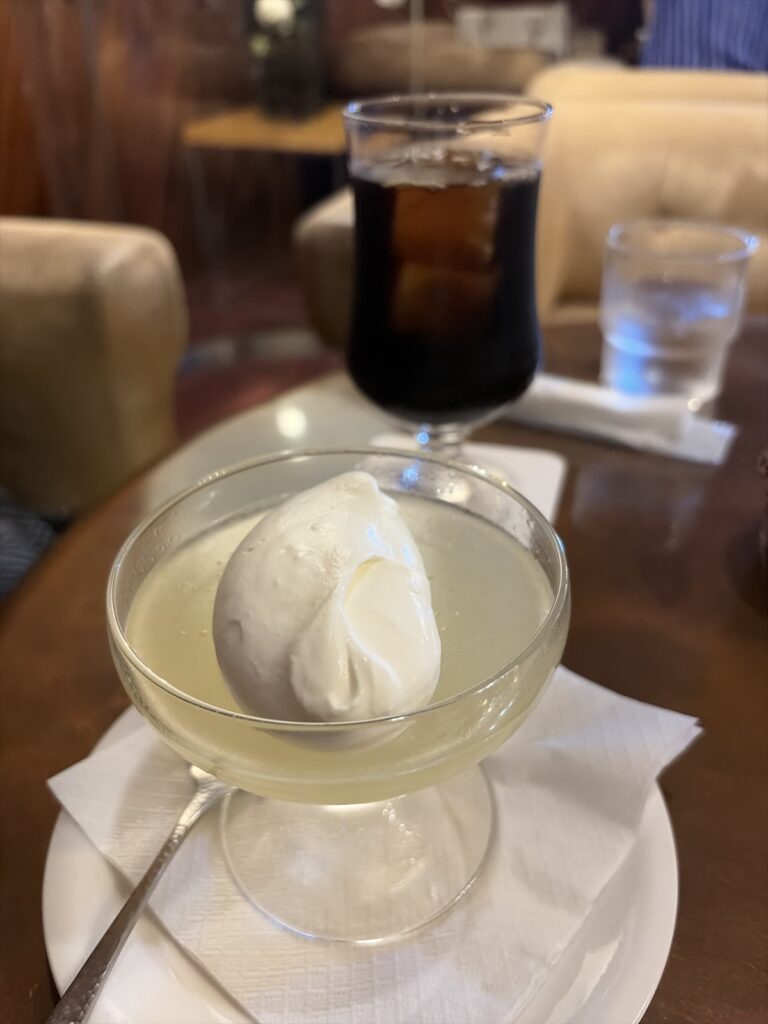
Gion-ishi Tea Room
Gion is a popular destination for guided tours. Although most of the alleys in Gion Kobu have been closed to visitors due to the poor behaviour of some tourists, the area remains bustling day and night. While cafés are all full, Gion Ishi Café offers a place to enjoy a leisurely cup of tea away from the hustle and bustle. Located on the second floor of a jewellery shop called Gion Ishi, it is a true hidden gem, as you must pass through the shop’s showroom to reach the café. The interior, designed to resemble a ship’s cabin, is well…
- Food
- Kyoto
- Spot introduction
-
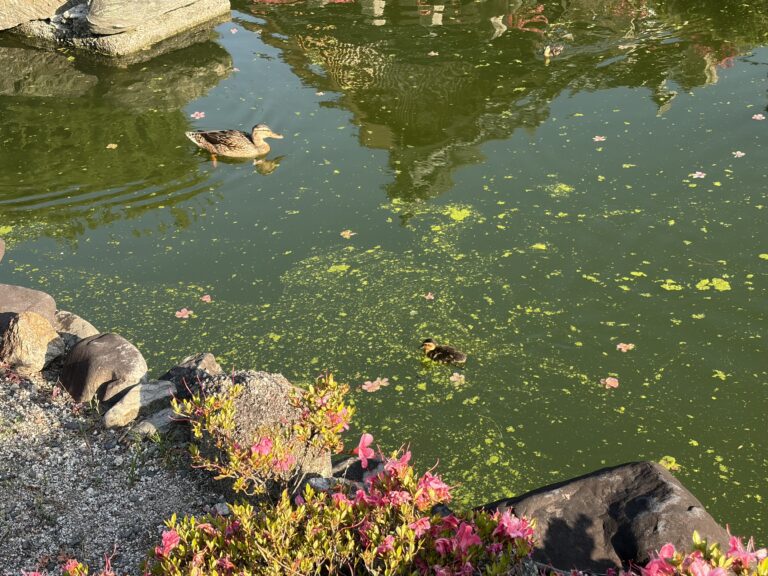
Aigamo Ducks at Yōhō-ji Temple
The Aigamo ducks at Yōhō-ji Temple are famous for the chicks hatched in the temple pond moving to the Kamo River. When I went to see them today, six chicks were swimming about energetically. The term ‘Aigamo duck’ refers to domesticated wild mallards, or ducks that are a cross between a domestic duck and a mallard. They make the move around June every year, but as they have to cross the busy Kawabata-dori road, officers from Kawabata Police Station are on hand to direct traffic. As they are still quite small, the move may not take place for another fortnight…
- Kyoto
- Spot introduction
-
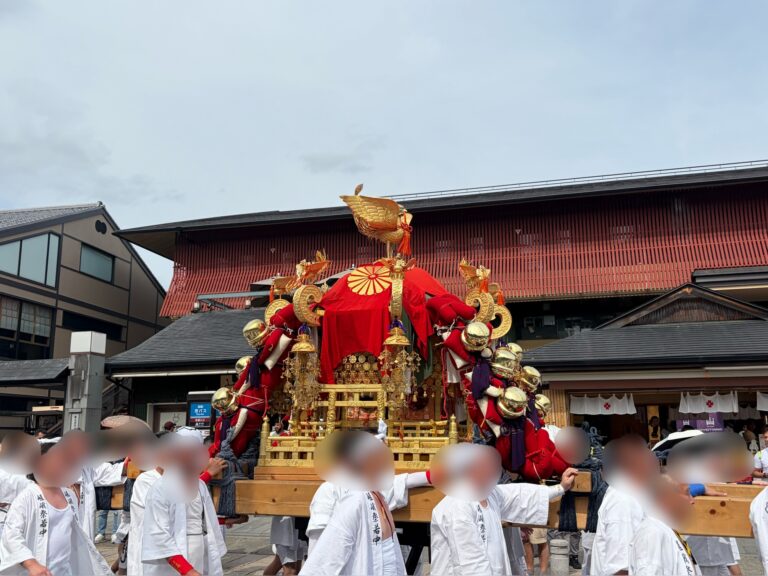
Saga Festival: The Return Procession
Kyoto is bustling with festivals in May. Today is the Saga Festival Return Procession. It is a festival with such a long history that it is even recorded in the diaries of aristocrats from the Muromachi period. The portable shrine, which had been enshrined at Seiryo-ji Temple, is carried by nearly 600 people, accompanied by sword-spears and lion dances, on a procession through Kita-Saga’s Daikaku-ji Temple and Arashiyama. There are two portable shrines: one from Atago Shrine and one from Nonomiya Shrine. The portable shrine in the photograph, clad in red, is from Atago Shrine, whilst the one from Nonomiya…
- Kyoto
- Spot introduction