

Blog
Blog Yamagata
-
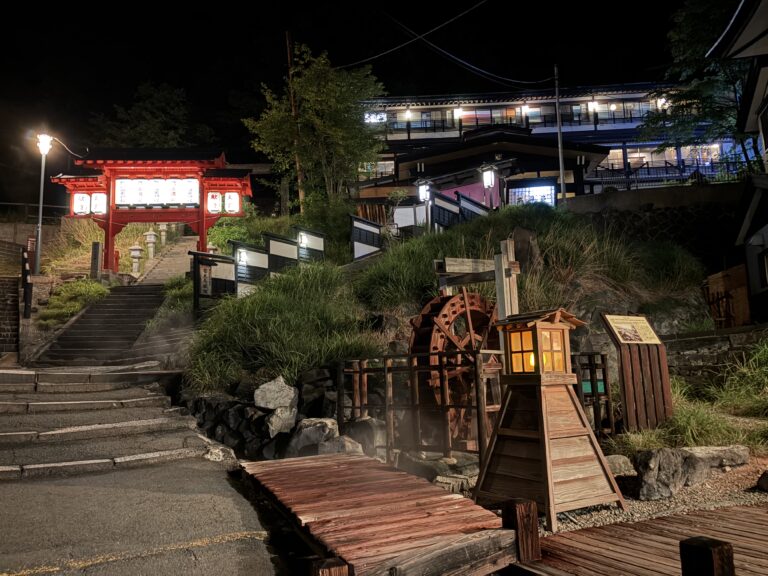
Zaō Onsen
Zaō Onsen is situated halfway up the Zaō mountain range, at an altitude of 900 metres. It has a long history, with records dating back to at least the 9th century; it is even said to have been discovered by a retainer of Emperor Jimmu during his eastern campaign 1,900 years ago. As you climb the slope through the hot spring town, you will come upon Sukawa Onsen Shrine. This shrine, dedicated to the hot springs, has long been a centre of worship, alongside Zaō-san Shrine on the summit of Mount Kumano and Ryūzan Shrine on the summit of Mount…
- Onsen
- Spot introduction
- Yamagata
-
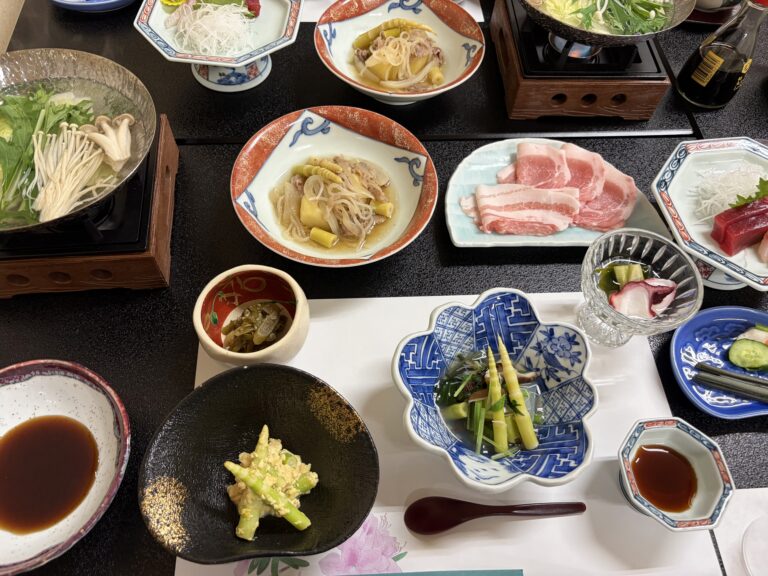
Nemagari Bamboo
In the Tohoku region and Shinshu, the term ‘bamboo shoots’ generally refers not to the commonly eaten Moso bamboo shoots, but to Kuril dwarf bamboo, commonly known as nemagari bamboo. It grows not in bamboo groves but in thickets of sasa (bamboo grass), and is currently in season from late May to mid-June. Whilst the tough parts need to be trimmed away, unlike Moso bamboo, there is no need to remove the bitterness, making it a mountain vegetable with a pleasant crunch. The downside is that nemagari bamboo is a favourite food of Asian black bears, so you are likely…
- Food
- Spot introduction
- Yamagata
-
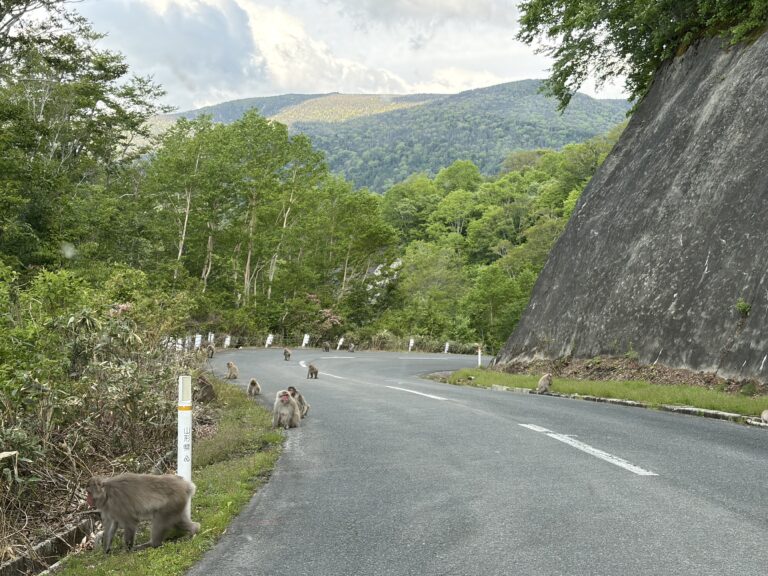
Increasing Japanese Macaques
Since last year, there have been sightings of Asian black bears in urban areas, and sightings of Japanese macaques in urban areas are also on the rise. According to staff at a guesthouse in Zaō Onsen, Yamagata Prefecture, the number of Japanese macaques in the Zaō area has been increasing recently; I encountered a troop of them twice on the prefectural road—commonly known as the Nishi-Azuma Sky Valley—which runs from Lake Inawashiro to Yonezawa city. They did not seem particularly afraid of people and were sitting right in the middle of the road, but being surrounded by a troop of…
- Mammals
- Spot introduction
- Yamagata