

Blog
Blog 2026年7月 3ページ目
-
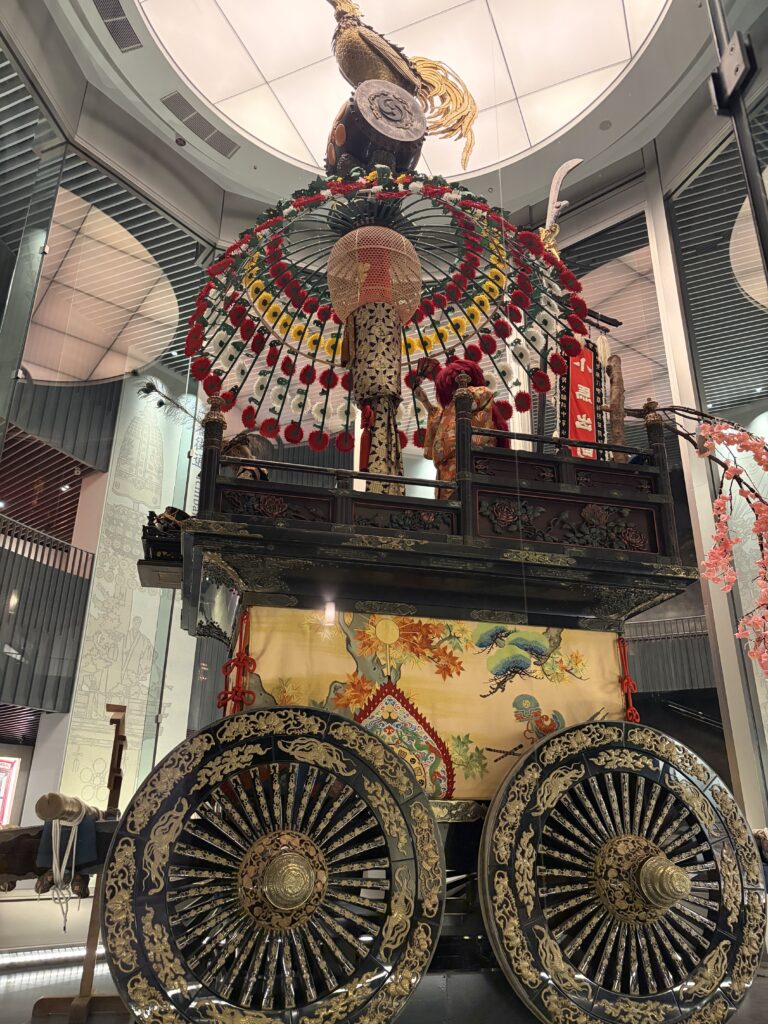
Mikurumayama
The Takaoka Mikurumayama Festival is held every year on 1 May. An ‘Mikurumayama’ is a float featuring a ‘hoko’ (a ceremonial pole), adorned with splendid and opulent decorations; it is listed as a UNESCO Intangible Cultural Heritage. In 1588, when Toyotomi Hideyoshi was appointed Kanpaku (Chancellor) and built Jurakudai—a residence and fortress complex—in Kyoto, he invited the Emperor to visit the estate. It is said that the imperial carriage used for this imperial visit was bestowed upon Maeda Toshiie, the lord of the Kaga Domain, and later transferred to the townspeople by Toshinaga, the second lord of the domain, when…
- Spot introduction
- Takaoka
-
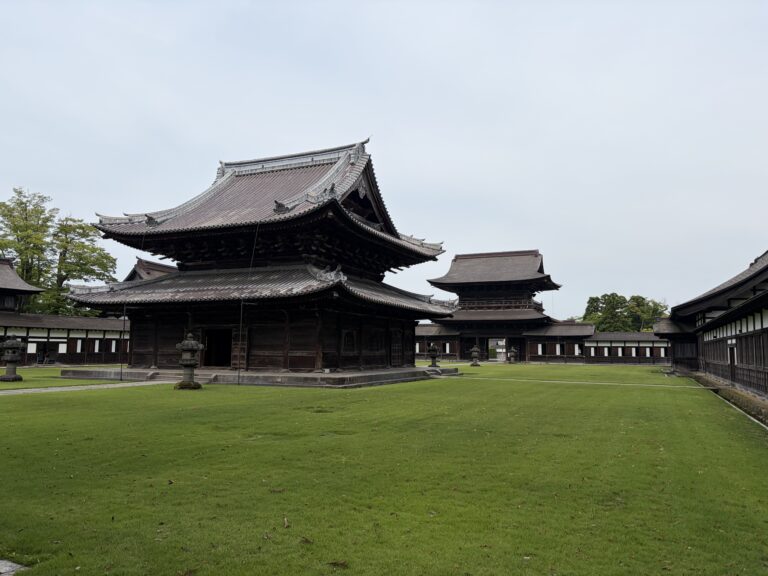
Zuiryū-ji Temple
A 10-minute walk from Takaoka Station, Zuiryū-ji Temple is an essential stop on any tour of Takaoka. The mountain gate, the Buddha Hall and the Dharma Hall are arranged in a straight line and connected by a covered walkway. Modelled on Chinese temple architecture, this layout is known as a ‘garan’; however, it is extremely rare to find a temple where the garan layout has been preserved in its entirety. Furthermore, as they incorporate the finest architectural techniques of the early Edo period, all three structures have been designated as National Treasures. As the temple was built to commemorate Maeda…
- Spot introduction
- Takaoka
-
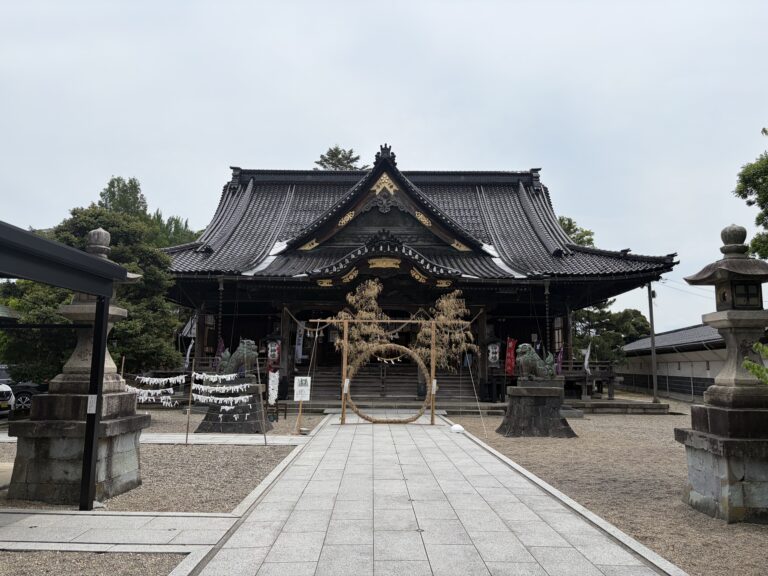
Takaoka Sekino Shrine
I visited Takaoka Sekino Shrine when I opened my guesthouse. My grandfather was from Takaoka, and the story goes that our ancestors who were a parishioner of Sekino Shrine were granted the surname ‘Sekino’. The shrine is known for bestowing blessings such as good fortune and prosperity in business, and my father also paid a visit there before starting his own business. I visited the shrine this weekend for the first time in eight years. Although 30 June had already passed, the ‘chinowa’—a ring of reeds set up for the Nagoe-no-harae purification ritual—was still in place. Passing through the chinowa…
- Spot introduction
- Takaoka
-
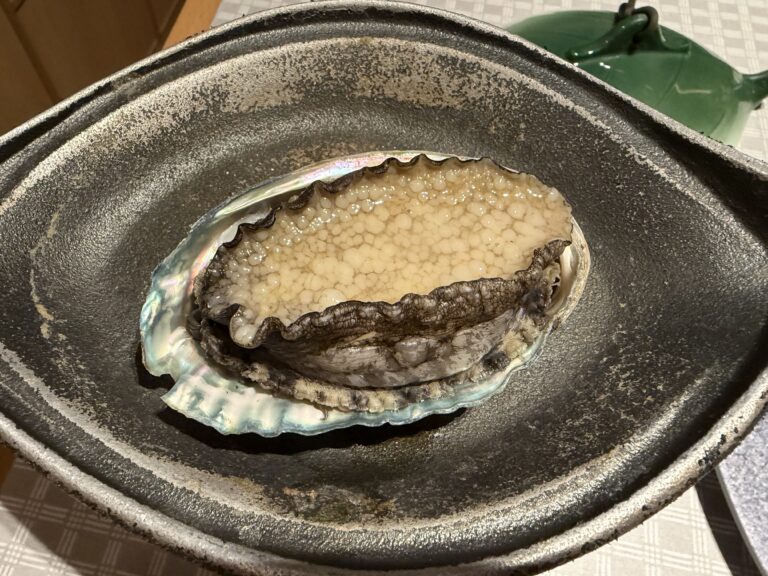
Abalone
It is said that Yamatohime-no-Mikoto, who is believed to have founded the Ise Shrine after travelling through various regions, arrived in Toba whilst searching for offerings for the shrine. She is said to have been deeply moved by the abalones offered to her by a female diver, and it is for this reason that, ever since, the abalone has become a sacred offering at the Ise Shrine. The Japanese black abalone, caught off the coast of Honshū, is currently in season. It is delicious as sashimi, of course, but also when steamed with sake. Nicknamed the ‘black diamond of the…
- Food
- Mie
-
Naikū
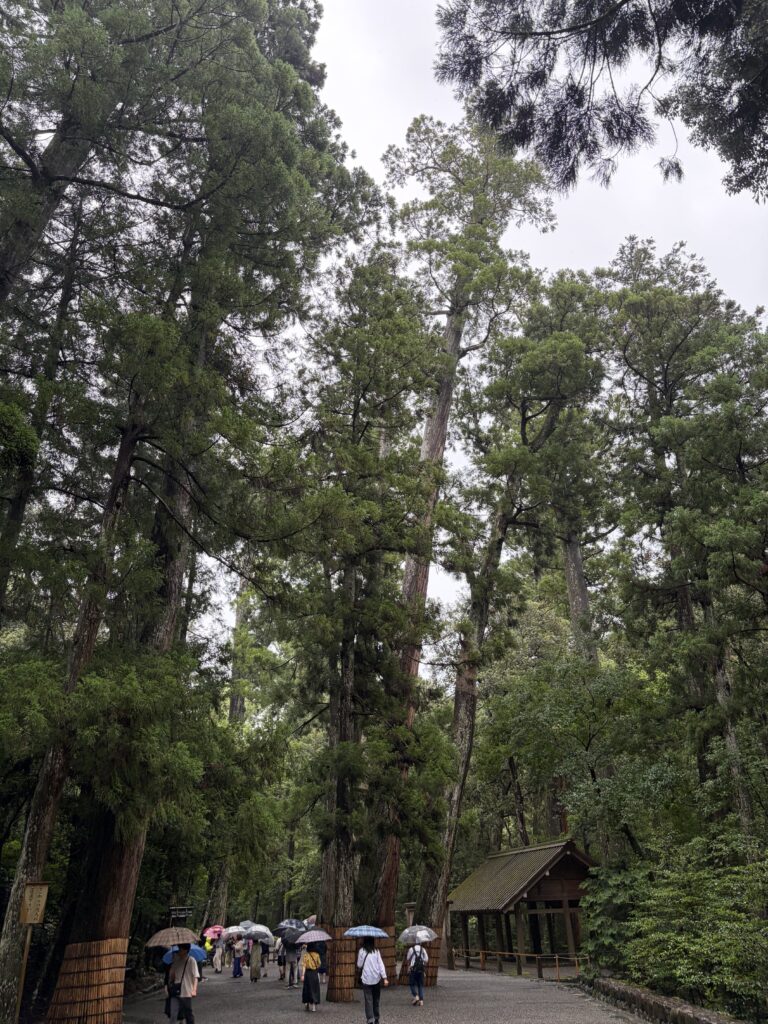
The highlight of a pilgrimage to Ise is a visit to the Naikū. It is said that Amaterasu Ōmikami, the ancestral deity of the Imperial Family, took up residence at the Naikū some 2,000 years ago, and the Yata no Kagami, a sacred bronze mirror, one of the treasures of the Japanese Imperial Family, is enshrined there as the divine object. The approach to the Naikū is lined with enormous cedar trees, which are said to be several hundred years old. Although it has long been cherished as a spiritual power spot in Ise, it is also a site visited…
- Mie
- Spot introduction
-
Gekū
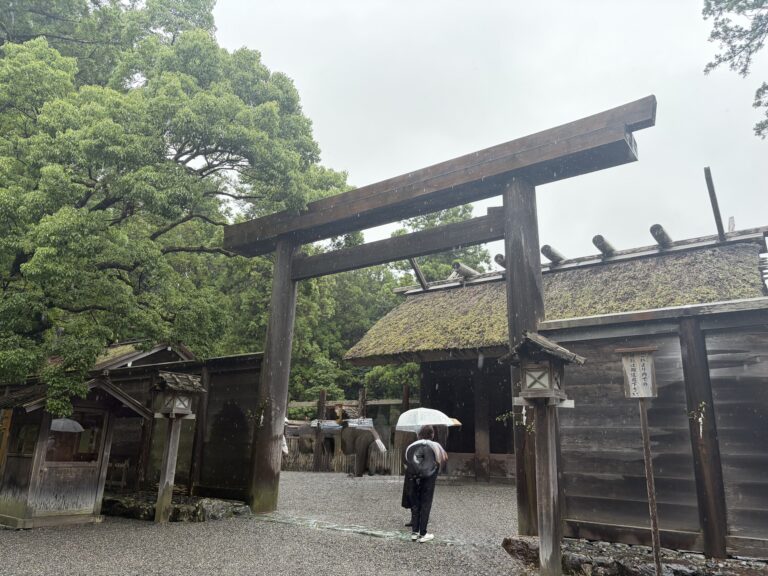
It is customary when visiting Ise to begin at Gekū before proceeding to Naikū; however, Gekū is rarely visited by organised tour groups. The deity enshrined here, Toyouke-no-Ōkami, is the god or goddess of food and grain; it is said that the character ‘uke’ (受) signifies food. The approach path is paved with small pebbles for purification, creating a solemn atmosphere. The Shikinen-senkū is held once every 20 years. It is a ceremony in which the shrine buildings are rebuilt and the deity is transferred to a new main hall. The 63rd Shikinen-senkū is scheduled for autumn 2033, but the…
- Mie
- Spot introduction
-
Panjū
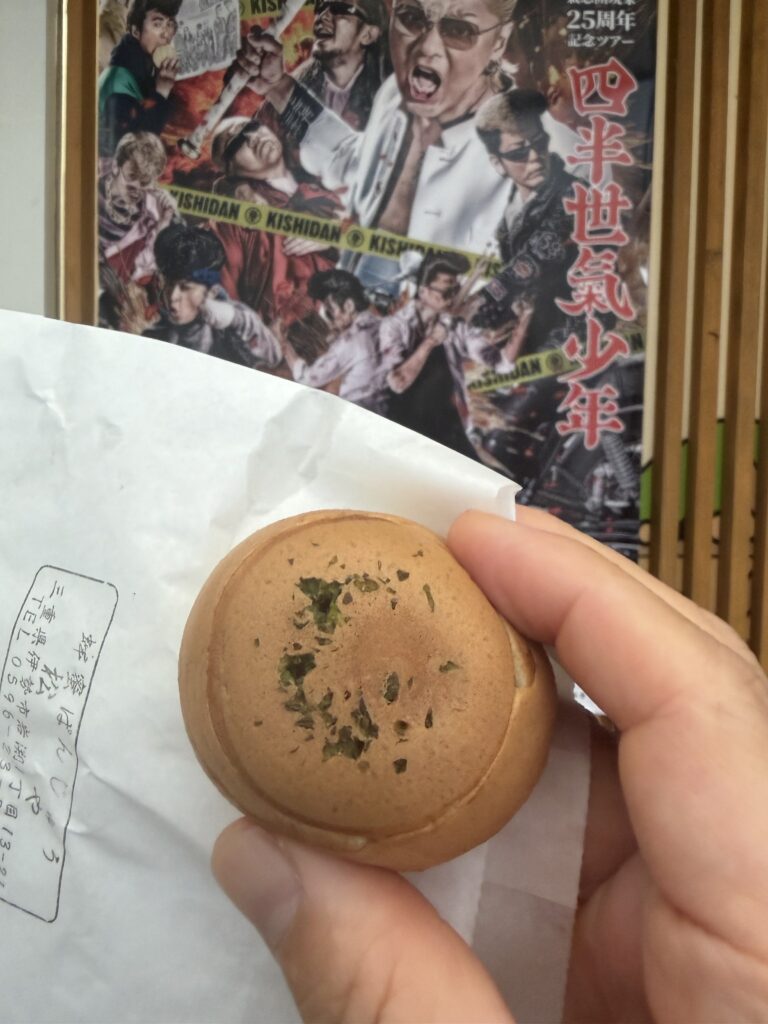
‘Panjū’ is a sweet that, whilst well known in Ise, is not widely recognised across the rest of the country. It is made by pouring batter onto an iron griddle with indentations, similar to those used for takoyaki, filling the indentations with sweet bean paste, and then baking them. It is said that the name ‘Panjū’ comes from the fact that it is a manju baked like bread, or perhaps because it combines the words for ‘bread’ (pan in Japanese) and ‘manjū’. ‘Sōhonke Nanakoshi’, founded in 1901 and originally located in Jimbocho, Tokyo, is considered the birthplace of panjū. It…
- Japanese dessert
- Mie
- Spot introduction