

Blog
Blog 2026年7月 2ページ目
-
Relentless Heatwave
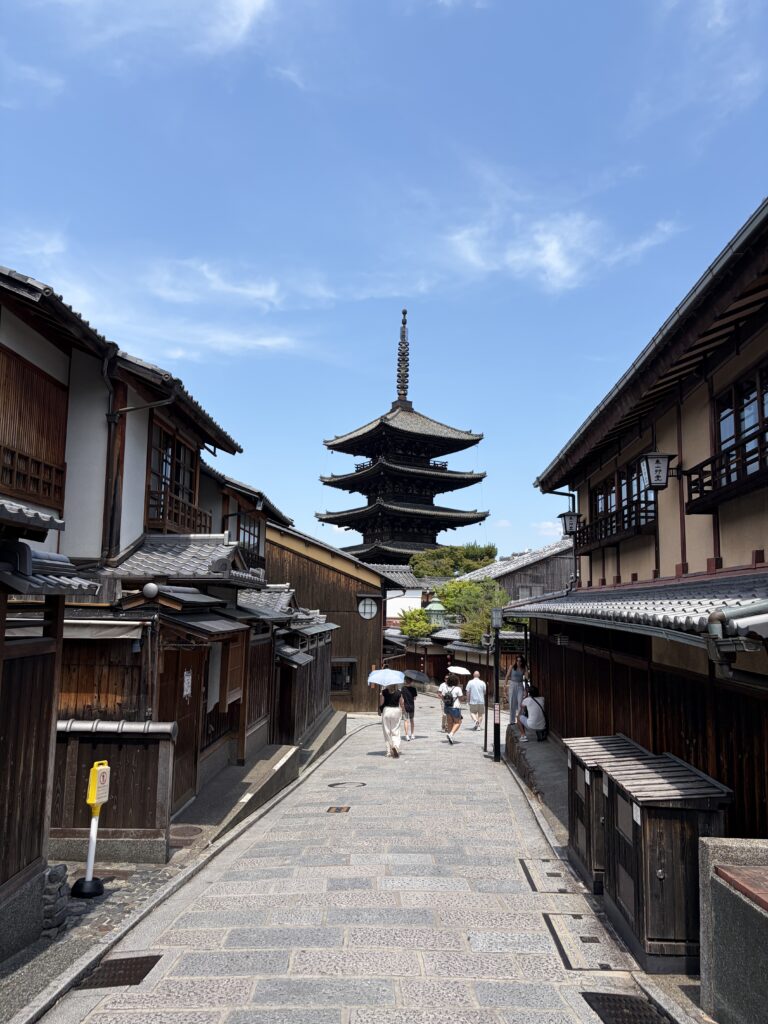
It’s the middle day of a three-day weekend. Japanese people have short vacations; they even call a three-day weekend—consisting of a weekend and a national holiday—a vacation. In Kyoto, the number of Japanese tourists seems to be increasing, whilst the number of foreign tourists appears to have dropped slightly. Perhaps many visitors are beginning to realise that the Japanese summer is more muggy and uncomfortable than they had anticipated. Even the Yasaka Tower, which is usually a popular ‘Instagrammable’ spot with a constant stream of tourists, has seen fewer visitors due to the extreme heat. Even at night, the temperature…
- Kyoto
- Spot introduction
-
Motomiyasai Festival
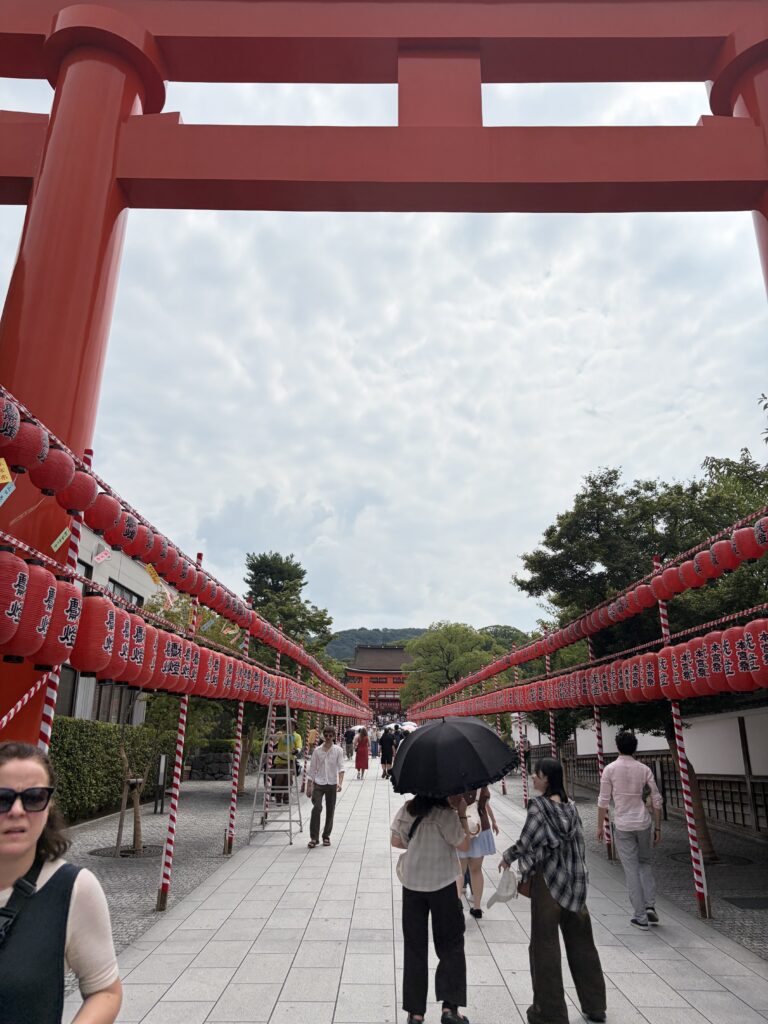
The Motomiyasai Festival at Fushimi Inari takes place the day after tomorrow. This festival honours a branch spirit of Inari Okami—the deity of bountiful harvests and commercial prosperity—and attracts worshippers from the approximately 30,000 Inari shrines said to exist throughout Japan to pay their respects at Fushimi Inari, the head shrine. During the Yoimiya, which begins tomorrow at 6 pm, lanterns will be displayed throughout the shrine grounds, and nearly 400 illuminated lantern paintings will be lit, creating a magical atmosphere. Although Fushimi Inari attracts 10 million visitors annually, incidents caused by the rapidly increasing number of foreign tourists are…
- Kyoto
- Spot introduction
-
Scorching Heat
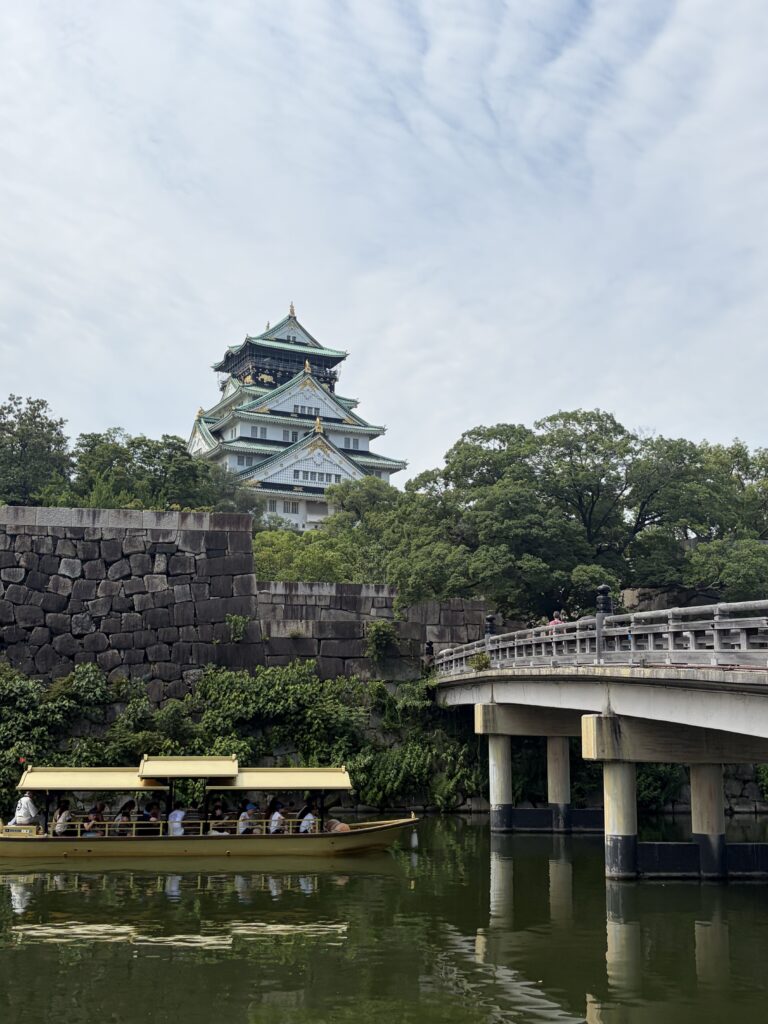
As Kyoto is situated in a basin, summers are sweltering and winters are bitterly cold. Today, the temperature reached 37 degrees, with humidity at over 80 per cent. It’s not just sweltering—it’s almost suffocating. We had originally planned to preserve the traditional machiya section of our guesthouse, but given this current heatwave, it was definitely the right decision to carry out a full renovation. The Yamahoko Parade took place amidst this intense heat. I hear as many as 25 people were taken to hospital by ambulance with heatstroke. I worked in Osaka as guide, and it was just as sweltering…
- Osaka
- Spot introduction
-

Chimaki
During the Gion Festival, the one thing the people of Kyoto never fail to buy every year is chimaki. These are displayed at the entrance to ward off misfortune, though the blessings they offer vary depending on the specific yamahoko float. When I first visited Kyoto, I mistakenly thought they were sweet chimaki confectionery meant to be eaten, and my Kyoto friend was quite taken aback when I tried to take the contents out. The main material used for chimaki is a large sasa (bamboo grass) known as ‘chimakizasa’, sourced from Kurama, Ohara and the Tanba Highlands. However, in recent…
- Kyoto
-

Yoiyoiyama
Tonight is Yoiyoiyama, the night two days before Yamahoko Procession. Starting tonight, Shijo Street will become a pedestrian-only zone, lined with yamahoko floats and food stalls. In the Yamahoko Procession, the order of the parade is determined by lottery to avoid disputes over the order, but the Naginata-boko, located near Shijo Station, serves as a messenger of the gods and is tasked with breaking the sacred barrier; as such, it is exempt from the lottery and always leads the procession. It is the most popular float, and there is always a line of people waiting to buy chimaki, amulet to…
- Kyoto
- Spot introduction
-
Hamo-Otoshi
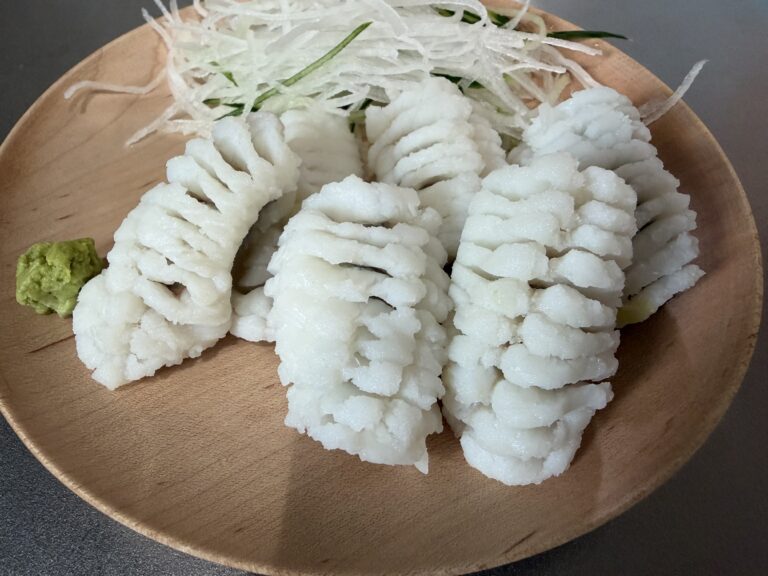
Tomorrow is ‘Yoiyoiyama’, the eve of the festival held two days before the Yamahoko Procession of Gion festival. Hamo (Pike Conger) is a fish traditionally eaten in Kyoto at this time of year. Although sourcing fish was difficult in Kyoto, which is far from the sea, hamo—a fish with extraordinary vitality—was reportedly the only species that could be transported alive from the Seto Inland Sea to Kyoto. However, hamo has sharp teeth and many small bones. Through trial and error, Kyoto’s chefs established a technique known as ‘honekiri (bone-cutting)’, in which only the fine bones are removed without cutting the…
- Food
- Kyoto
-
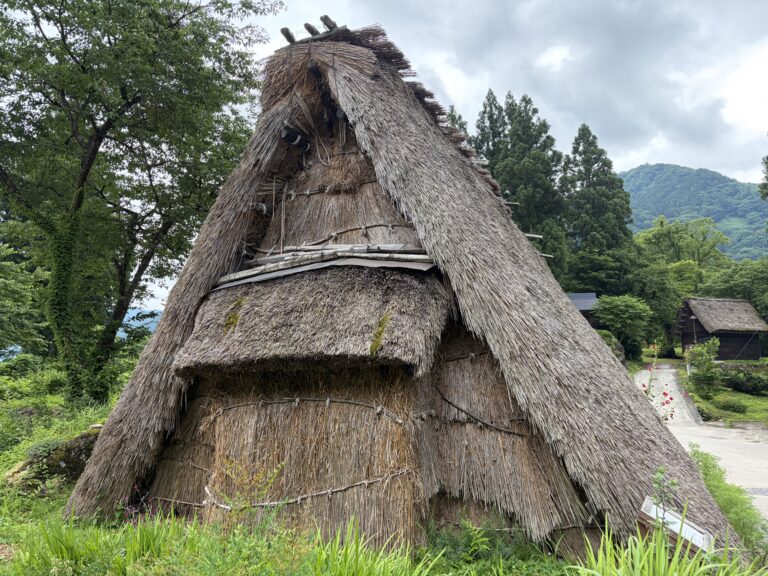
Ainokura Gasshō-zukuri Village
The Ainokura Gasshō-zukuri Village is listed as a World Heritage Site alongside the Suganuma Village. Although it lies further inland than Suganuma, it is a more popular tourist destination as it comprises 20 Gasshō-zukuri houses—a larger number—and has parking facilities for tourist coaches. At this time of year, the ‘kyororo…’ call of the Ruddy kingfisher can often be heard from the woods behind the village, where the viewing platform is situated. The highlight of this village is the ‘primitive gassho-zukuri’—said to have been built in the late Edo period—which is considered the prototype of the gassho-zukuri style. The roof is…
- Spot introduction
- Toyama
-
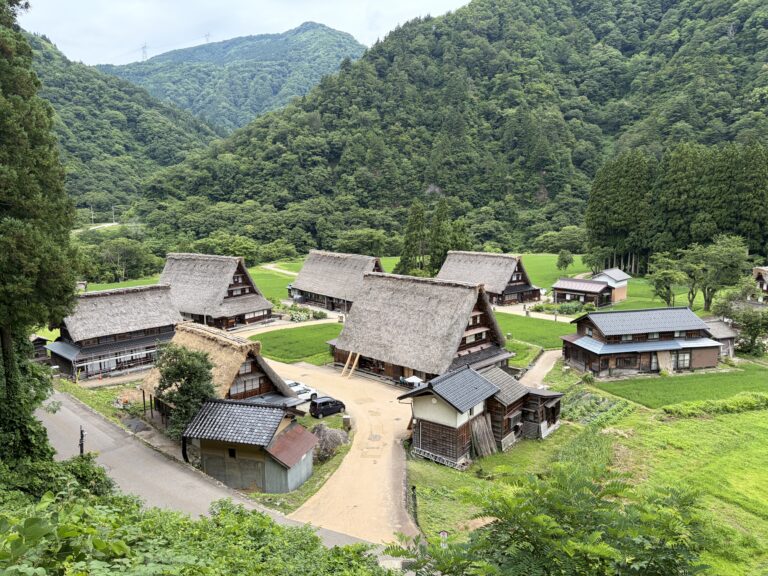
Gokayama Suganuma Gassho-zukuri Village
Gokayama, alongside Shirakawa-go, is home to a Gassho-zukuri village registered as a World Heritage Site. Gokayama comprises the former villages of Taira, Kamitaira and Toga, all of which were once located in the southern part of Toyama Prefecture. Unlike Shirakawa-go, which is always bustling with foreign tourists, the settlements in Gokayama are spread out and there are not so many gassho-zukuri houses, so you can explore the area at a leisurely pace. In particular, the Suganuma settlement—located in what was formerly Kamihira Village—is highly recommended as it is close to the Gokayama Interchange and offers excellent views from a vantage…
- Spot introduction
- Toyama
-
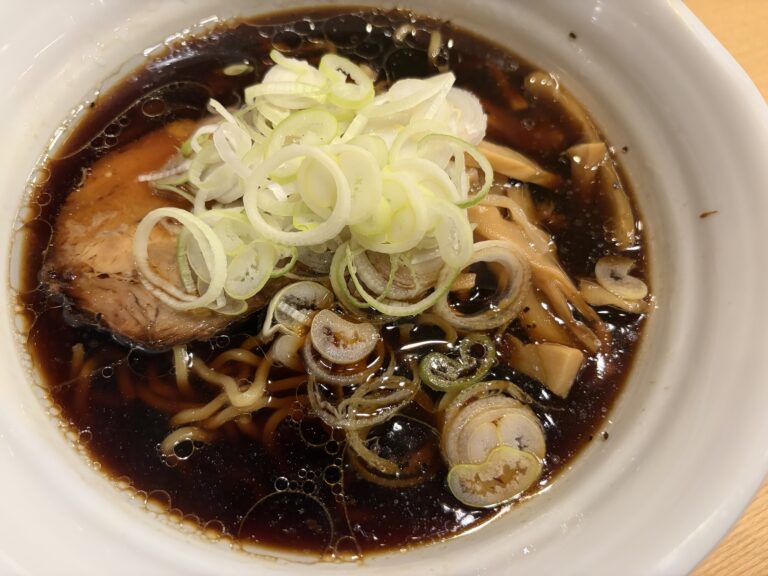
Toyama Black Ramen
Toyama Black Ramen is now available as instant noodles even in supermarkets. Its most distinctive feature is, without a doubt, the jet-black colour of its broth. The jet-black base is made not with tamari soy sauce—the darkest variety—but with dark soy sauce. In August 1945, as the war was drawing to a close, the Great Toyama Air Raid took place. Although almost the entire city centre was destroyed, reconstruction work began immediately after the war, attracting many manual labourers to the area. It is said that ‘Black Ramen’ was created for these workers: a dish with a high salt content,…
- Food
- Takaoka
-
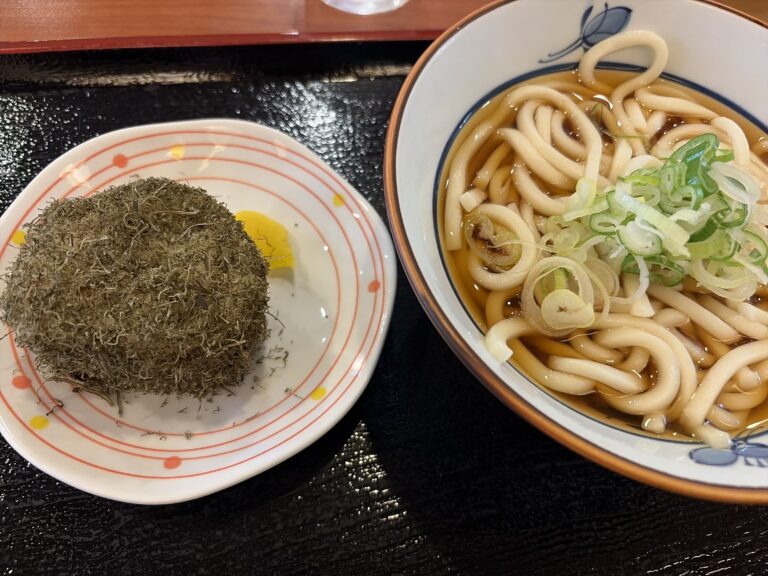
Kombu Onigiri
In Takaoka, it is customary to wrap onigiri (rice balls) in tororo kombu rather than nori. Although Toyama Prefecture, including Takaoka, does not harvest kombu itself, it has the highest consumption of kombu in Japan. This is because, during the Edo period, Takaoka flourished as a port of call for Kitamae ships; at that time, large quantities of kombu harvested in Hokkaido were distributed through the area, and dishes using kombu—such as kobuzime is a traditional cooking method in which ingredients such as white fish and squid are sandwiched between sheets of konbu and left to marinate for several hours…
- Food
- Takaoka
-
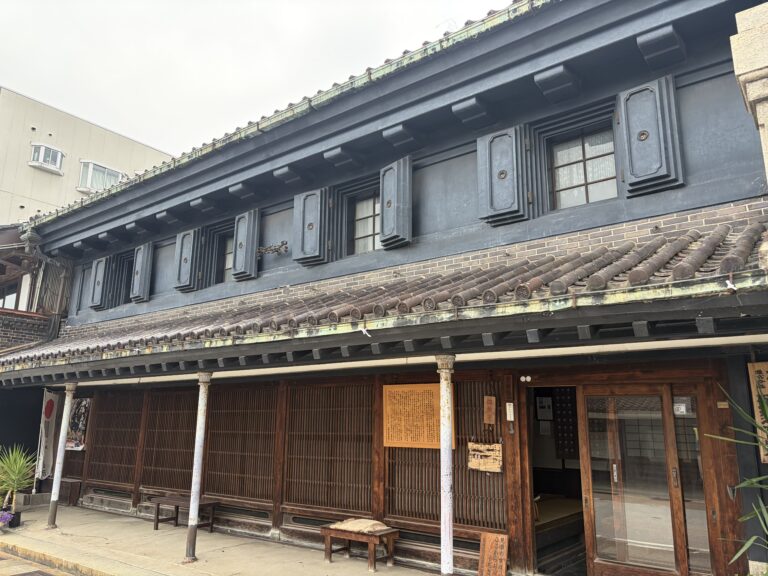
Townscape of Earthen Storehouses along Yamachō-suji
In 1609, Maeda Toshinaga, the second lord of the Kaga Domain, built Takaoka Castle, and the town of Takaoka began to flourish. At that time, he gathered skilled foundrymen to establish a craftsmen’s quarter, and to develop the town as a centre for logistics and commerce, he invited merchants to settle there, thereby creating a merchants’ quarter. This merchants’ quarter is the present-day Yamachō-suji, which is said to have thrived as a commercial hub from the Edo period through to the Meiji period. However, a major fire in June 1900 destroyed 60 per cent of the town of Takaoka. The…
- Spot introduction
- Takaoka
-
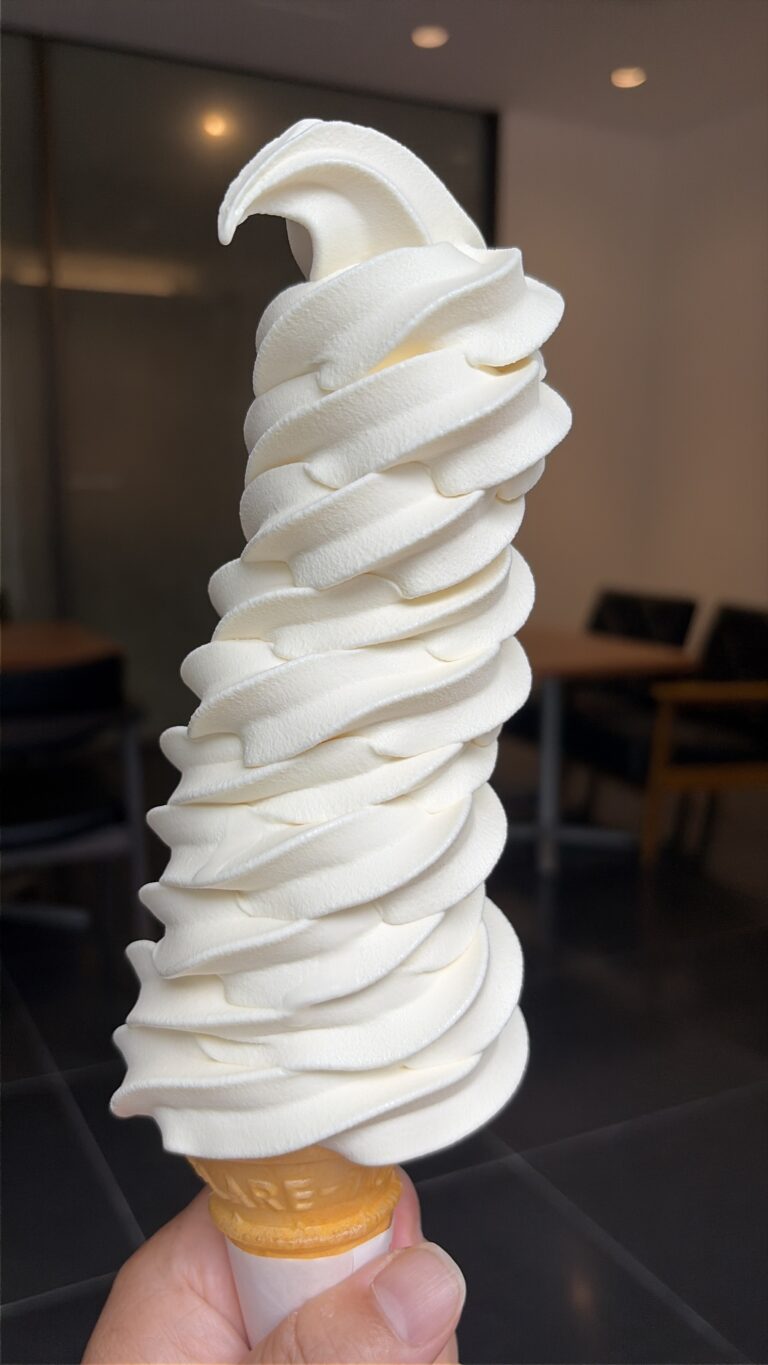
10-Tier Soft-Serve Ice Cream
You can visit the Takaoka Mikurumayama Kaikan just to use the café. The must-try here is the 10-tier soft-serve ice cream. It stands a full 30 cm tall, and if you don’t eat it quickly, your hands will end up sticky with melted ice cream. The price is a mere 300 yen. A standard-sized soft-serve costs 200 yen, but even that is about five tiers high—almost twice the size of those at other shops. A young boy eating a standard-sized soft-serve ice cream was staring at me with wide eyes, looking rather envious. You can also enjoy it at the…
- Japanese dessert
- Spot introduction
- Takaoka