

Blog
Blog Fukushima
-
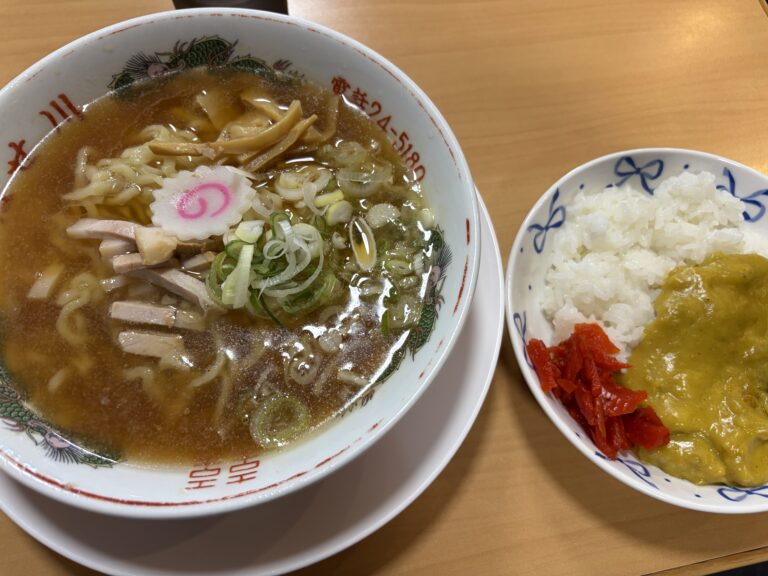
Kitakata Ramen
Kitakata ramen has a history stretching back nearly 100 years. Its defining feature is the flat noodles, approximately 4 mm wide, known as ‘flat, matured, high-water-content noodles’. These contain more water than standard noodles, giving them a smooth, effortless texture when swallowed, whilst offering a firm, springy bite. Furthermore, as they are carefully matured, they are said to resist becoming soggy even when boiled. There are around 90 ramen shops in Kitakata City, some of which are open from early in the morning. ‘Hasegawa Shōten’, located just north of Kitakata City Hall. This shop’s signature dish is traditional Shōwa-era ramen.…
- Food
- Fukushima
- Spot introduction
-
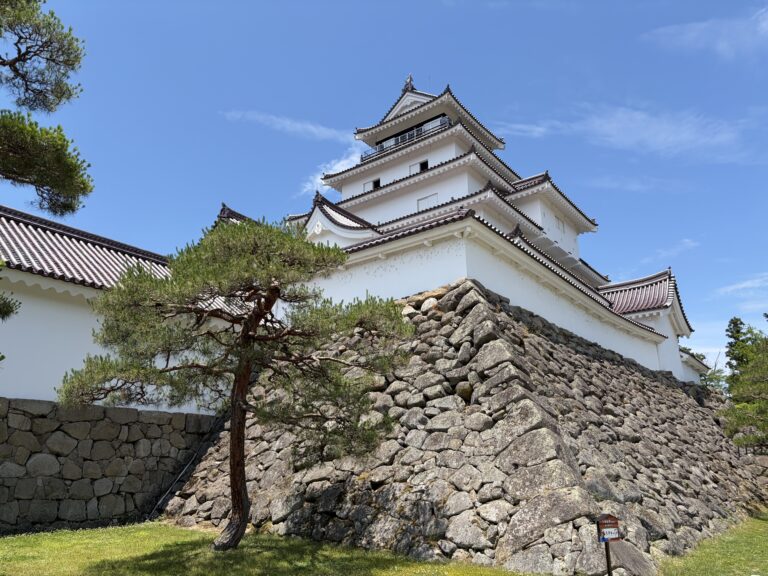
Tsurugajō Castle
Tsurugajō Castle, where the Aizu Domain held out for a month against attacks by the forces of the new government during the Boshin War. The Boshin War was the largest civil war in modern Japanese history, fought between the forces of the new government—which had been established following the Restoration of Imperial Rule—and the forces of the former shogunate; it ended with the victory of the new government’s forces. From the main keep, one can see Mount Iimori, where the Byakkotai—a unit composed of boys aged 16 to 17—committed ritual suicide following a fierce battle with the new government forces.…
- Fukushima
- Spot introduction
-
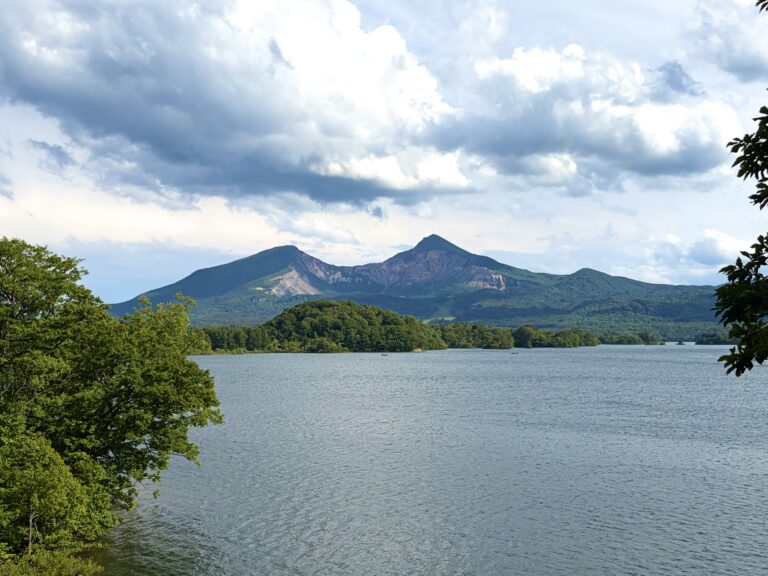
Mount Bandai
Mount Bandai is one of Japan’s 100 Famous Mountains. When viewed from Lake Inawashiro, it presents such an elegant silhouette that it is also known as ‘Aizu Fuji’; however, the view from the north—known as ‘Ura-Bandai’—is entirely different. The 1888 eruption caused the mountain’s slope to collapse, and 477 lives were lost as a result of the resulting mudflows and blast waves. This photograph was taken from Bishamon-numa, a lake formed by that eruption. The view of the cobalt-blue lake surface with Mount Bandai in the background makes this a popular hiking route, but as it is a habitat for…
- Fukushima
- Spot introduction
-
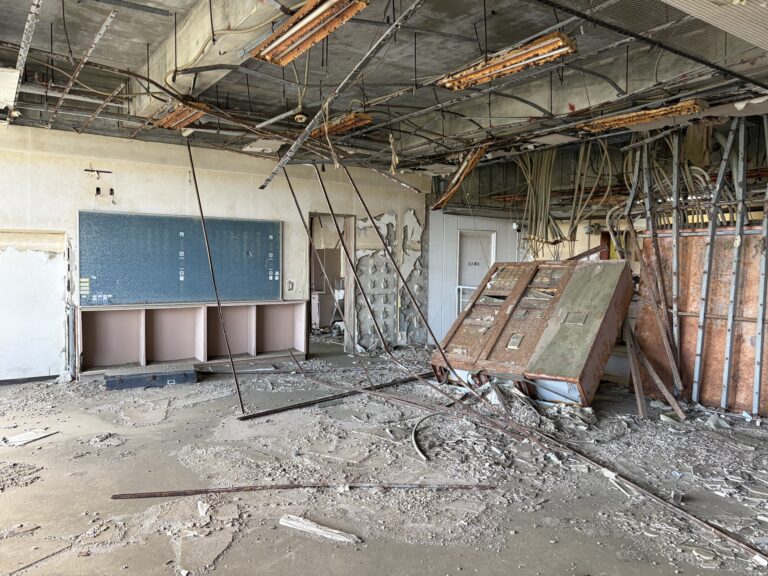
Disaster Heritage Site: Uketo Primary School
Fifteen years have passed since the Great East Japan Earthquake. I have finally been able to visit the disaster-stricken areas of Fukushima. Although nearly 80% of Namie Town is still designated as a ‘difficult-to-return zone’ and access is prohibited, Uketo Primary School is open to visitors as a disaster heritage site. A tsunami reaching a maximum height of 15.5 metres swept through Namie Town, claiming the lives of 182 people and dealing a devastating blow to the town. However, the 82 pupils and staff of the primary school evacuated to Mt Ohira, nearly 1 km away, and all survived. That…
- Fukushima
- Spot introduction