

Blog
Blog Miyagi
-
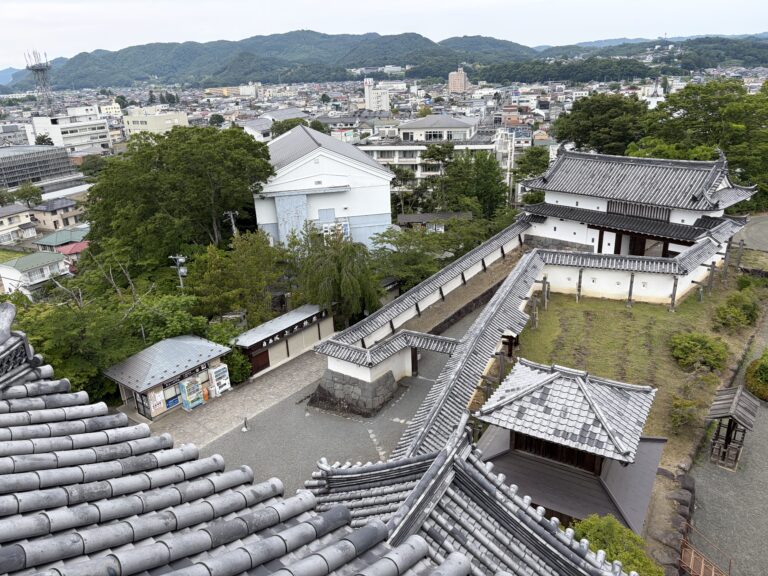
Shiroishi Castle
Shiroishi Castle saw a rapid succession of lords—Yashiro, Gamō, Amakasu, Ishikawa and Katakura—in just under 20 years. Under the ‘One Province, One Castle’ edict issued by the Tokugawa shogunate in 1615, daimyo across the country were required to demolish all their castles except their main strongholds. However, it is said that Katakura Kagetsuna, a senior retainer of the Date clan, was recognised by the shogunate for his services and was granted special permission to retain the castle. Although the castle was abandoned in the early Meiji period, it was restored in 1995. It is said that over 40,000 Mino cold-resistant…
- Miyagi
- Spot introduction
-
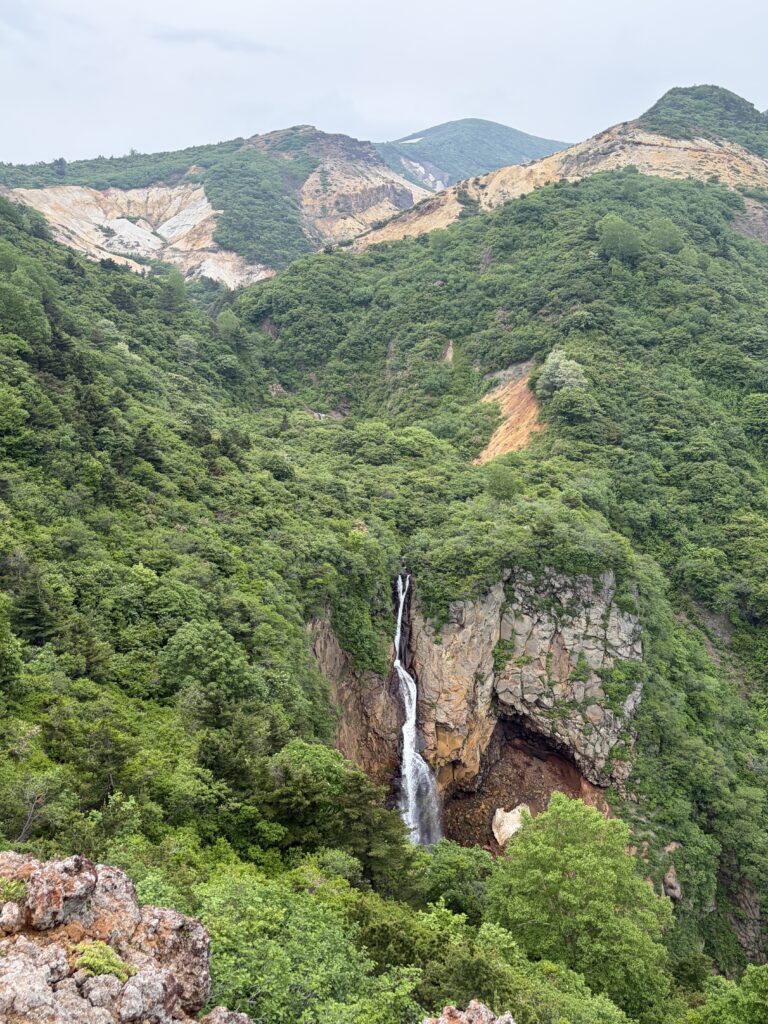
Komakusa-daira
Komakusa-daira is a popular tourist spot in Zaō, on a par with Okama. It was once known as a habitat for clusters of Komakusa flowers. Although their numbers have now declined, you can still see these magnificent flowers around the observation deck. From the observation deck perched on the cliff face, you can admire the 97.5-metre-high Kaerazu-no-Taki Falls, as well as Furiko-no-Taki Falls, which can be seen when snowfields remain or after rainfall. In October, the area is adorned with the crimson hues of painted maple and Erman's birch, making it a renowned spot for autumn foliage.
- Miyagi
- Spot introduction
-
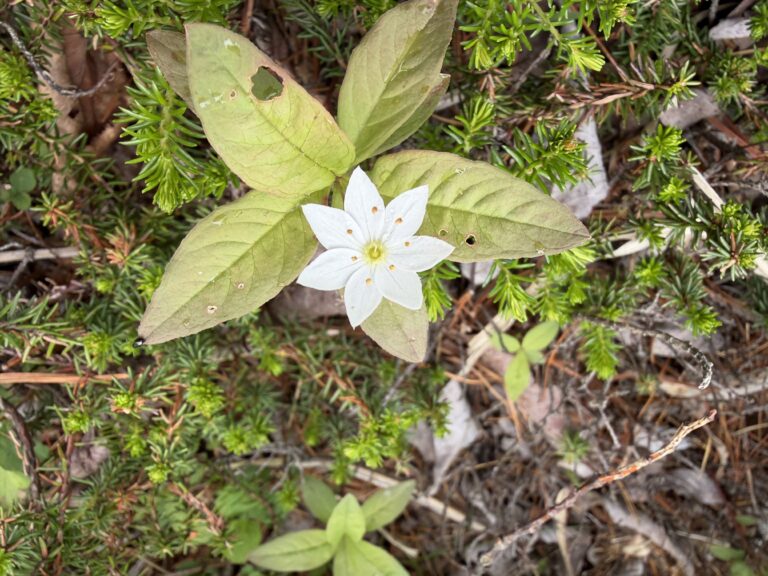
Chickweed wintergreen
The Chickweed wintergreen is a plant that quietly produces small, white, star-shaped flowers measuring about 2 cm in diameter. Whilst it is said that around half of the alpine plants found in Japan are endemic to the country, this flower is widely distributed not only across the boreal regions of the Eurasian continent but also in the north-western part of North America. In Zaō, it is said to be visible from June onwards, particularly around the summit station of the ropeway. True to its floral meaning of ‘purity of heart’, it is a flower that has a soothing effect on…
- Flower
- Miyagi
- Spot introduction
-
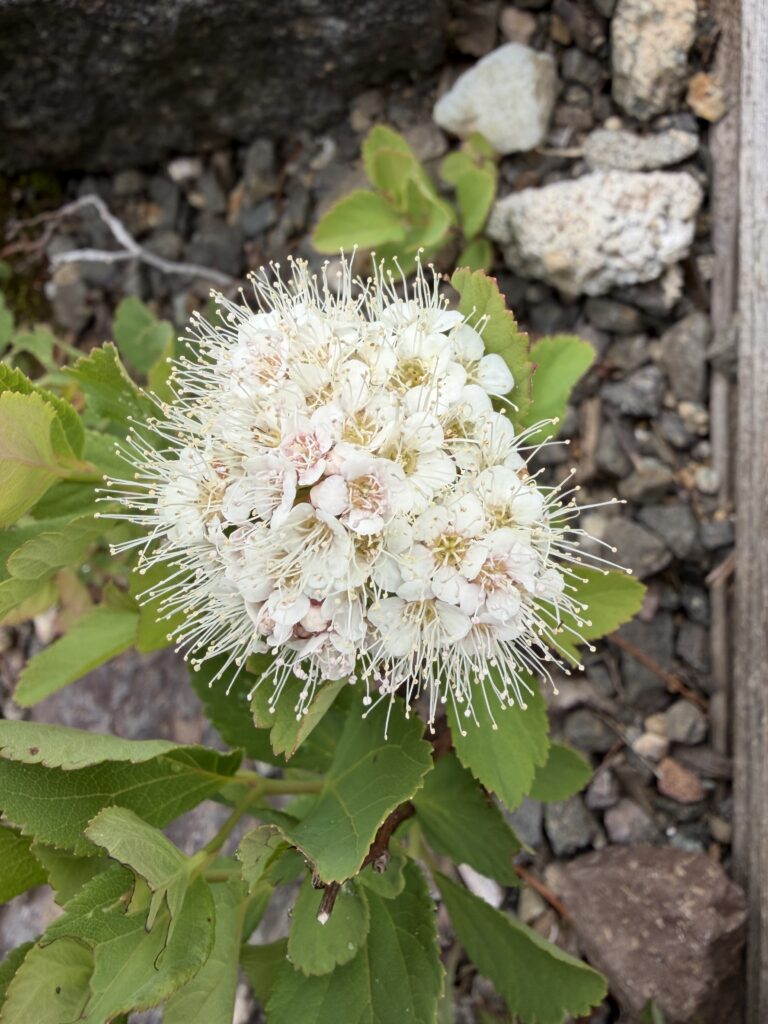
Maruba-shimotsuke, Spiraea betulifolia
Maruba-shimotsuke is a tree native to alpine grasslands and gravelly areas from Hokkaido to the central part of Honshu. As the kanji characters ‘丸葉下野’ suggest, its Japanese name means ‘Shimotsuke with round leaves’. Shimotsuke is a shrub related to the rose family; it is said to have been named after Shimotsuke Province—now part of Tochigi Prefecture—where it was first discovered. Its small white flowers cluster in round clusters, blooming much like hydrangeas. It is said to flower from June onwards in Mount Zaō, and I saw many of them blooming along the trekking trails. As it is highly adaptable to…
- Flower
- Miyagi
- Spot introduction
-
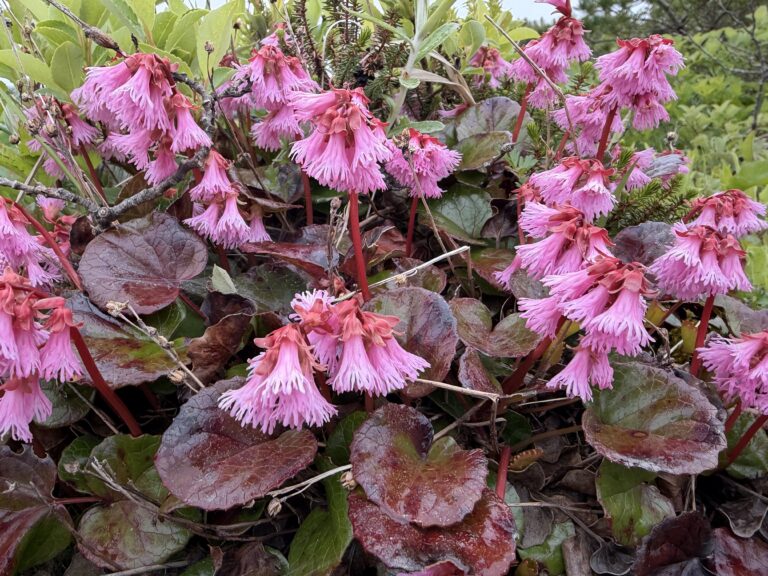
Iwa-Kagami, Schizocodon soldanelloides
Iwa-Kagami is a species endemic to Japan, found throughout the country, from Hokkaido to Kyushu. It grows wild on rocky (Iwa in Japanese) slopes, and its name is thought to derive from the fact that its glossy leaves resemble a mirror (Kagami in Japanese). It is found on both low- and high-altitude mountains, and in alpine regions such as Mount Zaō, its pink flowers begin to bloom in June. It is perhaps because its flowers bloom modestly, facing downwards, that their floral meaning is ‘fidelity’. This seems very typically Japanese, and it is easy to see why this species is endemic…
- Flower
- Miyagi
- Spot introduction
-
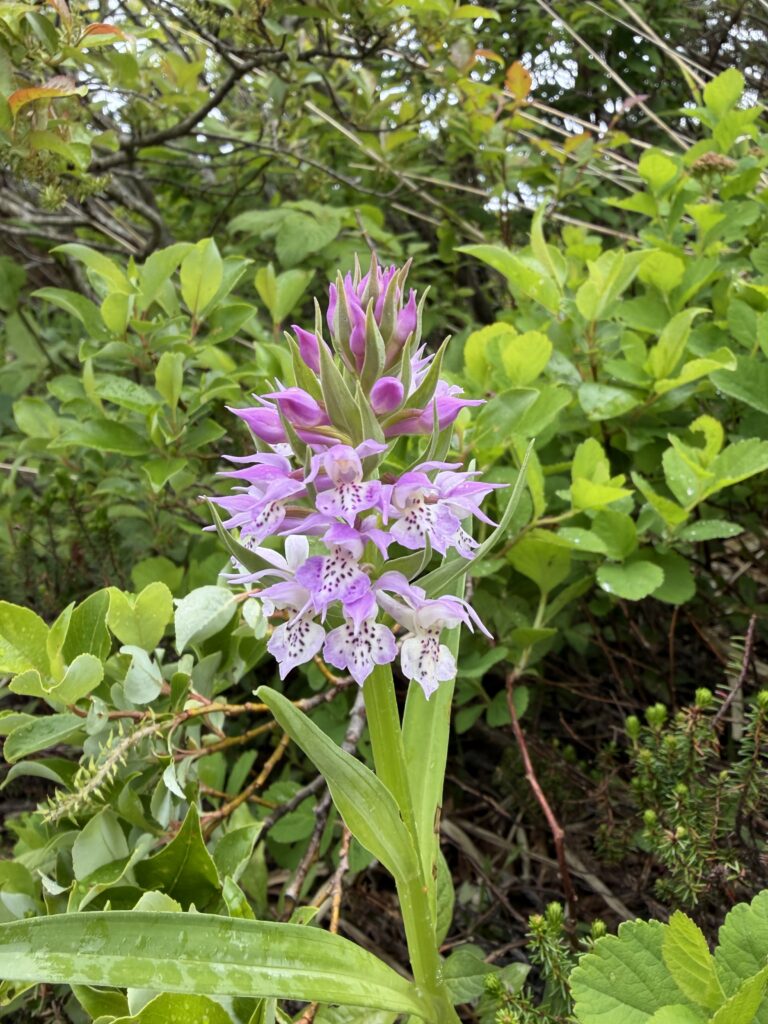
Hakusan-chidori, Dactylorhiza aristata
The Hakusan-chidori got its name because it was frequently spotted on Mount Hakusan, situated on the border between Ishikawa and Gifu prefectures, and because the shape of its flowers and the way they bloom resemble the flight of a plover (chidori in Japanese). It is an alpine plant found in Japan from Hokkaido to central Honshu, and it blooms with purple flowers from June to August. Although specimens with white flowers are reportedly seen every year in Zaō, one occasionally comes across specimens with particularly striking white flowers, as shown in the photograph.
- Flower
- Miyagi
- Spot introduction
-
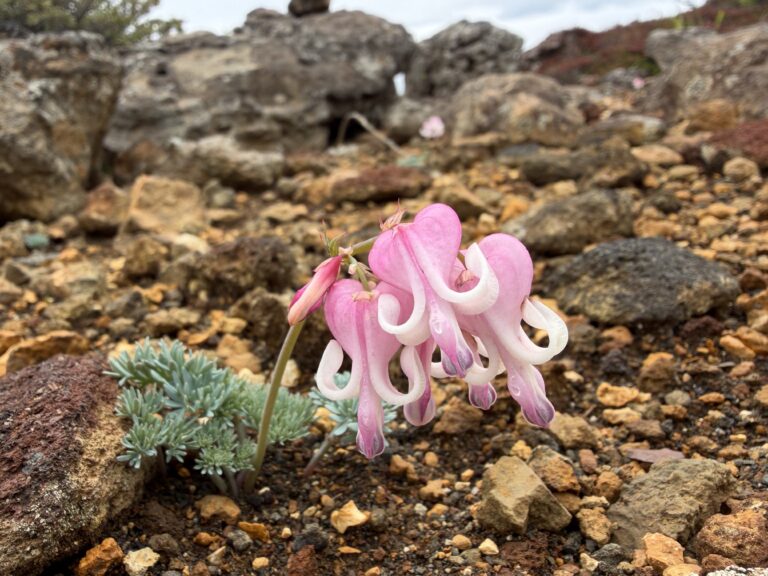
Komakusa (Alpine bleeding heart)
The Komakusa, which produces delicate pink flowers. In Zaō, it reportedly begins to bloom in mid-June and reaches its peak in July. A large colony can be found near the Komakusa-daira car park, located on the Miyagi Prefecture side of the Zaō Echo Line road. As it blooms in gravelly terrain where other plants cannot grow, giving it an air of nobility, it is known as the ‘Queen of Alpine Plants’. It has long been used as a medicinal herb to relieve stomach ache; indeed, some mountains have seen the plant driven to extinction by poaching, and some local authorities…
- Flower
- Miyagi
- Spot introduction
-
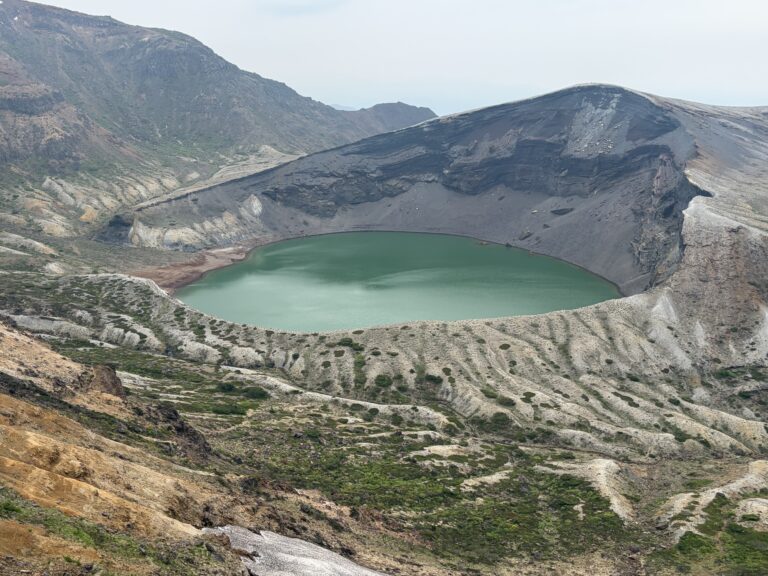
Okama in Zaō
The Tohoku region has entered the rainy season. I visited Zaō just before the rains began, when the alpine flowers were starting to bloom. Although Zaō stands at an altitude of 1,841 metres, it is accessible by car almost right up to the summit—except in winter—and the car park gets very busy at weekends. The observation deck is just a short walk from the Kariyadake summit car park. Most group tours visit the observation deck and Kariyamine Shrine before returning, but to view the beautiful emerald-green crater lake, commonly known as ‘Okama’, from the front, you need to climb the…
- Miyagi
- Spot introduction
-
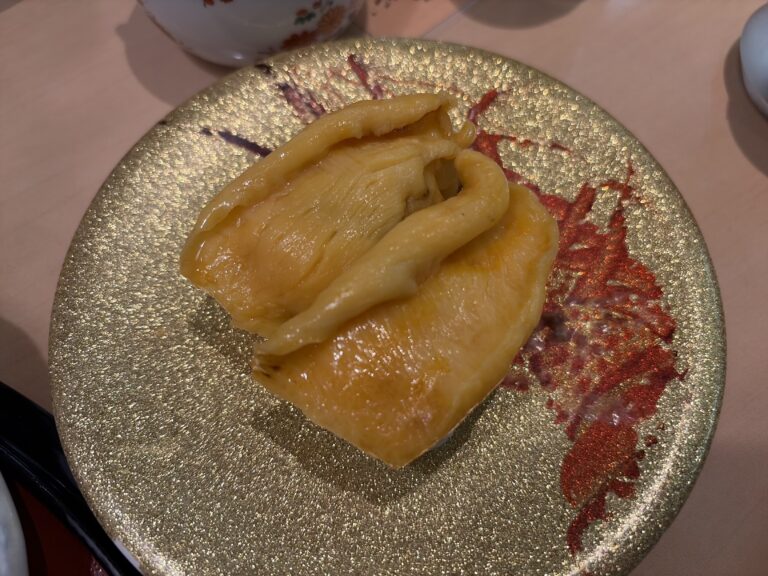
Sea Squirt Nigiri
Sea Squirt (Hoya in Japanese) is a delicacy commonly enjoyed in the Tohoku region. It is in season from now through to summer, when its distinctive odour fades and its umami flavour intensifies. Due to its bumpy appearance, it is often referred to as the ‘pineapple of the sea’. However, contrary to its somewhat grotesque appearance, it has a refreshing taste that pairs beautifully with ponzu sauce. It pairs superbly with sake when served as sashimi or in a vinegar salad with salt-rubbed cucumber, but it is also delicious as a nigiri. I visited Tasuke Sushi in Shiroishi City. It…
- Food
- Miyagi
- Spot introduction