

Blog
Blog Shiga
-
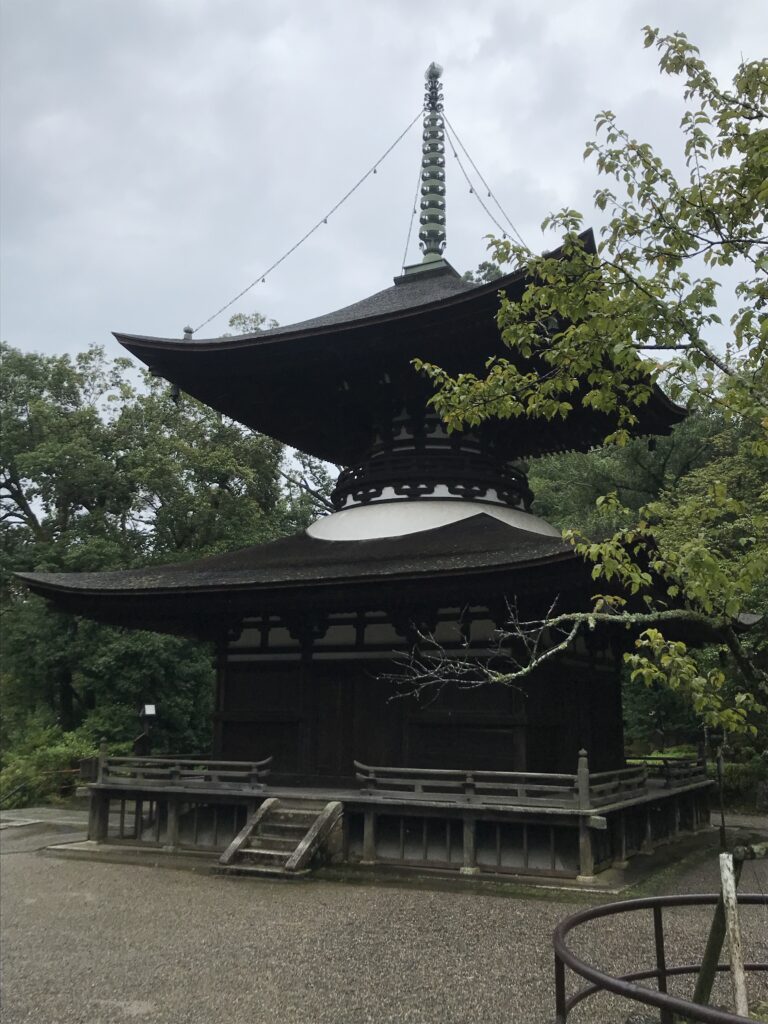
Ishiyama-dera Temple’s Tahō-tō Pagoda
The *Lotus Sutra* is one of the most important scriptures of Mahayana Buddhism. It is said that whilst Shakyamuni Buddha was expounding the *Lotus Sutra*, a gigantic pagoda adorned with the Seven Treasures sprang up from the earth and floated in the air. The Tahō-tō pagoda derives its origin from this legend, and the Tahō-tō at Ishiyama-dera Temple, erected in 1194, is considered to be the oldest of its kind in Japan. The pagoda stands 17 metres tall, with a square base and a circular second storey, featuring a roof thatched with cypress bark and a bronze finial. Its exquisite…
- Shiga
- Spot introduction
-
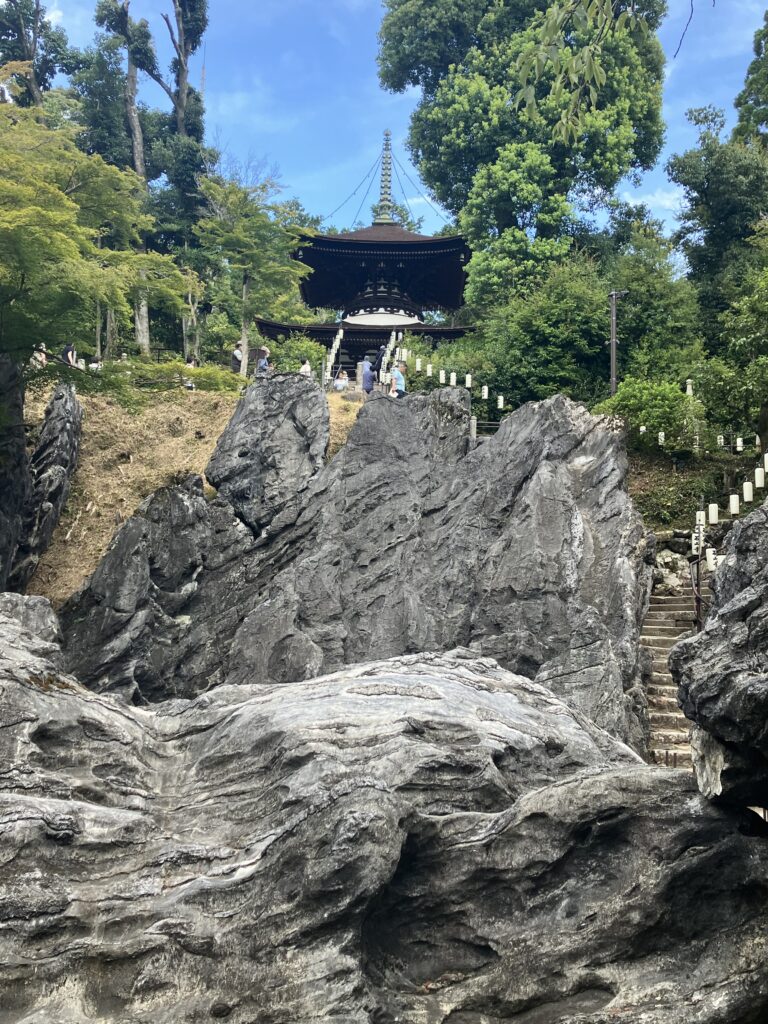
Wollastonite of Ishiyama-ji Temple
Ishiyama-ji Temple is said to have derived its name from the fact that it was built upon a bedrock of massive, bizarre rock formations. Founded in 747 by imperial decree of Emperor Shōmu, who commissioned the Great Buddha of Nara, the temple’s proximity to Kyoto led to the ‘Ishiyama pilgrimage’ becoming immensely popular amongst the aristocracy during the Heian period. One such visitor, Murasaki Shikibu, is said to have found the inspiration for *The Tale of Genji* here and begun writing it; the site was bustling with fans during the broadcast of the 2024 NHK Taiga drama *Dear Radiance*. The…
- Shiga
- Spot introduction
-
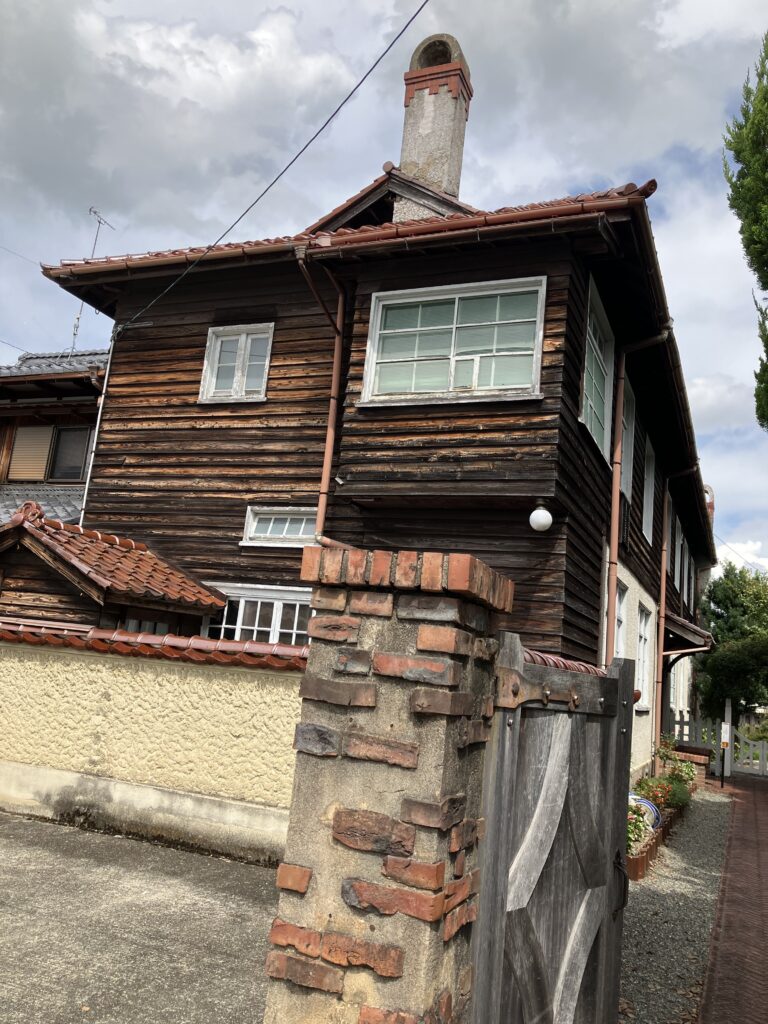
Vories Memorial Museum
William Merrell Vories was an American architect who, during the first half of the 20th century, left behind as many as 2,500 examples of Western-style architecture not only in Ōmihachiman but throughout Japan. He came to Japan at the age of 24 as an English teacher and is known not only for his dedication to Protestant missionary work but also as a social entrepreneur, having established hospitals and schools. He devoted his life to his work in Japan and passed away at the age of 83 at his home in Ōmihachiman. That home is now the Vories Memorial Museum; the…
- Shiga
- Spot introduction
-
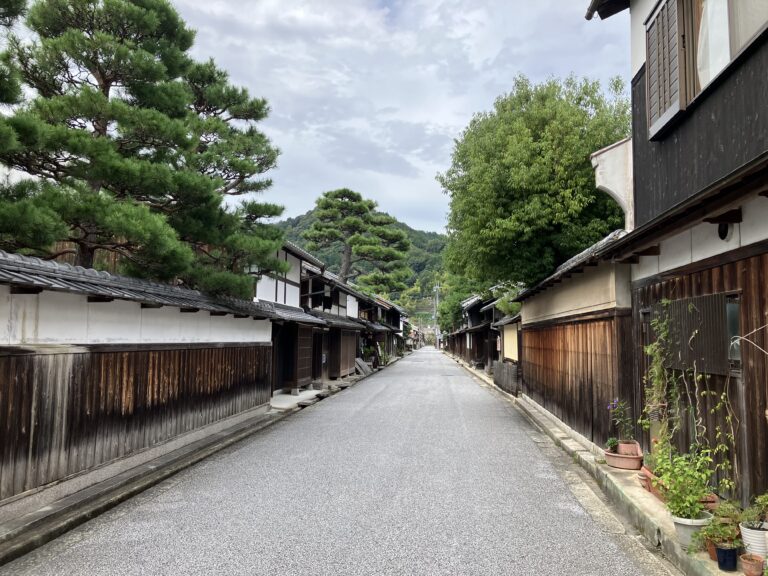
Omihachiman Shinmachi-dōri
Shinmachi-dōri, a 2-kilometre stretch of streets lining the town of the Omi merchants, is a 30-minute walk from Omihachiman Station. Lined with residences dating from the late Edo period through to the Meiji era, it has been designated a Nationally Important Preservation District for Groups of Traditional Buildings. The Omi merchants, based in Hachiman and other parts of Omi Province, expanded their business throughout Japan. The philosophy of ‘Sanpo-yoshi’—conducting business that benefits the seller, the buyer and society as a whole—is said to have been popularised by Chubei Ito, the founder of Itochu Corporation. Among the Omi merchants, the merchants…
- Shiga
- Spot introduction
-
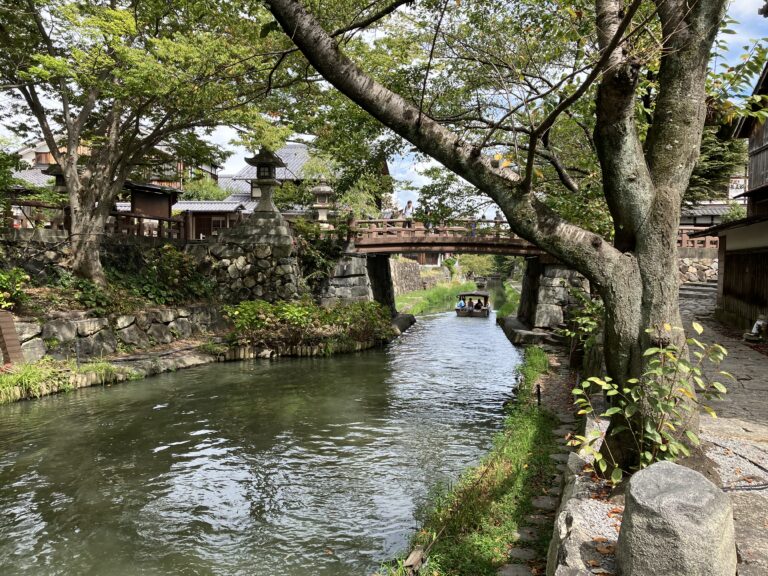
Hachiman-bori
When guests tell me that Kyoto is too crowded and they’d like to enjoy the Japanese scenery in a slightly quieter setting, I take them to Shiga Prefecture. In particular, Ōmi-Hachiman is very convenient, being just over 30 minutes by train from Kyoto Station, and it retains the old townscape that has become increasingly rare in Kyoto. In the late 16th century, Toyotomi Hidetsugu—who later became Kampaku—built Hachiman-yama Castle. The moat was developed, connecting the town to Lake Biwa and leading to the growth of water transport, which transformed Ōmi-Hachiman into a major commercial centre. Hachiman-bori offers a glimpse of…
- Shiga
- Spot introduction
-
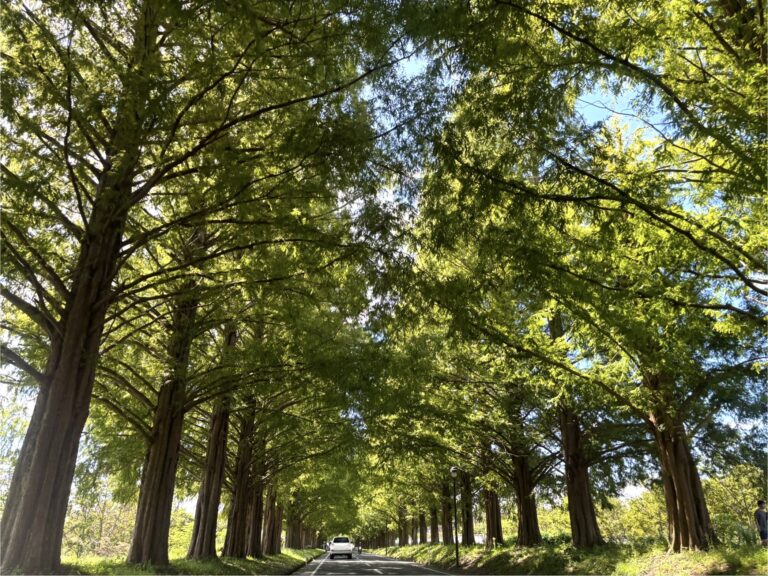
Metasequoia trees line
Makino Town boasts a 2.4km avenue lined with 500 Metasequoia (dawn redwood) trees. At this time of year, the area is blanketed in beautiful fresh green foliage. Compared to autumn colours, the foliage here isn't a vivid crimson, which sometimes leads to it being listed as a disappointing tourist spot. However, the contrast between the green and the blue sky is truly splendid. You can go horse riding or take a carriage ride along the tree-lined avenue. Please note that you cannot park on the roadside and use the car park at the entrance to the avenue.
- Shiga
- Spot introduction