

Blog
Blog
-
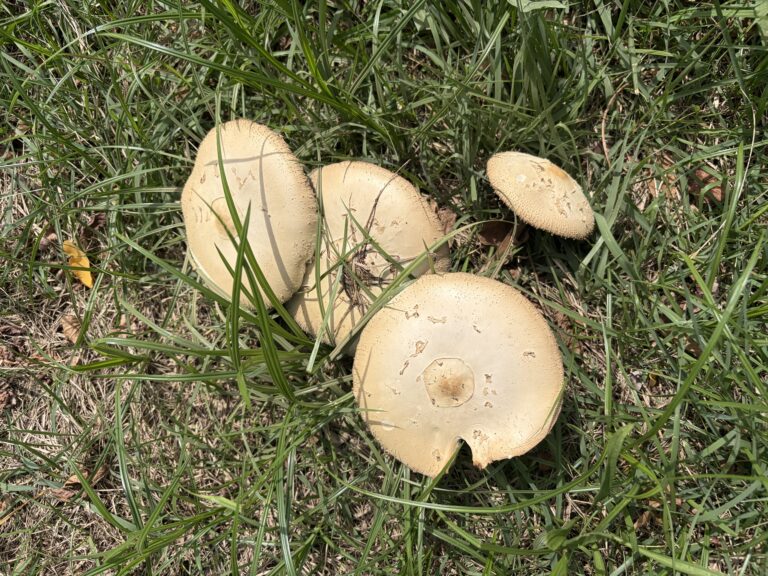
Green-spored Parasol
Due to prolonged rainfall, there has been a massive outbreak of the poisonous mushroom *Green-spored Parasol* across the country. Although this species is naturally found in tropical and subtropical regions, global warming has caused its range to expand northwards. The problem is that it resembles the edible parasol mushroom and grows in populated areas such as city parks and embankments. Along the Kamogawa River, it was found growing in clusters near Marutamachi Bridge. It contains potent gastrointestinal toxins; if ingested, it causes symptoms of poisoning such as severe vomiting, abdominal pain and diarrhoea. Please take care not to eat it…
- Travel tips
-
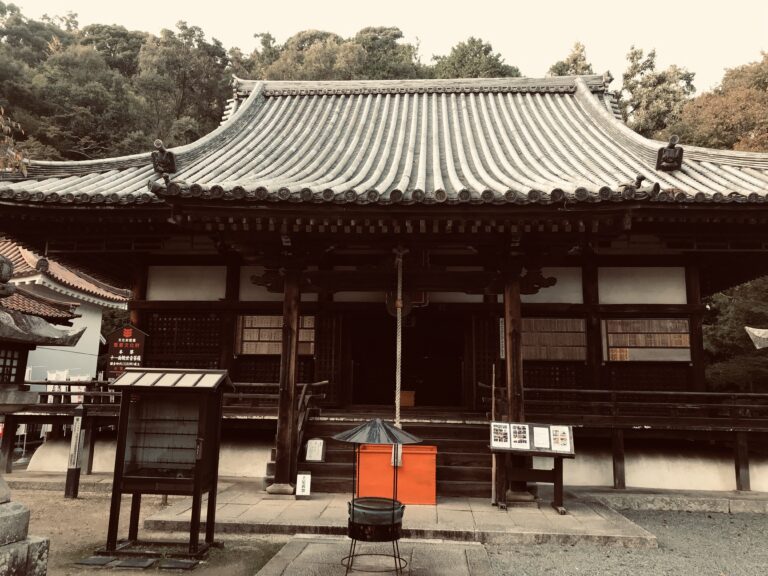
Hōshaku-ji Temple
Hōshaku-ji Temple is situated just to the west of the Ōyamazaki Mountain Villa Art Museum. It is said to have been founded by Gyōki, who played a pivotal role in the construction of the Great Buddha of Nara in the first half of the 8th century. It is said that a dragon deity appeared in a dream to Emperor Shōmu—who had ordered the construction of the Great Buddha—and bestowed upon him a hammer and a small mallet; after offering prayers, he was able to ascend to the throne. The temple grounds house many treasures, including the principal image of the…
- Kyoto
- Spot introduction
-
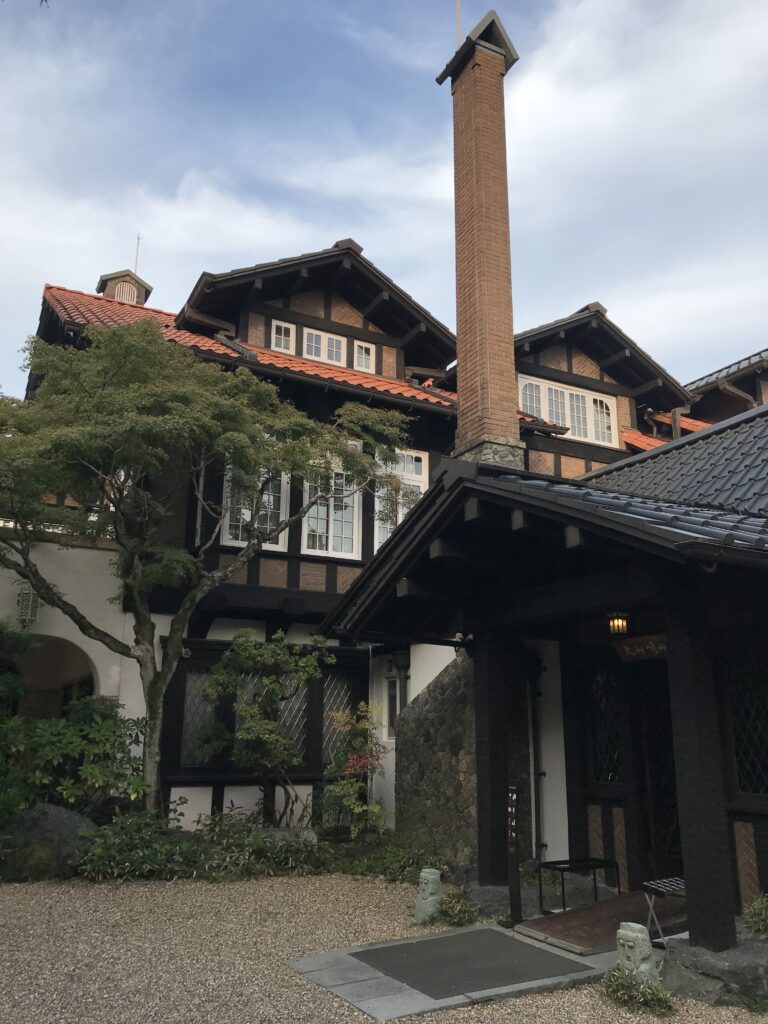
Asahi Group Ōyamazaki Villa Museum of Art
Mount Tennō, situated on the border between Kyoto and Osaka. Just as Hideyoshi Hashiba defeated Mitsuhide Akechi here, this is the place that gave rise to the idiom ‘Tenka-Wakeme-no-Tennōzan (Mount Tennō, the deciding battle for the realm)’. Nestled on the mountainside is the Ōyamazaki Mountain Villa Art Museum. It comprises the main building—a Tudor-style villa built by the early 20th-century industrialist Shōtarō Kaga—along with the Underground Gallery and the Yamate Gallery, both designed by architect Tadao Ando. The museum houses a collection of 1,000 works, including Monet’s *Water Lilies*, collected by the industrialist Tamesaburō Yamamoto, known as the ‘Beer King’.…
- Kyoto
- Spot introduction
-
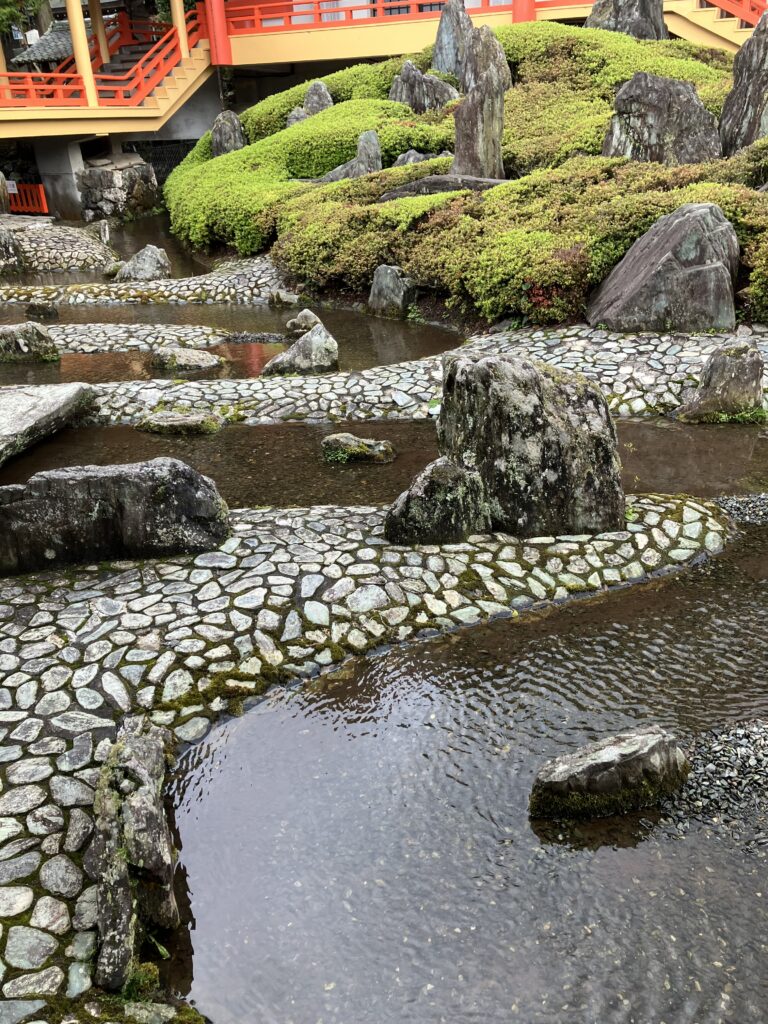
Shōfūen-Santei
Shigemori Mirei, one of the leading landscape architects of the Shōwa era. Alarmed by the increasing formalisation of the karesansui style, he drew upon modern Western art and other influences to create an avant-garde, new aesthetic for Japanese gardens. Considered his greatest masterpiece from his later years are the Shōfūen-santei, situated within the precincts of Matsuo Taisha. The ‘Kokusui-no-en’ (Banquet of the Meandering Stream) was an elegant pastime of Heian-period aristocrats, in which a sake cup was floated down a winding stream within the garden, and participants would compose waka or Chinese poetry before the cup passed before them. Taking…
- Kyoto
- Spot introduction
-
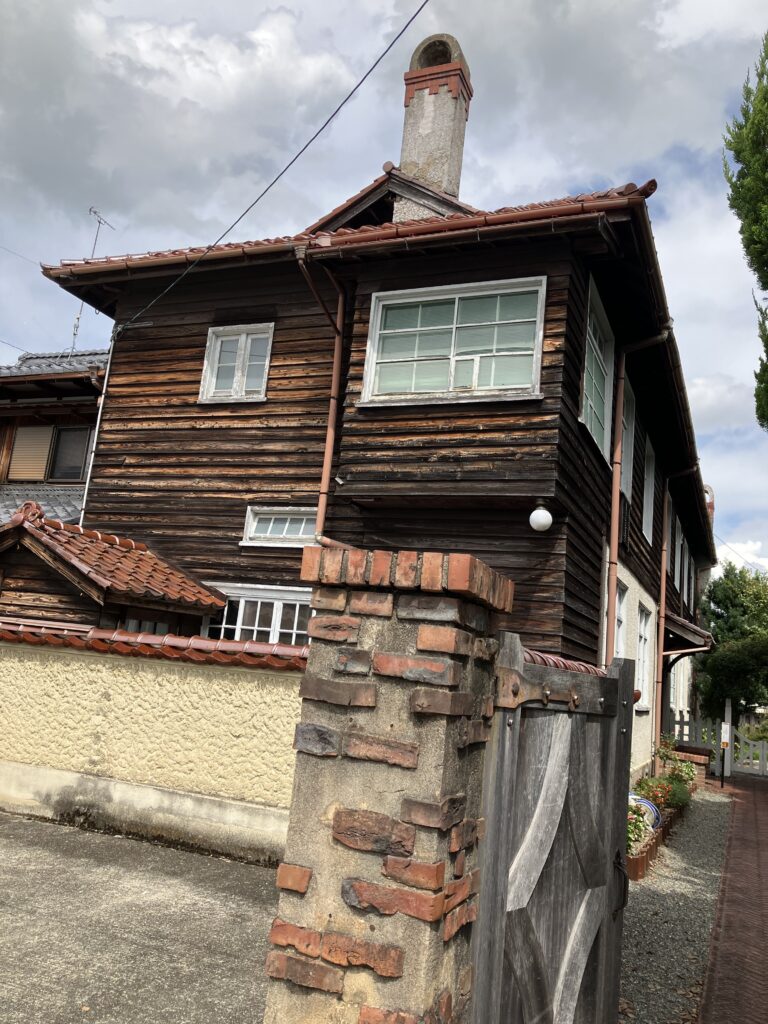
Vories Memorial Museum
William Merrell Vories was an American architect who, during the first half of the 20th century, left behind as many as 2,500 examples of Western-style architecture not only in Ōmihachiman but throughout Japan. He came to Japan at the age of 24 as an English teacher and is known not only for his dedication to Protestant missionary work but also as a social entrepreneur, having established hospitals and schools. He devoted his life to his work in Japan and passed away at the age of 83 at his home in Ōmihachiman. That home is now the Vories Memorial Museum; the…
- Shiga
- Spot introduction
-
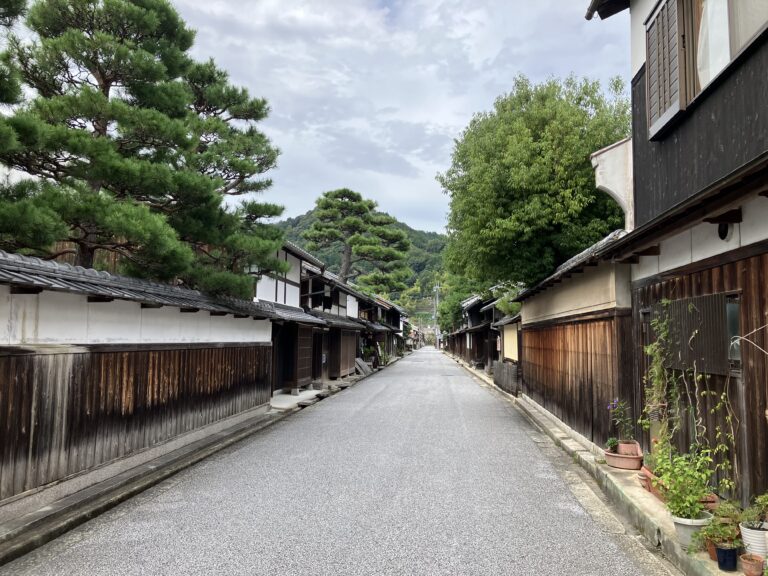
Omihachiman Shinmachi-dōri
Shinmachi-dōri, a 2-kilometre stretch of streets lining the town of the Omi merchants, is a 30-minute walk from Omihachiman Station. Lined with residences dating from the late Edo period through to the Meiji era, it has been designated a Nationally Important Preservation District for Groups of Traditional Buildings. The Omi merchants, based in Hachiman and other parts of Omi Province, expanded their business throughout Japan. The philosophy of ‘Sanpo-yoshi’—conducting business that benefits the seller, the buyer and society as a whole—is said to have been popularised by Chubei Ito, the founder of Itochu Corporation. Among the Omi merchants, the merchants…
- Shiga
- Spot introduction
-
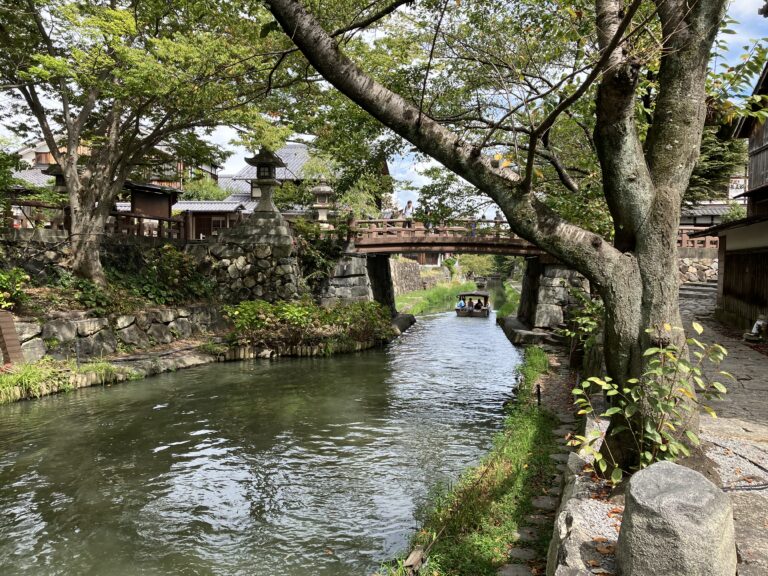
Hachiman-bori
When guests tell me that Kyoto is too crowded and they’d like to enjoy the Japanese scenery in a slightly quieter setting, I take them to Shiga Prefecture. In particular, Ōmi-Hachiman is very convenient, being just over 30 minutes by train from Kyoto Station, and it retains the old townscape that has become increasingly rare in Kyoto. In the late 16th century, Toyotomi Hidetsugu—who later became Kampaku—built Hachiman-yama Castle. The moat was developed, connecting the town to Lake Biwa and leading to the growth of water transport, which transformed Ōmi-Hachiman into a major commercial centre. Hachiman-bori offers a glimpse of…
- Shiga
- Spot introduction
-
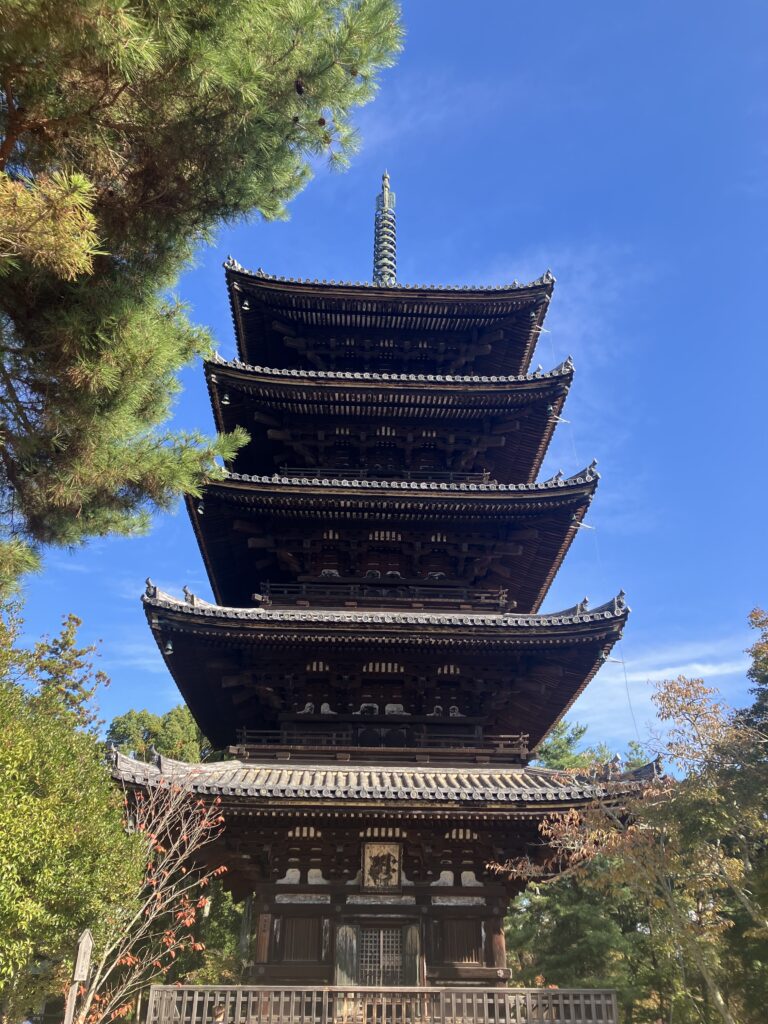
Five-storey Pagoda at Ninnaji Temple
Ninnaji Temple, described in the classic essay *Tsurezuregusa* and a place the writer Yasushi Inoue frequented during his student days, is known amongst Japanese people as a spot where one can enjoy the *Omuro-zakura*—the cherry blossoms that bloom latest in Kyoto. However, despite being designated a World Heritage Site, it remains one of the places visited by relatively few foreign tourists. Within the temple grounds stands a five-storey pagoda over 30 metres tall, and many Japanese visitors come here to photograph the cherry blossoms or autumn foliage in full bloom against the backdrop of this pagoda. Although the interior of…
- Kyoto
- Spot introduction
-
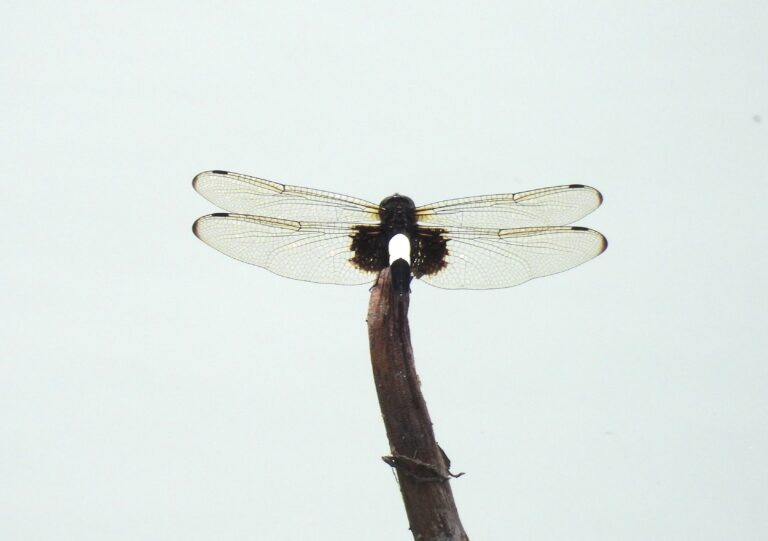
Pied skimmer
As we enter mid-September, temperatures have begun to drop in Kyoto. Whilst the once-loud chirping of the Black giant cicadas has now fallen silent, the Pied skimmers are still a common sight along the riverbanks. As shown in the photograph, the males have a white abdomen, whilst the females and younger individuals are yellow; they can be seen until around October. They are widely distributed across Japan, South Korea, China and as far as Vietnam, and were once a species not found in cold regions such as Hokkaido. However, in recent years, there has been a sharp increase in sightings…
- Insects
- Kyoto
-

Falafel Garden
We have vegetarian and vegan guests staying at our guesthouse. Before the COVID-19 pandemic, there were a fair number of vegetarian and vegan restaurants in Kyoto city, but now there aren’t many that can cater to these dietary requirements. Despite this, Falafel Garden is just a seven-minute walk from our guesthouse. Established in 2004, it is an Israeli restaurant that is a favourite with locals. Our top recommendation is the falafel sandwich—featured in the photo—served in pita bread, which gives the restaurant its name. Falafel is a Middle Eastern dish made by mixing mashed chickpeas or broad beans with spices…
- Kyoto
- restaurant
-
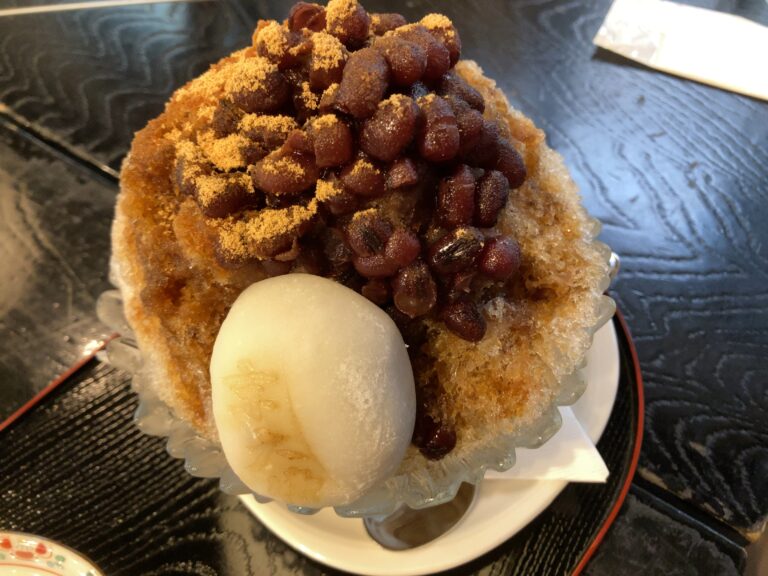
Kanshundō’s Daibutsu Mochi Shaved Ice
The Luośhàn Buddha of Kyoto was erected at Hōkō-ji Temple at the behest of Toyotomi Hideyoshi in the late 16th century, intended to surpass the Great Buddha of Tōdai-ji in grandeur. Although it was destroyed by repeated earthquakes and fires, ‘Daibutsu Mochi’ (Great Buddha rice cakes) were sold at its entrance. Kanshundō’s Daibutsu Mochi is a faithful reproduction of these rice cakes, made using the same traditional method as in those days. A distinctive feature is the ‘Kyō Daibutsu’ brand stamped onto each rice cake. The ‘Daibutsu Mochi Shaved Ice’—shaved ice topped with black sugar syrup, kinako (roasted soya bean flour)…
- Japanese dessert
- Kyoto
-
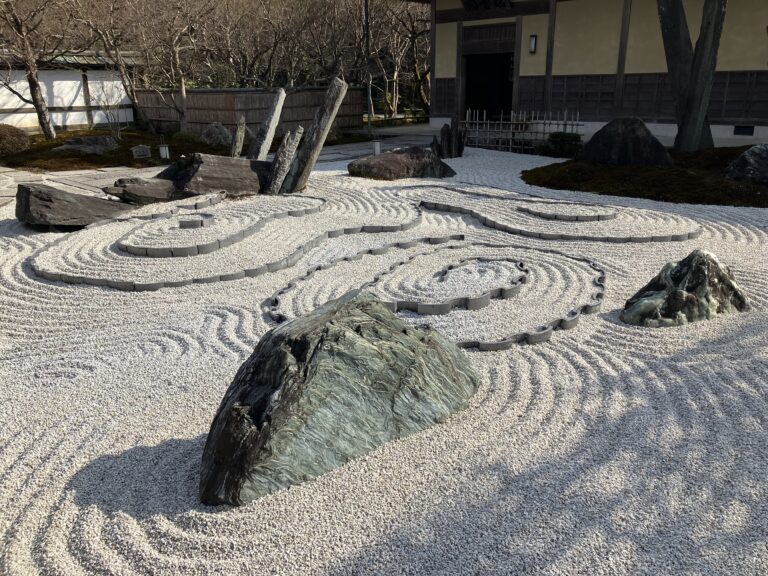
Enkō-ji Temple: Honryū-tei Garden
Enkō-ji Temple is said to have originated as an academy established by Tokugawa Ieyasu in Fushimi, Kyoto; it houses a collection of approximately 50,000 wooden movable type characters that were used for publishing books at the time. During the autumn foliage season, many people visit to catch a glimpse of the ‘Jugyu-no-niwa (Ten ox garden) ’, where the contrast between the moss and the autumn leaves is truly magnificent. Passing through the main gate and walking a short distance along the cobbled path, the ‘Honryū-tei Garden (Running dragon garden)’ comes into view. This contemporary dry landscape garden was created in…
- Kyoto
- Spot introduction