

Blog
Blog Spot introduction 5ページ目
-
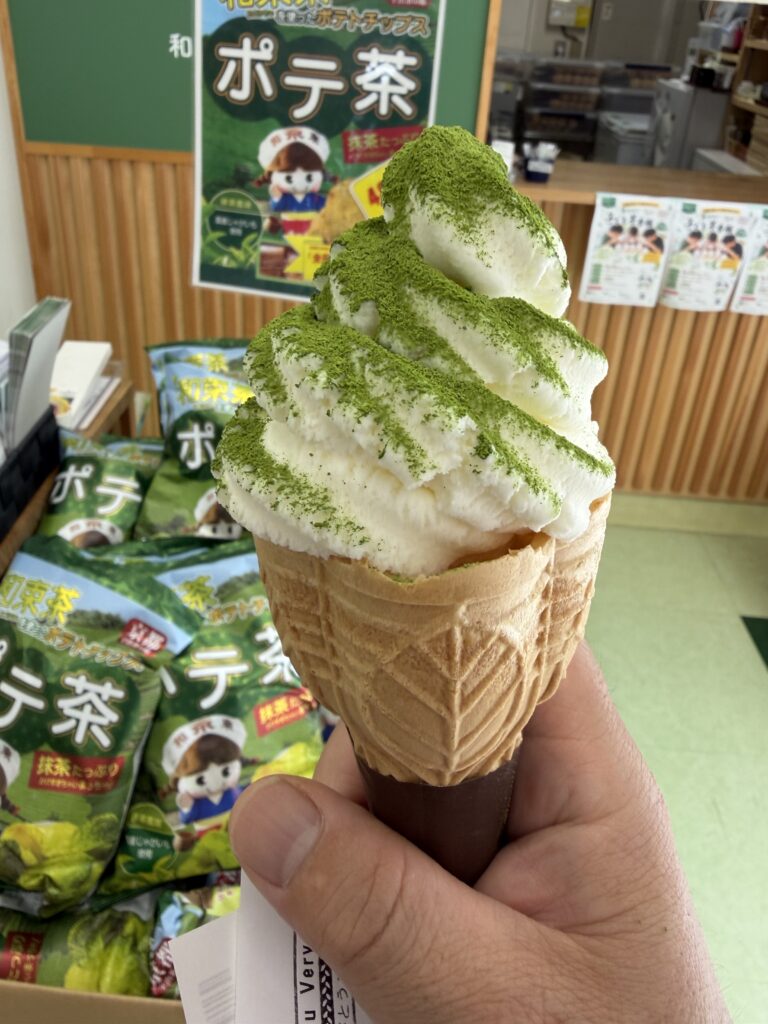
Wazuka Tea Café
Half of the tea leaves produced in Kyoto come from Wazuka Town, which is said to have a history stretching back 800 years. The ‘Wazuka Tea Café’ is a direct sales outlet where you can purchase tea produced in Wazuka Town at great value. You can also sample the tea on request. My personal favourite here is the ‘Salted Milk Soft-serve’. The balance between sweetness and saltiness is exquisite. In the background of the photo is ‘Pote-cha’, Wazuka Town’s latest must-try treat. It consists of potato crisps sprinkled with matcha powder; you can try a sample, so do give it…
- Japanese dessert
- Kyoto
- Spot introduction
-
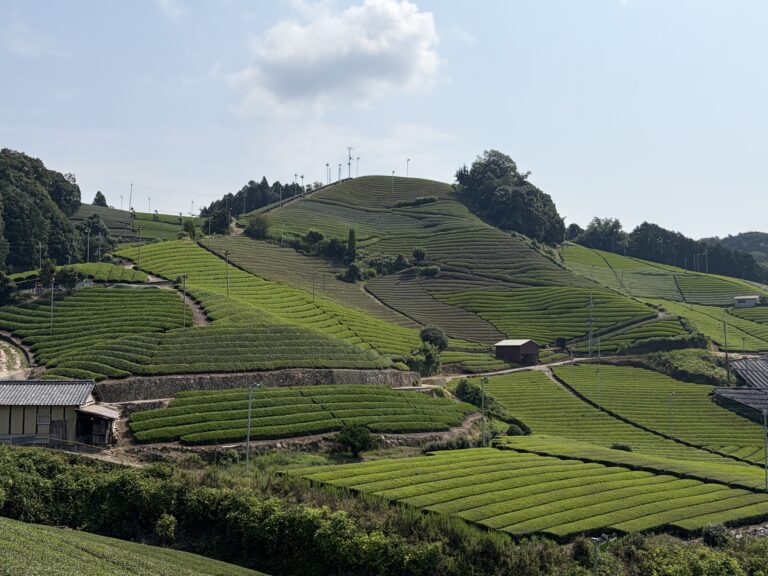
Ishidera Tea Fields
The tea fields at Ishidera are a hallmark of Kyoto’s landscape. Previously, the only car park was at a nearby café, but a tourist car park with toilet facilities has now been built, making the area much more accessible. The peak tea-picking season in Wazuka Town is from late April to early May, when the tea is said to have the best aroma and flavour. In late June, the new shoots that have grown back are picked. Depending on the tea field, a third harvest may take place as late as October. Whilst the tea fields are a popular attraction,…
- Kyoto
- Spot introduction
-
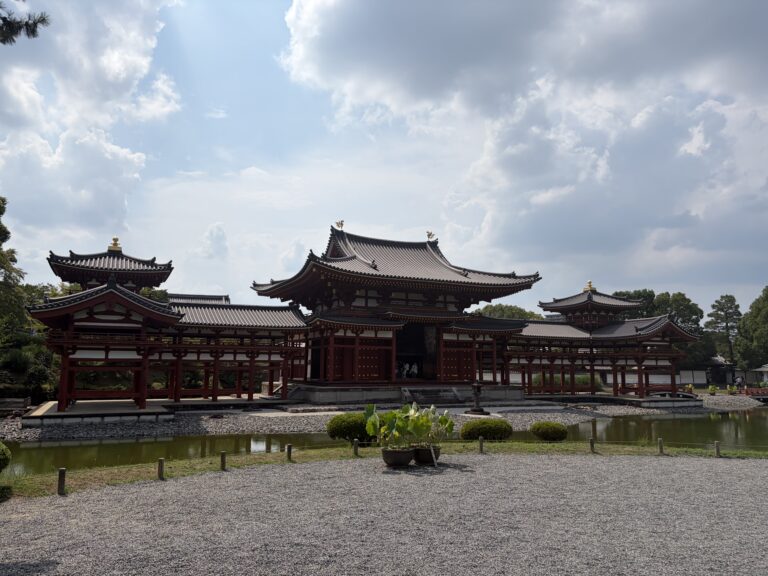
Phoenix Hall, with few visitors
The sweltering heat continues in Kyoto as ever. The Phoenix Hall at Byōdō-in is usually crowded with people taking souvenir photos. As the Phoenix Hall is depicted on the obverse of the 10-yen coin, you often see people taking selfies with a 10-yen coin in one hand. This is the scene we’ve been seeing recently. As the gravel reflects the sunlight and is quite dazzling, although this is the prime spot for photos, there is no one here at all. That said, the air-conditioned Hōshōkan Museum is packed with visitors. A must-see is the National Treasure, the ‘Bodhisattva in the…
- Kyoto
- Spot introduction
-
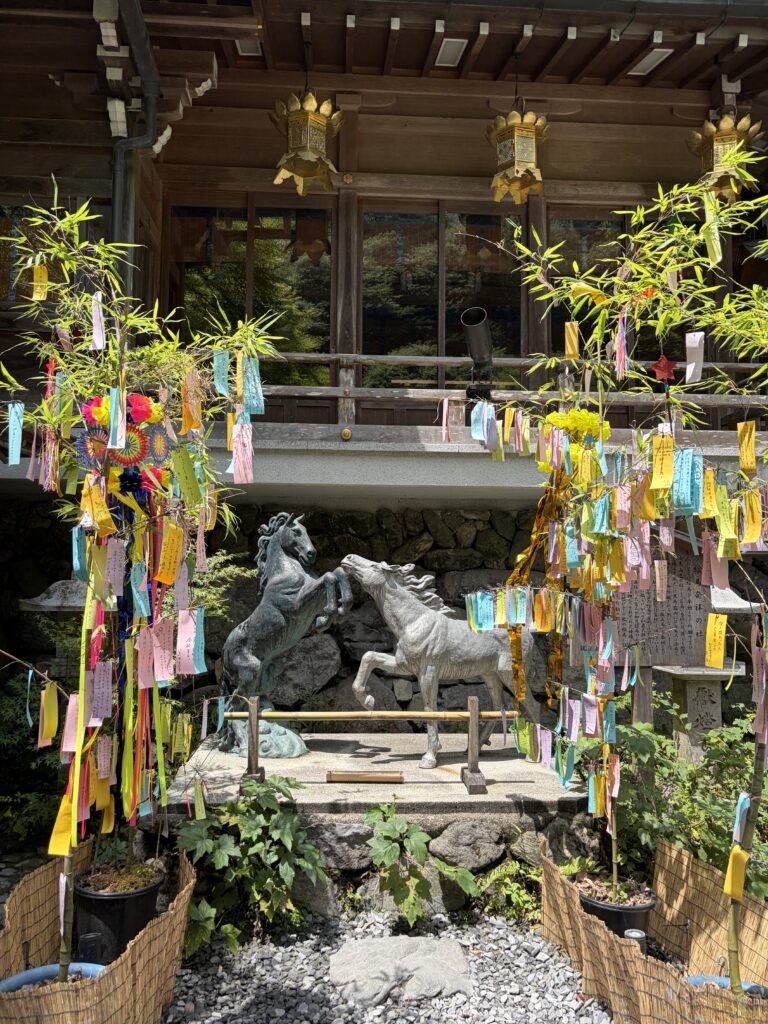
Birthplace of Ema
Ema are wooden plaques on which people write their wishes and dedicate them to a shrine. In the past, people would offer live horses—which were regarded as the deities’ mounts—to pray for rain or for the rain to stop; however, these were eventually replaced by horse figurines or wooden plaques painted with images of horses. Although they are traditionally offered at shrines, as they are small wooden items, an increasing number of foreign tourists are purchasing them as souvenirs. Kifune Shrine is considered to be the birthplace of these ema. Within the shrine grounds stand statues of a white horse…
- Kyoto
- Spot introduction
-
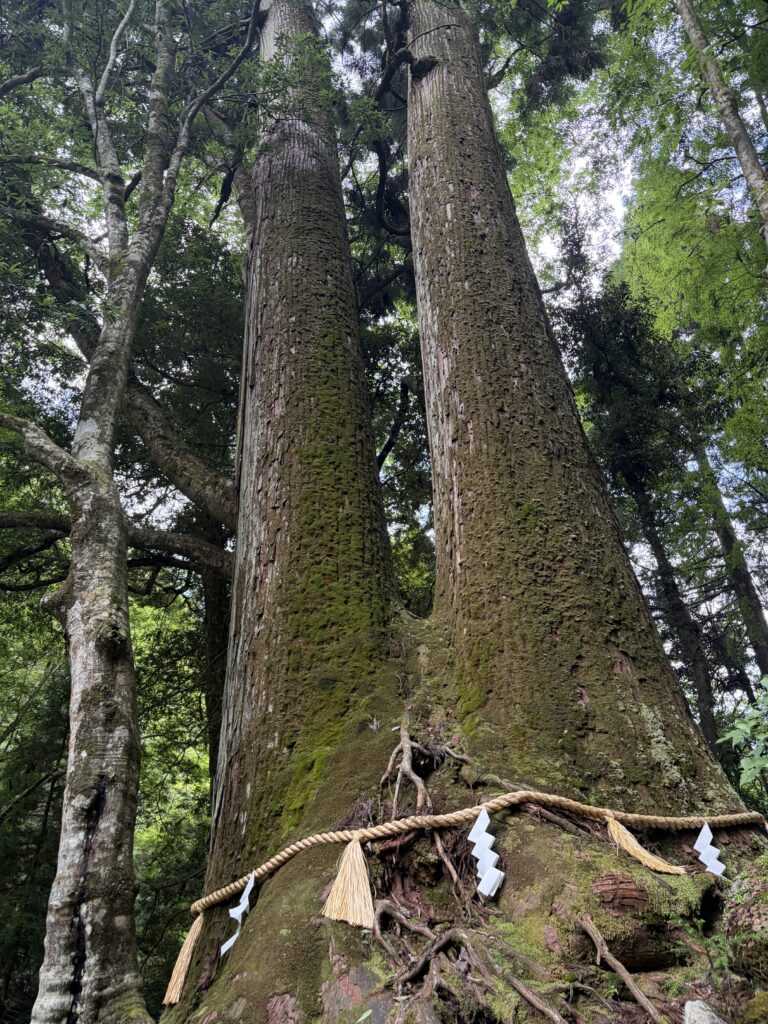
Aioi Cedar
The Aioi Cedar stands within the precincts of the Okumiya (Inner Shrine) at Kifune Shrine. Whilst Kifune Shrine is home to other sacred trees, such as the katsura, this one is the most impressive of them all, causing many worshippers to pause in its presence. Two trunks rise straight towards the sky from a single root, and the tree is said to be 1,000 years old. As its appearance has been likened to an elderly couple living in harmony, the kanji characters ‘相老’ (meaning ‘to grow old together’) were applied to it; furthermore, the characters ‘相生’—which share the same pronunciation…
- Kyoto
- Spot introduction
-
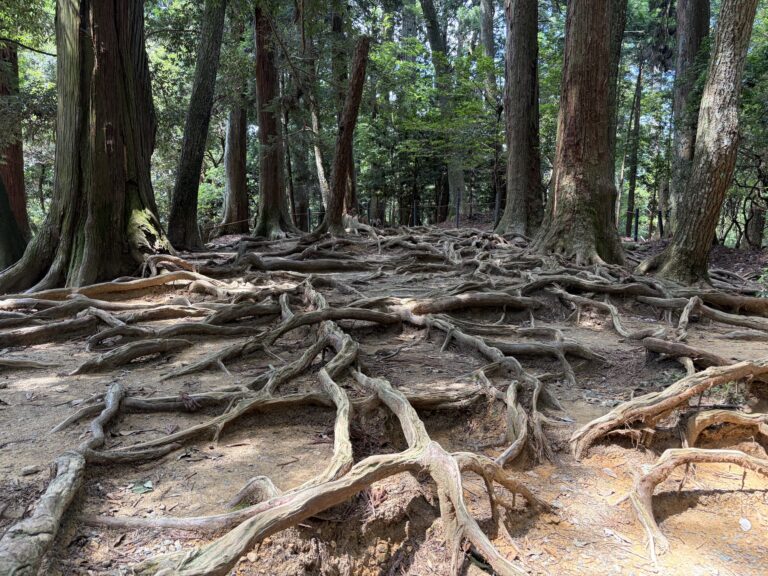
Path of Tree Roots
A short walk along the approach leading from the main hall of Kurama-dera Temple towards Kifune Shrine takes you to the ‘Kinonemichi (Path of Tree Roots)’, where the roots of cedar trees protrude from the ground as far as the eye can see. It is said that magma seeped into the sandstone and cooled in place, creating a layer of rock so hard that the roots cannot break through to the surface. This is the spot where, according to legend, Minamoto no Yoshitsune undertook ascetic training with a tengu, a type of legendary creature found in Shinto belief during his…
- Kyoto
- Spot introduction
-
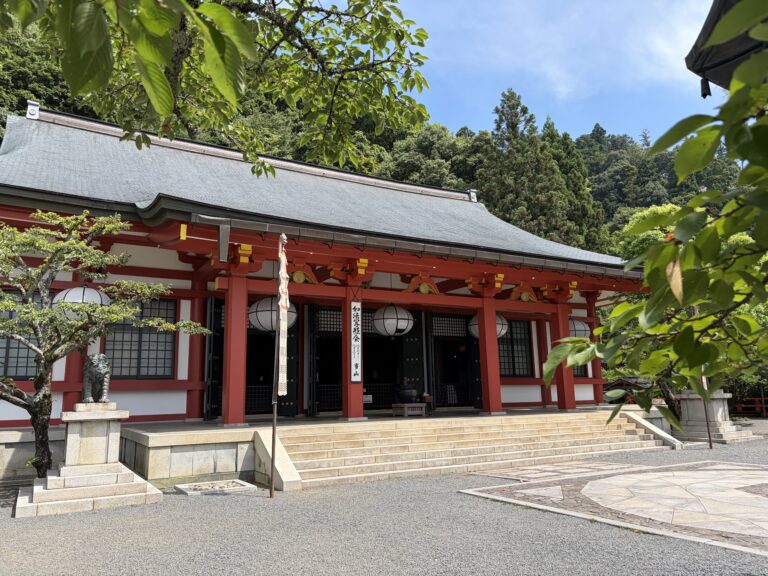
Kurama-dera Temple
Kurama-dera Temple is said to have been founded in 770 and is believed to be where the tragic hero Minamoto no Yoshitsune spent his childhood. It is the head temple of the Kurama Kōkyō sect, which broke away from the Tendai school, and enshrines as its principal deities in the main hall: Bishamonten, the symbol of light; the Thousand-Armed Kannon Bodhisattva, representing love; and Gohō Maōson, the embodiment of power. In front of the main hall lies a stone pavement marked with a hexagram; it is said that if you stand upon it, you can receive the energy of the…
- Kyoto
- Spot introduction
-
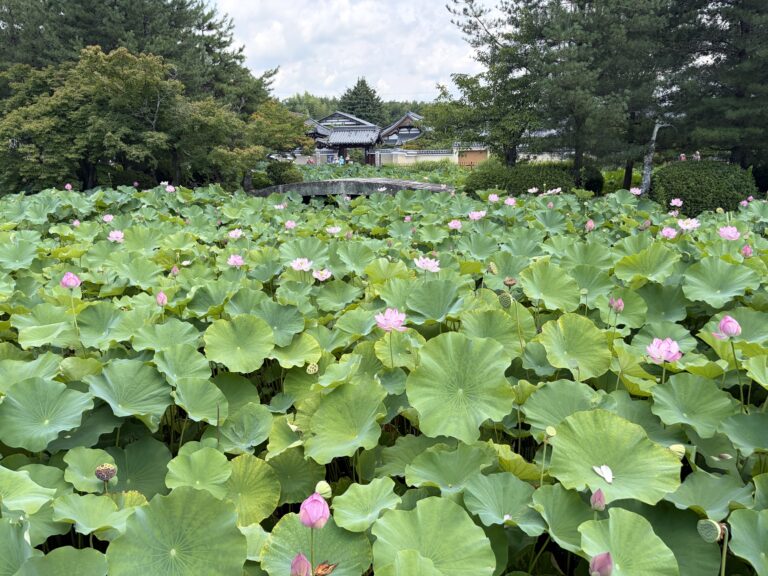
Hōjōchi Pond
The lotus flowers at Hōjōchi Pond, situated to the left after passing through the Chokushi-mon Gate at Tenryū-ji, have been blooming beautifully since mid-July. It comes as a surprise, as all that could be seen in early spring were withered leaves. There are several famous Hōjōchi ponds at temples in Kyoto, including Tenryū-ji and Eikandō. Based on the fundamental Buddhist principle of non-killing, these ponds are places where compassion is practised by releasing captured fish and other creatures back into the wild. The Hōjō-e ceremony, held annually on 15 September at Tenryū-ji, is a service to express gratitude for the…
- Kyoto
- Spot introduction
-
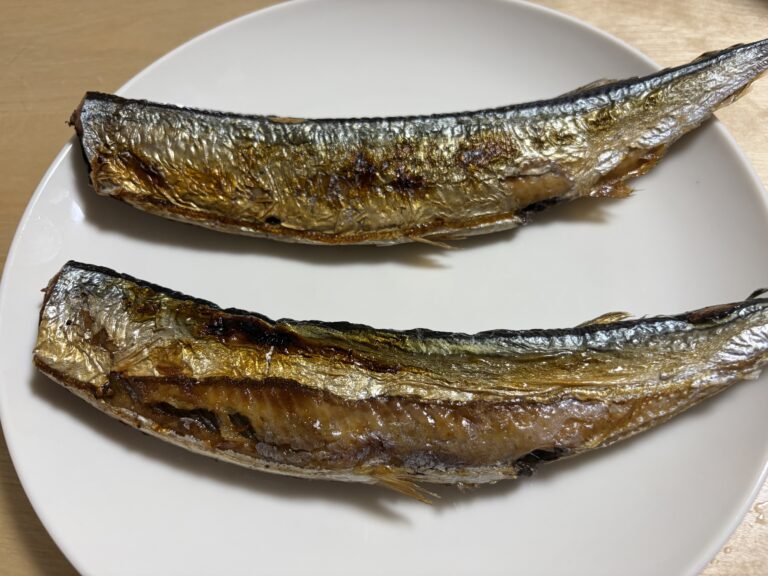
Sanma, Pacific saury
At the first auction of the month, Pacific saury fetched a price of 440,000 yen per kilogramme. In Japan, the kanji for ‘sanma’ depict a fish shaped like a sword that is in season in autumn. Prices are high at this time of year, and the fish are not as fatty as they are in season. However, as the saying goes, ‘Eating the first catch of the season extends your life by 75 days’, so the first catch is considered to bring good luck. Toba Ume Shoten had some Pacific saury landed in Eastern Hokkaido, so I asked them to…
- Food
- Kyoto
-
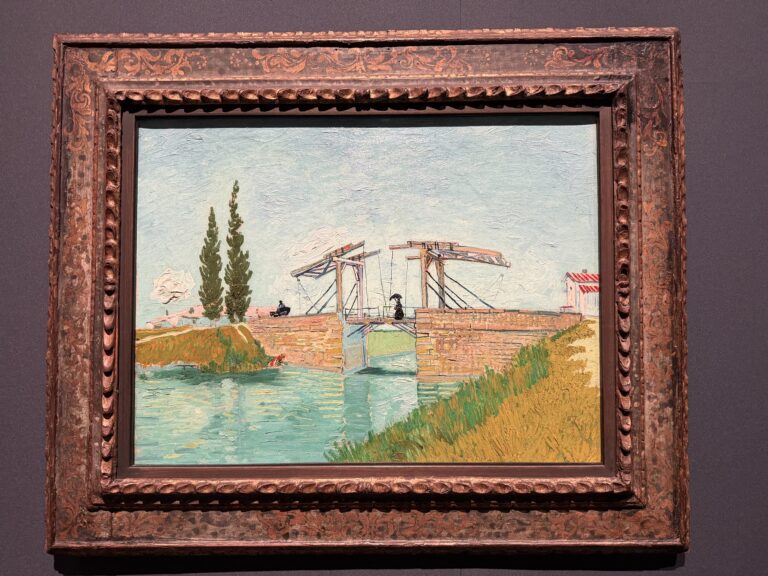
Abeno Harukas Art Museum
Abeno Harukas, standing at 300 metres tall, is Japan’s second-tallest skyscraper. The art museum is located on the 16th floor. However, it does not have a permanent collection and hosts only temporary exhibitions. The exhibition currently running until 9 September is ‘Van Gogh’s Drawbridge and the Impressionist Painters’. Visitors can view 70 works from the collection of the Wallraf-Richartz Museum in Cologne, Germany. Whilst the highlight is Van Gogh’s ‘The Drawbridge’, the exhibition is well-rounded, featuring works by Renoir, Gauguin and Cézanne. Photography is permitted with a few exceptions, but the beautiful blues in the works cannot be captured in…
- Osaka
- Spot introduction
-
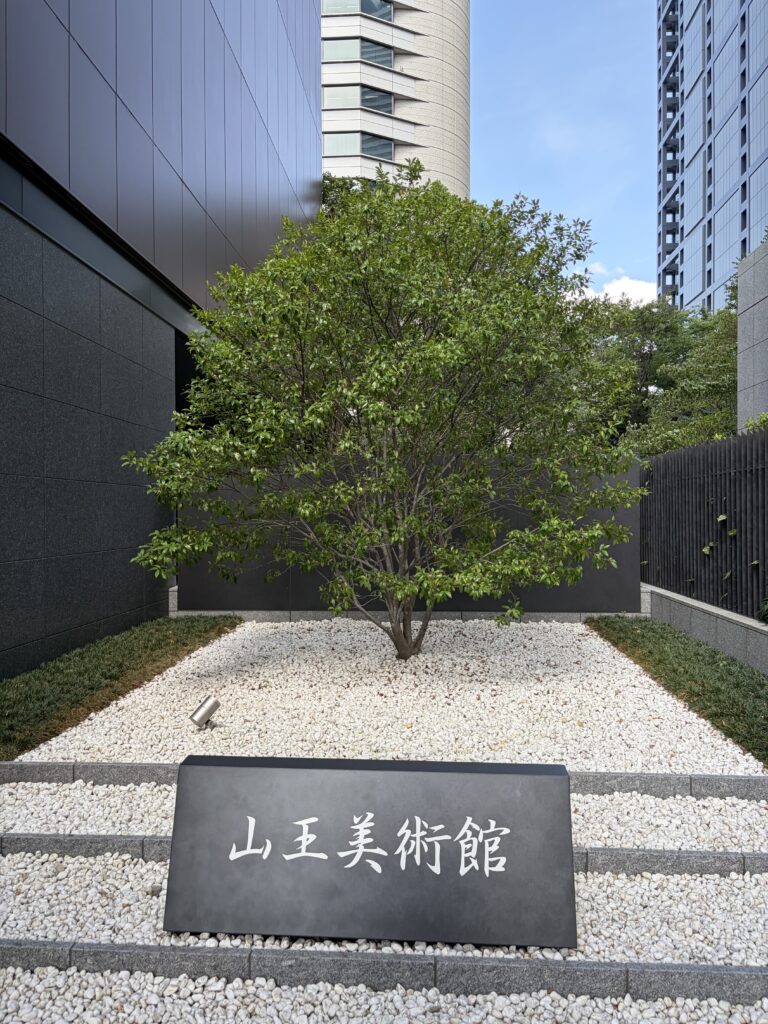
Sannō Art Museum
Although Osaka has the lowest number of art museums per capita—partly due to its role as a centre of commerce and industry—there are still several museums well worth a visit. One of these is the Sannō Art Museum. It exhibits the art collection of Masao Kinoshita, founder of Acom and Hotel Monterey, with the exhibits changing every few months. The Renoir exhibition runs until the end of this month. This collection is never loaned out to other museums, and 12 works, including *Bather by the Fountain*, are being exhibited to the public for the first time. Personally, the work that…
- Osaka
- Spot introduction
-
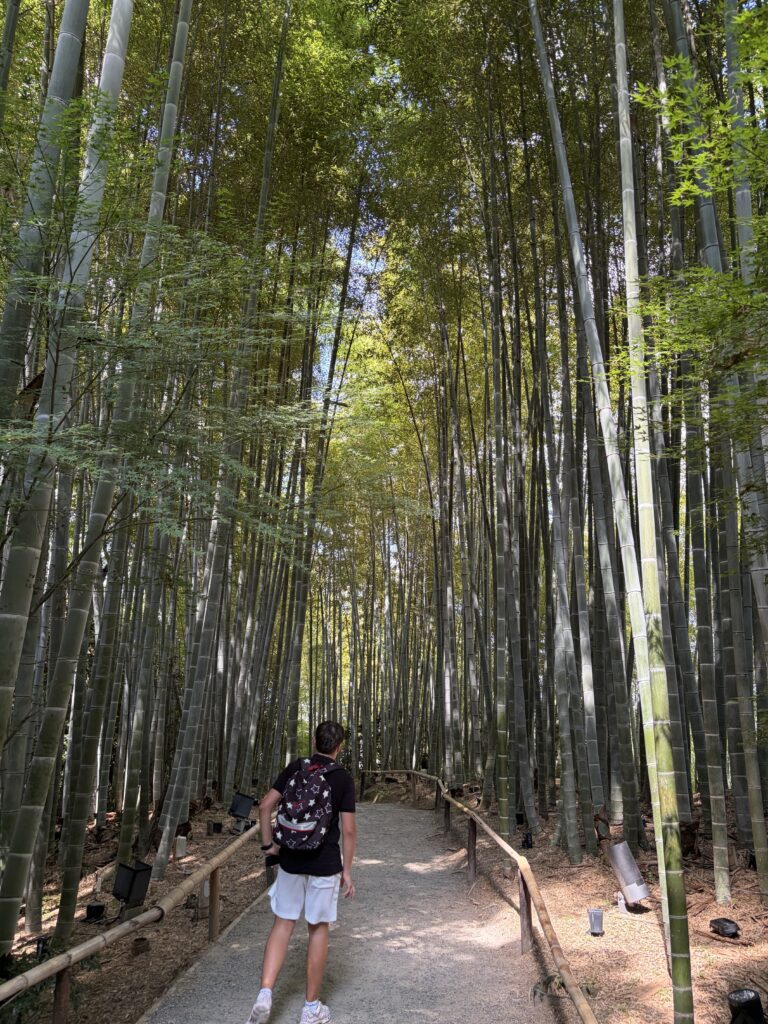
Bamboo Grove at Kōdaiji Temple
Whilst Arashiyama is by far the most famous bamboo grove in Kyoto, there are other beautiful bamboo groves within the city itself. One of these is Kōdai-ji Temple. As there aren’t too many visitors, you can take your time exploring it. Until the end of next month, as part of the ‘Kyoto Summer Travel’ campaign, you can view the *Panryū-zu* (Picture of a Coiled Dragon), a ceiling painting by Kano Sanraku—a master painter who epitomised the beauty of the Momoyama period—which is not usually on public display. The dragon is a guardian deity of Buddhism and is also a being…
- Kyoto
- Spot introduction